Icelandic Kelp
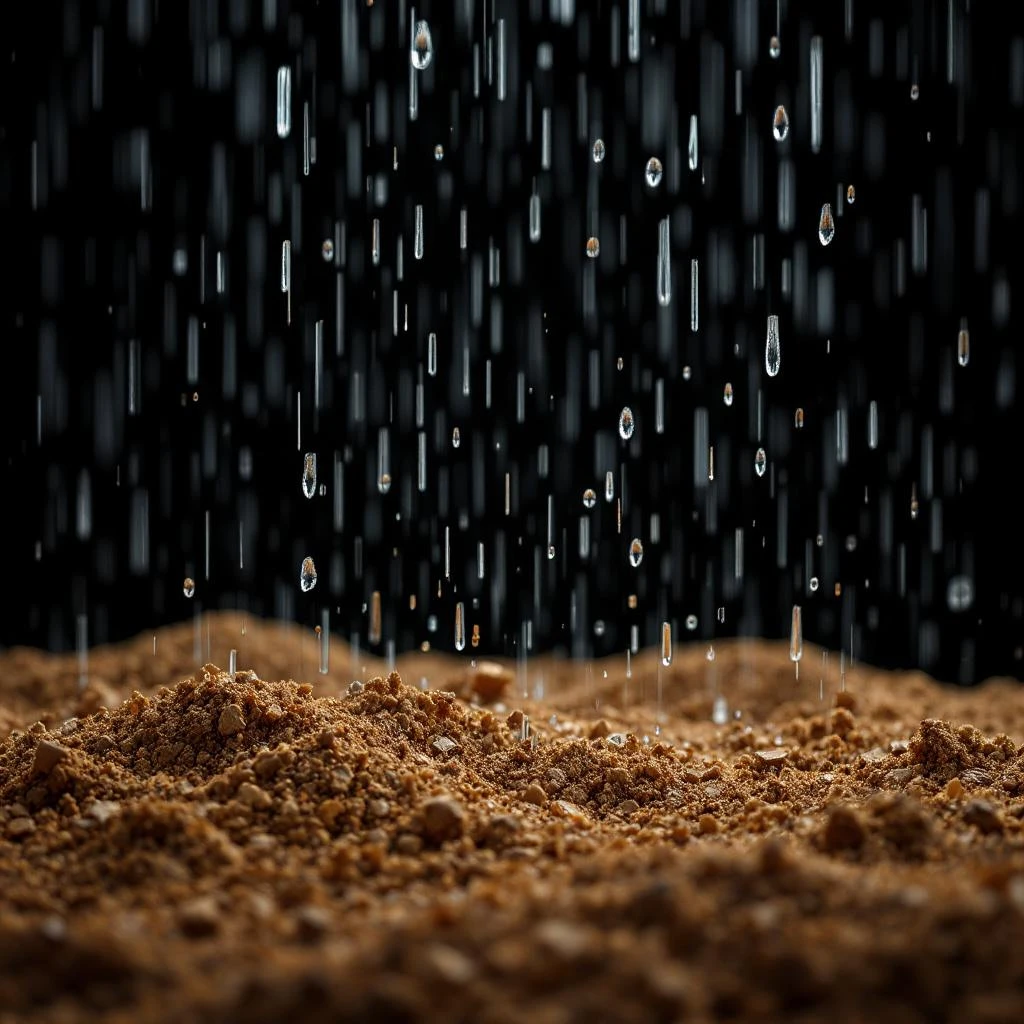
Icelandic Kelp brings the raw, mineral-rich essence of North Atlantic waters to perfumery. Harvested from the cold, pristine seas surrounding Iceland, this marine ingredient captures the scent of ocean air, salt, and deep-sea minerals in a singular aromatic experience.
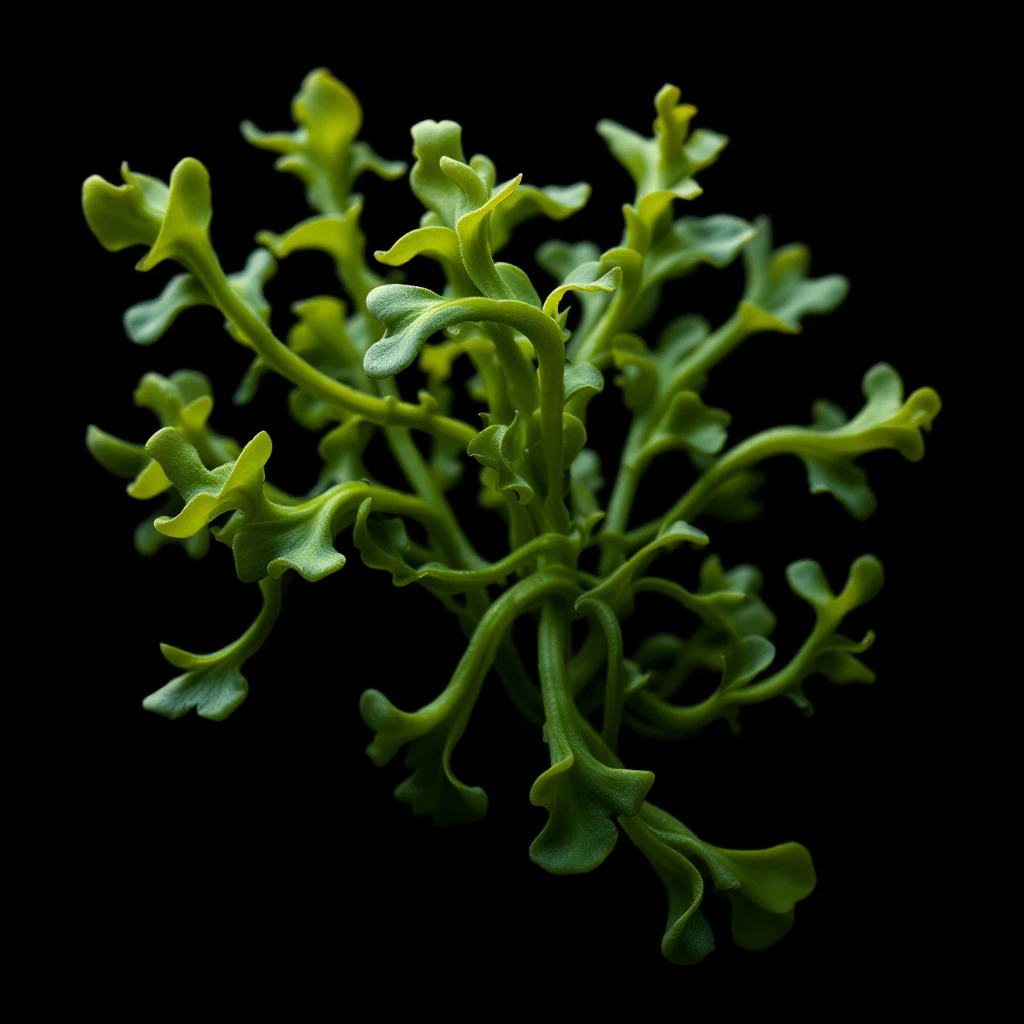
Character
How it smells
Cold Atlantic waters distilled into scent.
Kelp forests off Iceland's coast grow up to 60 centimeters per day in the summer months, making them among the fastest-growing marine plants on Earth.
Pairs beautifully with
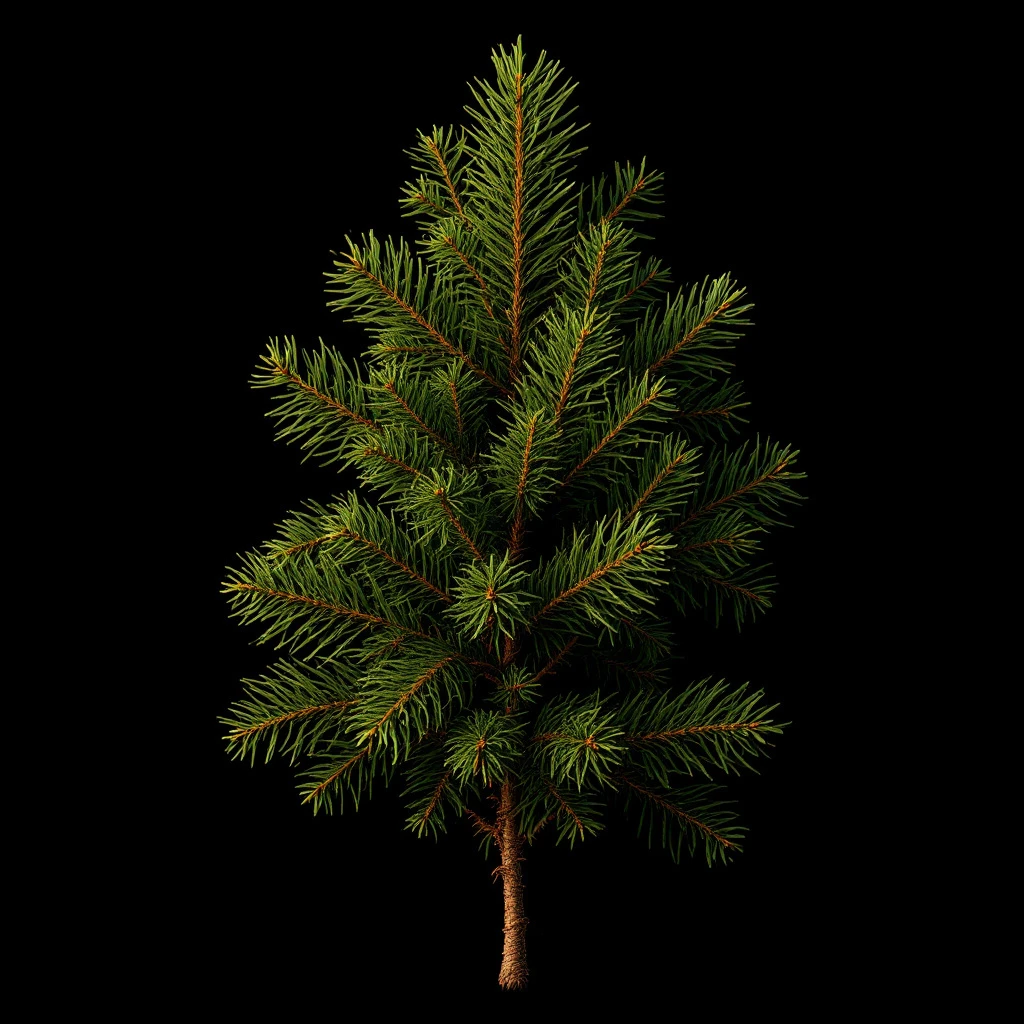

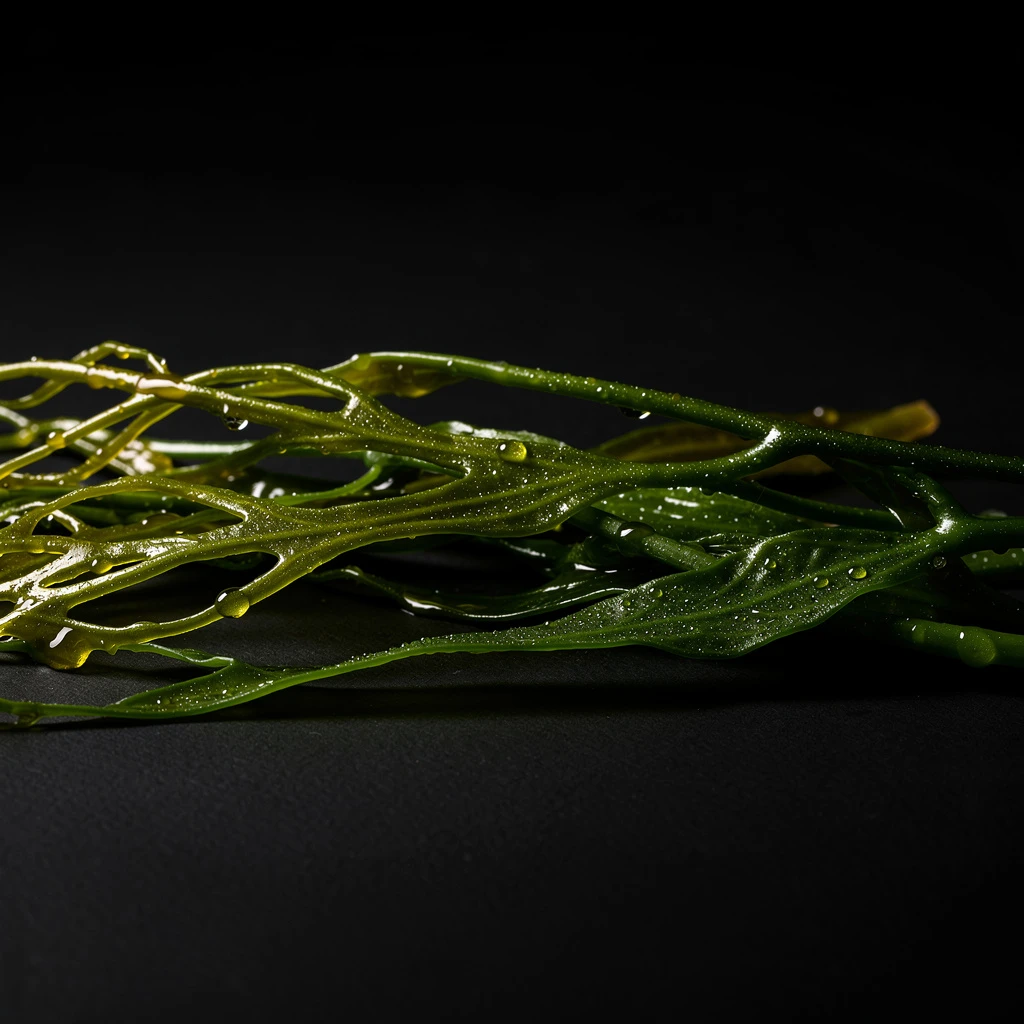
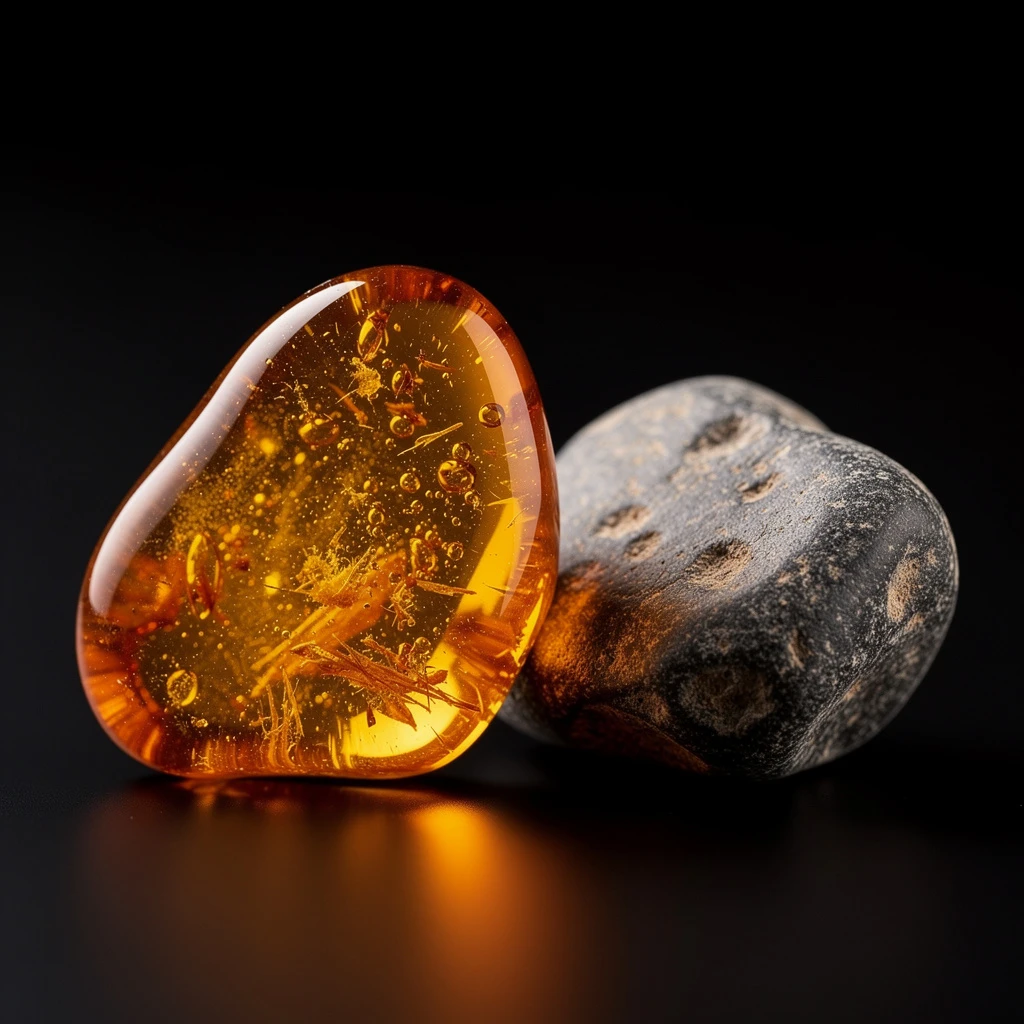
Origin
Iceland
The use of marine botanicals in fragrance stretches back centuries, though kelp specifically entered Western perfumery relatively recently. Traditional Nordic cultures used dried kelp for preservation and medicinal purposes, but its aromatic applications remained largely unexplored until the 1970s when aquatic fragrance families began gaining popularity.
Icelandic kelp gained prominence in the 1990s as environmental consciousness rose and perfumers sought ingredients that connected their creations to specific, traceable origins. Iceland's position along the Mid-Atlantic Ridge means its coastal waters remain cold, mineral-dense, and remarkably unpolluted.
This geographic advantage produces kelp with a cleaner, more complex mineral profile than kelp from warmer waters. Today, Icelandic Kelp represents a shift toward marine provenance ingredients, where the source location matters as much as the raw material itself.
Wears it best
Fragrances featuring Icelandic Kelp
Brands
Brands known for Icelandic Kelp
Good to know
Questions, answered
The essentials on Icelandic Kelp in perfumery: how it smells, where it comes from, and how it behaves on skin.
What does Icelandic Kelp smell like?
Icelandic Kelp delivers a mineral-forward marine scent combining iodized salt, wet stone, and fresh ocean air. It reads as cleaner and greener than many synthetic marine accords, with underlying mineral depth that grounds lighter aquatic compositions.
Is Icelandic Kelp a natural or synthetic ingredient?
Icelandic Kelp exists in both forms. Natural extraction via supercritical CO2 yields genuine marine mineral compounds, while synthetic alternatives like Calone reproduce similar odor profiles. Many fragrances use both in combination for stability and longevity.
What fragrance families pair well with Icelandic Kelp?
Icelandic Kelp serves as a cornerstone for aquatic, fougere, and green fragrance families. It pairs naturally with marine florals like water hyacinth, herbal notes such as rosemary, and mineral bases including ozonic amber and white cedar.
How sustainable is Icelandic Kelp harvesting?
Icelandic kelp harvesting operates under strict environmental controls. The North Atlantic waters remain cold and unpolluted, and regulated harvesting prevents damage to the kelp forest ecosystems that support local marine biodiversity.
What role does Icelandic Kelp play in fragrance longevity?
Icelandic Kelp functions as an effective heart-to-base bridge note. Its mineral compounds help anchor lighter top notes while providing enough projection to remain detectable through the fragrance dry-down.
When did marine ingredients like kelp enter mainstream perfumery?
Marine fragrance ingredients gained mainstream traction in the 1990s following the success of aquatic scent families. Kelp specifically became more prominent as perfumers sought traceable, origin-specific ingredients beyond synthetic alternatives.
Can Icelandic Kelp be extracted at home?
Home extraction of kelp for perfumery is not practical. The process requires supercritical CO2 equipment operating at high pressure to safely extract and preserve marine aromatic compounds without degradation.
What makes Icelandic kelp different from other marine ingredients?
Iceland's cold, mineral-rich waters produce kelp with a cleaner, more complex mineral profile than kelp from warmer regions. The Mid-Atlantic Ridge location creates distinct sea mineral characteristics unavailable from other marine sources.