Shore Pine
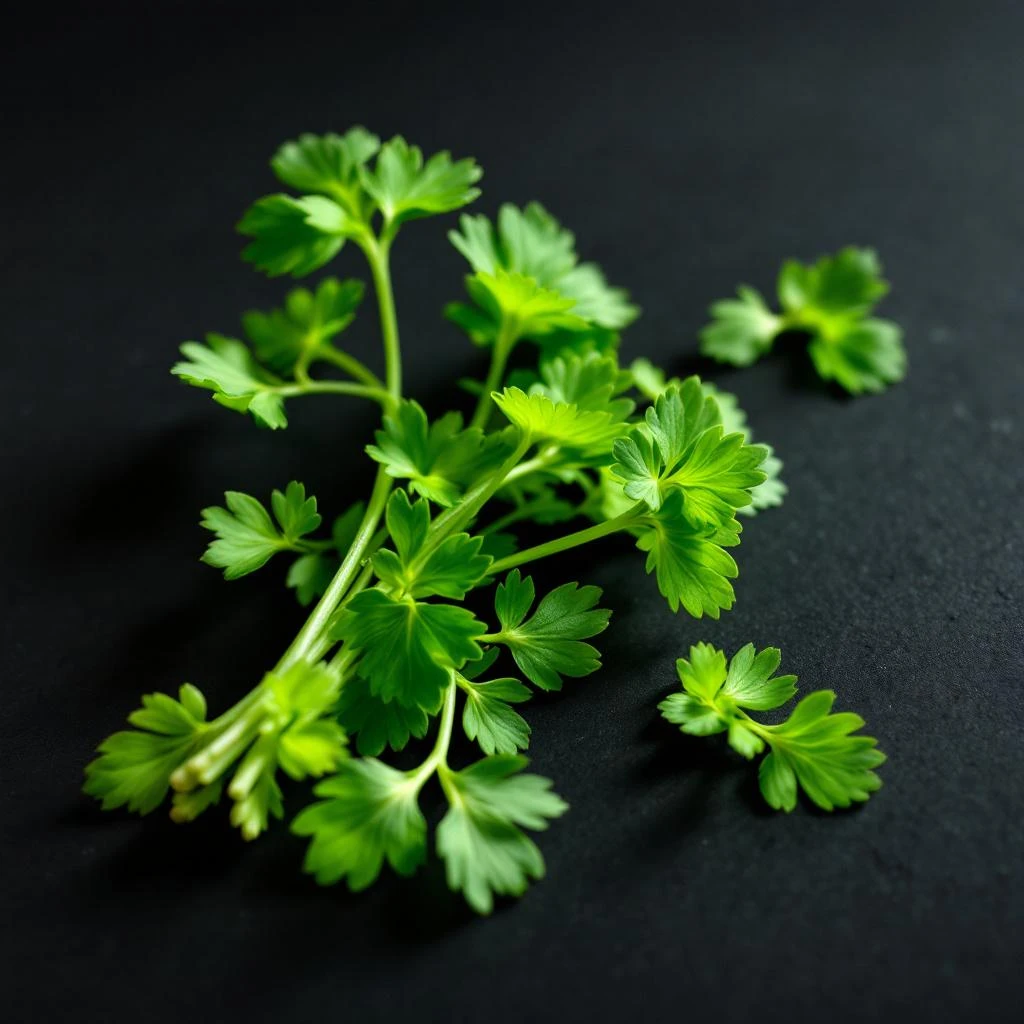
Shore pine captures the brisk, salty wind off coastal cliffs, offering a resinous, green scent that anchors modern aquatic and woody compositions.
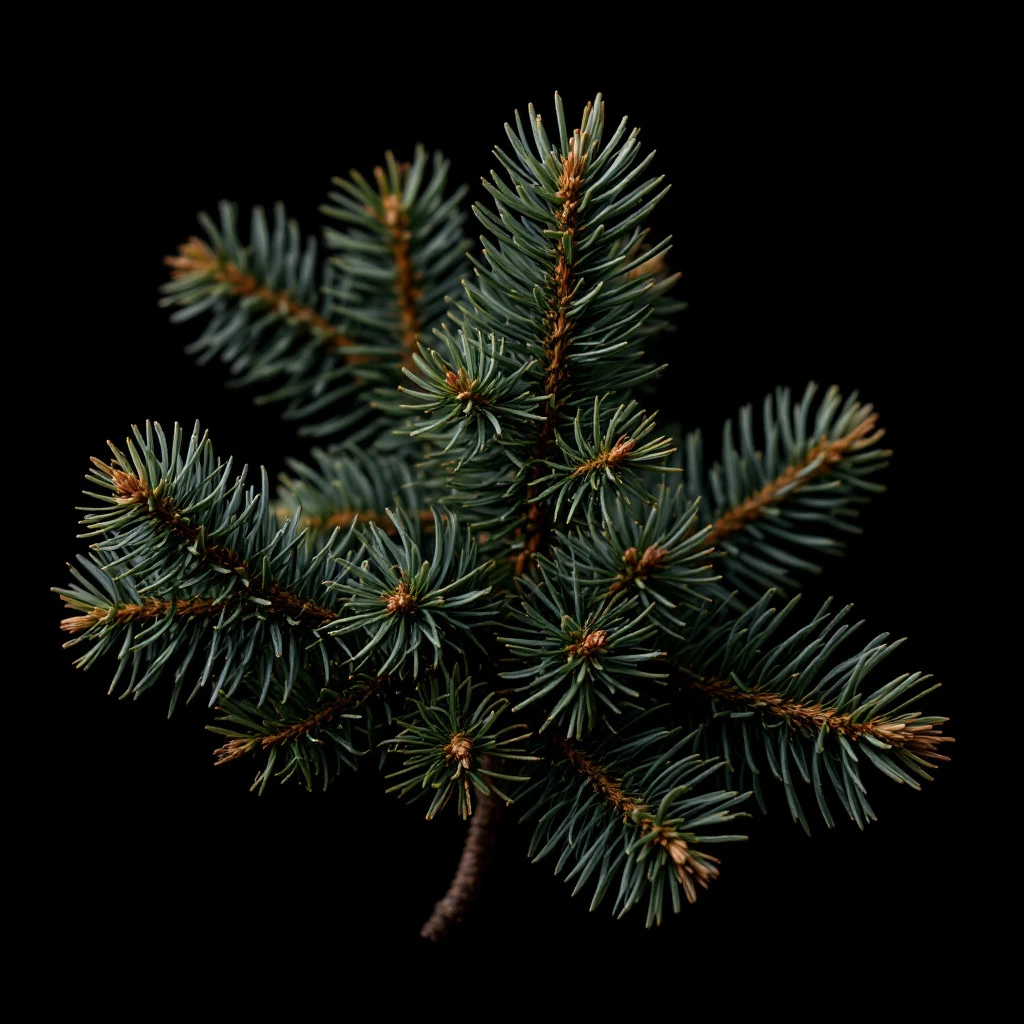
Character
How it smells
Briny resin from the edge of the sea
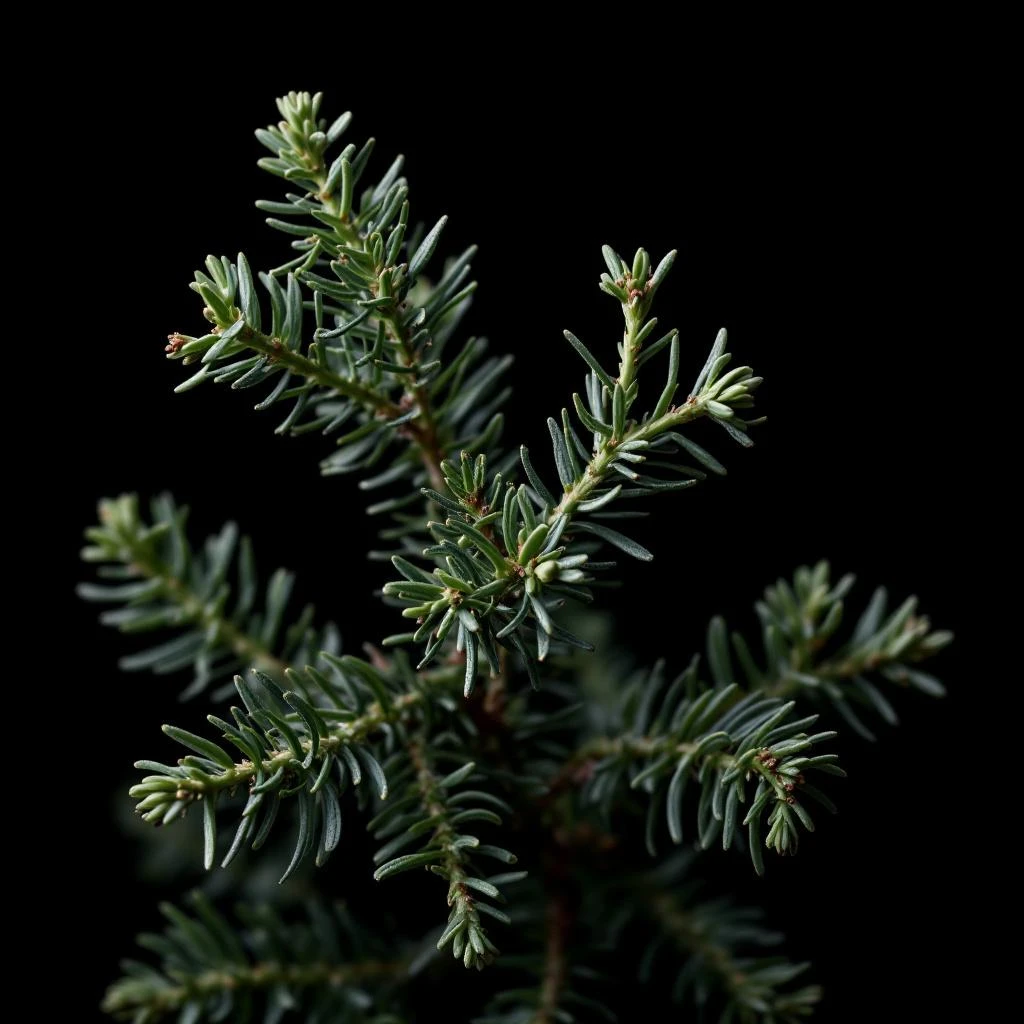
Shore pine is one of the few conifers that actually thrives in salt spray, twisting into sculptural forms battered by Pacific storms.
Origin
United States (Pacific Northwest)
Shore pine, known to botanists as Pinus contorta, earned its common name from the crooked, wind-shaped trunks it develops along Pacific coastlines from Alaska down into northern California. Indigenous communities of the Pacific Northwest harvested its resin and pitch for waterproofing canoes, sealing baskets, and medicinal salves long before European contact. During the 19th century, the tree's hardy wood fueled coastal settlements and mining camps, while its volatile oils caught the attention of early industrial chemists exploring coniferous turpentines as perfume bases.
The 1874 synthesis of vanillin from pine bark compounds by Wilhelm Haarmann marked a turning point, proving that conifer chemistry could anchor entire fragrance families. Modern perfumers value shore pine specifically for its briny, atmospheric quality, a character that mirrors the maritime landscapes where the tree grows.
Wears it best
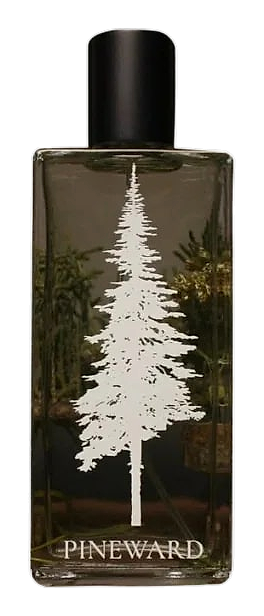
Fragrances featuring Shore Pine
Brands
Brands known for Shore Pine
Good to know
Questions, answered
The essentials on Shore Pine in perfumery: how it smells, where it comes from, and how it behaves on skin.
What does shore pine smell like in perfume?
Shore pine gives a crisp, resinous green scent with briny, woody undertones. It evokes coastal forests and is commonly used as a base note in aquatic and fougère compositions.
Is shore pine a natural or synthetic ingredient?
Shore pine essential oil is natural, steam-distilled from needles and twigs. Synthetic pine aroma chemicals, like certain terpenes, are also widely used in fragrance manufacturing.
Where does shore pine grow?
Shore pine grows along the Pacific coast of North America, from southern Alaska through British Columbia and into northern California. It tolerates salt spray and poor soils.
How is shore pine oil extracted?
Steam distillation is the primary method. Harvested needles and twigs are exposed to high-temperature steam, which releases volatile terpenes that condense into a clear aromatic oil.
What fragrance families use shore pine?
Shore pine appears in aromatic, woody, and aquatic fragrance families. It pairs naturally with citrus, herbal, and marine accords to build fresh, atmospheric compositions.
Is shore pine sustainable for perfumery?
Shore pine is abundant across its native range and regenerates quickly after harvest. Responsible sourcing from managed coastal forests helps maintain ecosystem stability.
Does shore pine have cultural significance?
Coastal Indigenous communities of the Pacific Northwest used shore pine resin for waterproofing canoes, sealing tools, and traditional salves for centuries.
What notes pair well with shore pine?
Shore pine blends well with bergamot, rosemary, lavender, and seaweed notes. These combinations reinforce its crisp, briny character while adding aromatic complexity.