The Story
Why it exists.
The beginning
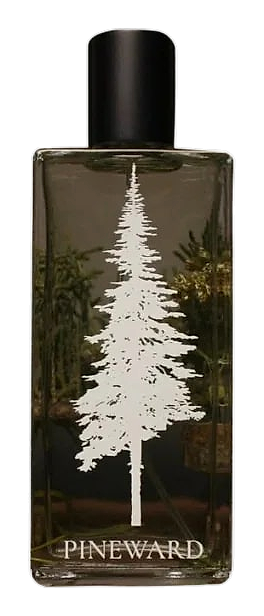
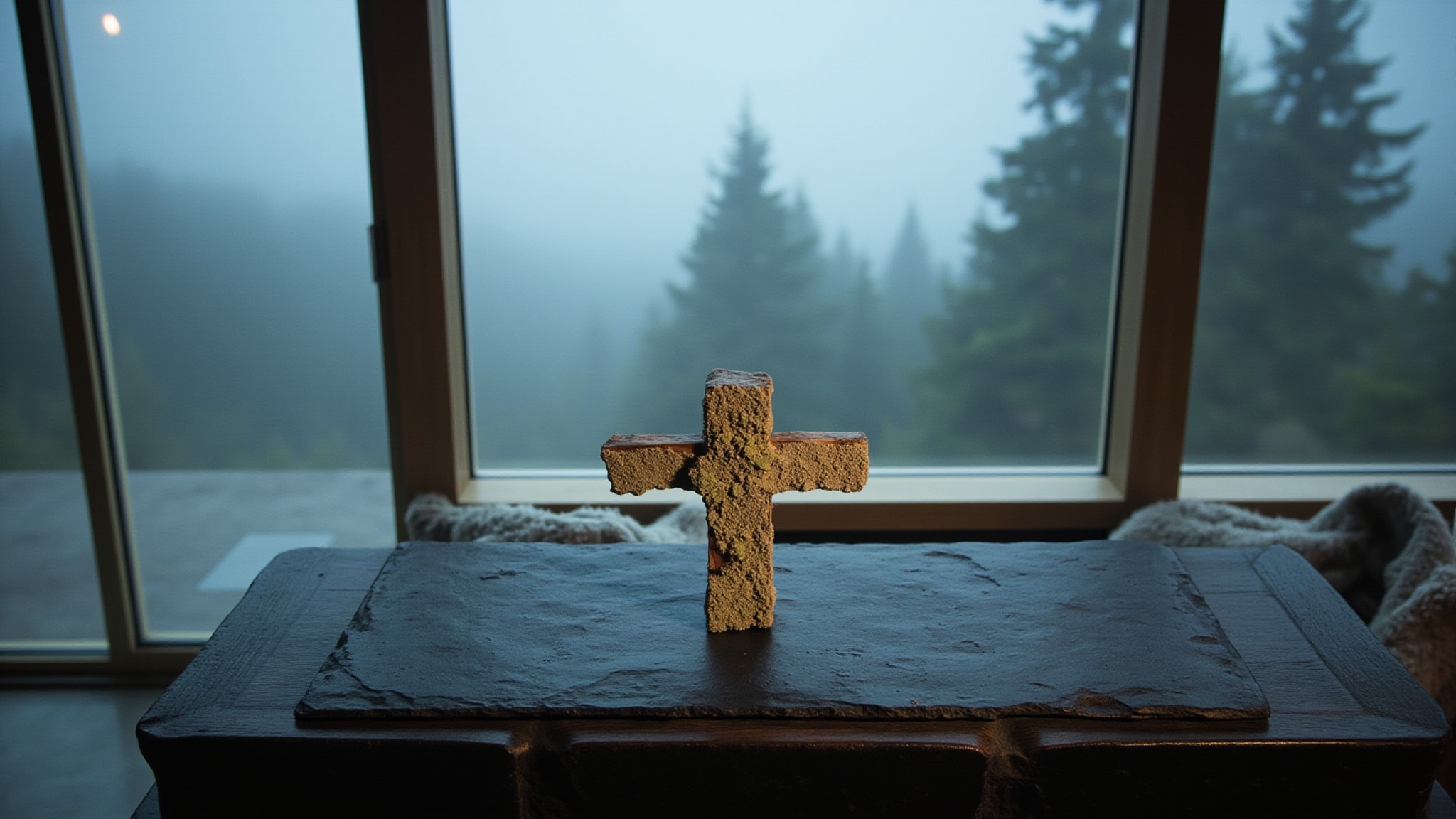
There's an old wooden cross somewhere in the high country, forgotten and slowly returning to the earth around it. That's the image Nicholas Nilsson reached for when he started building Holy Cross, his 2026 release from Pineward. Not a crucifix in the devotional sense. A wooden marker, weather-worn and half-consumed by lichen, standing in a clearing where someone once stopped long enough to carve their faith into something permanent. The fragrance takes that scene as its compass point: what does the air smell like around a thing the world has stopped visiting? Holy Cross answers with an almost geological stillness. The opening is cold and damp, a wash of mineral wetness and petrichor that reads less like a perfume and more like rain hitting bare stone.
The unusual choice here is cress, watercress specifically, which leads with a peppery, almost radish-like sharpness that most fragrances would never gamble on as a centerpiece. Pair that with ambrette seed, the botanical musk substitute that adds a skin-warmth without animalics, and you get a composition that's simultaneously bracing and intimate, which isn't an easy tightrope. Shore pine and juniper supply the conifer backbone that Pineward is known for, while mountain bluebell accord and blue yarrow introduce something almost meadow-like at altitude. Beard lichen anchors it all, the slow-growing organism that colonizes stones and bark in damp mountain air.
The evolution
The first thirty minutes are the cress show: sharp, green, peppery, faintly metallic, like biting into a stalk pulled straight from a cold creek. That greenness softens into juniper and shore pine within the first hour, the conifer character arriving not as a blast of Christmas-tree needle but as something drier and more weathered, closer to bark and resin than sap. The blue yarrow and mountain bluebell accord surface somewhere around the two-hour mark, a subtle herbal sweetness that reads less like flowers and more like the ambient scent of a sunlit clearing at elevation. Beard lichen threads through the whole composition, never fully departing, giving the drydown that damp-stone quality that reviewers keep circling back to. By hour six, what's left on skin is mineral and skin-close: wet stone, the ghost of ambrette, a faint green musk that feels less like a fragrance and more like the residue of having been somewhere specific. It doesn't broadcast. It lingers in personal space, the kind of scent people lean closer to identify.
Cultural impact
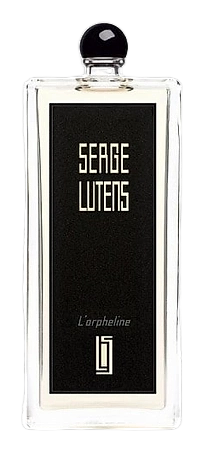
Not a fragrance for announcing yourself. Reviews consistently reach for the same comparisons to L'orpheline and Encre Noire, and the reason makes sense the moment Holy Cross hits skin. Both of those compositions share its commitment to stillness, to letting a single dominant impression do the work rather than cycling through a series of costume changes. Holy Cross belongs to that lineage of mineral, contemplative compositions that don't perform so much as persist. The polarizing element is the watercress opening, a sharp, almost radish-like note that some wearers find bracing and others find simply too austere.