
The Story
Why it exists.
The beginning
Acadian exists because Acadia National Park exists, and because some experiences resist being left behind. Nicholas Nilsson built this fragrance from a trip to Maine's rocky Atlantic coastline, the place where salt and spruce have been negotiating since the last ice age. The park's fog, its tidal pools, the way evergreens lean into the wind off the ocean, that's the raw material. Acadian is the translation.
What makes this composition unusual is its refusal to pick a side. Most aquatic fragrances go all-in on salt and synthetic ozonic materials. Most green fragrances stay landlocked in herb and stem notes. Acadian does neither. The seaweed doesn't just add brine, it adds a briny, slightly dark undertone that grounds the brighter yuzu and bergamot in something earthier. The eucalyptus provides a camphorated coolness that keeps the whole thing from ever feeling warm, even when the cedar settles in. Oakmoss and ivy form a damp, shadowy base that you don't fully notice until hours later, when you're still catching it on your wrist and realizing the forest followed you home.
The evolution
First thing you'll notice: it's green. Not the sharp green of cut grass or the sweet green of crushed leaves, something closer to the smell of plant stems pulled from wet soil. Bergamot and yuzu open clean and bright, but there's a salty, almost mineral edge from the seaweed that keeps it from being sweet. Thirty minutes in, the eucalyptus arrives, cool, camphorated, like stepping into the shade after standing in salt wind. The heart is where it earns its name. Water lily and heliotrope add a soft, almost powdery floralcy that floats above the green without fighting it. Goldenrod and ivy keep everything grounded in that damp-forest-floor character. By the third hour, the drydown takes over: cedar and juniper berry, oakmoss doing its thing, a faint marine whisper that refuses to fully disappear. On fabric, this one holds for six to eight hours. On skin, expect the eucalyptus and cedar to be detectable even after a full workday.
Cultural impact
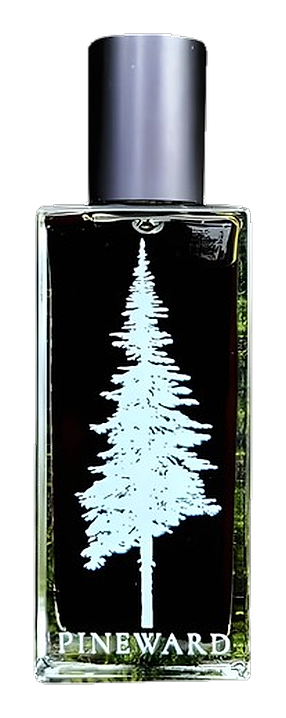
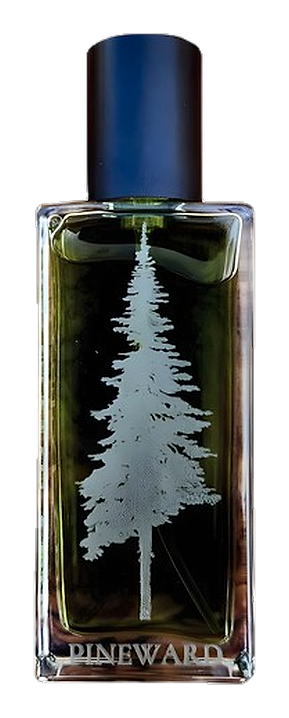
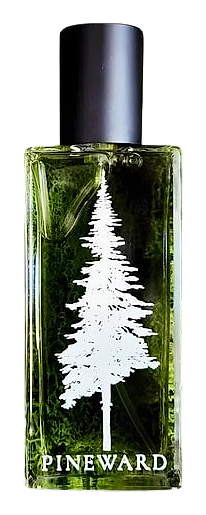
Acadian stands out in indie perfumery for centering seaweed as a main character rather than background ambiance, a rare choice that speaks to Pineward's unconventional approach. The name nods to the Acadian people of coastal Canada, anchoring the scent in a specific maritime cultural context. This fragrance doesn't try to smell like a generic ocean; it attempts to capture something more specific: the Atlantic coast as experienced by someone who actually lives near it. Its combination of Japanese yuzu, Mediterranean bergamot, and Pacific eucalyptus creates an international citrus vocabulary while the seaweed grounds everything in a distinctly North Atlantic reality.