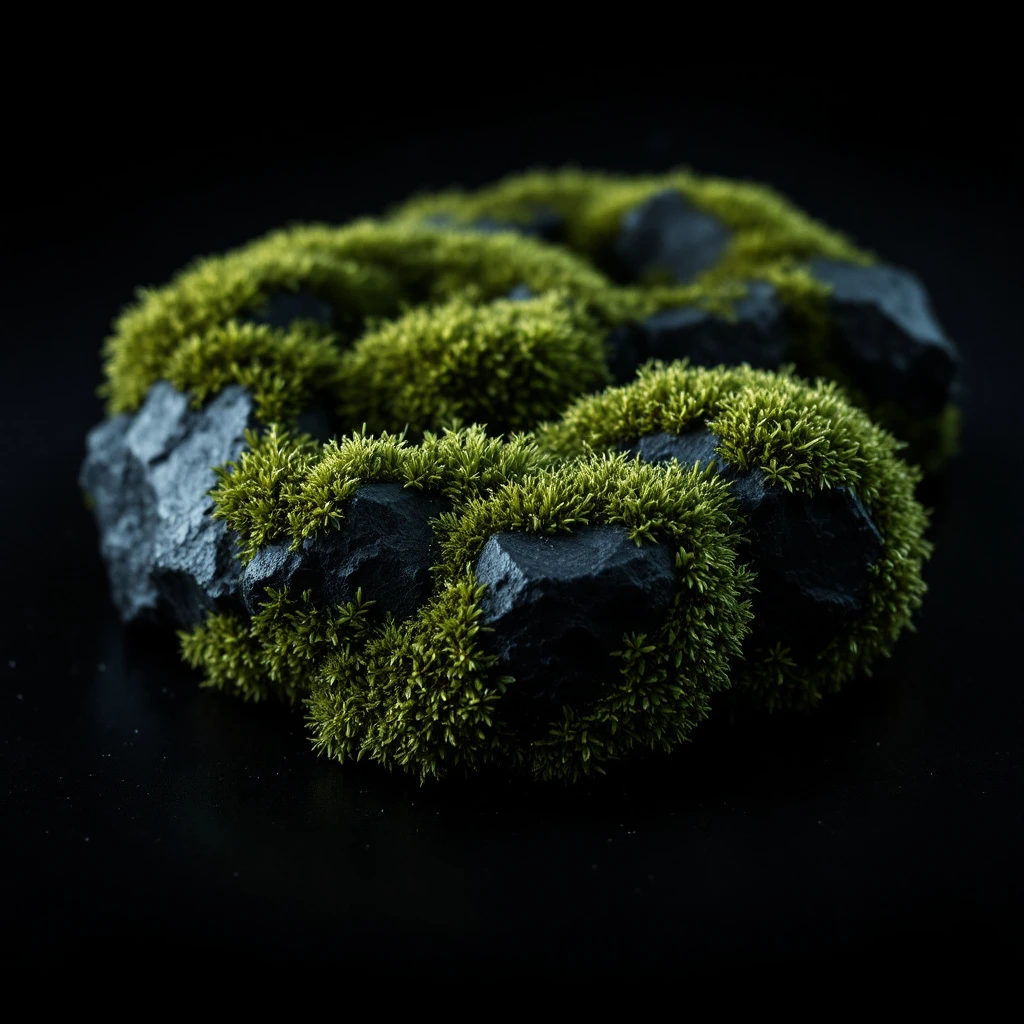
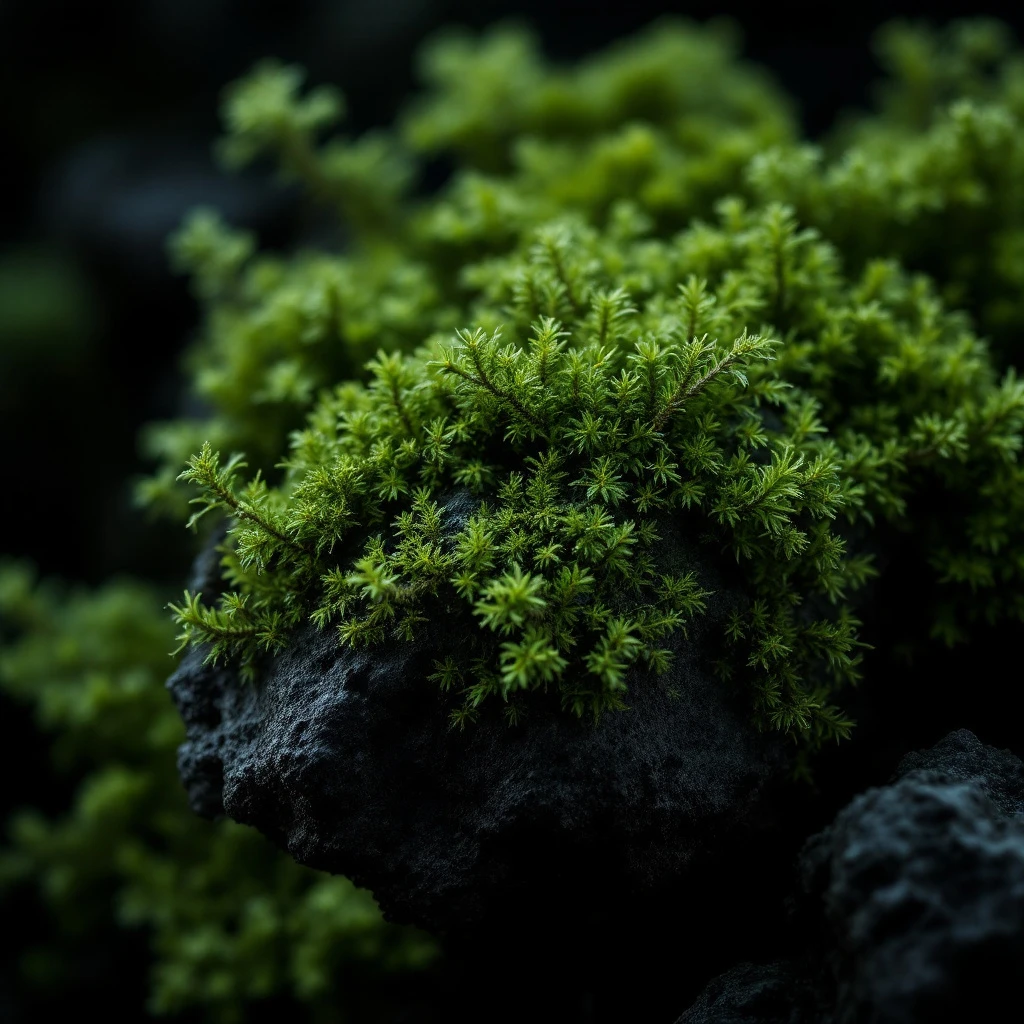
Beard Lichen
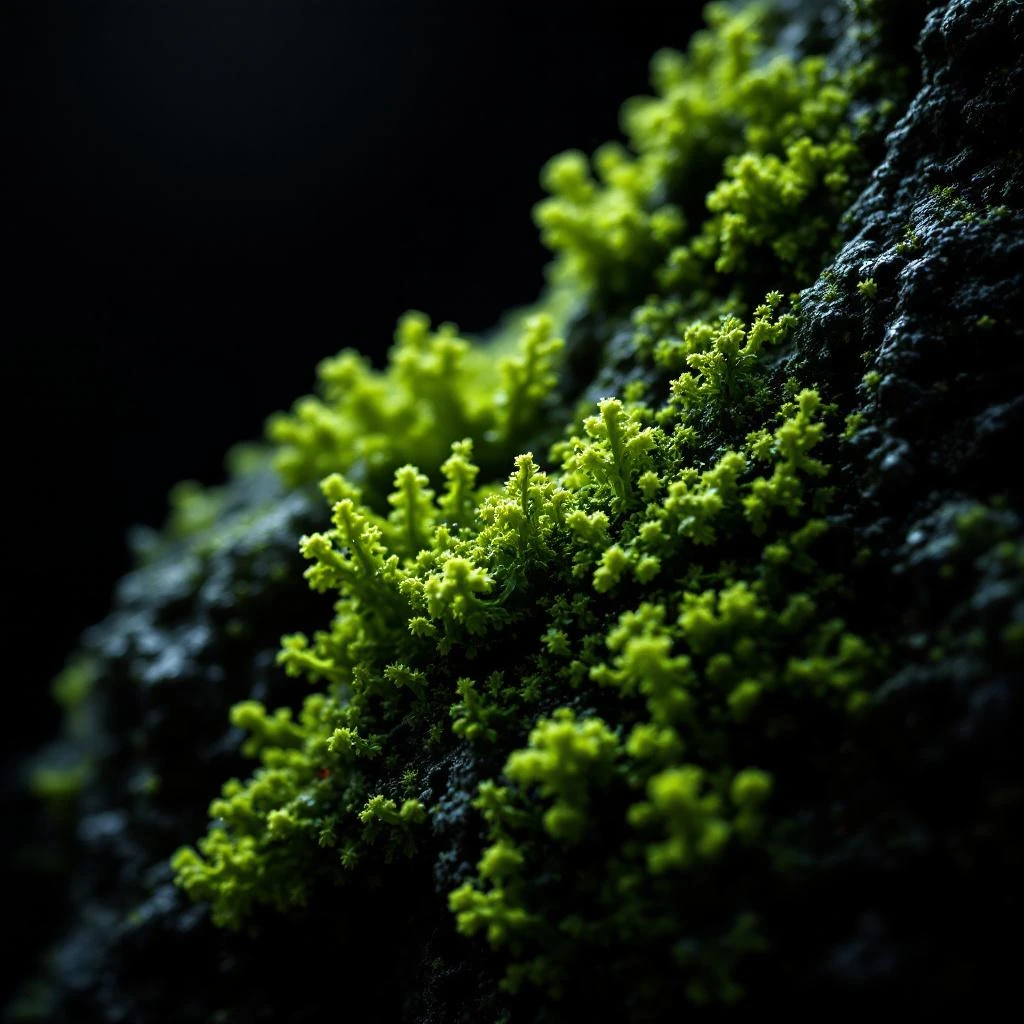
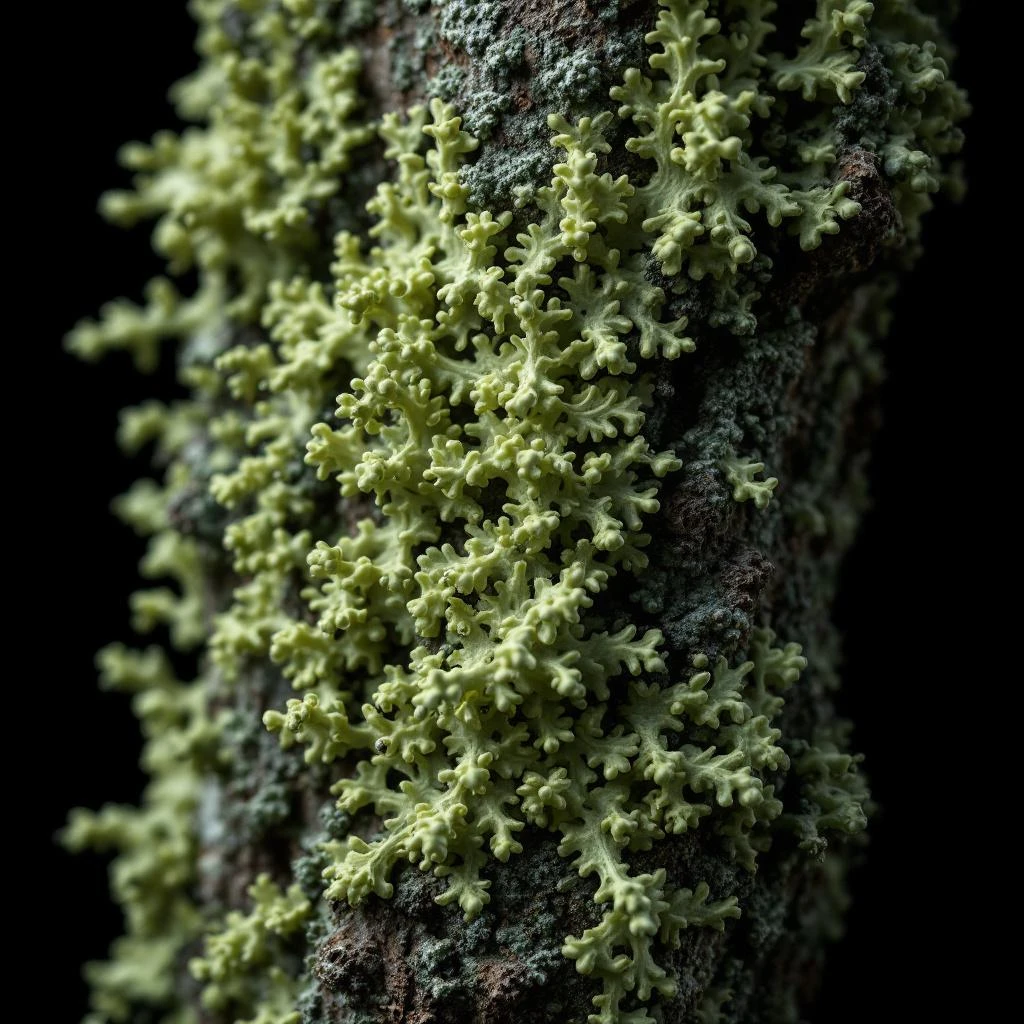
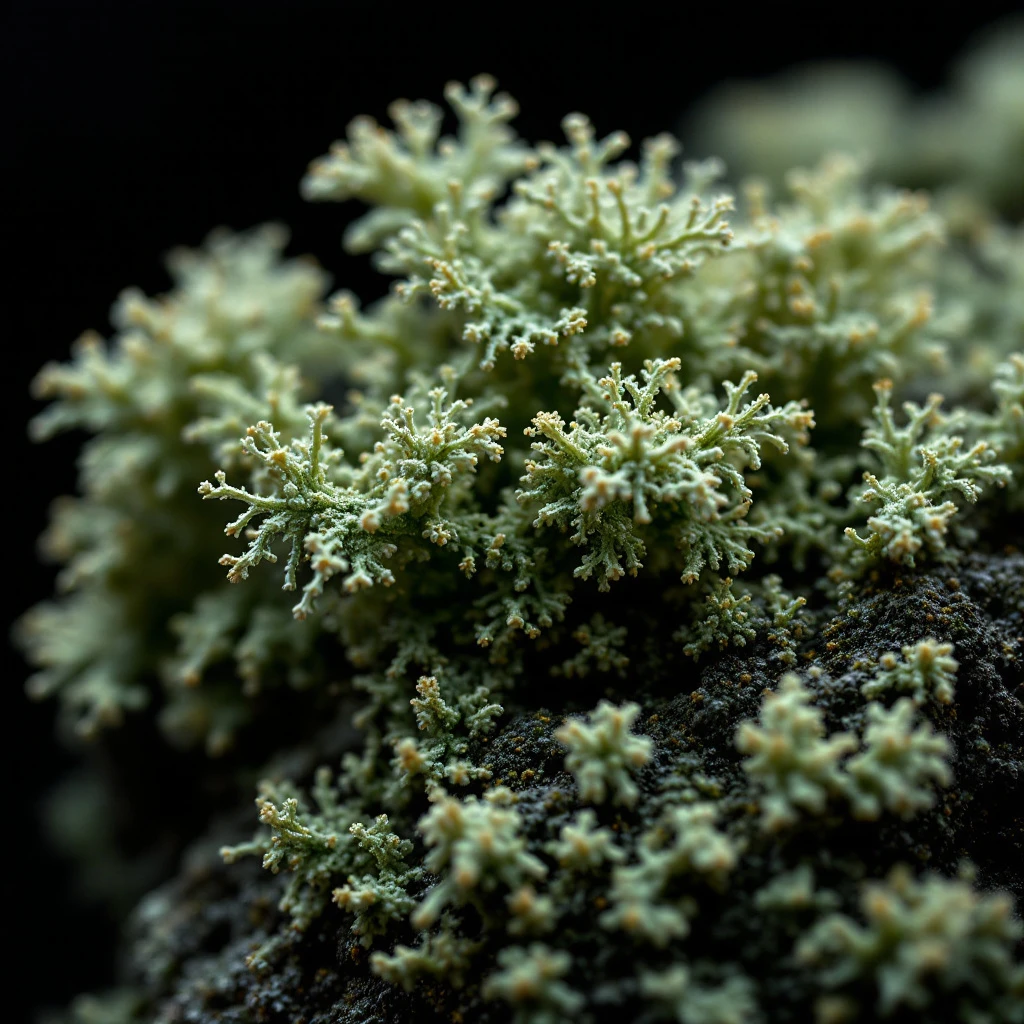
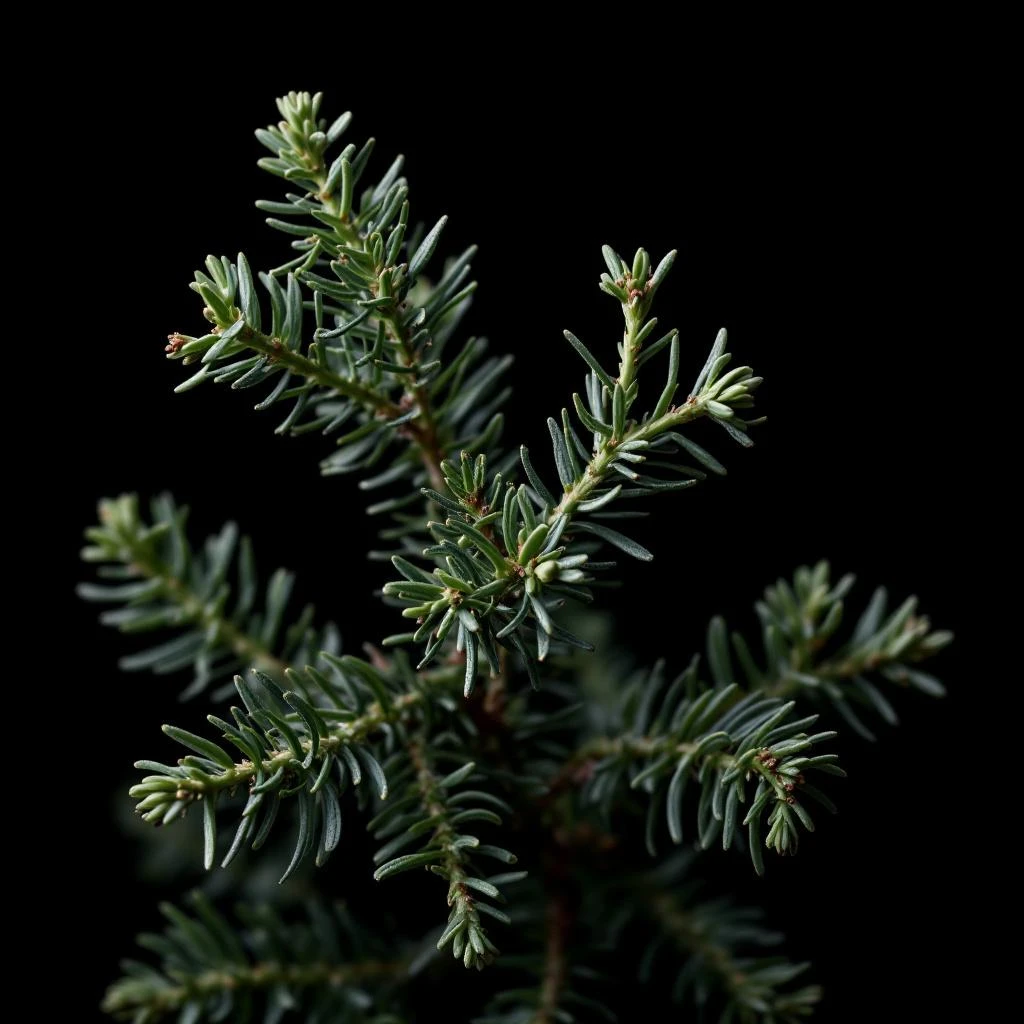
Beard Lichen (Usnea) drapes forest branches like pale green hair, lending chypre and fougère compositions a damp, mossy depth rooted in old-growth woods.
Character
How it smells
Forest-sourced fixative with centuries of perfumery pedigree
Lichens are symbiotic organisms, a partnership of fungus and algae, which is why their aromatic chemistry is unlike anything produced by a single plant species.
Origin
France
Beard Lichen, long known in folk medicine as Old Man's Beard, entered perfumery as a secondary cousin to oakmoss and treemoss. By the early twentieth century, European perfumers valued Usnea for its earthy, slightly medicinal character, using lichen extracts as fixatives that anchored fleeting top notes and extended wear on skin. Research published in 2009 noted that French processors handled around 1,900 tons of treemoss and 700 tons of oakmoss annually by 1997, with Usnea contributing to this broader lichen trade rather than dominating it.
Its role shifted after IFRA restrictions in the early 2000s tightened limits on atranol and chloroatranol, two sensitizing compounds common to many lichens. Today, Beard Lichen survives in niche formulations, heritage fougères, and natural-perfumery houses that favor its forest-floor authenticity over fully synthetic moss accords.
Wears it best
Fragrances featuring Beard Lichen
Brands
Brands known for Beard Lichen
Good to know
Questions, answered
The essentials on Beard Lichen in perfumery: how it smells, where it comes from, and how it behaves on skin.
What does Beard Lichen smell like in perfume?
Beard Lichen gives a damp, mossy, forest-floor character with subtle medicinal and earthy undertones. It functions primarily as a fixative rather than a dominant top-note ingredient.
Is Beard Lichen the same as oakmoss?
No. Beard Lichen (Usnea) belongs to a different genus than oakmoss (Evernia prunastri), though both are lichens used for fixative properties. Their aromatic profiles share earthy qualities but differ in intensity and chemical makeup.
Why is Beard Lichen restricted in perfumery?
IFRA limits apply because Beard Lichen can contain atranol and chloroatranol, two sensitizing allergens common to many lichen species. Modern production uses rectified extracts that meet safety thresholds.
How is Beard Lichen harvested for perfume?
Collectors gather strands by hand from tree branches, primarily in temperate European and North American forests. The dried material then undergoes solvent extraction to produce a concrete and subsequent absolute.
When was Beard Lichen first used in perfumery?
Beard Lichen entered formal perfumery in the early twentieth century as a secondary fixative alongside oakmoss and treemoss. Its folk-medicine uses as Old Man's Beard, however, extend back centuries.
Is Beard Lichen sustainable?
Wild harvesting carries ecological concerns since lichens grow slowly, sometimes less than a millimeter per year. Some suppliers now operate managed-collection programs in European forests to protect wild populations.
What perfume types use Beard Lichen most?
Chypre and fougère compositions rely on it for mossy depth, alongside heritage masculine fragrances and forest-themed naturals. It anchors base notes rather than appearing as a lead ingredient.
Can Beard Lichen be replaced synthetically?
Yes. Modern perfumery largely replicates mossy notes through synthetic molecules like Evernyl, designed to mimic oakmoss without allergen concerns. Natural Beard Lichen persists in heritage and natural-perfumery niches.