Blue Yarrow
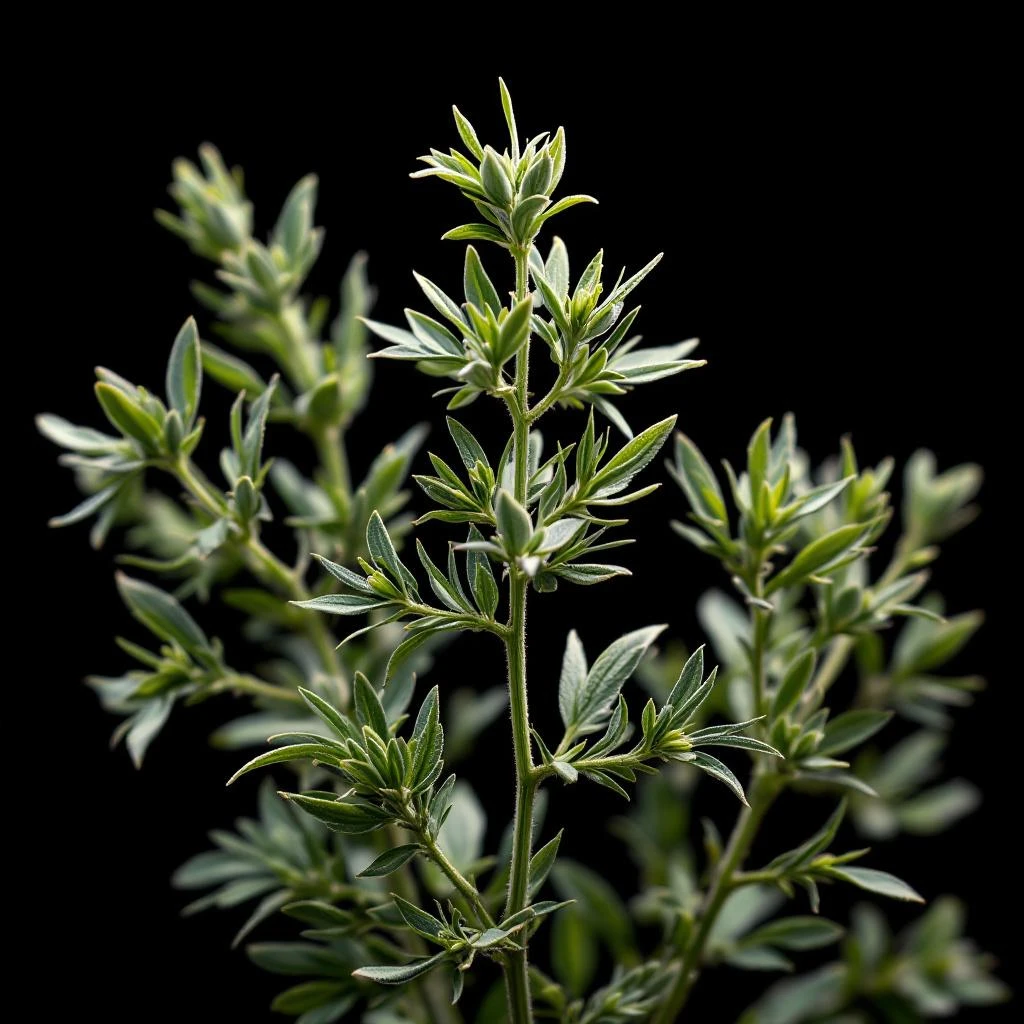
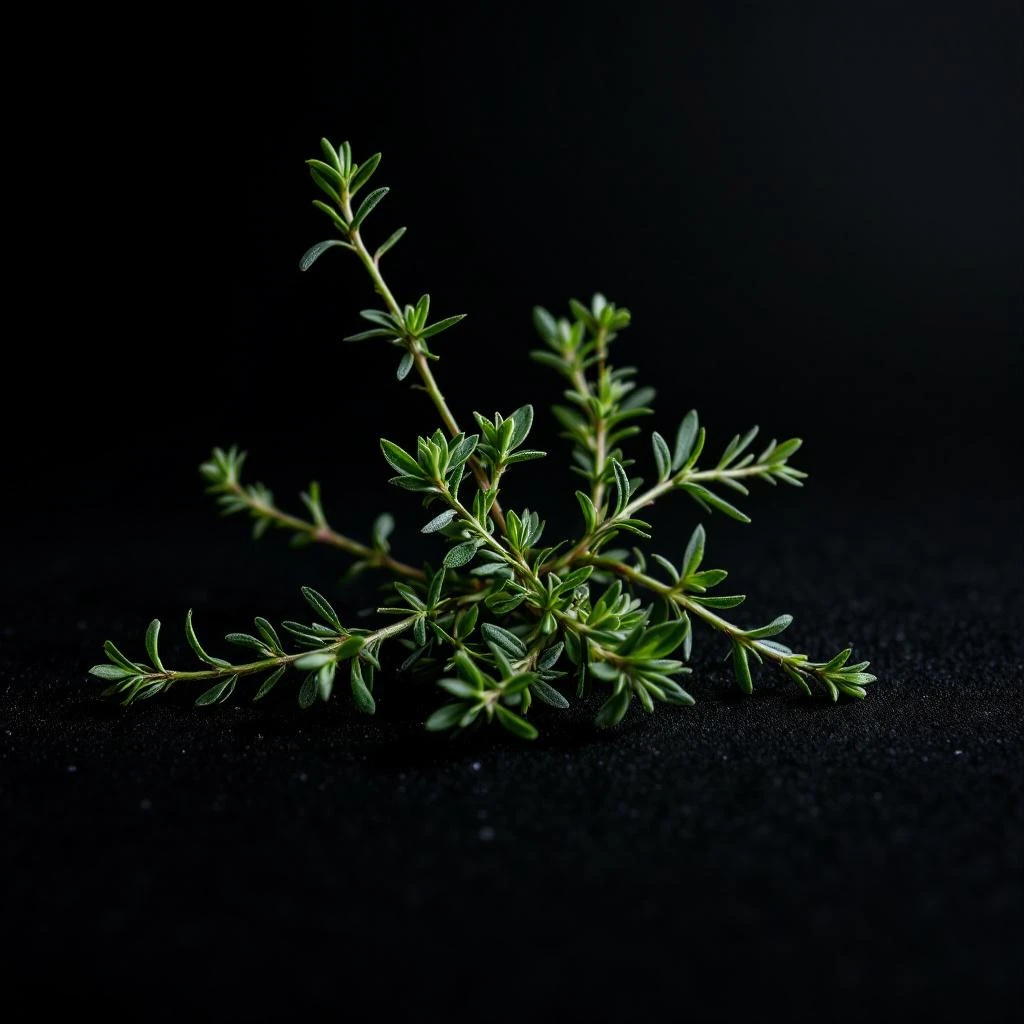
Blue Yarrow (Achillea millefolium) distills into a rare essential oil prized for its deep azure hue and complex aromatic profile. Sweet, herbaceous, and subtly woody, it bridges apothecary tradition and modern perfumery with a scent that speaks of wild meadows and ancient healing wisdom.
Character
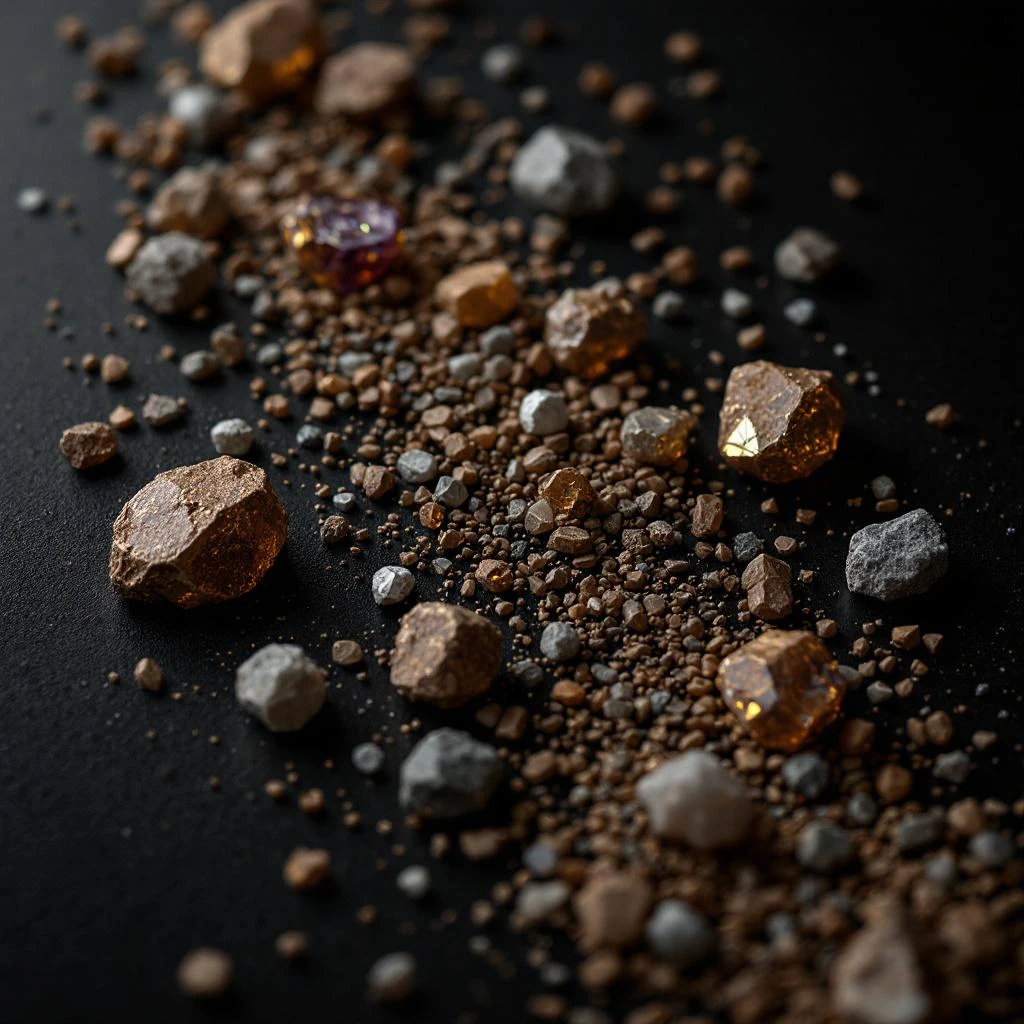
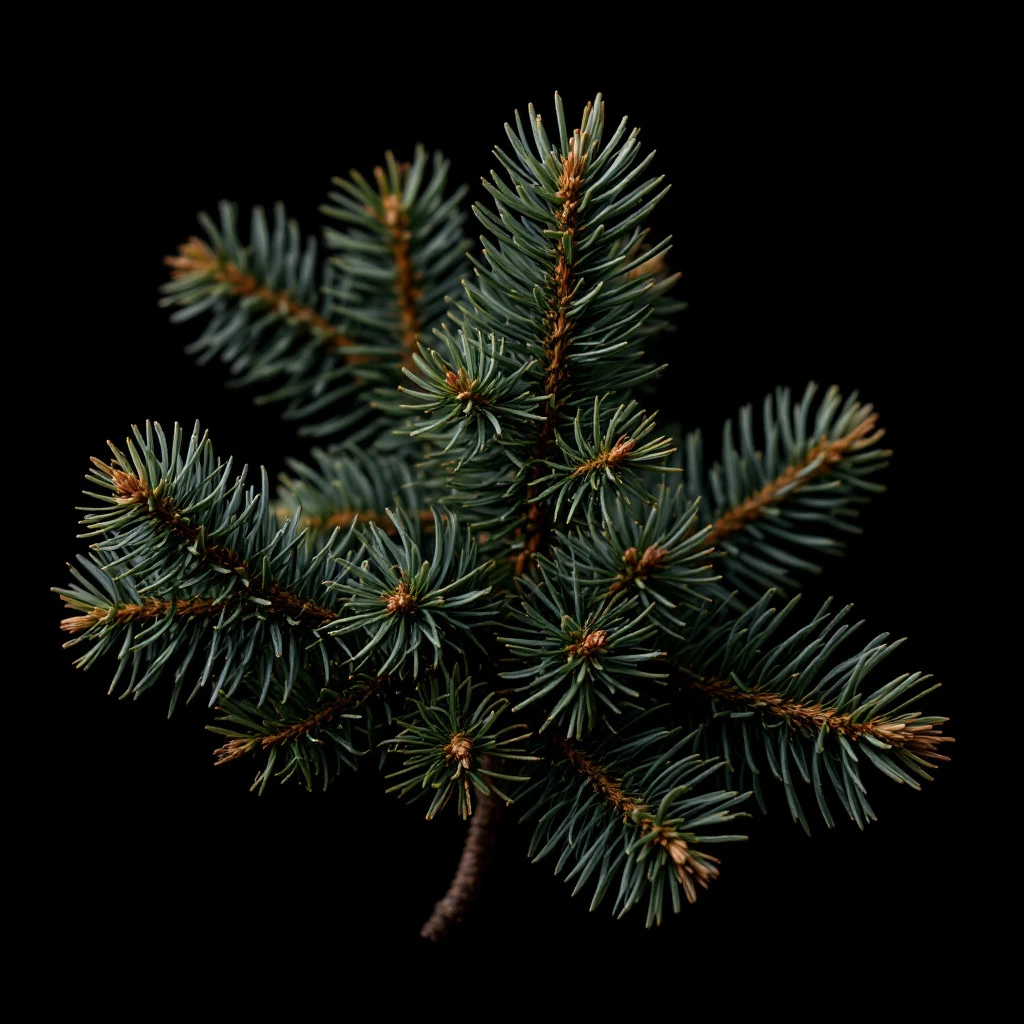
How it smells
The ancient healer whose blue tears scent modern perfumery.
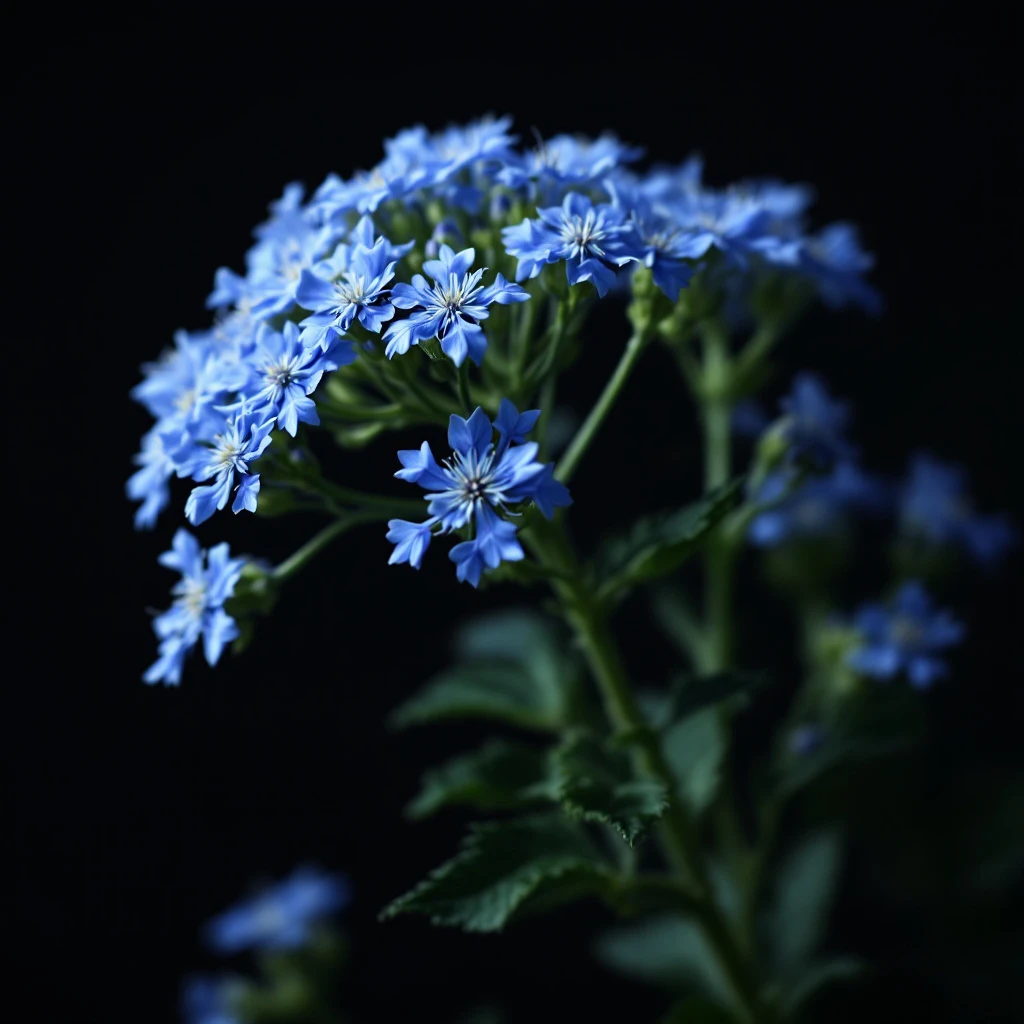
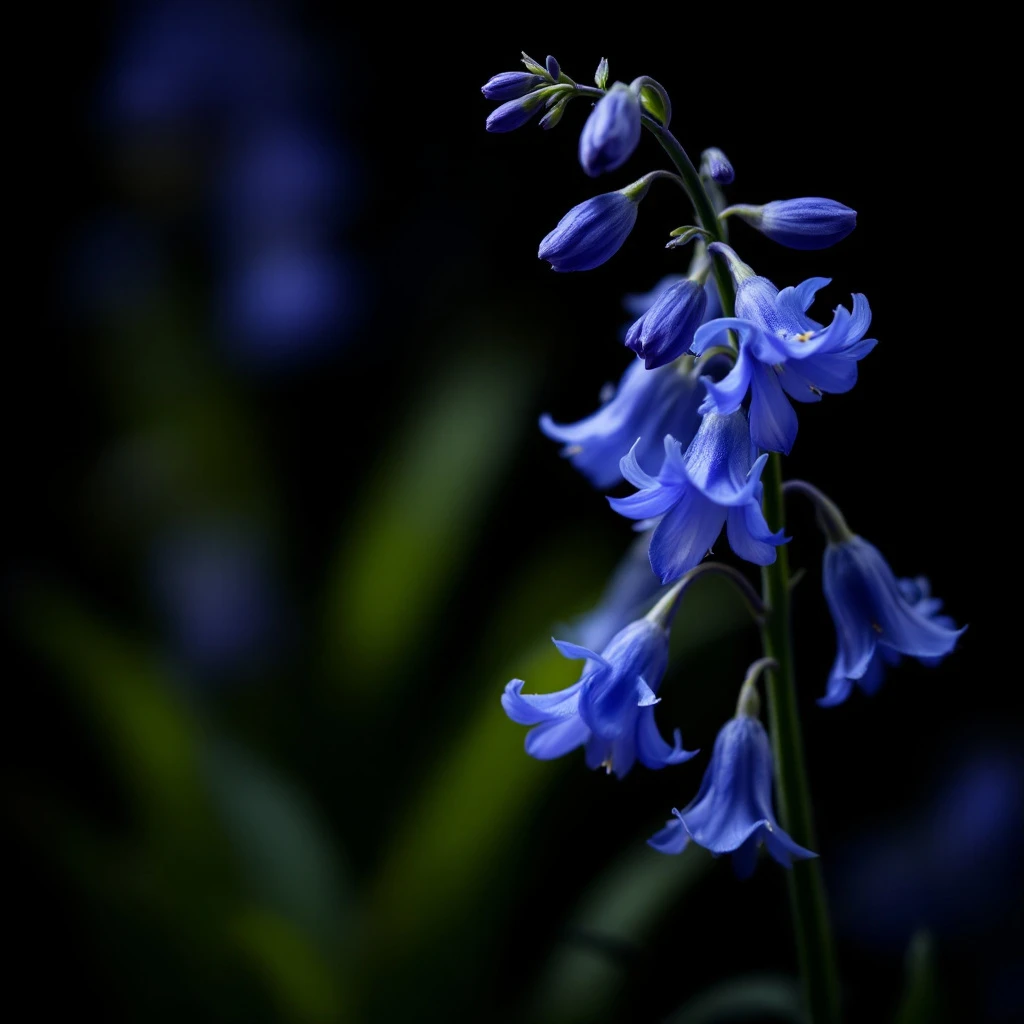
The striking blue color develops during steam distillation when matricin converts into chamazulene, a compound rarely found in nature.


Origin
Germany
Yarrow carries the botanical name Achillea millefolium, named for Achilles, the legendary Greek warrior who reportedly used the plant to treat his soldiers' wounds. This connection places yarrow among the oldest documented medicinal plants in human history. Ancient Greek and Roman physicians prescribed yarrow preparations for treating wounds, stopping bleeding, and reducing fevers.
The plant maintained its therapeutic status through the Middle Ages in European herbal traditions and earned a place in the United States Pharmacopoeia during the 19th century. Its traditional applications extended to promoting menstruation and treating respiratory conditions. The distinctive blue oil became particularly valued in aromatic medicine, where practitioners utilized its anti-inflammatory and antispasmodic properties.
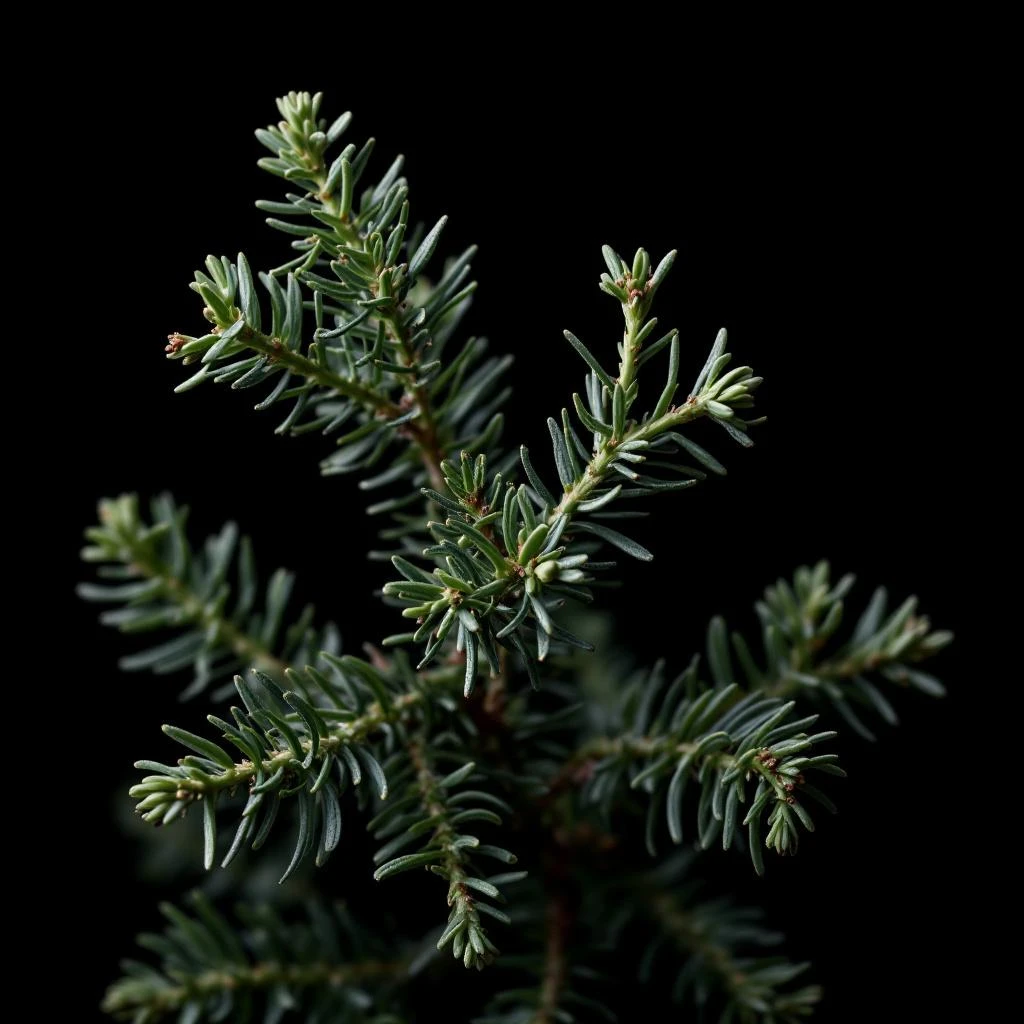
Yarrow grows wild across temperate regions of Europe, Northern Asia, and North America, thriving in meadows and grasslands where it has been gathered for centuries.
Wears it best
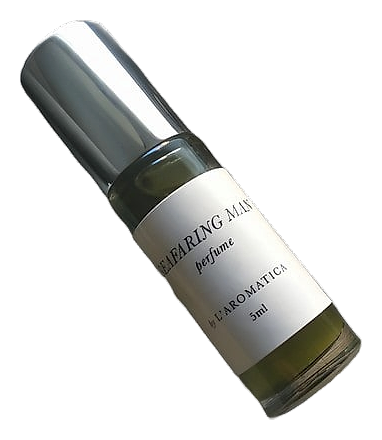
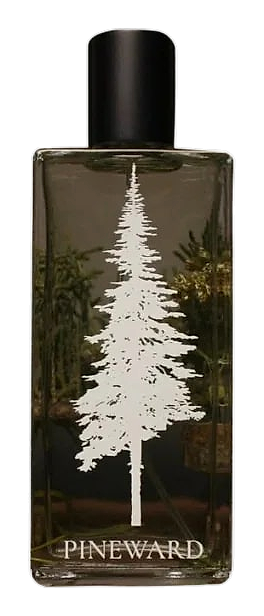
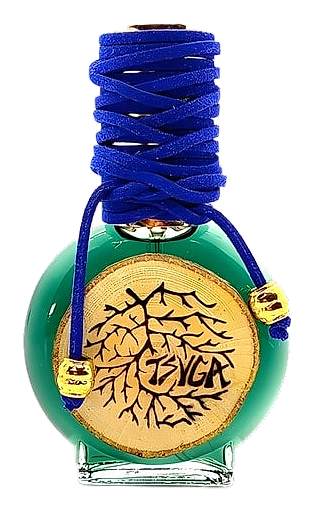
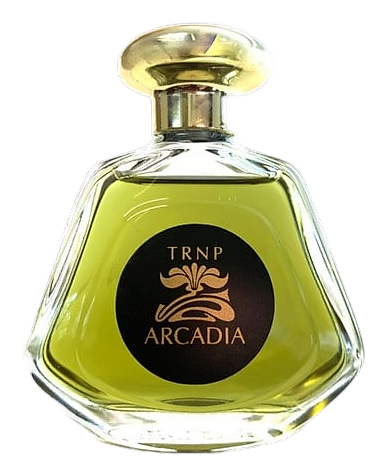
Fragrances featuring Blue Yarrow
Brands
Brands known for Blue Yarrow
Good to know
Questions, answered
The essentials on Blue Yarrow in perfumery: how it smells, where it comes from, and how it behaves on skin.
What gives Blue Yarrow its characteristic color?
The blue color comes from chamazulene, a sesquiterpene that forms during steam distillation when matricin converts through heat exposure. Chamazulene occurs rarely in nature, making this blue hue a distinctive marker of properly distilled yarrow oil.
How would you describe the scent of Blue Yarrow?
Blue Yarrow opens as a sweet, herbaceous top note with spicy undertones. The drydown reveals woody and slightly camphoraceous facets that become sweeter over time. The overall impression is fresh, green, and complex without being overpowering.
What are the traditional uses of yarrow in herbal medicine?
Yarrow has been used since ancient Greek times for wound healing, hemorrhage control, and fever reduction. The 19th-century United States Pharmacopoeia listed it for menstrual health and respiratory support. Its anti-inflammatory and antispasmodic properties made it a staple in folk medicine.
How is Blue Yarrow oil produced?
Producers obtain Blue Yarrow through steam distillation of the flowering tops and aerial plant parts. The process requires careful temperature control over several hours. The yield is relatively low, with substantial plant material yielding only a small amount of essential oil.
Where does Blue Yarrow grow natively?
Yarrow grows natively across temperate regions of Europe, Northern Asia, and North America. The plant thrives in meadows, grasslands, and disturbed soils. Its adaptability and resilience make it relatively easy to cultivate in suitable climates.
What family does the yarrow plant belong to?
Yarrow belongs to the Asteraceae family, one of the largest plant families globally. This family includes daisies, sunflowers, and chamomile. Yarrow's botanical designation is Achillea millefolium, honoring the legendary warrior Achilles.
What compounds in Blue Yarrow contribute to its therapeutic properties?
Chamazulene provides anti-inflammatory and antispasmodic effects. The oil also contains various sesquiterpenes and flavonoids that contribute to its traditional use for soothing and healing applications.
How long has yarrow been used in perfumery?
Yarrow's use in perfumery extends back centuries, though it remains a relatively rare ingredient. Its complex aromatic profile and distinctive blue color appeal to perfumers seeking unusual botanical materials. The oil works well as a bridging note between herbaceous and woody fragrance elements.