Mountain Bluebell
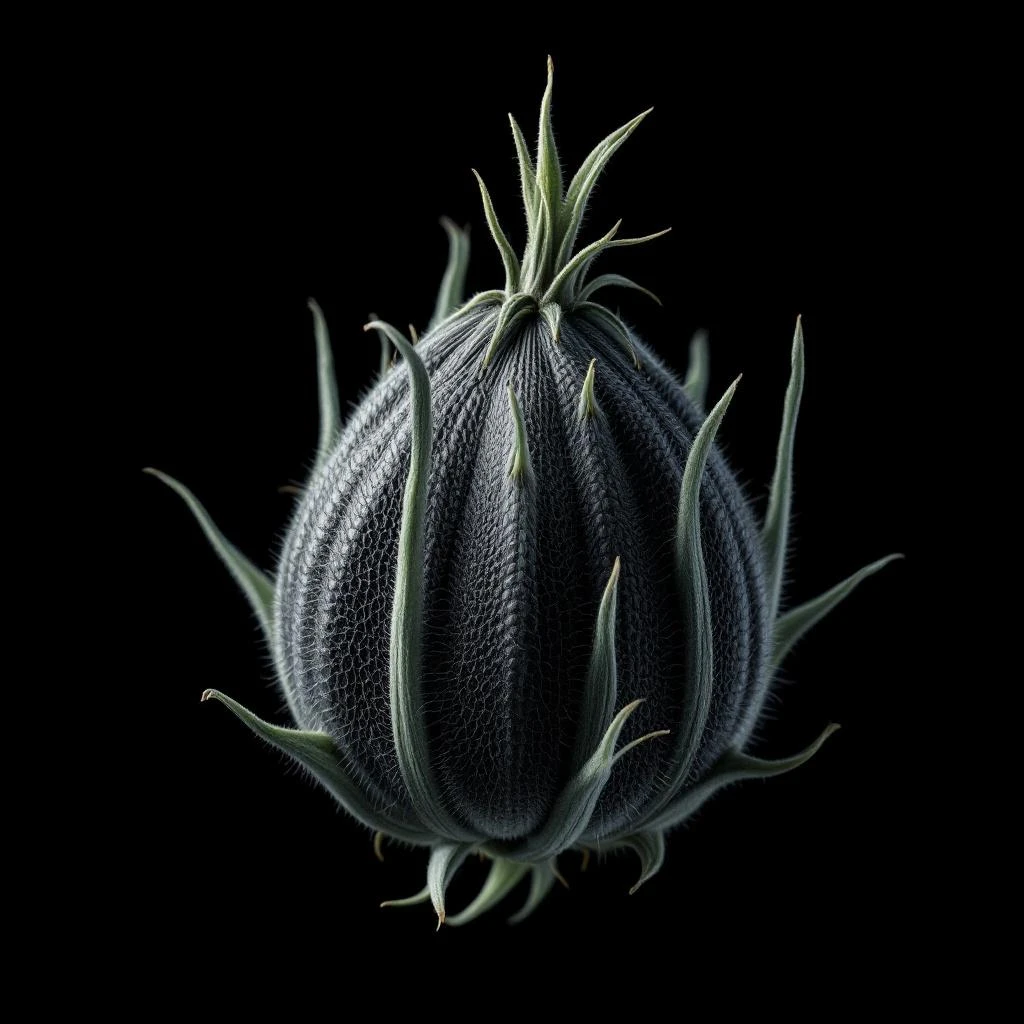
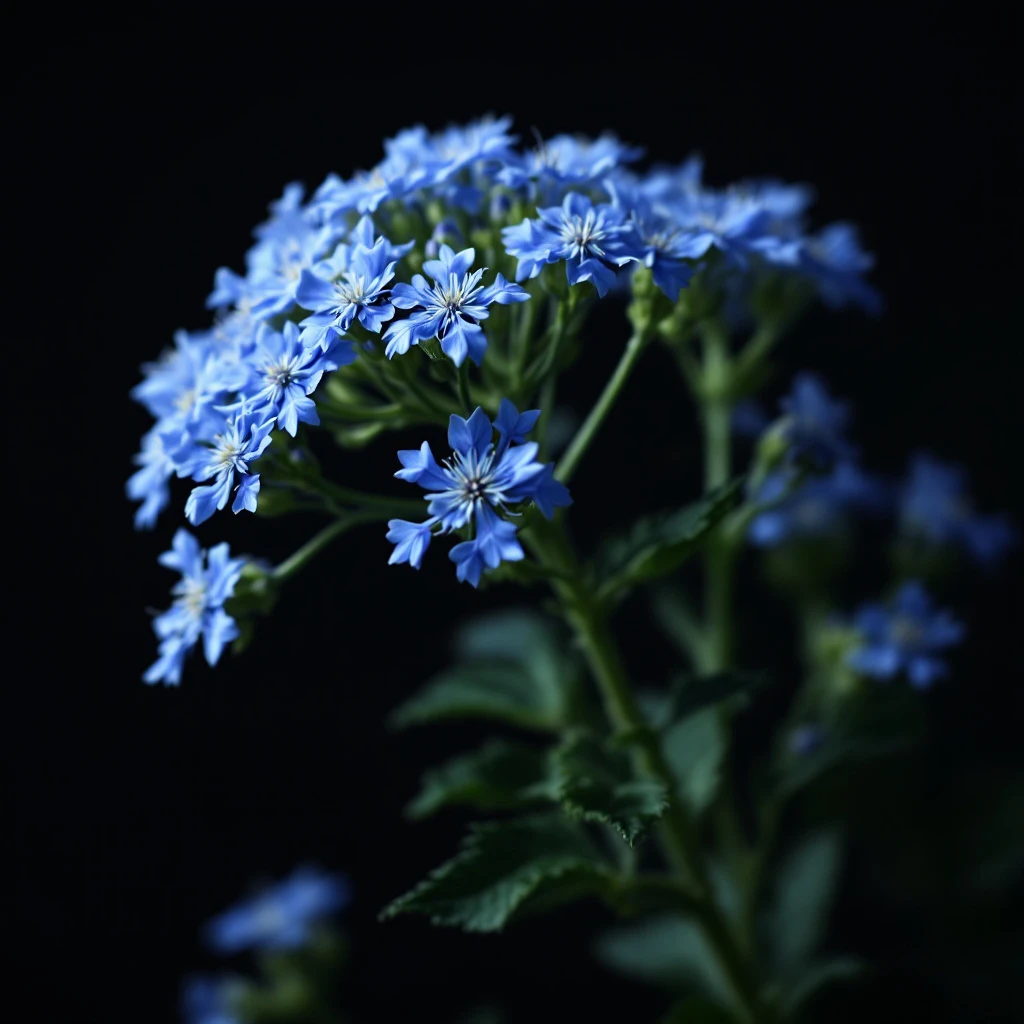
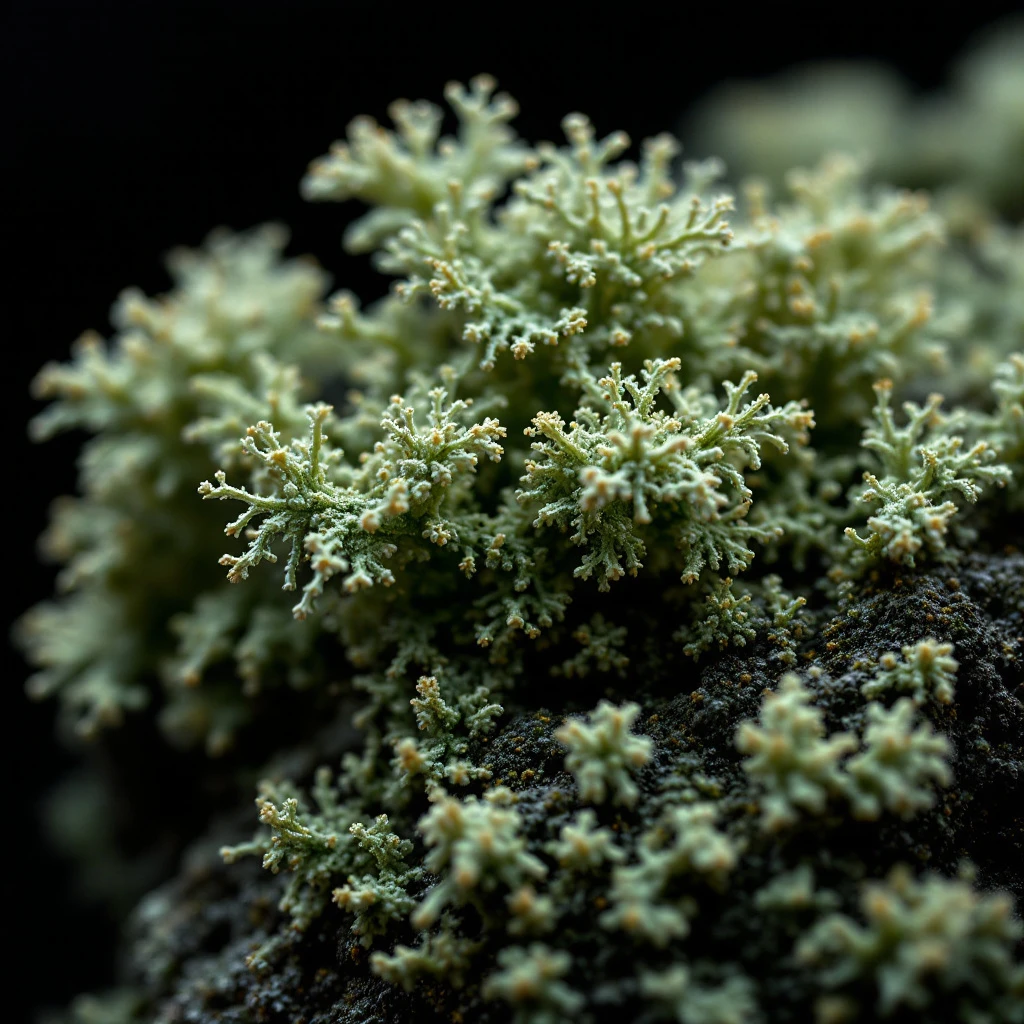
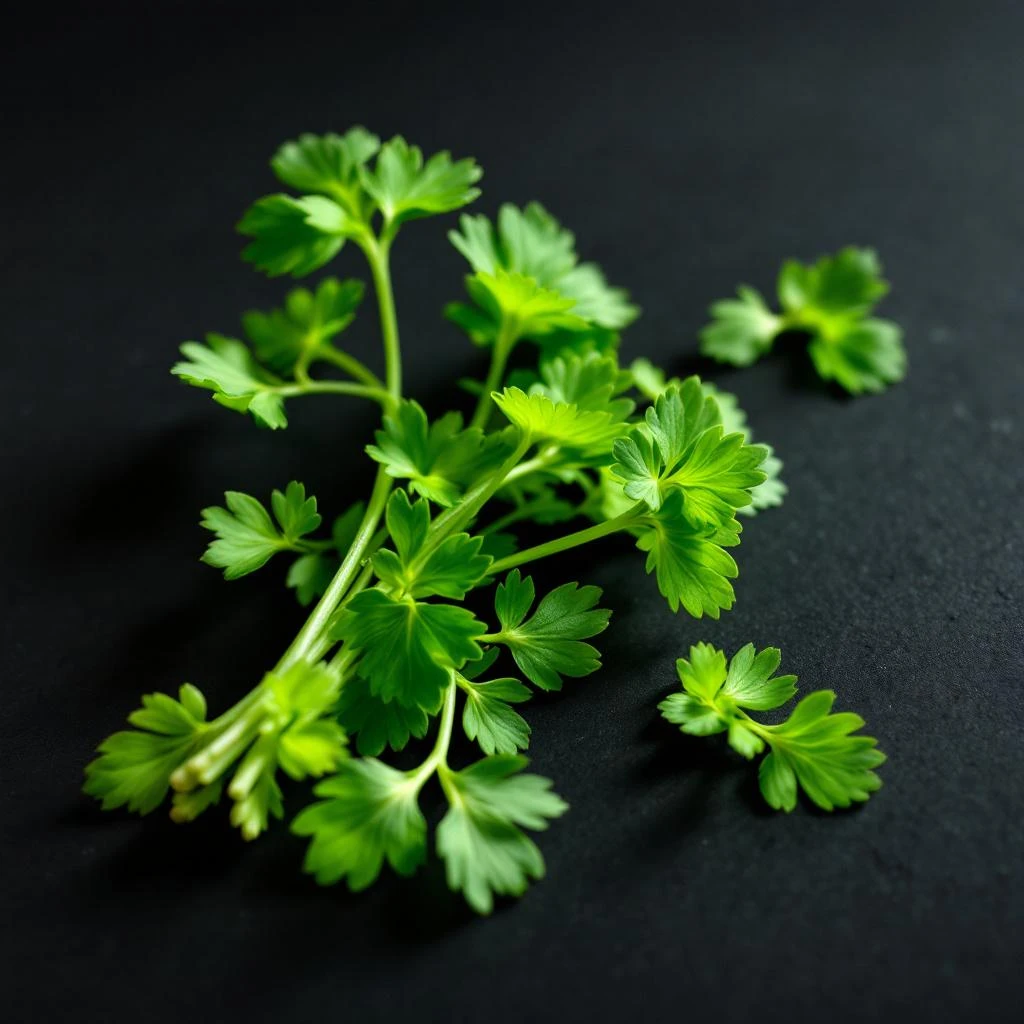
Mountain Bluebell brings a cool, dewy sweetness to compositions. This wildflower note captures the crisp character of alpine meadows, evoking early morning mist and the quiet resilience of high-elevation blooms.
Character
How it smells
Cool sweetness from alpine heights
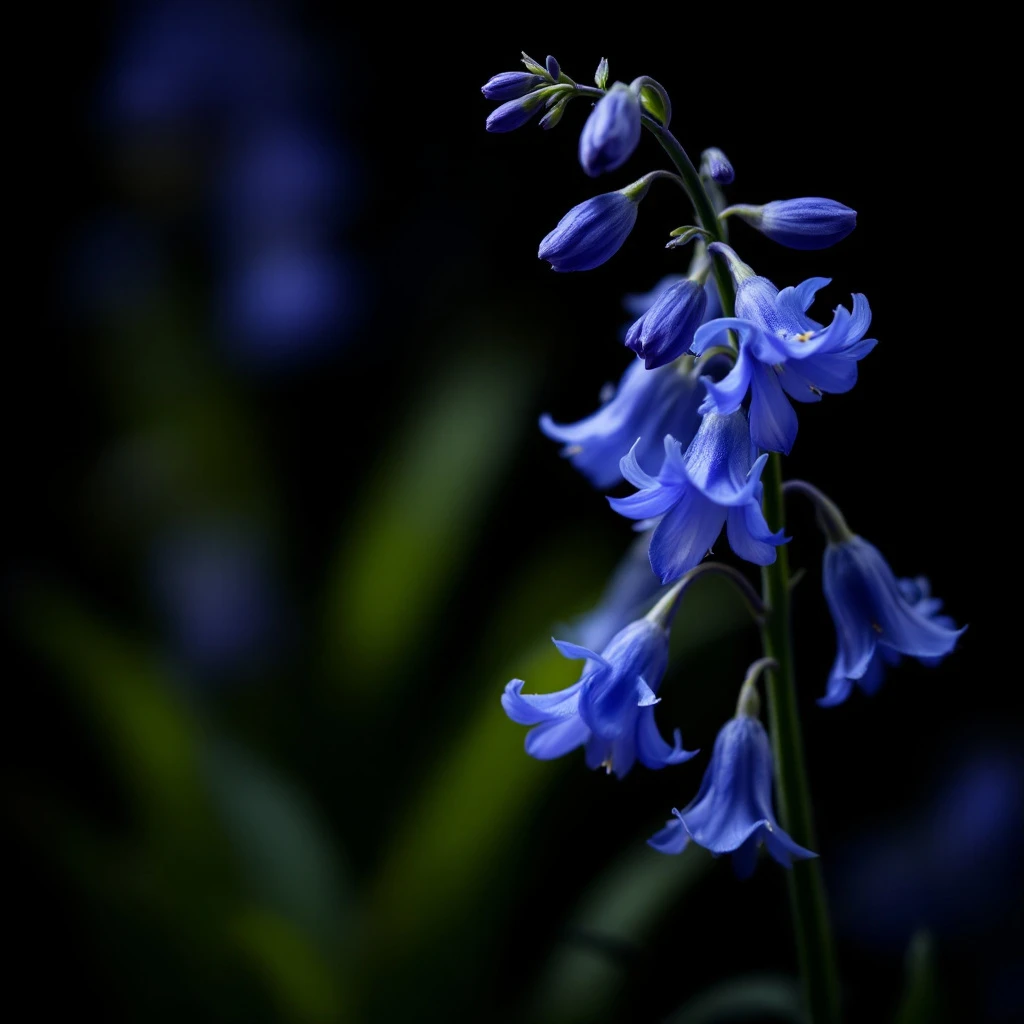
Mountain Bluebells thrive at elevations above 7,000 feet, where their roots anchor them to rocky slopes and their petals close at night to conserve warmth.
Origin
United States
Mountain Bluebell, known scientifically as Campanula, has roots in traditional folk medicine across mountainous regions of Europe and North America. Indigenous communities in the Rocky Mountains and Alpine areas used various Campanula species for respiratory ailments and as topical poultices long before the plant attracted perfumers. The flower entered Western fragrance vocabulary during the late 19th century when botanical studies revealed its subtle volatile profile.
Victorian-era gardeners prized bluebells as ornamental specimens, and their popularity spread through estate collections in Britain and France. By the early 20th century, perfumers in Grasse began experimenting with bluebell extracts for naturalistic colognes. The note experienced a revival during the 1970s green fragrance movement, when master perfumers sought to capture the scent of untouched wilderness.
Today, Mountain Bluebell appears in compositions marketed toward outdoor and nature-inspired themes, though fully natural versions remain rare due to extraction difficulties.
Wears it best
Fragrances featuring Mountain Bluebell
Brands
Brands known for Mountain Bluebell
Good to know
Questions, answered
The essentials on Mountain Bluebell in perfumery: how it smells, where it comes from, and how it behaves on skin.
What does Mountain Bluebell smell like in perfume?
Mountain Bluebell carries a cool, watery sweetness with subtle green undertones and a soft powdery finish. The note evokes fresh alpine air and morning dew rather than an intensely floral character, making it ideal for transparent, airy compositions.
Is Mountain Bluebell a natural or synthetic fragrance ingredient?
Most Mountain Bluebell notes are synthetic reconstructions because the flowers produce extremely low yields of essential oil. A few specialty houses use solvent extraction on fresh petals, but commercial natural bluebell absolute remains rare and costly.
Where does Mountain Bluebell naturally grow?
Mountain Bluebell thrives in alpine and subalpine zones across North America and Europe, commonly found in the Rocky Mountains at elevations between 7,000 and 12,000 feet.
What fragrance families feature Mountain Bluebell?
Mountain Bluebell appears most often in green and fresh floral families, particularly in compositions designed to evoke outdoor landscapes. It pairs naturally with muguet, violet leaf, and aquatic accords for a crisp, naturalistic effect.
When was Mountain Bluebell first used in perfumery?
Mountain Bluebell entered mainstream perfumery in the late 19th century following botanical studies of its volatile profile. Grasse-based perfumers experimented with the note during the early 1900s for naturalistic colognes.
Is Mountain Bluebell safe to wear on skin?
Mountain Bluebell fragrance compounds are generally considered safe for topical use when properly diluted within IFRA guidelines. The synthetic reconstructions carry no known allergen risks beyond standard fragrance material considerations.
Can Mountain Bluebell be combined with other floral notes?
Mountain Bluebell blends exceptionally well with white florals like jasmine and lily of the valley, as well as with green notes such as galbanum and fig leaf. These combinations amplify its fresh, dewy character.
Why is natural Mountain Bluebell extract difficult to produce?
The flowers yield only about 0.02 percent aromatic oil through traditional methods, making natural extraction commercially impractical for most applications. Synthetic reconstructions offer consistent quality at accessible scale.