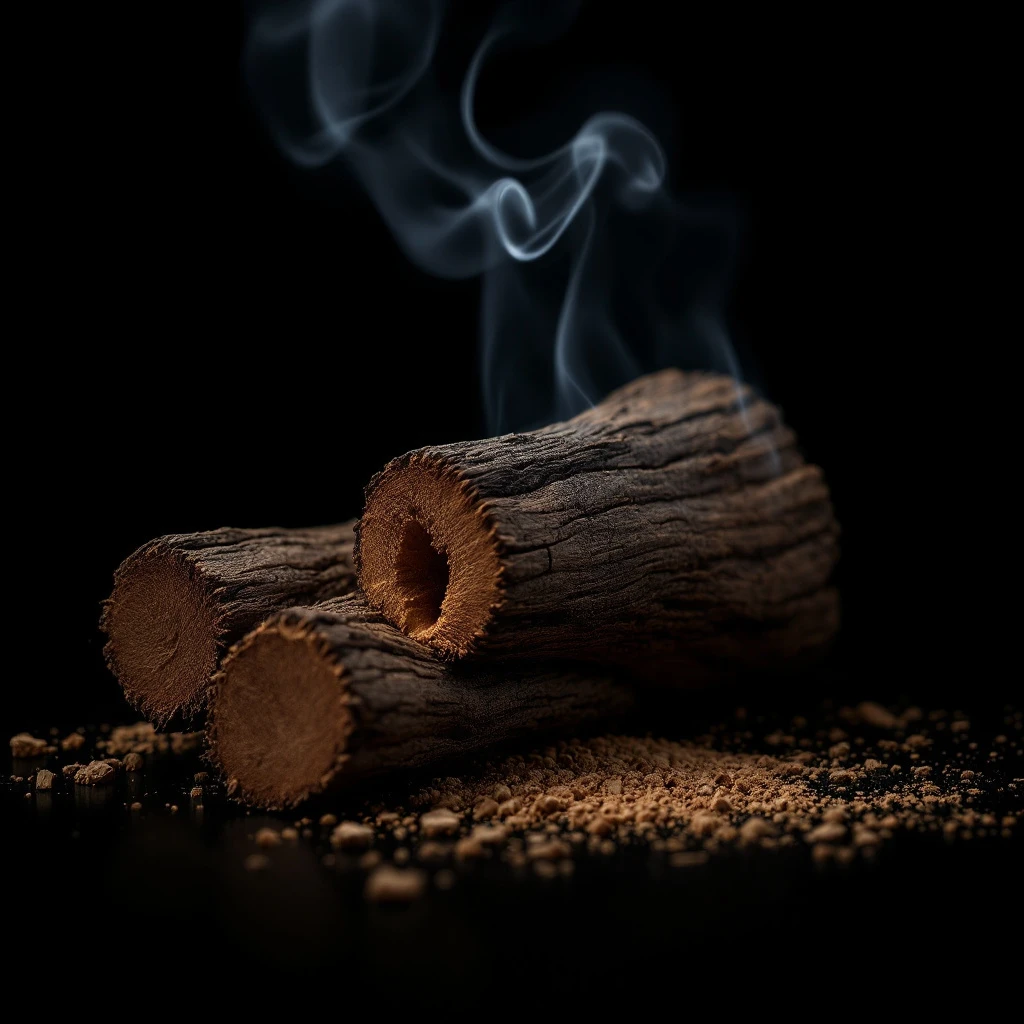
Shoe Polish
Shoe polish in perfumery evokes the rich scent of beeswax, polished leather, and wood creams once used by European leatherworkers. This warm, nostalgic accord captures the craftsmanship of well-maintained leather goods, recreating the satisfying aroma of careful preservation and timeless elegance.
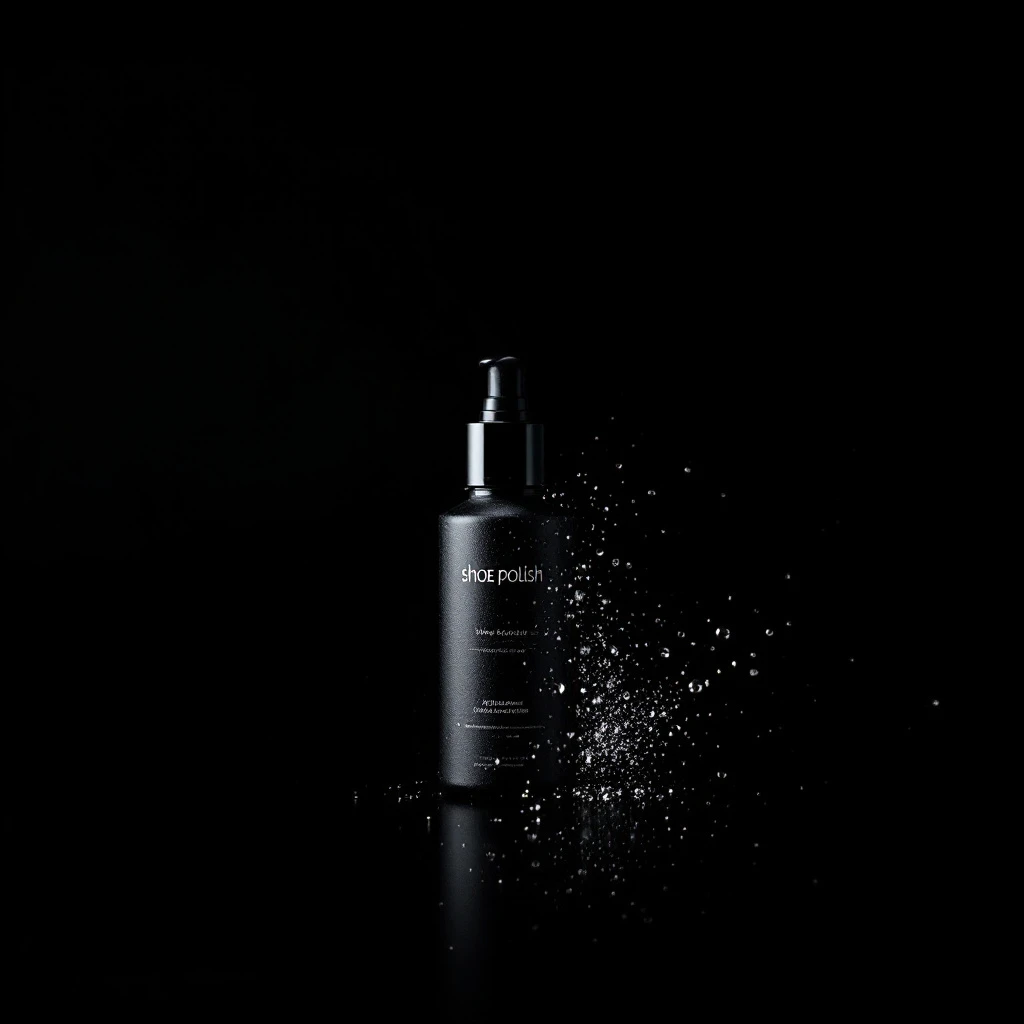
Character
How it smells
The art of preservation, captured in scent.
The same beeswax used to polish 18th-century Parisian shoes now appears in vintage-inspired masculine fragrances as a prized aromatic ingredient.







Origin
France
Shoe polish as a concept emerged from the leatherworking traditions of 18th-century France, where artisans used beeswax-based preparations to protect and beautify footwear. Early formulations combined animal fats with natural waxes, creating the distinctive waxy sheen that became associated with well-dressed gentlemen. By the late 1800s, commercial polish production had spread across Europe and North America, standardizing the beeswax-carnauba-turpentine mixture familiar today.
Perfumers began incorporating this evocative scent into fragrances in the mid-20th century, recognizing its ability to convey heritage, craftsmanship, and meticulous self-care. The note gained particular prominence in masculine fragrances seeking to capture the atmosphere of traditional gentleman's grooming.
Wears it best
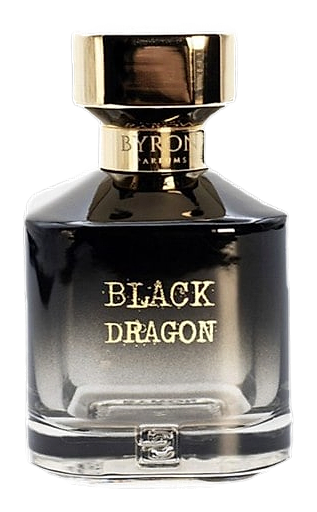
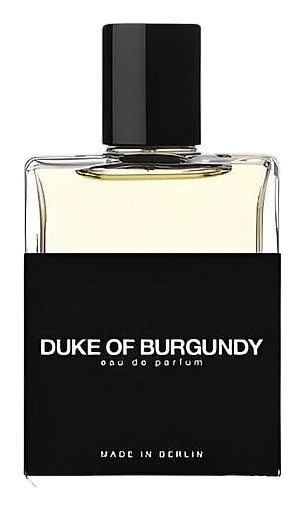
Fragrances featuring Shoe Polish

Brands
Brands known for Shoe Polish
Good to know
Questions, answered
The essentials on Shoe Polish in perfumery: how it smells, where it comes from, and how it behaves on skin.
What does shoe polish smell like as a fragrance note?
Shoe polish accord smells like warm beeswax, polished leather, and subtle wood cream. It combines waxy, leathery, and slightly sweet characteristics to evoke the sensation of well-maintained leather goods.
Is shoe polish a natural or synthetic ingredient?
Shoe polish is primarily a synthetic accord. Perfumers combine aromatic chemicals, natural wax extracts, and trace compounds to recreate the characteristic beeswax-leather aroma without using actual shoe polish.
Which fragrances feature shoe polish notes?
Shoe polish notes appear in vintage-style masculine fragrances and leather-focused compositions. The note adds warmth and authenticity to woody-leather fragrance constructions.
How does shoe polish differ from leather notes?
Leather notes focus on animal hide and tannery associations, while shoe polish emphasizes the waxy, beeswax character of treated leather surfaces. The distinction lies in waxiness versus raw hide qualities.
What emotions does shoe polish evoke?
Shoe polish conjures feelings of craftsmanship, heritage, and meticulous self-care. The scent carries nostalgic associations with traditional grooming and attention to detail.
When did shoe polish enter perfumery?
Perfumers began incorporating shoe polish scents in the mid-20th century, drawing inspiration from the leatherworking traditions of 18th-century France where beeswax preparations first became common.
What notes pair well with shoe polish?
Shoe polish harmonizes with leather, sandalwood, benzoin, vanilla, and smoky vetiver. These combinations create rich masculine compositions with vintage character.
Can shoe polish be found in niche fragrances?
Niche perfumers increasingly use shoe polish accords to create distinctive masculine fragrances. The note appeals to those seeking unconventional aromatic storytelling.