Sea lily
Sea lily brings coastal freshness to perfumery—a maritime interpretation of the classic white lily that merges saline air with lush floral sweetness. This note captures the moment ocean breezes carry through sun-drenched gardens.
Character
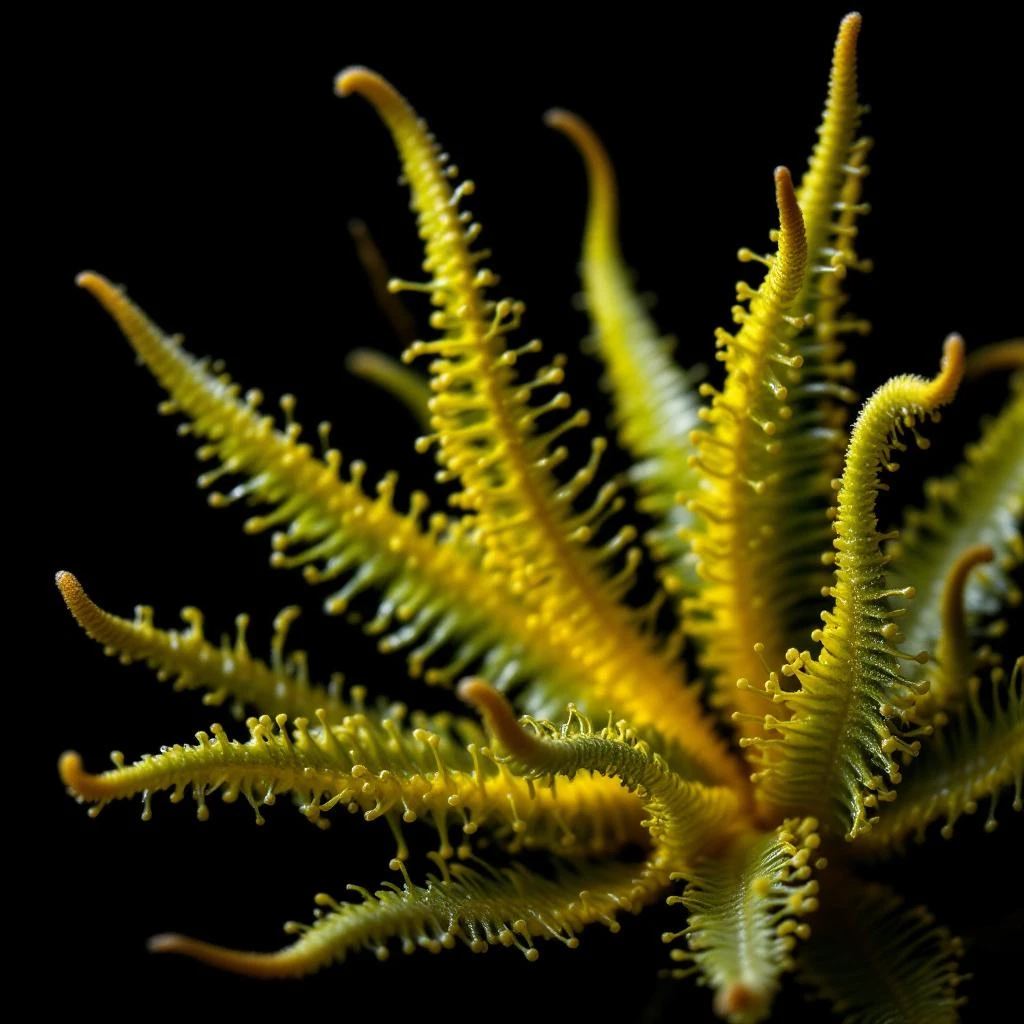
How it smells
Where ocean spray meets garden blooms.
Natural lily extraction exceeds $15,000 per kilogram due to low yield and instability, making synthetic accords the industry standard.






Origin
Greece
The lily carries millennia of history in perfumery. Ancient Egyptians imported lily ingredients from regional traders during Ptolemaic times, incorporating them into sacred oils and cosmetics.
The oldest known perfumery, discovered in Cyprus during excavations in 2004-2005, confirms that Mediterranean civilizations mastered fragrance production over 4,000 years ago. Sea lily as a concept likely emerged from observing how coastal gardens produce lilies with distinct aromatic qualities—shaped by salt air, humid soil, and maritime microclimates.
While the ancient world lacked our chemical vocabulary, perfumers understood that proximity to the sea changed how lilies smelled. Today, synthetic sea lily accords honor that ancient observation using modern chemistry, recreating a botanical phenomenon the ancients prized but could never fully capture.
Wears it best
Fragrances featuring Sea lily
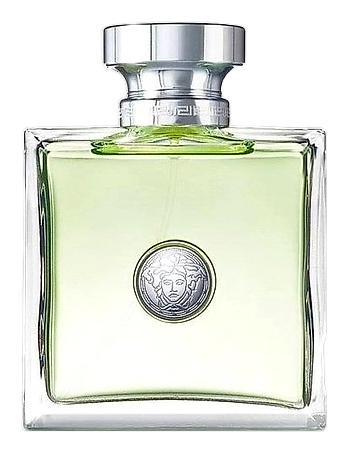
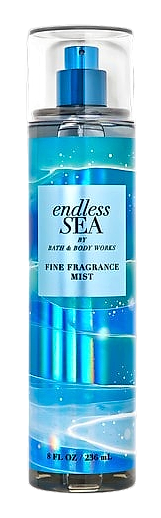
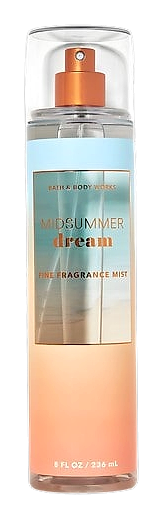
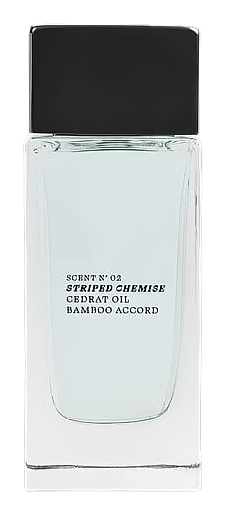
Brands
Brands known for Sea lily
Good to know
Questions, answered
The essentials on Sea lily in perfumery: how it smells, where it comes from, and how it behaves on skin.
What does sea lily smell like?
Sea lily presents as a fresh, clean white floral with aquatic undertones—it reads like white lilies planted near the coast, capturing both the lush petal sweetness and a subtle saline edge that gives it unusual dimension.
Is sea lily a natural or synthetic ingredient?
Sea lily typically functions as a synthetic accord in perfumery. Natural lily absolute exceeds $15,000 per kilogram due to yield constraints and instability, making reconstruction the practical choice for most fragrance houses.
What molecules create the sea lily effect?
Perfumers combine aldehydes for airy lift, lilial or similar white flower materials for petal character, and marine notes like calone to suggest the coastal environment where this note takes inspiration.
Which fragrances feature sea lily as a primary note?
Many contemporary aquatic and white floral fragrances incorporate sea lily accords, particularly in summer and coastal-inspired lines where the salty-floral combination defines the scent concept.
How does sea lily differ from regular white lily?
Standard white lily reads as pure floral sweetness with slight green and powdery facets. Sea lily adds an aquatic dimension—the impression of humid coastal air, salt, and mineral freshness that grounds the florals in a specific place.
What season or mood does sea lily evoke?
Sea lily works best for spring and summer wear, particularly occasions evoking coastal settings—beach days, yacht clubs, seaside gardens at golden hour when humidity rises and flowers release their scent.
Does sea lily pair well with other notes?
Sea lily combines naturally with marine, aquatic, and green notes. It also complements citrus, white musks, and other white florals like jasmine and gardenia, creating layered coastal bouquets.
Why did the fragrance industry develop sea lily accords?
The ancient Greeks imported lily ingredients from Egypt during Ptolemaic times, but natural extraction remained unstable and expensive. Biotech advances over the past 60 years enabled perfumers to finally recreate this coveted coastal lily effect consistently.




