Prickly Pear
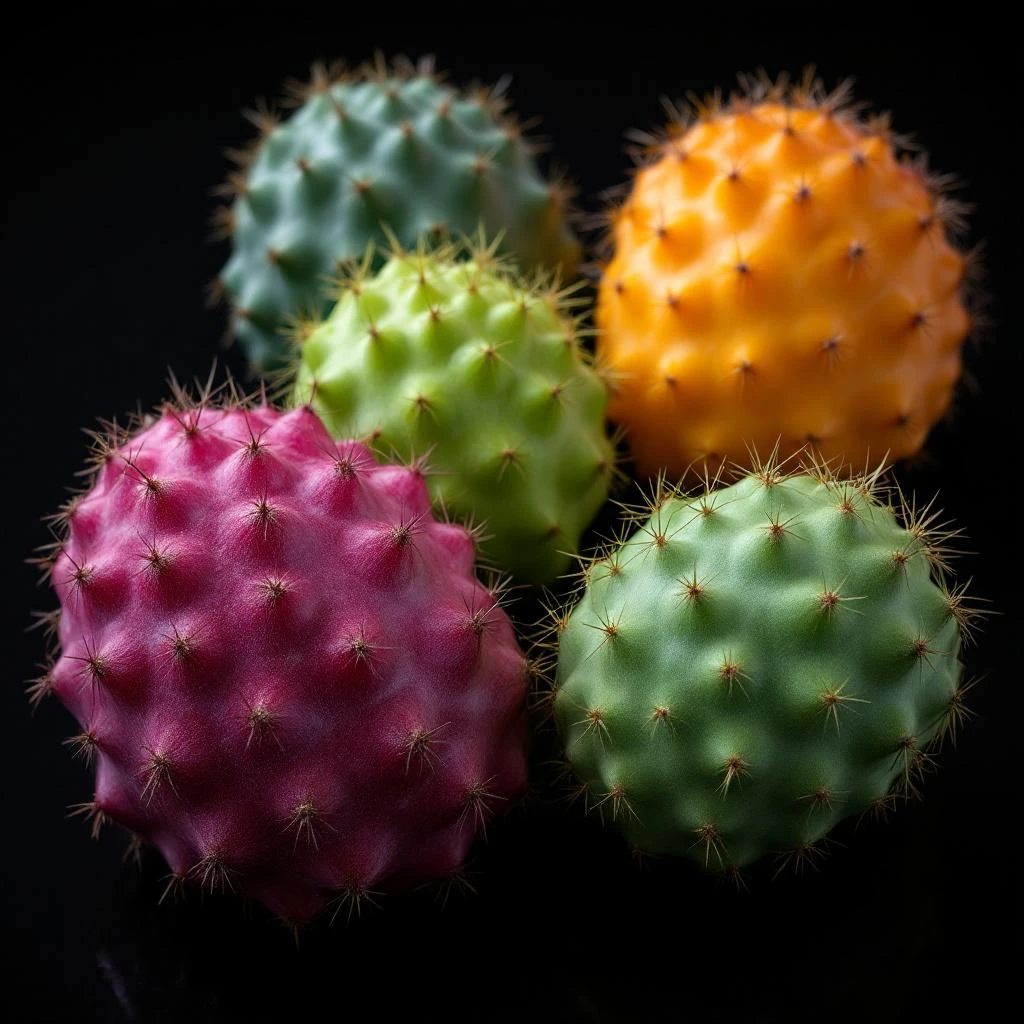
Desert cactus fruit with a vivid pink hue and a subtly sweet, watery scent. Prickly pear brings an unexpected, succulent freshness to fragrance compositions, evoking arid landscapes and cool, juicy pulp under a fierce sun.
Character
How it smells
The desert's hidden bloom.
The prickly pear was deliberately spread worldwide by colonial powers to support a cochineal dye industry. The crimson pigment from the insect that feeds on this cactus was once more valuable than gold.









Origin
Mexico
Indigenous to Mexico, the prickly pear shaped Aztec civilization for centuries. The Aztecs incorporated it into food, medicine, and architecture before Spanish colonizers arrived.
Colonial powers then spread the cactus deliberately across warm climates worldwide to establish cochineal industries. The crimson-producing insect that feeds on cactus pads yielded a dye once worth more than gold.
Morocco now cultivates extensive prickly pear crops, transforming the plant into an essential cosmetic and perfumery ingredient. The Sonoran Desert still erupts with wild harvests each summer monsoon, and the plant naturalized across Mediterranean regions, proving remarkably adaptable.
Wears it best
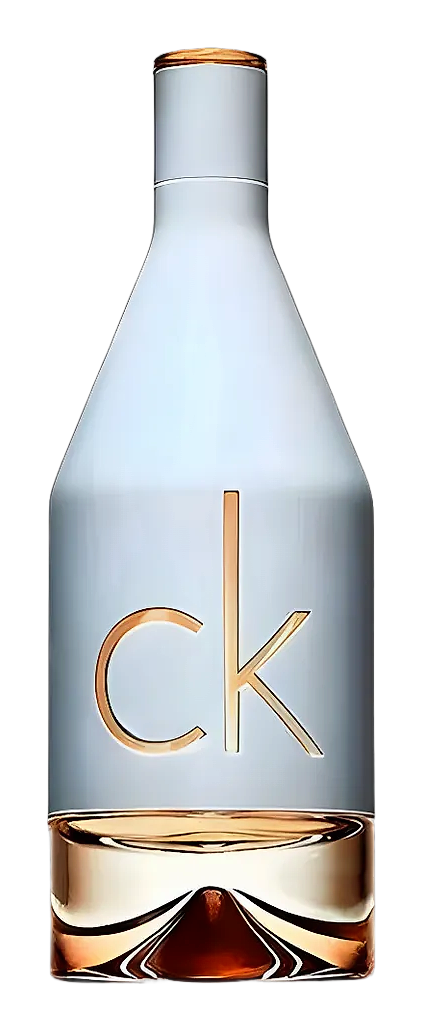
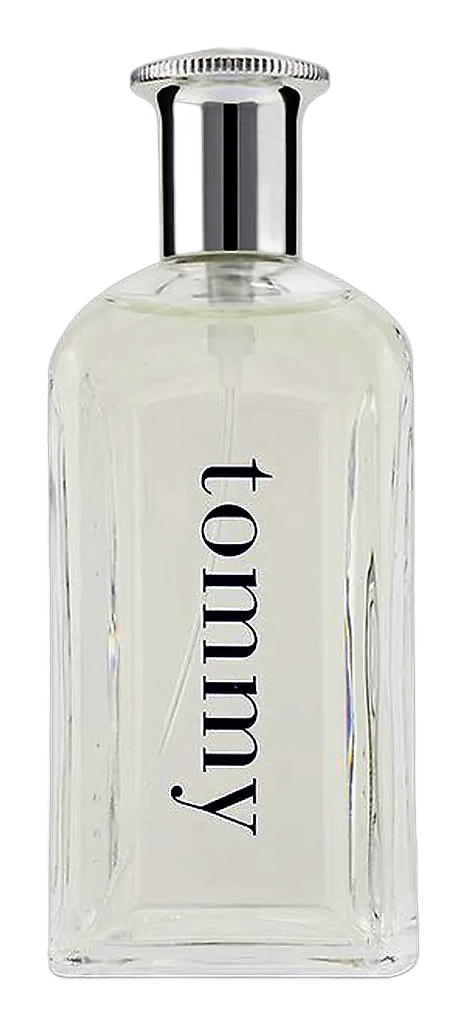
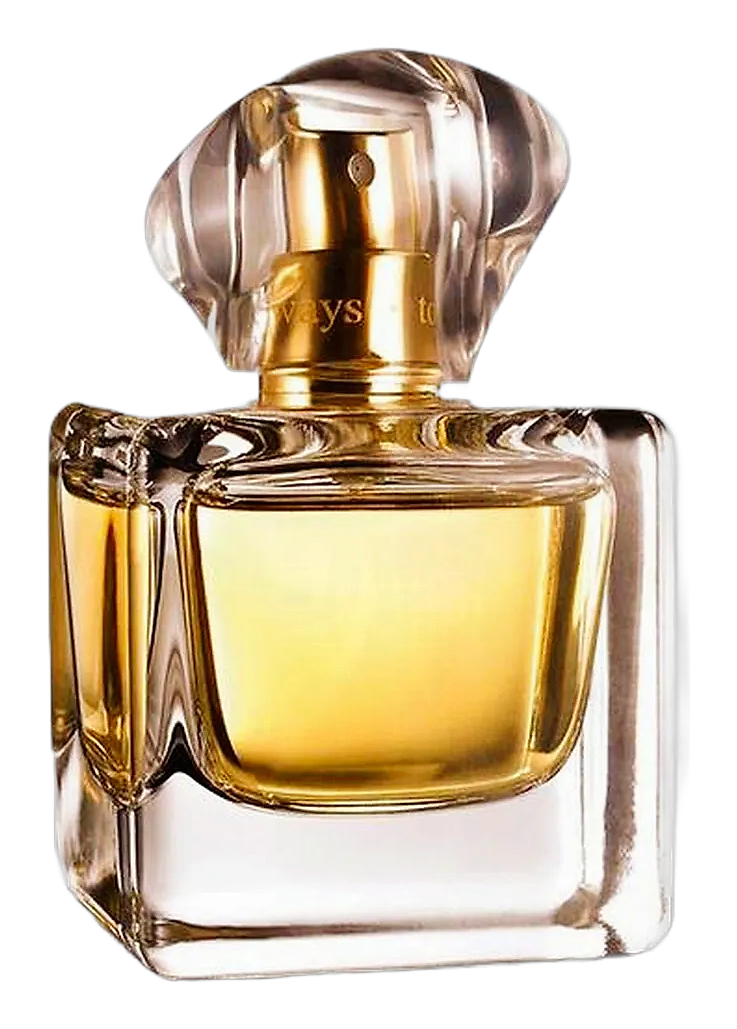
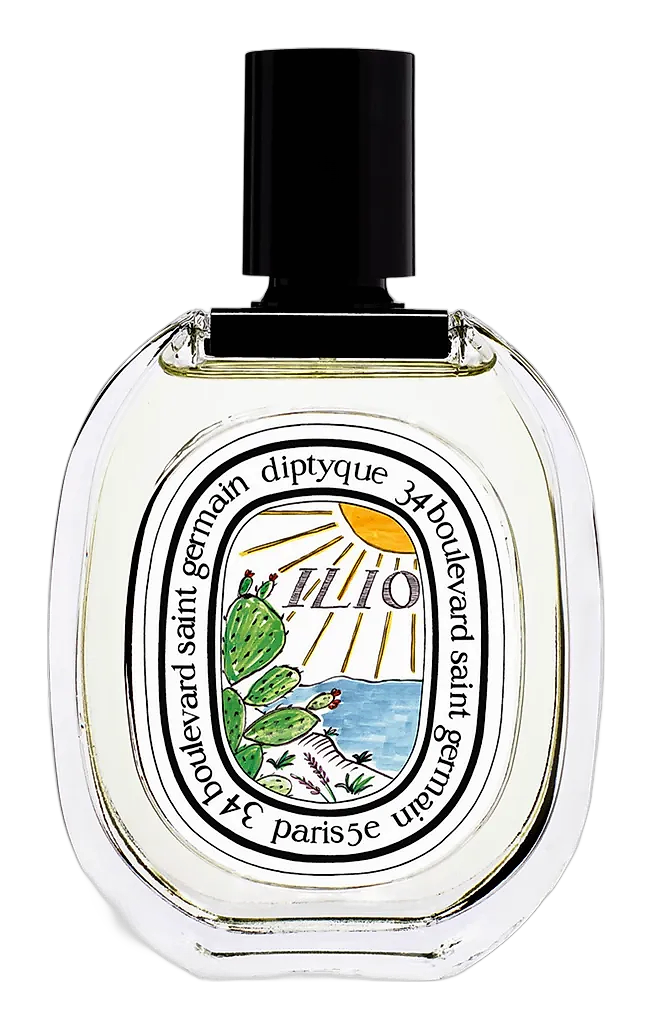
Fragrances featuring Prickly Pear
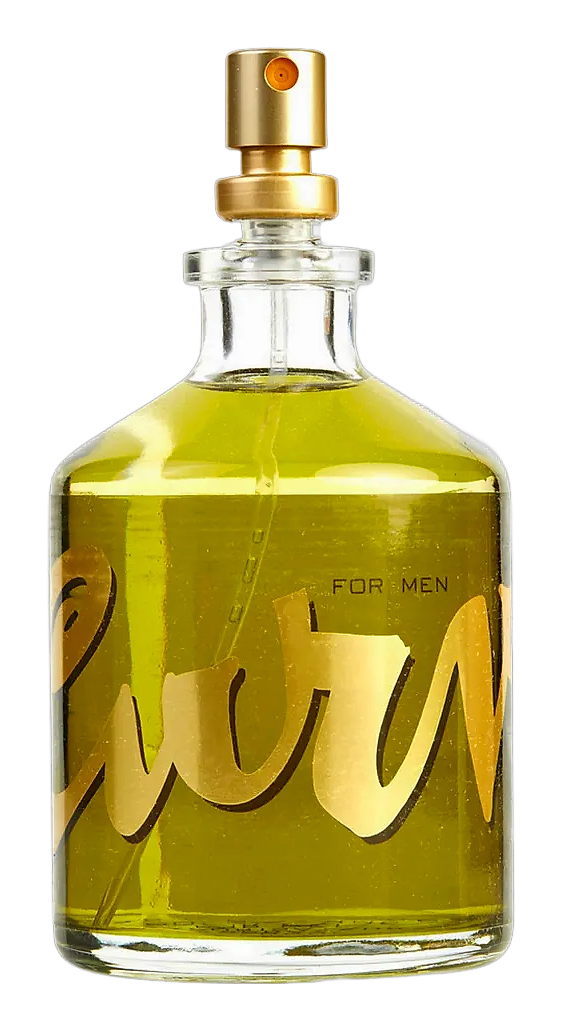
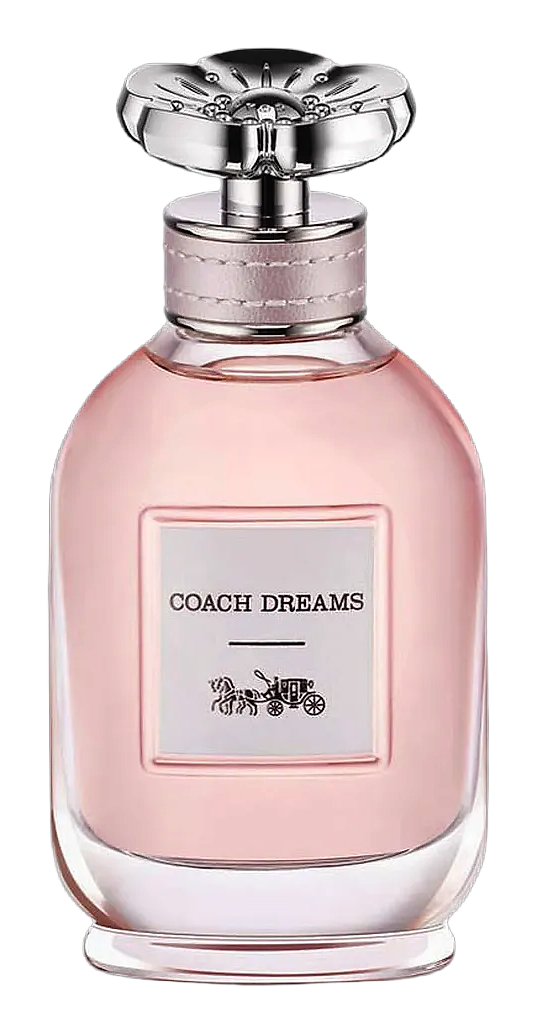
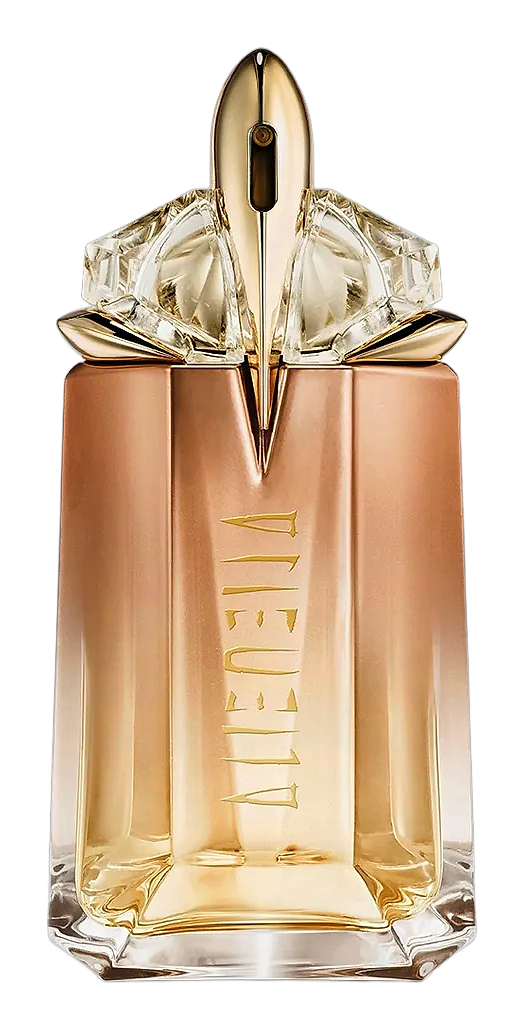
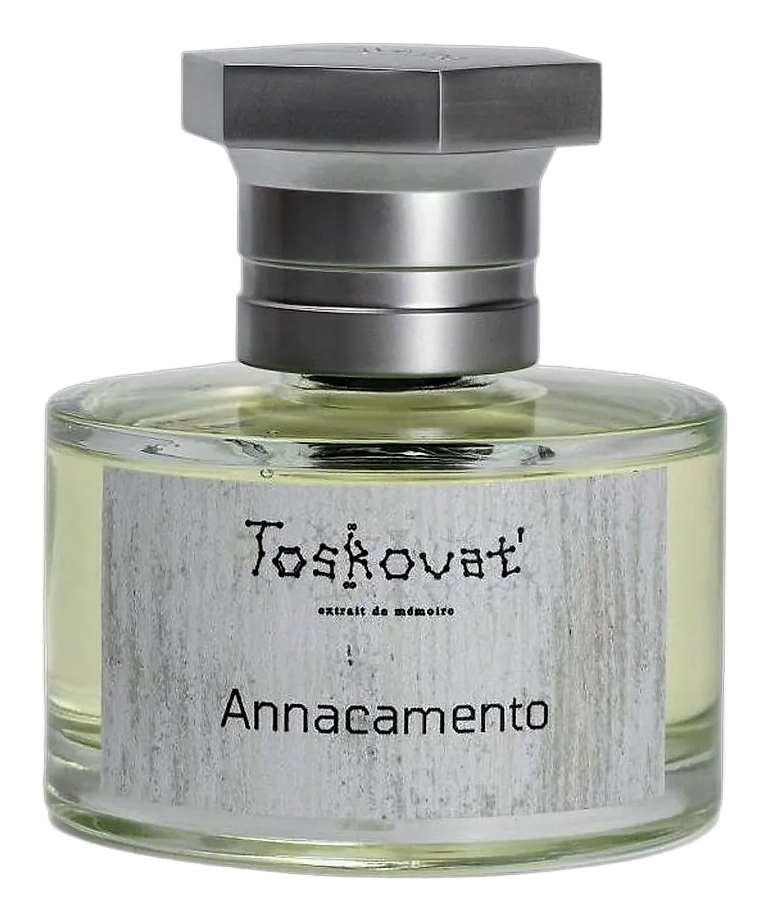
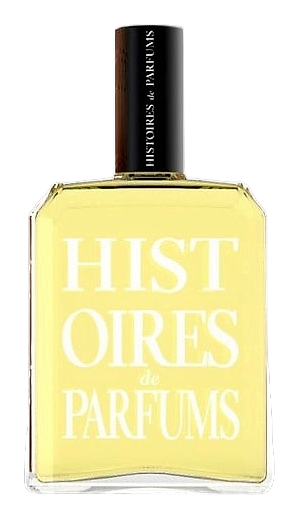
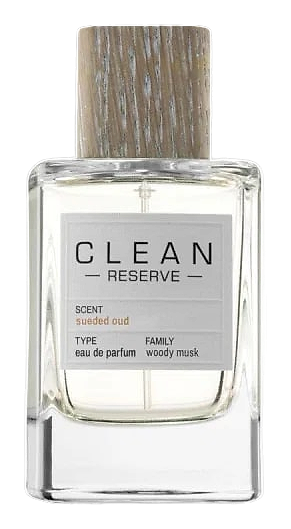
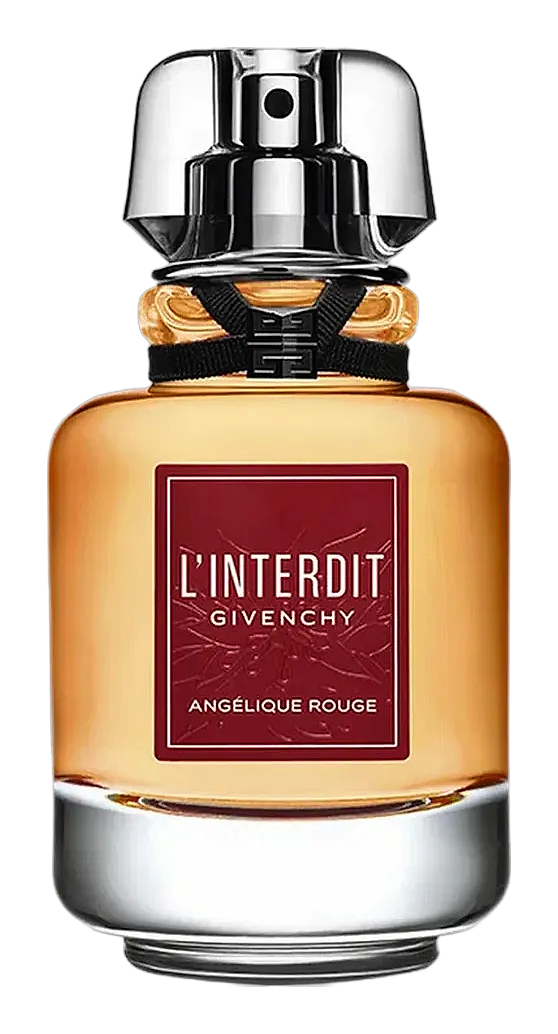
Brands
Brands known for Prickly Pear
Good to know
Questions, answered
The essentials on Prickly Pear in perfumery: how it smells, where it comes from, and how it behaves on skin.
What does prickly pear smell like in perfume?
It delivers fresh, subtly sweet, watery notes with green and mildly citrus-like qualities that brighten fragrance compositions.
Is prickly pear natural or synthetic in fragrance?
Natural. It comes from Opuntia ficus-indica cactus, though aroma molecules may be synthetically replicated for standardization.
Where does prickly pear for perfumery come from?
Mexico is the origin, but Morocco now leads production. Provenance influences the 21 volatile compounds that fingerprint geographic origin.
What parts of the cactus are used?
The fruit pulp yields juice for cactus water. Seeds are cold-pressed separately to produce the seed oil variant.
How is prickly pear extracted for fragrance?
Mechanical juice extraction from ripe fruits, followed by filtration. Seeds undergo cold-pressing to produce the seed oil.
Is prickly pear safe for skin in fragrances?
Generally safe. The raw fruit carries glochids, tiny spines requiring careful handling during harvest but absent in refined extracts.
What distinguishes cactus water from prickly pear seed oil?
Cactus water comes from fruit juice and carries pink pigments. Seed oil is cold-pressed from seeds and used for its fatty acid profile.
How common is prickly pear in commercial fragrances?
Moderately common in niche and natural-themed lines. Its fresh, watery profile suits summer and gender-neutral fragrances.