Roasted Praline
Roasted praline brings the warm, caramelized richness of slow-cooked sugar and toasted nuts into fragrance compositions. This gourmand accord captures the moment when hazelnuts or almonds meet bubbling caramel, producing a deep, buttery sweetness with toasted, almost coffee-like undertones.
Character
How it smells
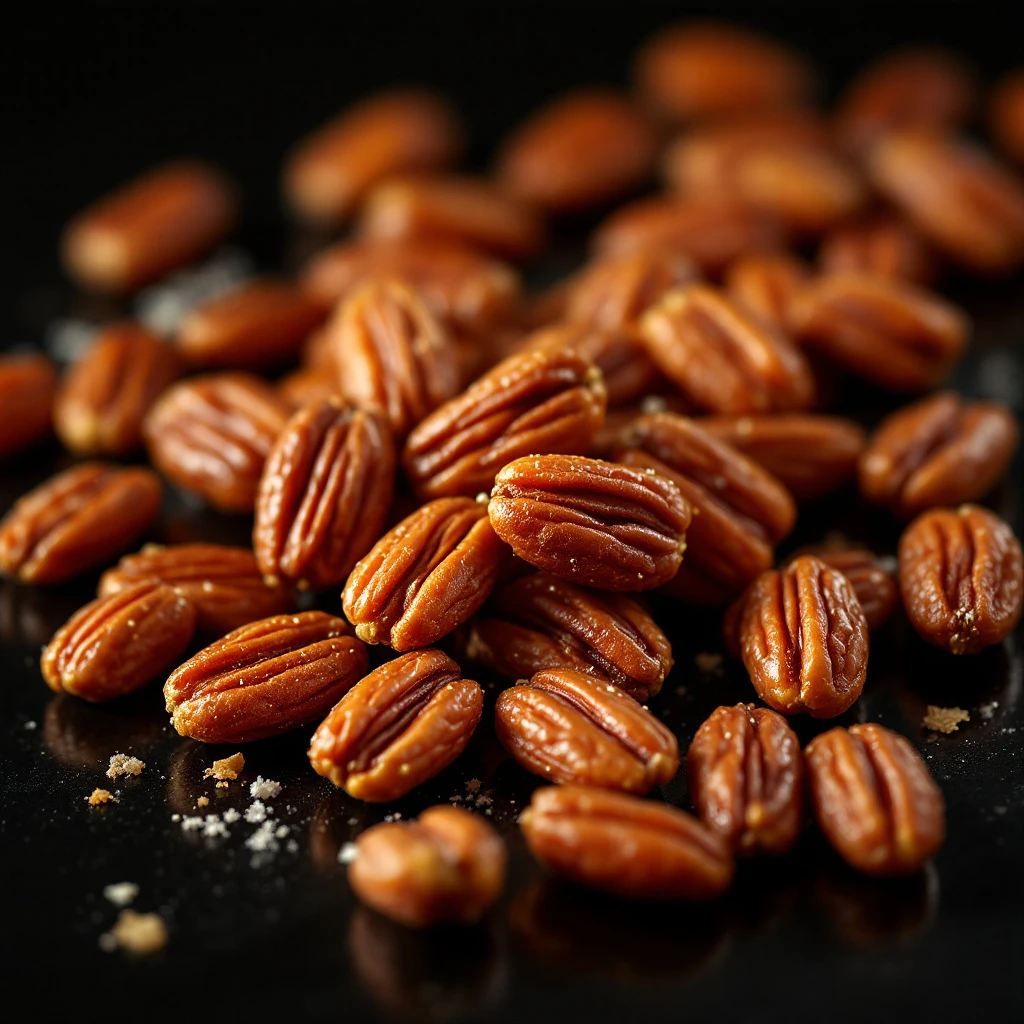
Caramelized sugar meets toasted nuts in liquid form.
The praline accord entered mainstream perfumery in 1992 with Thierry Mugler's Angel, which helped define the entire gourmand fragrance category.




Origin
France
The praline confection has roots stretching back to 17th-century France, where Chef Clement Lassagne, personal cook to César, Duke of Choiseul, reportedly invented the original sugar-and-almond candy in the 1630s. The name evolved from the French word "prasline," referring to the almonds themselves. By the mid-1800s, praline had spread through France and Belgium, with regional variations emerging: French pralines favored almonds, while Belgian versions (Praline belge) became famous for filled chocolate shells.
The translation of this confection into fragrance happened relatively recently. In 1992, Thierry Mugler launched Angel, a composition that introduced the praline accord to perfumery. The accord was developed by perfumers Olivier Cresp and Yves de Chirin, who used synthetic caramel and roasted nut molecules to recreate the confection's scent.
Angel's success sparked an entire gourmand movement, inspiring fragrances from Nina Ricci, Aquolina, and many others. Before 1992, gourmands were virtually nonexistent in fine fragrance. Today, roasted praline remains a cornerstone of the gourmand category, appearing in hundreds of compositions across price points.
Wears it best
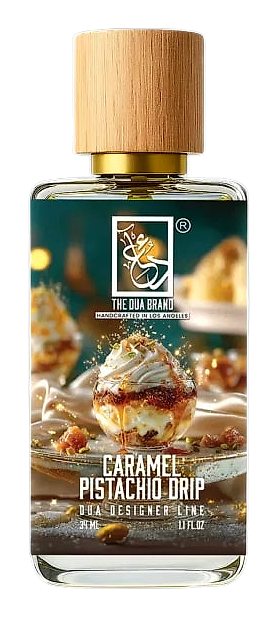
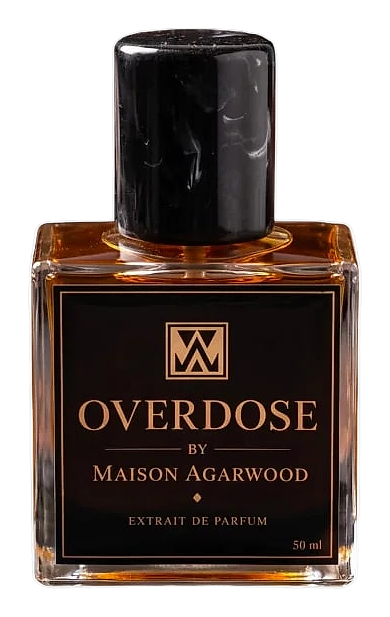
Fragrances featuring Roasted Praline
Brands
Brands known for Roasted Praline
Good to know
Questions, answered
The essentials on Roasted Praline in perfumery: how it smells, where it comes from, and how it behaves on skin.
What does roasted praline smell like in perfume?
Roasted praline smells like warm caramelized sugar mixed with toasted hazelnuts or almonds. It carries buttery, slightly burnt sweetness with subtle coffee-like undertones. The accord is rich and edible-smelling, often described as the most realistic confection note in modern perfumery.
Is roasted praline a natural ingredient?
No, roasted praline is almost always a synthetic accord built from aroma molecules like Furaneol and pyrazines. Occasionally, perfumers add CO₂-extracted roasted hazelnut for authenticity. Pure natural praline extract does not exist in commercial fragrance production.
What was the first perfume to use roasted praline?
Thierry Mugler's Angel (1992) was the first major fragrance built around the praline accord. Created by perfumers Olivier Cresp and Yves de Chirin, it essentially launched the gourmand category and inspired a wave of sweet, confection-inspired fragrances throughout the 1990s.
How is the roasted praline accord made?
The accord combines ethyl maltol and Furaneol (caramelized sugar notes) with pyrazines generated during the Maillard reaction in roasting nuts. These pyrazines are produced synthetically. Vanillin and diacetyl add creaminess and buttery warmth to complete the edible profile.
Does roasted praline contain actual nuts?
Not typically. Most roasted praline accords use synthetic molecules that mimic the smell of roasted nuts without containing them. Some high-end compositions incorporate CO₂-extracted hazelnut or almond extracts for added depth, but these are exceptions rather than the rule.
Is roasted praline the same as caramel?
No, though they share a sweet, burnt-sugar character. Caramel focuses solely on sugar browning, while roasted praline specifically combines caramelization with roasted nut pyrazines. The nut component adds earthiness and depth that pure caramel notes lack.
What fragrance families feature roasted praline?
Roasted praline is primarily found in the gourmand family, often paired with vanilla, chocolate, and coffee notes. It also appears in oriental compositions where it softens spicy and resinous elements, and in some modern fruity florals seeking an edible sweetness.
Can people with nut allergies safely wear praline perfumes?
Generally yes. Since the praline accord is synthetic and contains no nut proteins, it poses no allergic risk from the nut perspective. However, anyone with sensitivities should review the full ingredient list, as supporting notes like benzyl alcohol may require consideration.