Roasted Arabica Coffee
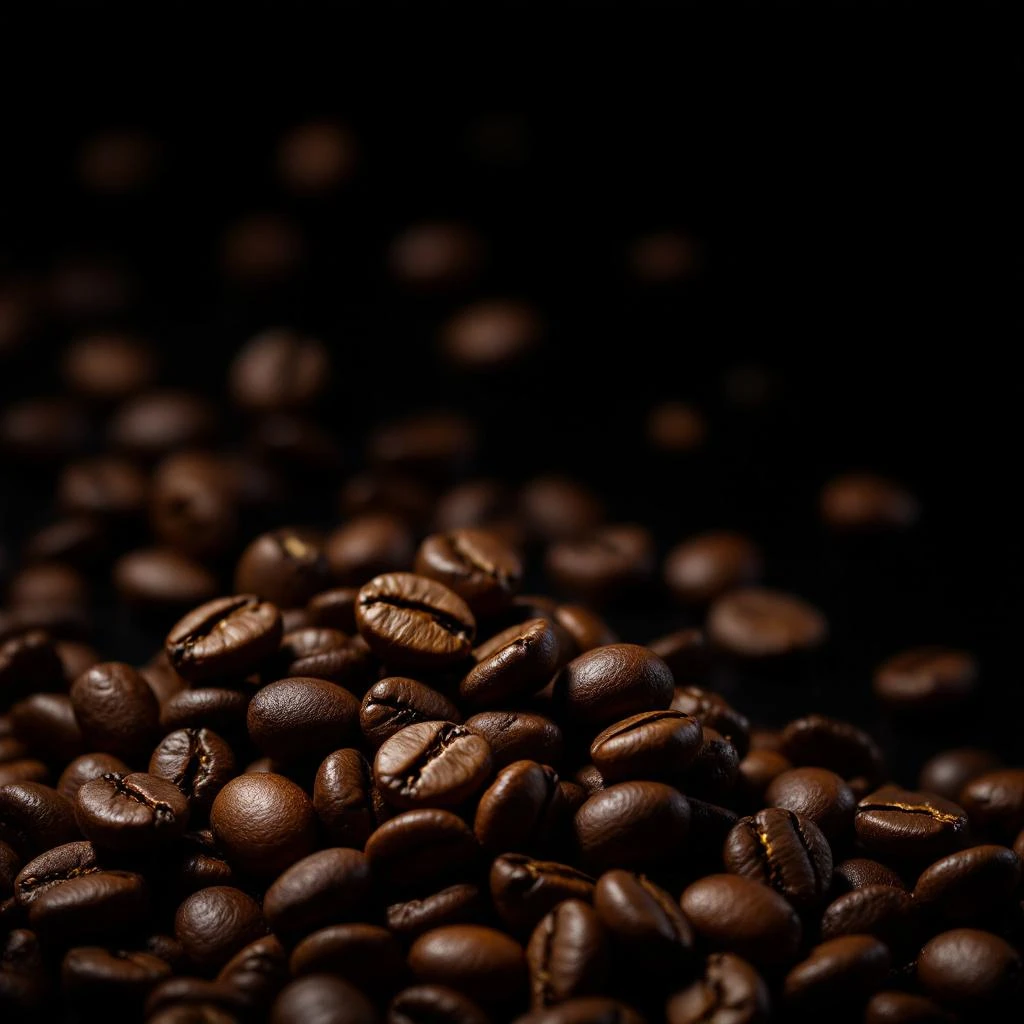
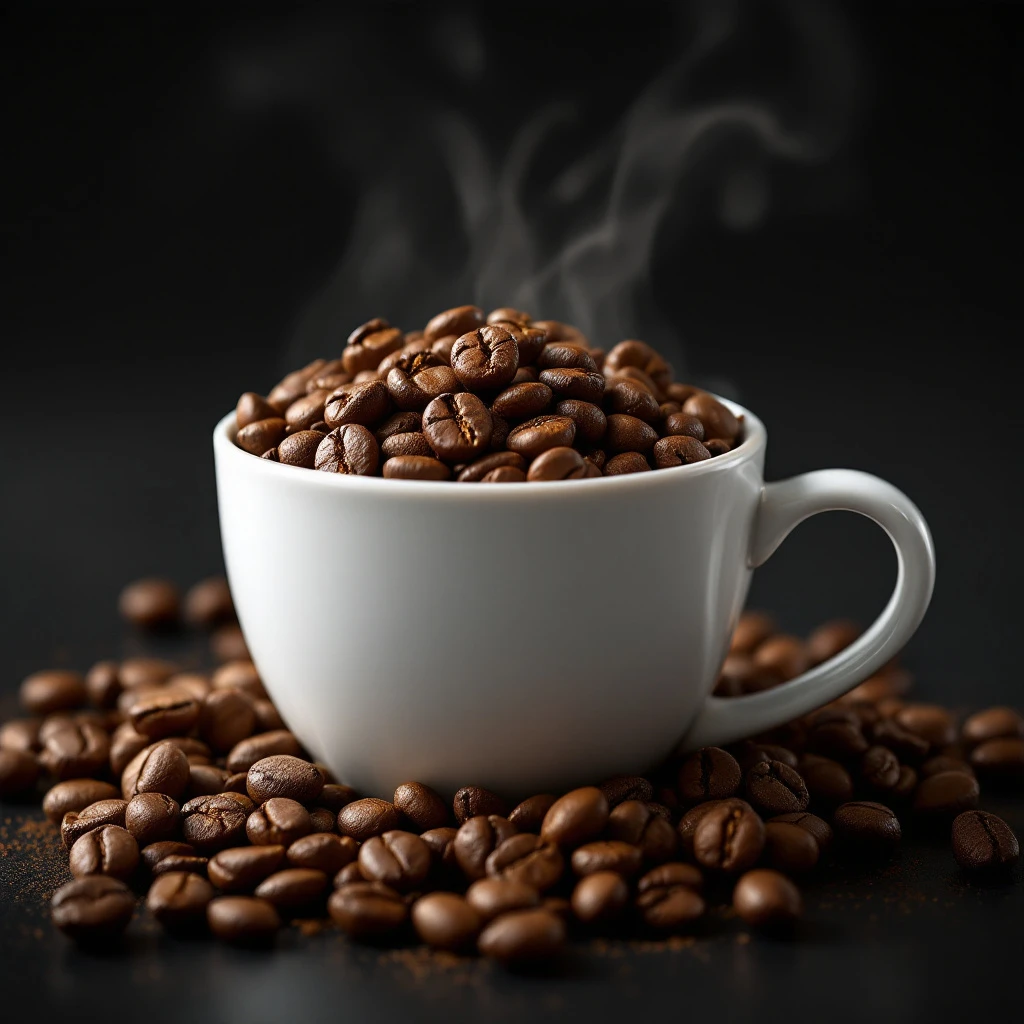
Roasted Arabica Coffee is a rich, warm material that brings the deep, bitter sweetness of freshly roasted beans into fragrance. It grounds compositions with a tactile warmth that feels almost edible, yet sophisticated.
Character
How it smells
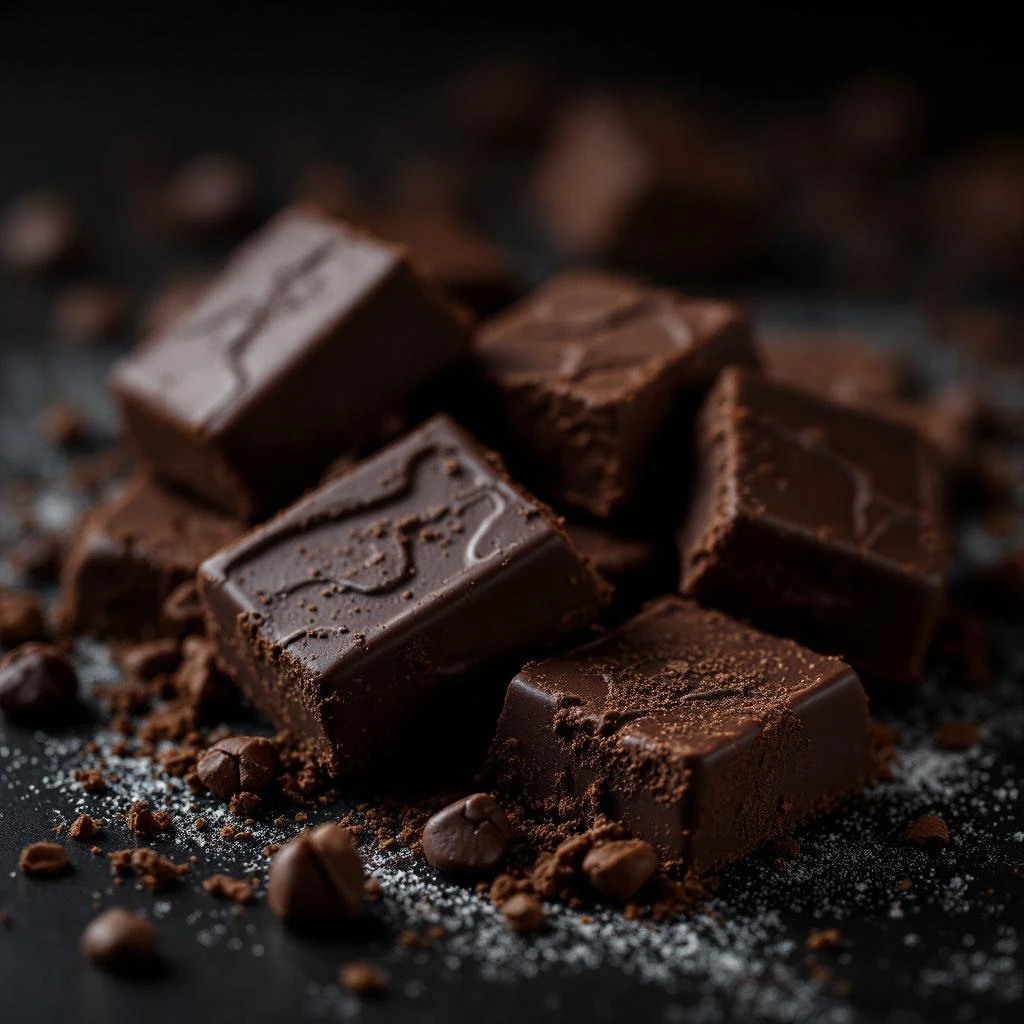
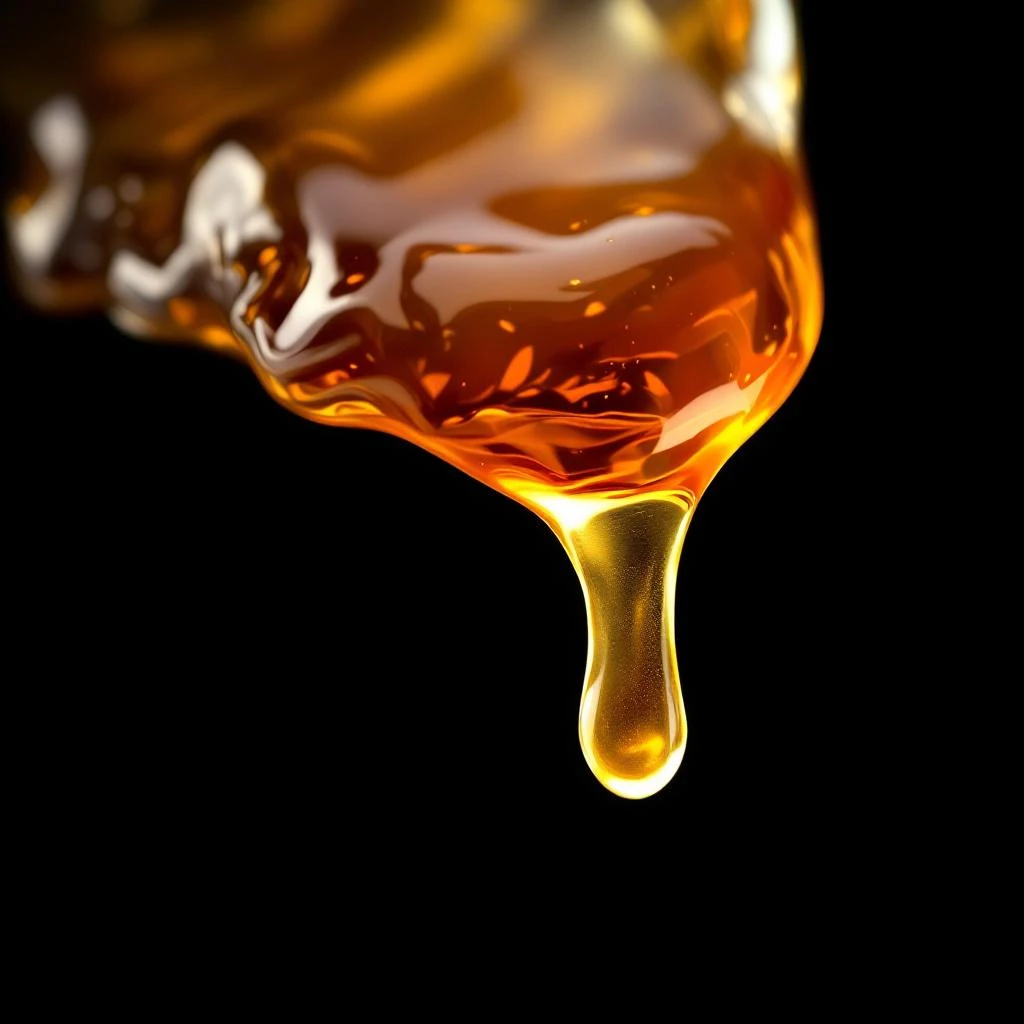
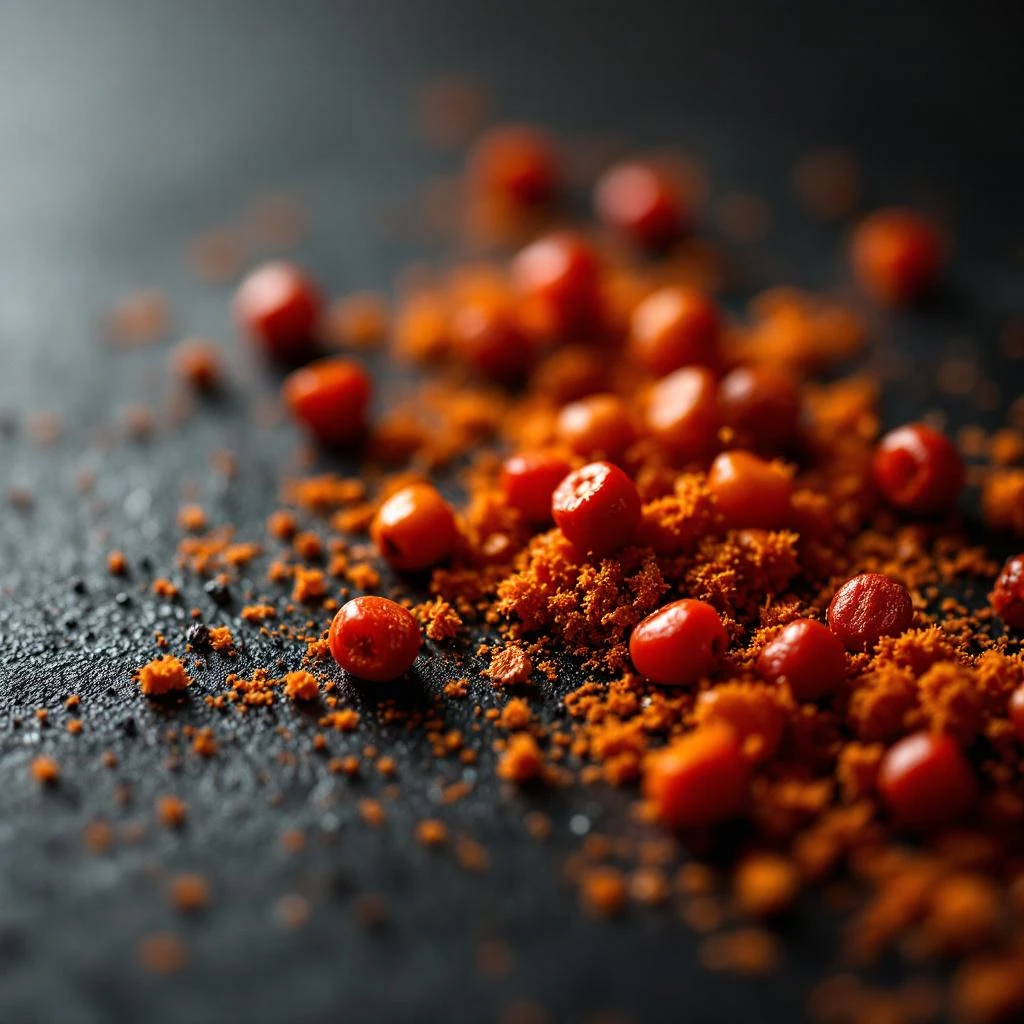
The bold warmth of the world's favorite morning ritual.
Coffee is technically a fruit. The coffee bean is the seed of the Coffea cherry, making every roasted bean a transformed piece of fruit.


Origin
Ethiopia
The story of Coffea arabica begins in the highlands of southwestern Ethiopia, where the plant grows wild beneath the forest canopy. Ethiopian goatherd Kaldi reportedly discovered its stimulating effects around the 9th century after noticing his goats became unusually lively after eating the bright red cherries.
Ethiopian traders then carried coffee seeds northward to Yemen, where Sufi monks first cultivated it as a crop sometime before the 15th century. From Yemen's port of Mocha, coffee spread through the Ottoman Empire and reached Constantinople by the mid-1500s.
European traders brought it to the West by the 1600s, and a single tree from the Dutch botanical garden in Amsterdam eventually became the parent stock for nearly all coffee cultivation in the Americas. Today, Arabica represents roughly 60% of global coffee production and remains the preferred species for premium perfumery applications due to its refined, aromatic complexity.
Wears it best
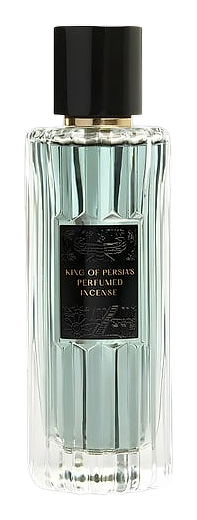
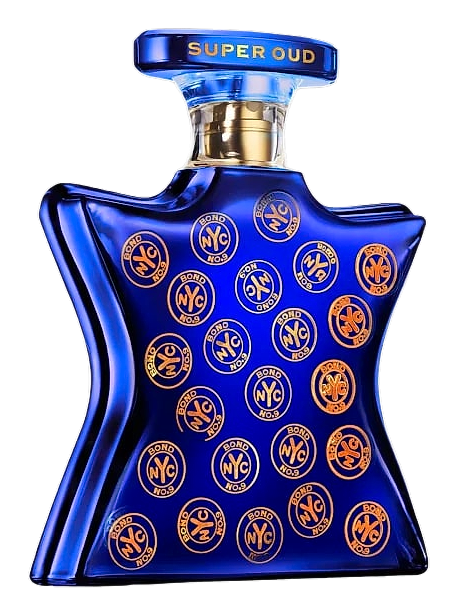
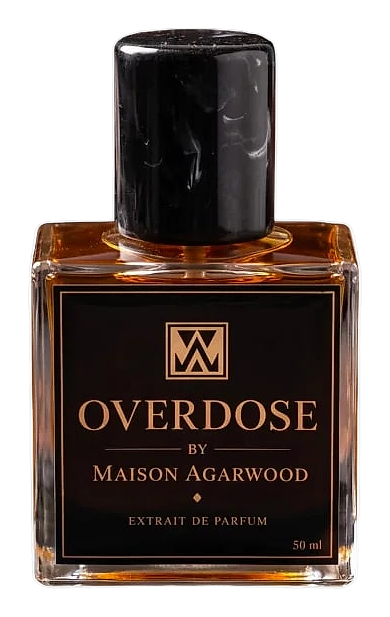
Fragrances featuring Roasted Arabica Coffee
Brands
Brands known for Roasted Arabica Coffee
Good to know
Questions, answered
The essentials on Roasted Arabica Coffee in perfumery: how it smells, where it comes from, and how it behaves on skin.
What does roasted Arabica coffee smell like in perfume?
Roasted Arabica coffee delivers a warm, bitter-sweet aroma with notes of dark chocolate, toasted grain, and subtle smokiness. It adds depth and a tactile, almost edible warmth to fragrance compositions.
Is coffee absolute natural or synthetic?
Coffee absolute is a natural aromatic extract obtained through solvent extraction of roasted coffee beans. It is not synthesized but derived directly from Coffea arabica beans using food-grade solvents.
How much coffee is used in a typical fragrance?
Coffee absolute functions as a modifier or base-note ingredient in perfumery. It is used at very low concentrations—typically below 5% of a fragrance formula—because its intensity requires careful restraint to avoid overpowering lighter top notes.
What gives roasted coffee its distinctive smell?
The roasting process triggers the Maillard reaction, creating hundreds of volatile compounds including furans, pyrazines, and aldehydes that produce coffee's characteristic roasted, nutty, and slightly smoky scent. These compounds do not exist in raw green beans.
Does roasted coffee interact with skin chemistry?
Coffee absolute behaves as a fixative on skin, slowing the evaporation of more volatile companion materials. Its warm, persistent character becomes more pronounced as the fragrance dries down over several hours.
What fragrance families pair well with roasted coffee?
Roasted coffee absolute works particularly well in oriental, gourmand, and woody fragrance families. It pairs naturally with vanilla, tonka bean, amber, sandalwood, and spices like cardamom and cinnamon.
Where does the best coffee for perfumery originate?
Ethiopia remains the primary origin of Coffea arabica and produces some of the most aromatic beans for perfumery use. Yemen and high-altitude regions of Colombia and Brazil also cultivate premium Arabica varieties with distinct scent profiles.
Can coffee absolute cause skin sensitivity?
Coffee absolute, like most natural absolutes, contains allergens that may trigger sensitivities in susceptible individuals. IFRA guidelines regulate its concentration in consumer products and require proper labeling.