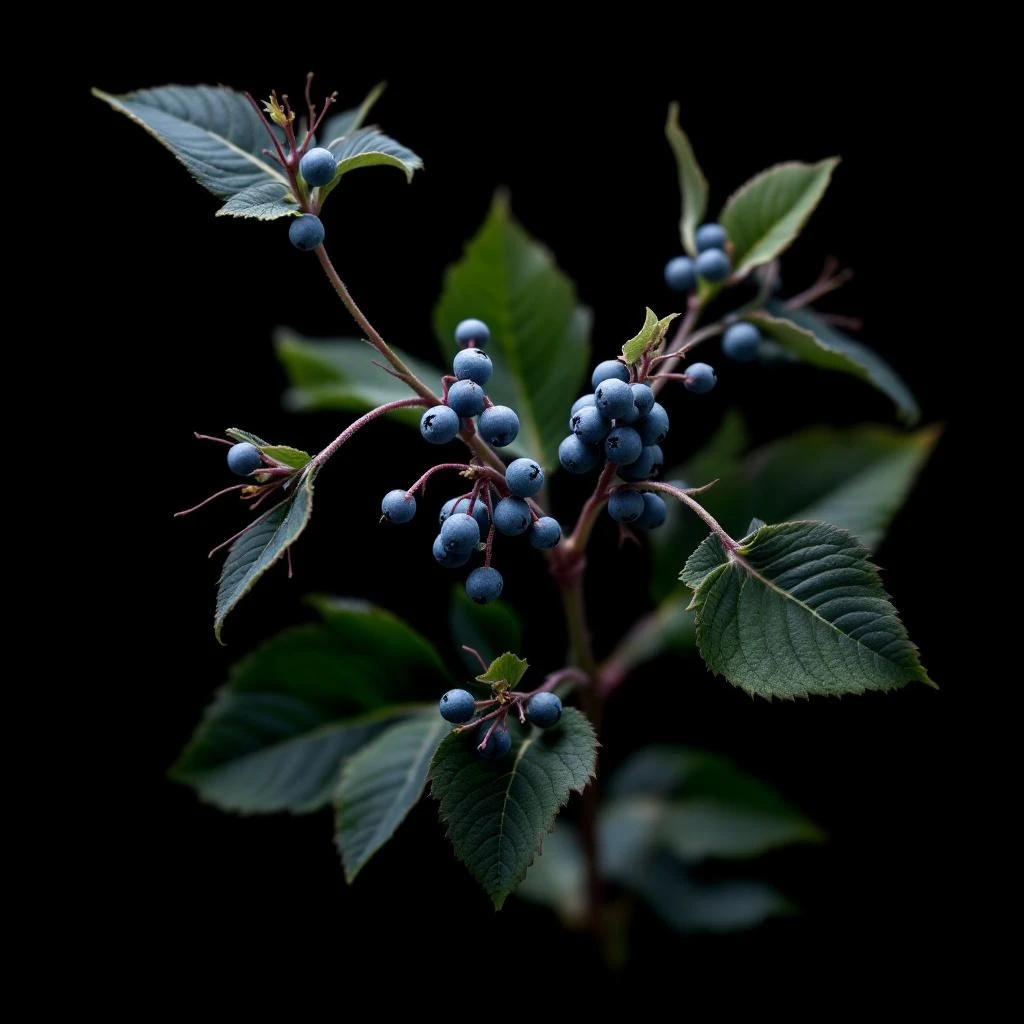
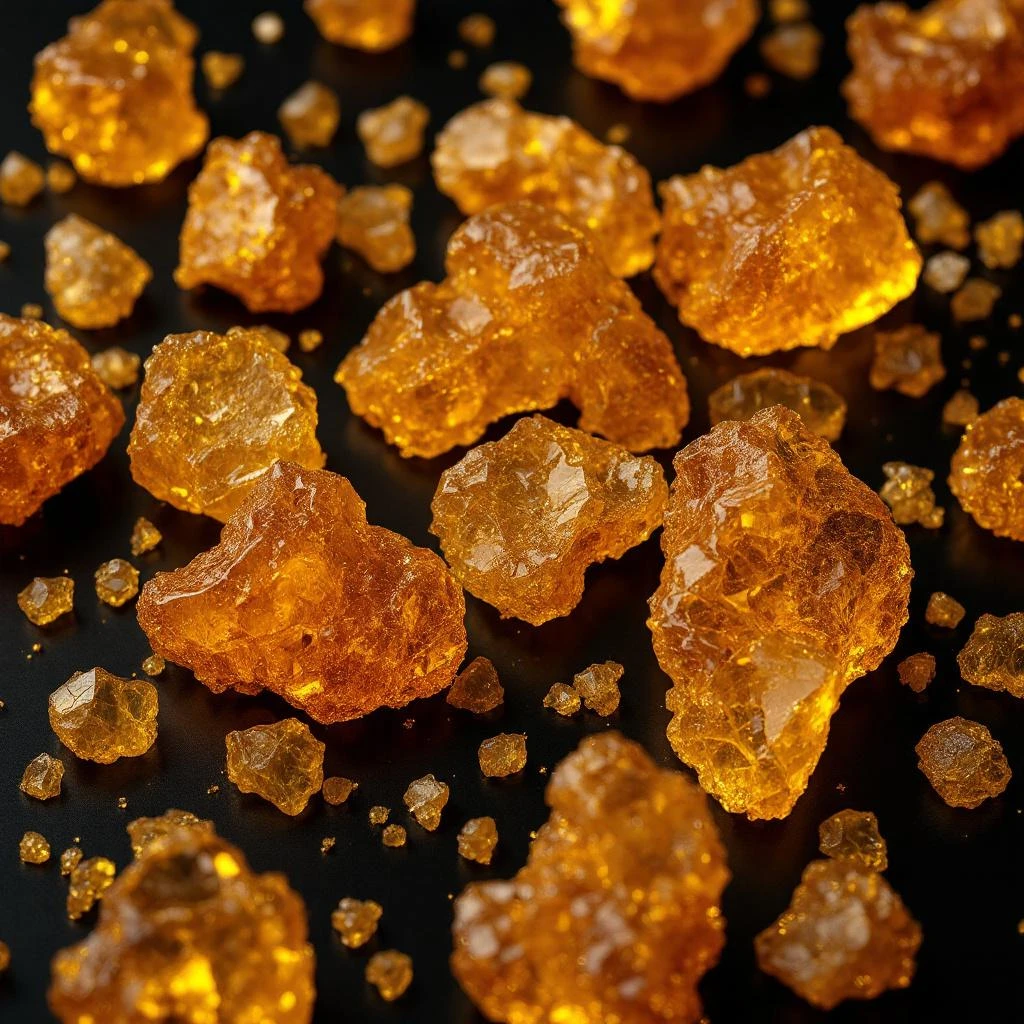
Resinous Amber
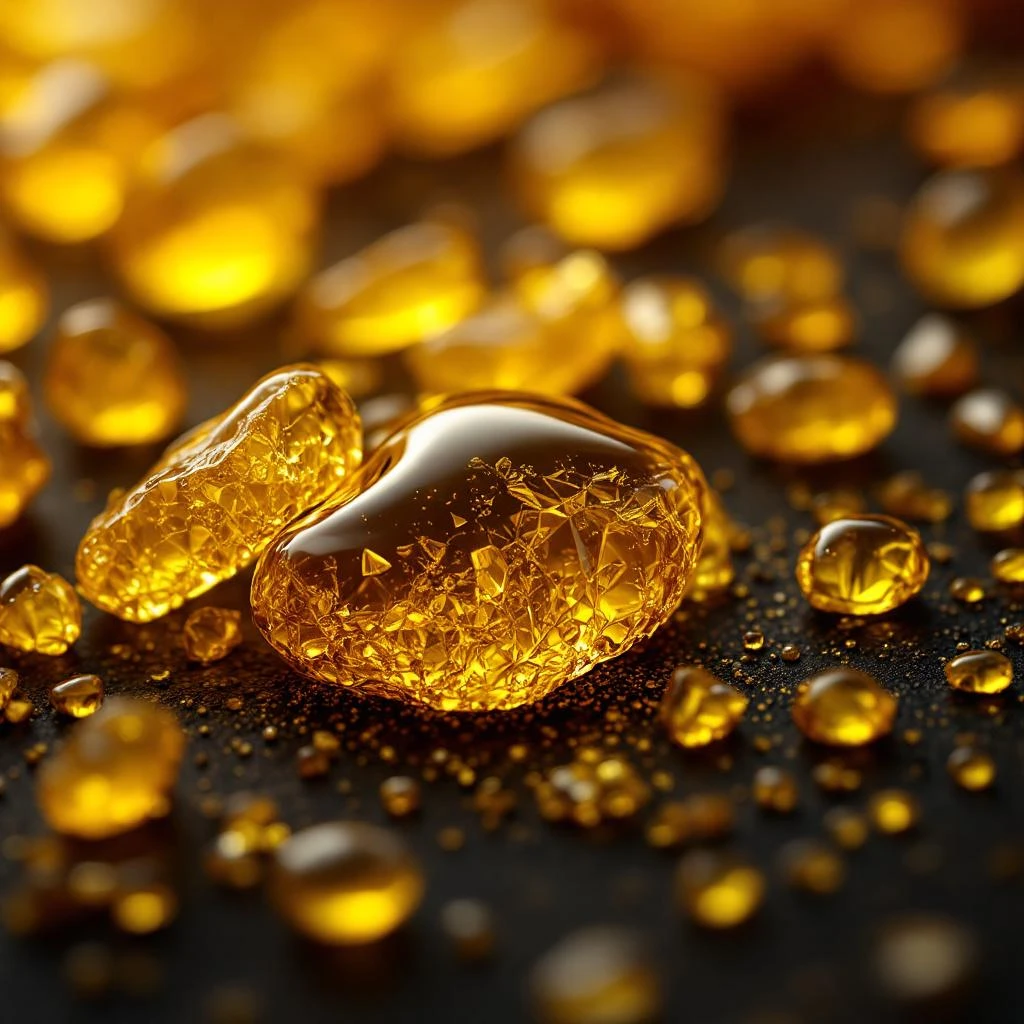
Warm, honeyed, and softly powdery. Resinous Amber brings a fossilized depth to fragrances, capturing the ancient sweetness of forests trapped in time.
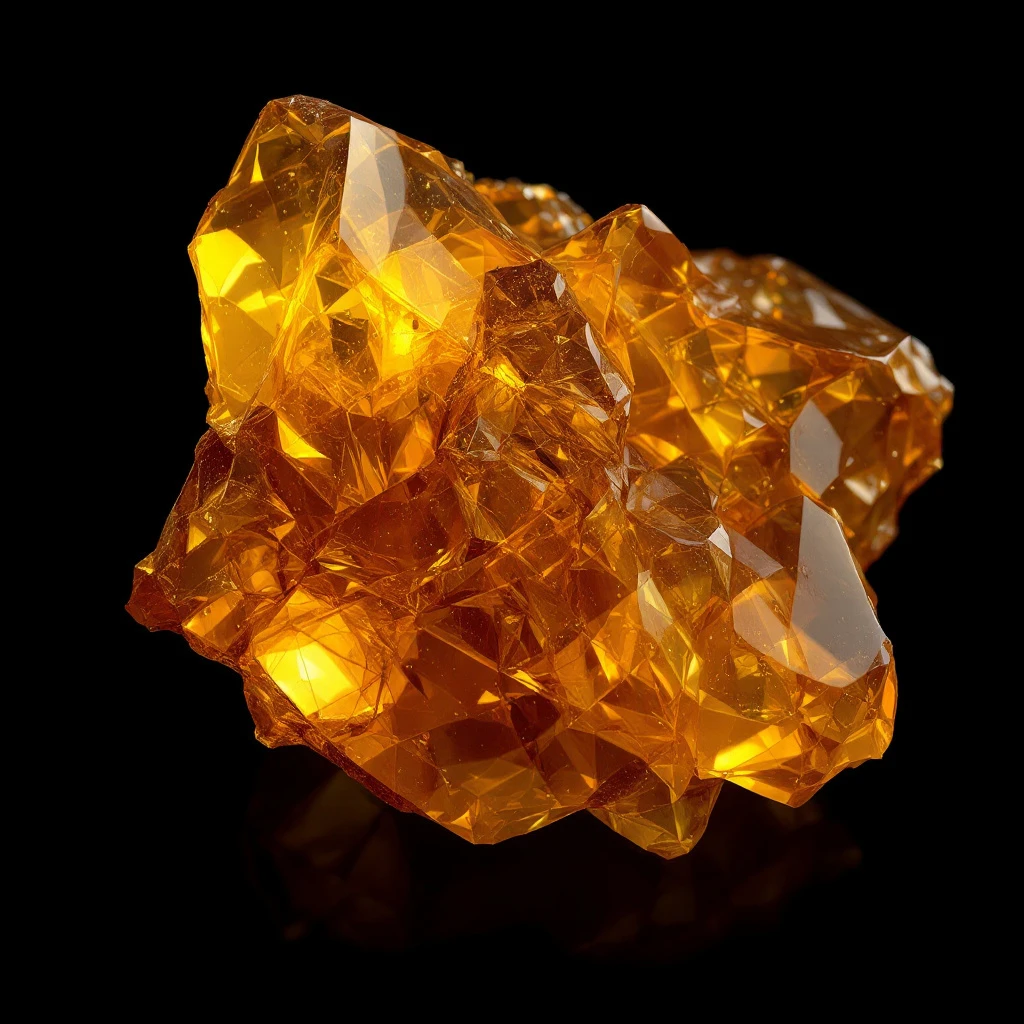
Character
How it smells
Ancient forests distilled into scent.
The word ambergris comes from Arabic "anbar", meaning sperm whale — the creature that produces this rare maritime treasure.


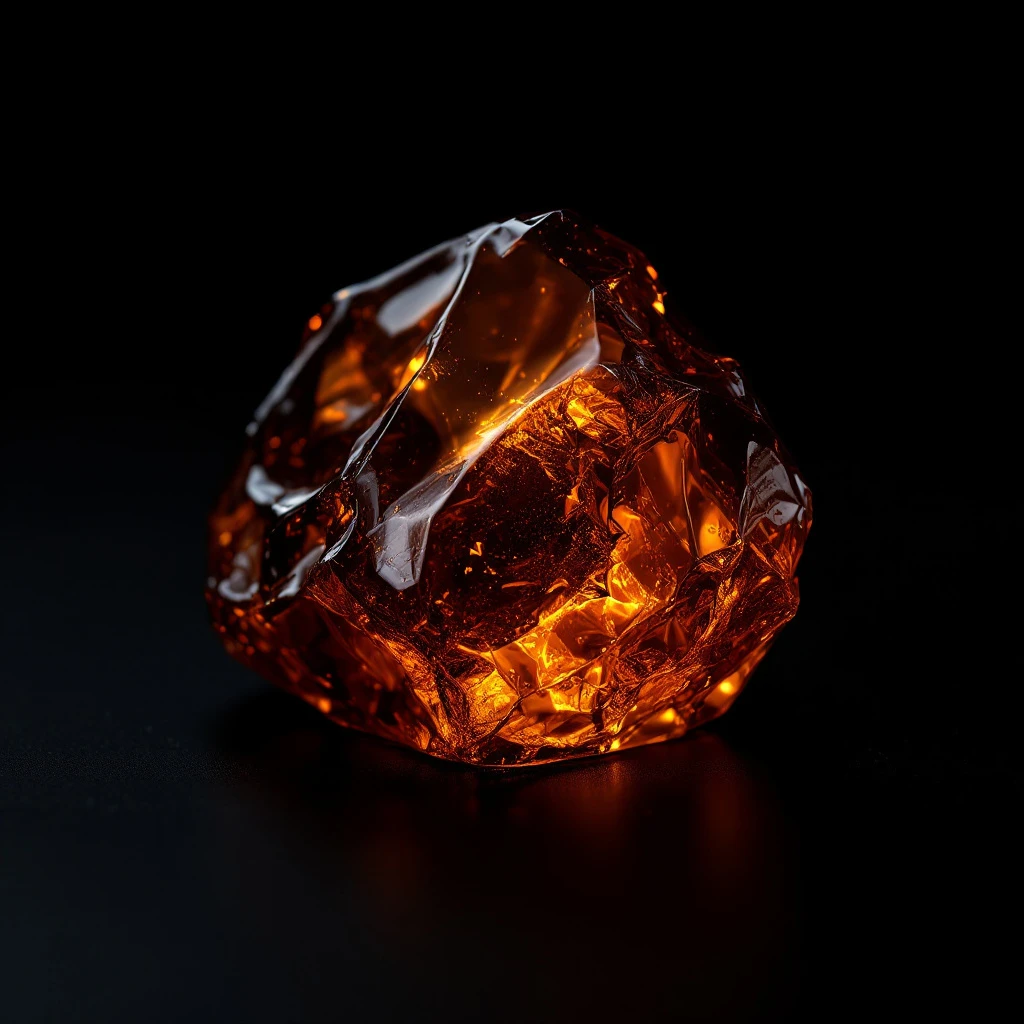
Origin
Germany
Amber held sacred status across ancient civilizations. Egyptians burned it as incense, Greeks believed it captured trapped sunlight, and Roman elites prized amber objects above silver. The Middle East became its spiritual home, where craftspeople combined amber resin with aromatic oils to create solid incense for religious and personal use.
European traders along the Amber Road risked everything for this golden material, exchanging it across thousands of miles from Baltic shores to Mediterranean courts. When organic synthesis emerged in the late 1800s, perfumers gained access to vanillin — the synthetic vanilla compound that would define the modern amber note. This discovery allowed perfumers to recreate and standardize the warm, enveloping effect that had relied on expensive natural blends for centuries.
Today, amber remains a cornerstone of oriental perfumery, rooted in millennia of human fascination.
Wears it best
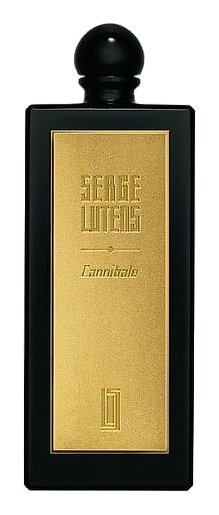
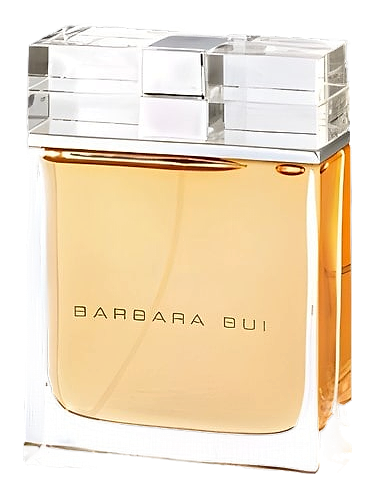
Fragrances featuring Resinous Amber
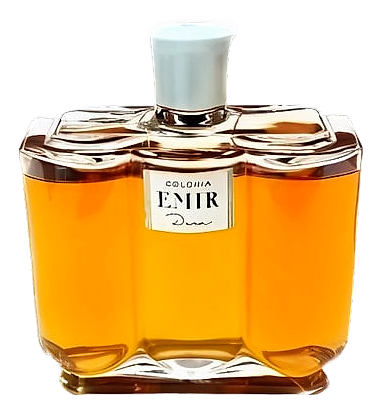
Brands
Brands known for Resinous Amber
Good to know
Questions, answered
The essentials on Resinous Amber in perfumery: how it smells, where it comes from, and how it behaves on skin.
What is Resinous Amber in perfumery?
Resinous Amber is a warm, sweet fragrance base built from natural and synthetic materials including labdanum, vanilla, benzoin, and heliotrope. It creates the characteristic amber effect in perfumes.
Is amber the same as ambergris?
No. Amber is fossilized tree resin from the Baltic region. Ambergris is a waxy substance produced by sperm whales. Both appear in perfumery, but they are entirely different materials with distinct origins.
How many types of amber exist in perfumery?
Four categories exist in perfumery: fossilized amber resin, ambergris, synthetic amber accord, and labdanum. These are sometimes confused because they all contribute warm, sweet notes to fragrances.
When did the amber note first appear in perfume?
The amber note emerged in the late 1800s following the invention of synthetic vanillin. This breakthrough allowed perfumers to consistently recreate the warm, sweet effect that had previously relied on costly natural blends.
What materials make up a traditional amber compound?
Traditional amber compounds combine labdanum for resinous body, vanilla or vanillin for sweetness, benzoin for warmth, and tonka bean or heliotrope for powdery depth. Each perfumer adjusts the formula to create signature warmth.
How is amber resin harvested?
Fossilized amber resin is extracted from geological deposits, primarily along the Baltic coast. Workers mine or collect pieces from coastal cliffs and sea beds, then clean and process them for perfumery use.
Is amber resin sustainable?
Baltic amber resin is geologically abundant, existing in significant deposits that predate human activity. However, it does not regenerate on any human timescale, making long-term sourcing a consideration for perfumers.
What does amber smell like?
Amber presents as warm, sweet, and resinous with vanillic and honeyed qualities. The effect is powdery and deeply comforting, sometimes carrying faint forest or coniferous undertones from ancient tree resins.