The Story
Why it exists.
The beginning
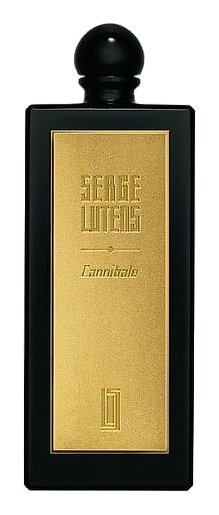
Cannibale arrived in 2015 as Serge Lutens and Christopher Sheldrake's composition. The name suggests hunger. Lutens has spent decades building fragrances that smell like memory and distance, but this one cuts closer. It draws from the floral vinegars of 18th-century France, where acidity played a role in preservation. The scent opens with a sharp, vinegary note that grabs attention immediately. There's an almost tart quality that tingles on the skin, reminiscent of aged wine left to oxidize. Underneath, darker elements begin to emerge, creating a tension between brightness and depth. The fragrance feels hungry, unresolved, reaching for something just out of grasp. The cannibal is famished. So is the scent.
What makes Cannibale structurally unusual is that acid note at the top, the vibrant acidity that reads like a challenge rather than a welcome. The smoke and leather don't arrive politely. They corset themselves around the frankincense and wait. The combination of patchouli's earthiness with clove's heat creates something that smells darker than its individual parts suggest. The patchouli grounds the composition with its deep, slightly mossy quality, while the clove adds a sharp, spicy edge that prickles at the edges. Together, they push the fragrance toward something more primal.
The evolution
The opening hits first, that vinegar-tinged acidity that announces itself and refuses to apologize. Within minutes, smoke rises through it, leather tightening the composition like it's being cinched. The frankincense doesn't soft-pedal either; it arrives resinous and thick, pulling the whole thing toward something ancient and slightly liturgical. The heart belongs to the dark rose and plum, a darkness that reads as almost bruised rather than floral. There's a mysterious quality to these notes, something that suggests decay without being unpleasant. As it wears, the animalic quality emerges. Not the skatole-or-honey kind. More like the warmth of skin that has been wearing the same scent for hours. The composition settles into its deeper layers as time passes, the patchouli and clove eventually coming forward to create something resinous and warm.
Cultural impact
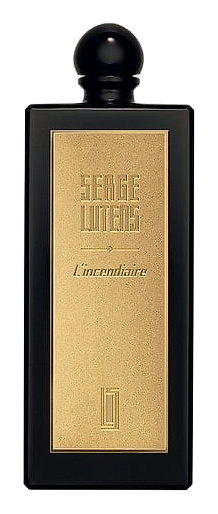
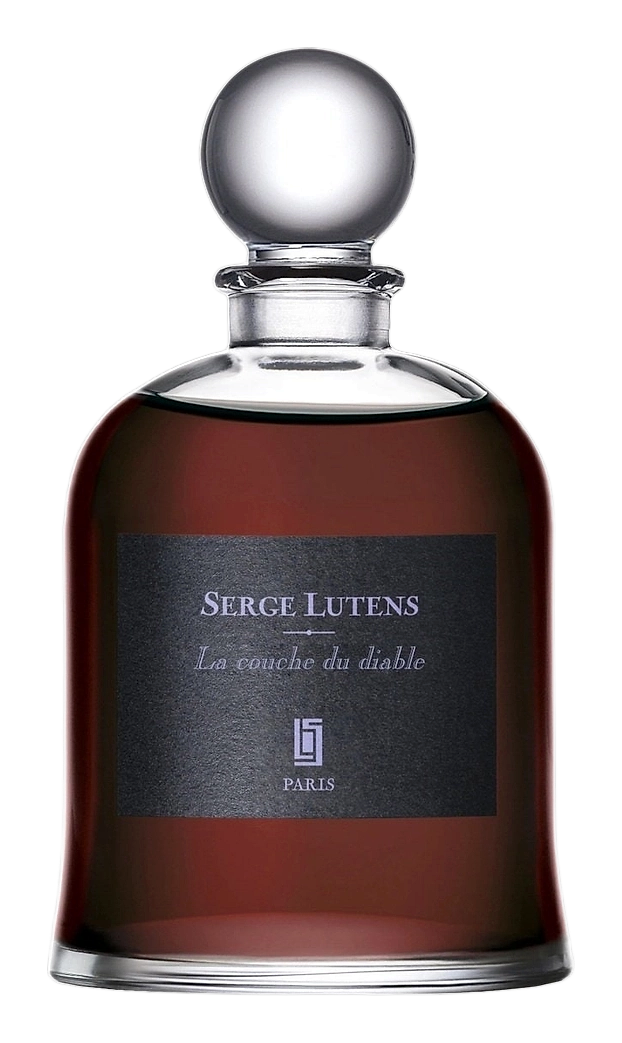
Cannibale occupies a specific corner of the Serge Lutens catalogue, the one that doesn't ask permission. It joins a tradition of confrontational Lutens fragrances like La Fille de Berlin and L'Incendiaire that push against conventional expectations. The discontinuation of the fragrance only amplified its reputation: what was once difficult to find became a kind of secret shared among those who found it and survived. The scent represents a particular moment in the house's evolution, a point where the confrontational impulse reached its peak.