The Story
Why it exists.
The beginning
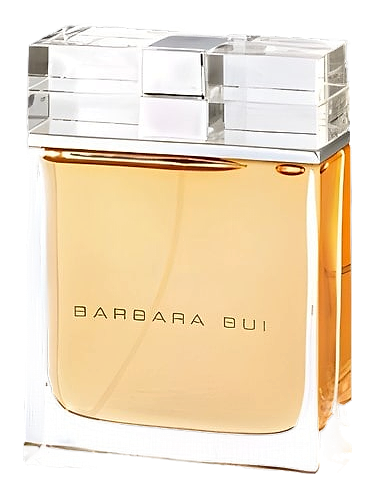
Le Parfum arrived in 2004, developed with Anne Flipo. The fashion house had spent nearly two decades building a reputation for tailoring that refused easy categorization, masculine structure softened by feminine edge, Parisian refinement undercut by rock energy. The composition brings together warmth and smoke, wood and powder, resin meeting skin. There's a balance at work here, confident without noise, present without demanding attention. It doesn't announce itself across a room. Instead, it waits for someone to lean in and discover it, drawing you closer with its subtle, intimate character.
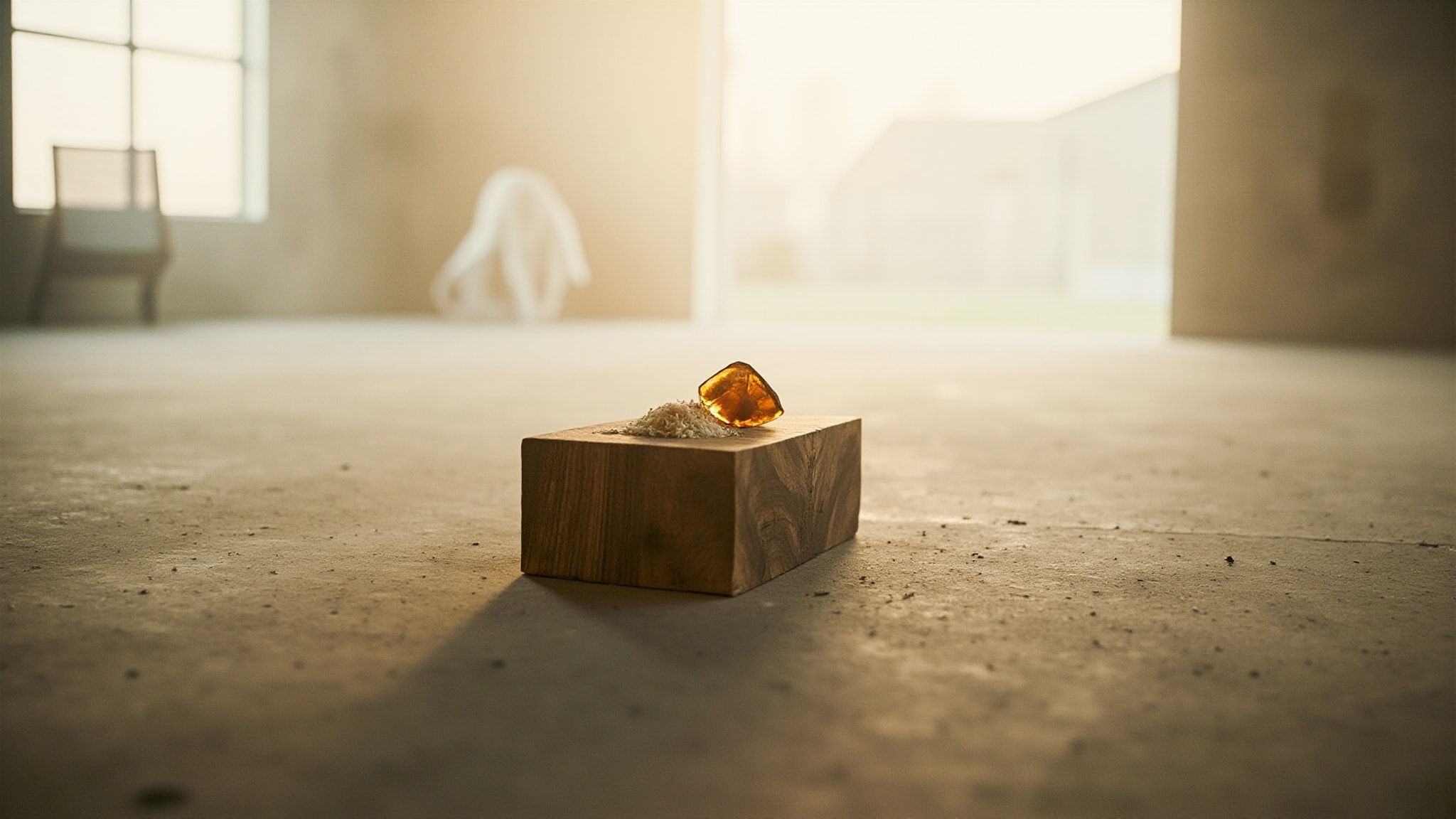
What makes Le Parfum work is its restraint. Amber provides the structure, lending warmth and depth to the composition. The woody notes are softer, sandalwood-forward, blended with smoky undertones that keep the whole thing grounded. The musk is white, which means it's clean without being clinical, and the incense appears in whispers rather than waves. This is a composition that trusts the wearer to find it rather than shouting to be found. On skin, it performs differently than on paper, warmer, closer, more insistent in its quietness.
The evolution
The opening arrives almost shy. Amber and incense present themselves softly, with woody notes hovering just behind. There's a moment where the composition could read as thin, the fragrance waiting for you to meet it halfway. As time passes, the smoke deepens and the sandalwood emerges, beginning its slow reveal. What follows is hours of close warmth: powdery, resinous, faintly sweet without ever crossing into dessert territory. On skin, the warmth lingers before fading, with a faint trace that remains overnight. The sillage stays intimate throughout, close and personal rather than projecting outward. It's the fragrance that convinces people your skin just smells good.
Cultural impact
Le Parfum occupies an unusual position in the Barbara Bui universe, a single fragrance released in 2004, two decades into the brand's history, and never followed by another. The house, known for its fashion-forward tailoring, committed to one composition rather than a line. The fragrance has since gained a quiet cult following among those who appreciate its understated character, with discontinued status driving renewed interest. It wears differently than many of its contemporaries, less about projection and more about presence.