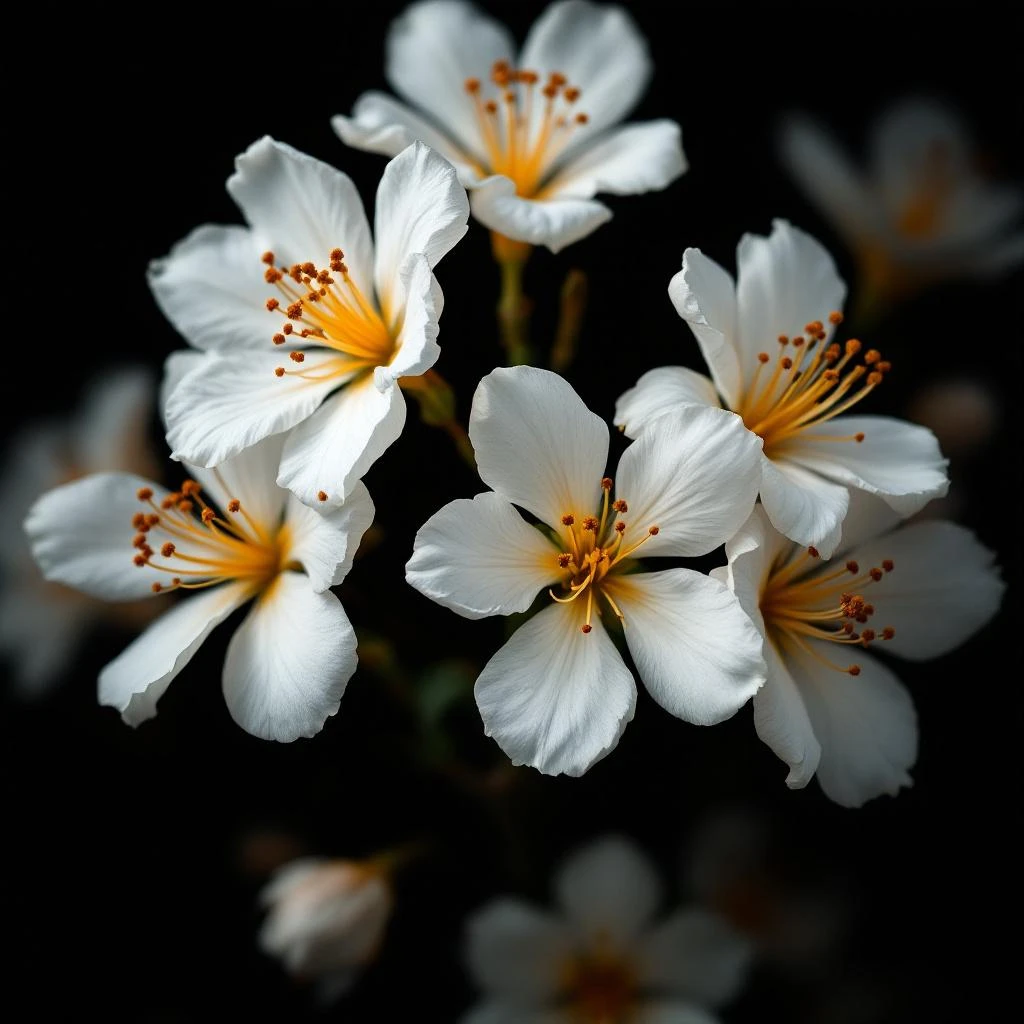
Citronella
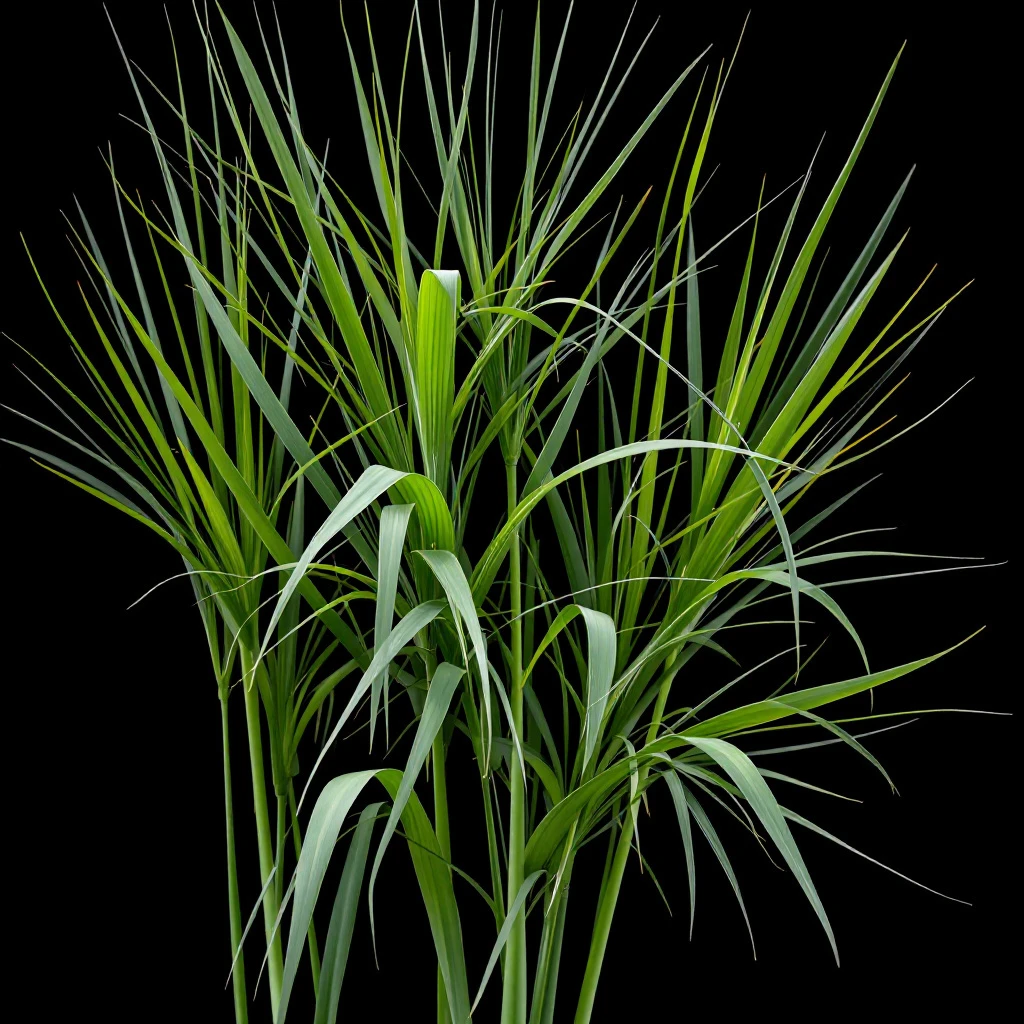
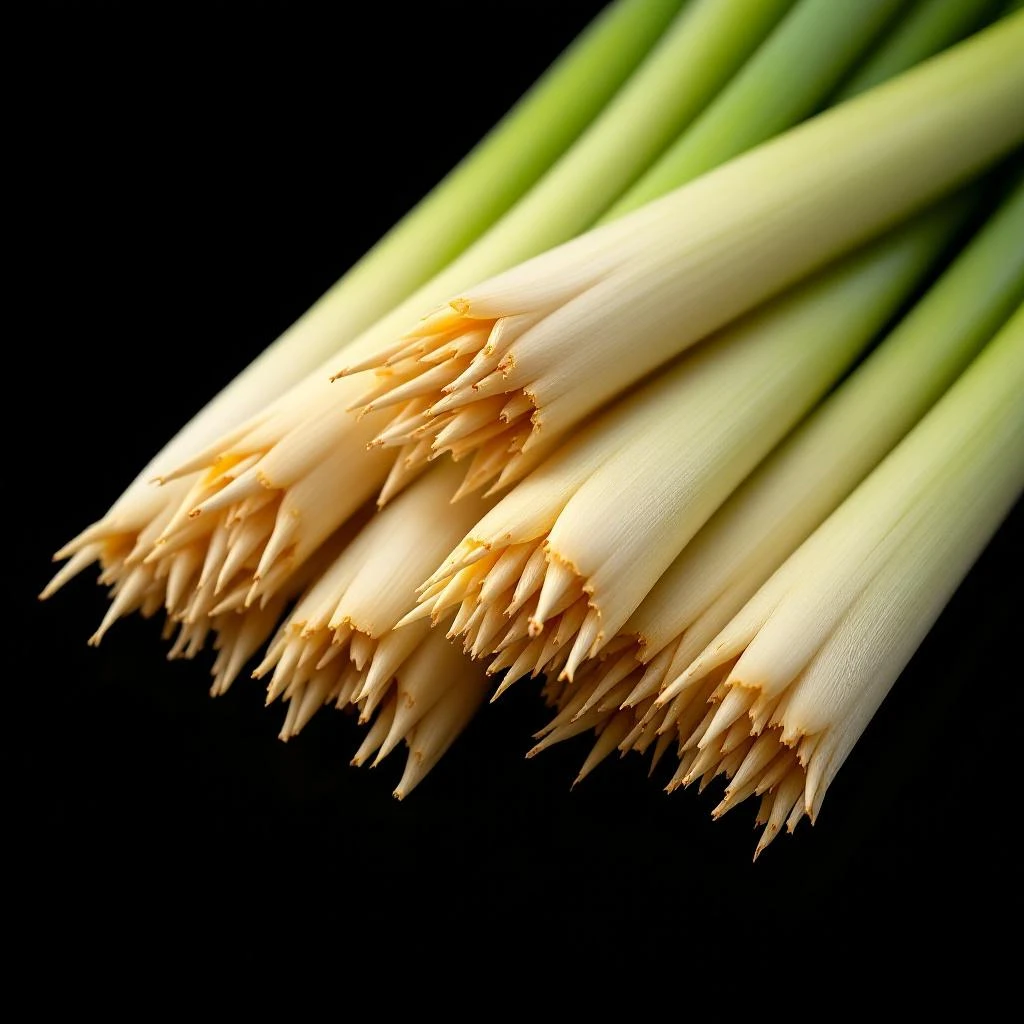
Citronella oil carries the bright, lemony scent of tropical grasslands. Distilled from Cymbopogon grasses, it has anchored perfumery citrus and fresh top notes for over a century. Its versatility spans fragrant and functional applications.
Character
How it smells
Bright, grassy citrus from tropical Cymbopogon grasses.
Sri Lanka pioneered commercial citronella exports in the 19th century, supplying perfumers with an affordable citrus note when luxury materials ran scarce.



Origin
Sri Lanka
Sri Lanka (then Ceylon) established the first commercial citronella oil trade during the 19th century. European perfumers adopted it as an affordable citrus alternative when traditional materials grew expensive or scarce. The oil found dual purpose in perfumery and insect repellent, making it one of the earliest ingredients bridging functional botanicals and fine fragrance.
Colonial trade networks shaped its distribution, with Java later rising as a major producer. Today, Indonesia and China lead production volumes, though Sri Lanka retains its historical legacy as the origin point for commercial citronella in perfumery.
Wears it best
Fragrances featuring Citronella
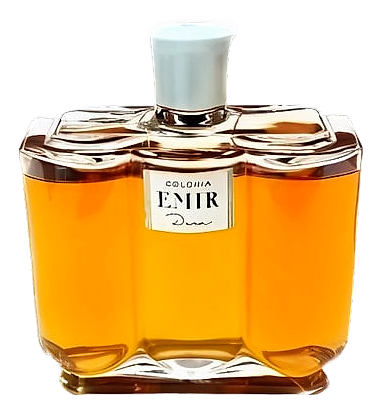
Brands
Brands known for Citronella
Good to know
Questions, answered
The essentials on Citronella in perfumery: how it smells, where it comes from, and how it behaves on skin.
What does citronella smell like in perfume?
Citronella offers a sharp, lemony freshness with grassy undertones. It reads as a crisp, green citrus with more body than distilled lemon oil. Perfumers value it for bright top notes that feel natural and slightly botanical rather than purely acidic.
Is citronella used in fine fragrance or only functional products?
Both. Citronella appears in fine fragrances as a fresh top note, particularly in masculine and unisex compositions. Its functional reputation for insect repellent has not limited its use in luxury perfumery, where its aromatic depth adds character beyond simple citrus.
What is the difference between Ceylon and Java citronella?
Ceylon type (Cymbopogon nardus) has a deeper, slightly woody scent with more variation. Java type (Cymbopogon winterianus) delivers a cleaner, more refined lemon profile. Fragrance houses prefer Java type for fine perfumery because of its consistency and elegance.
Does citronella evaporate quickly in perfume?
As a top note ingredient, citronella volatilizes rapidly, lasting 15 to 30 minutes on skin. Formulators pair it with heart notes like geraniol or woody bases to extend perceived freshness throughout wear.
Can citronella cause skin reactions?
Citronella oil may cause sensitivity in concentrated form. IFRA guidelines regulate its concentration in leave-on products. Most perfumers use it at low percentages (under 1%) in final formulations to balance safety with aromatic impact.
What blends well with citronella in fragrance?
Citronella pairs naturally with citrus materials like bergamot and lemon, herbal notes including lavender and clary sage, and woody bases such as cedarwood. It also complements florals like geranium that share citronellol content.
Why do perfumers choose citronella over synthetic citrus?
Citronella provides natural complexity that synthetic citrus materials often lack. Subtle variations in its grassy, botanical character add depth to top notes. Its historical acceptance in natural perfumery also appeals to brands emphasizing botanical ingredients.
Is citronella oil sustainable?
Cymbopogon grasses grow quickly and require minimal inputs, making citronella relatively sustainable compared to slow-growing aromatic crops. Major producers in Indonesia and Sri Lanka have decades of cultivation experience, supporting responsible land management practices.