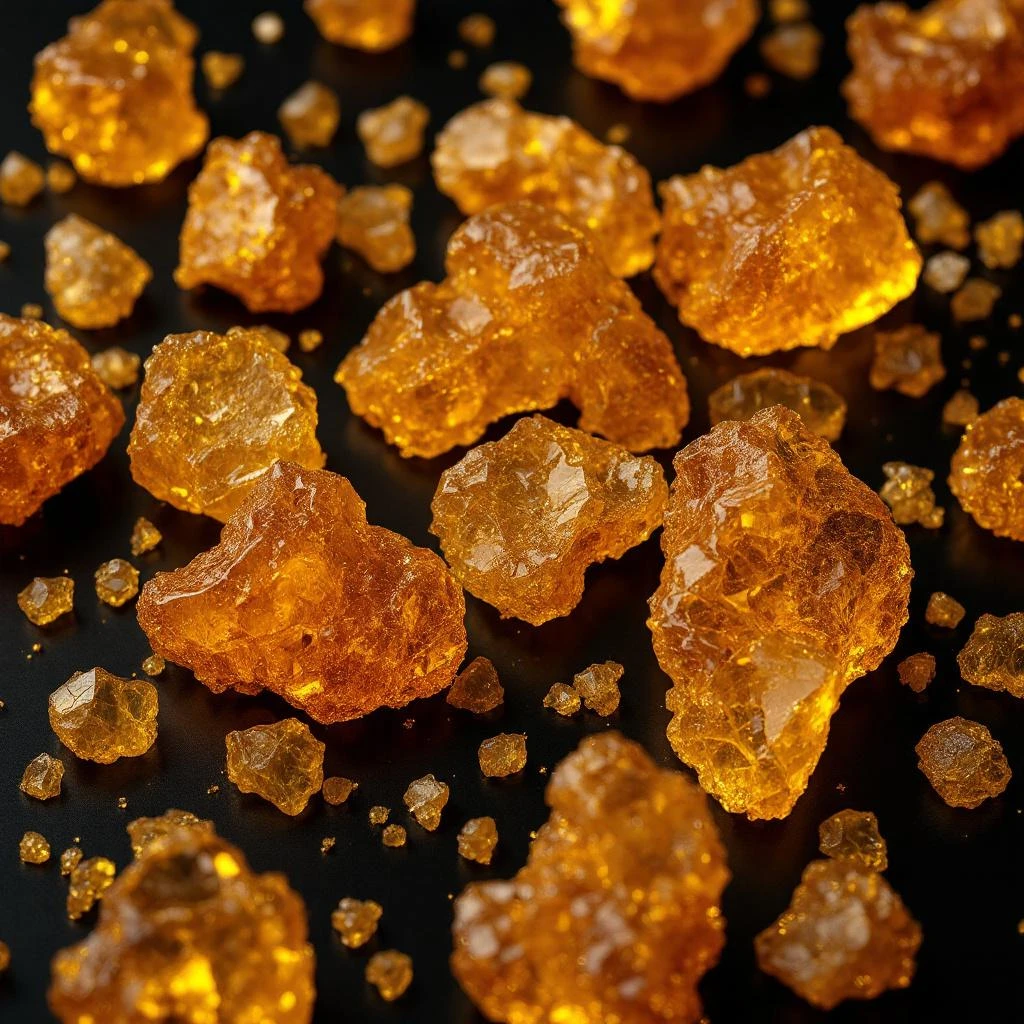
Resinoid
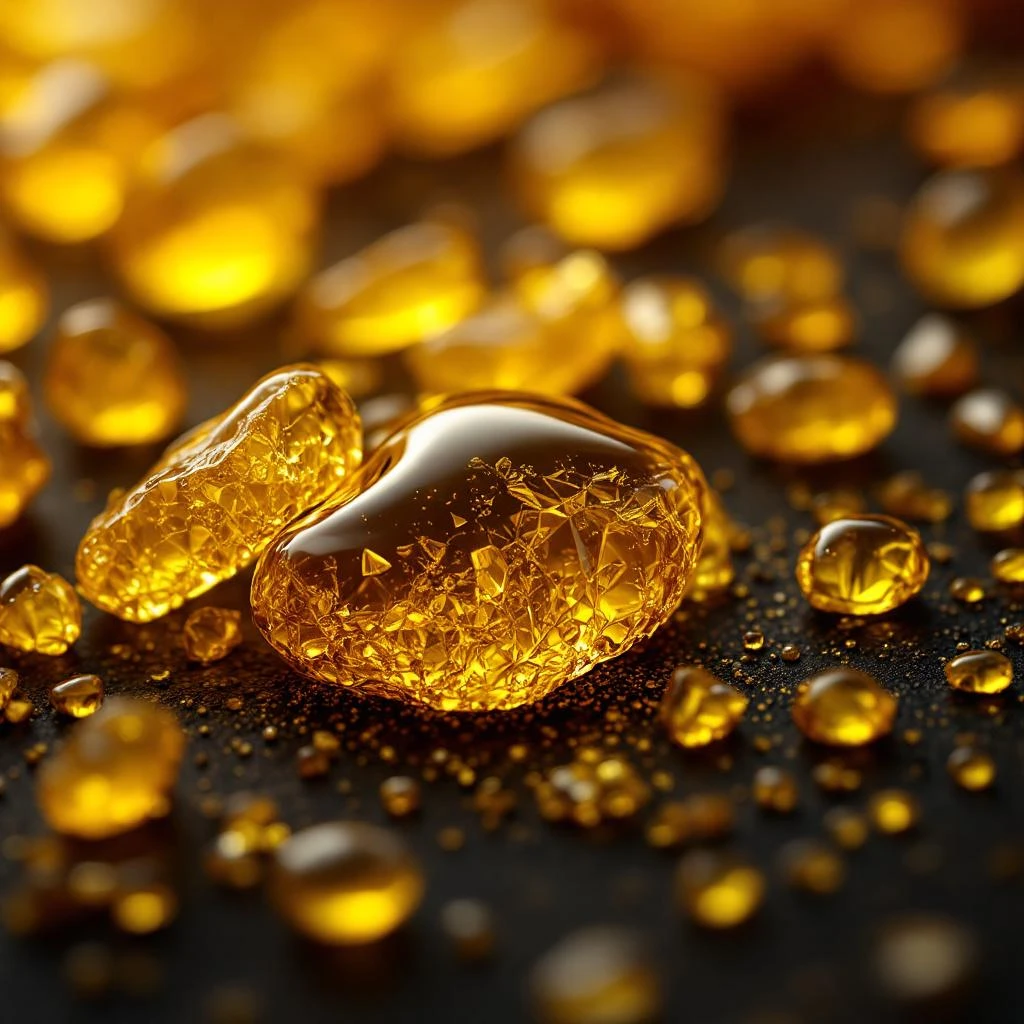
Resinoid is a concentrated aromatic extract obtained from natural resins, balsams, or gums through solvent extraction. It captures the deep, tenacious character of its source material, serving as a powerful fixative and base note anchor in fine perfumery.
Character
How it smells
The concentrated soul of tree resin, bottled.
Unlike essential oils, resinoids are often too thick and viscous to flow at room temperature, sometimes requiring gentle warming before they can be measured for compounding.

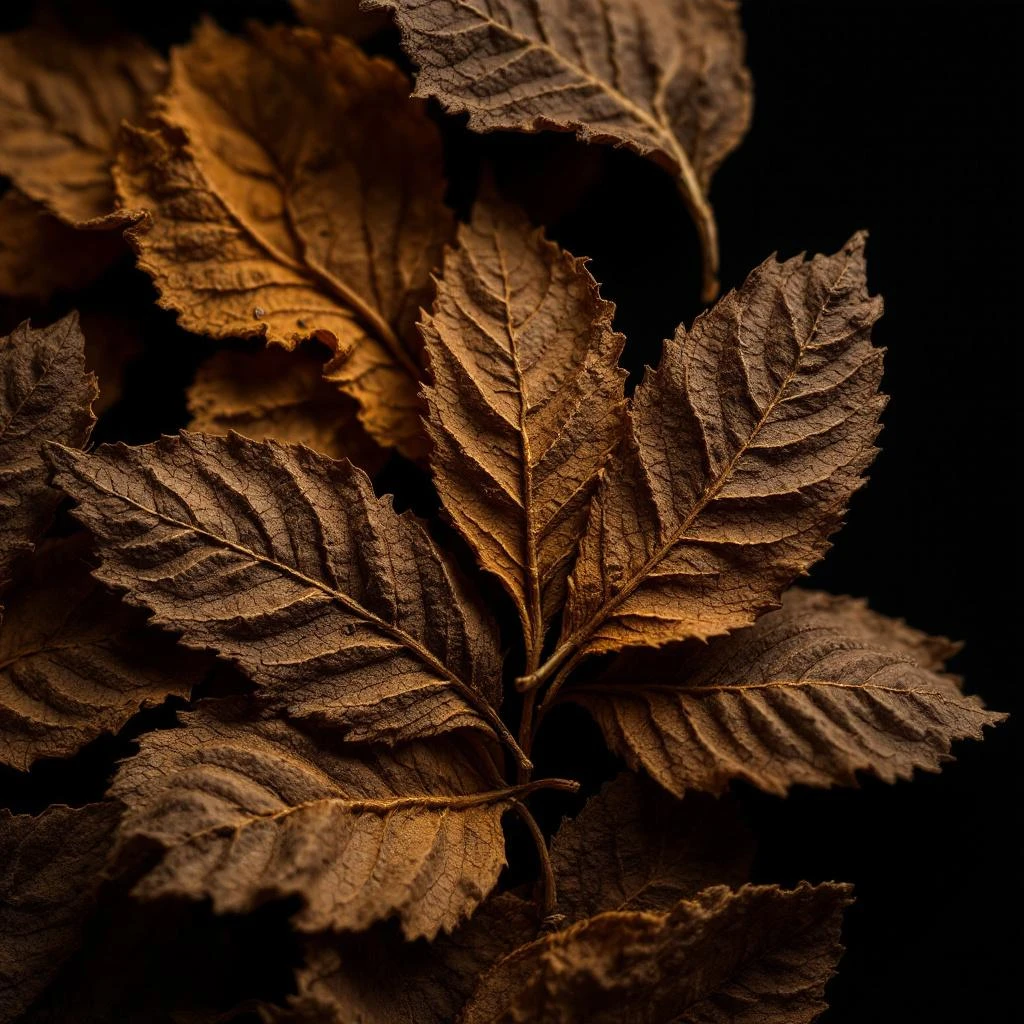

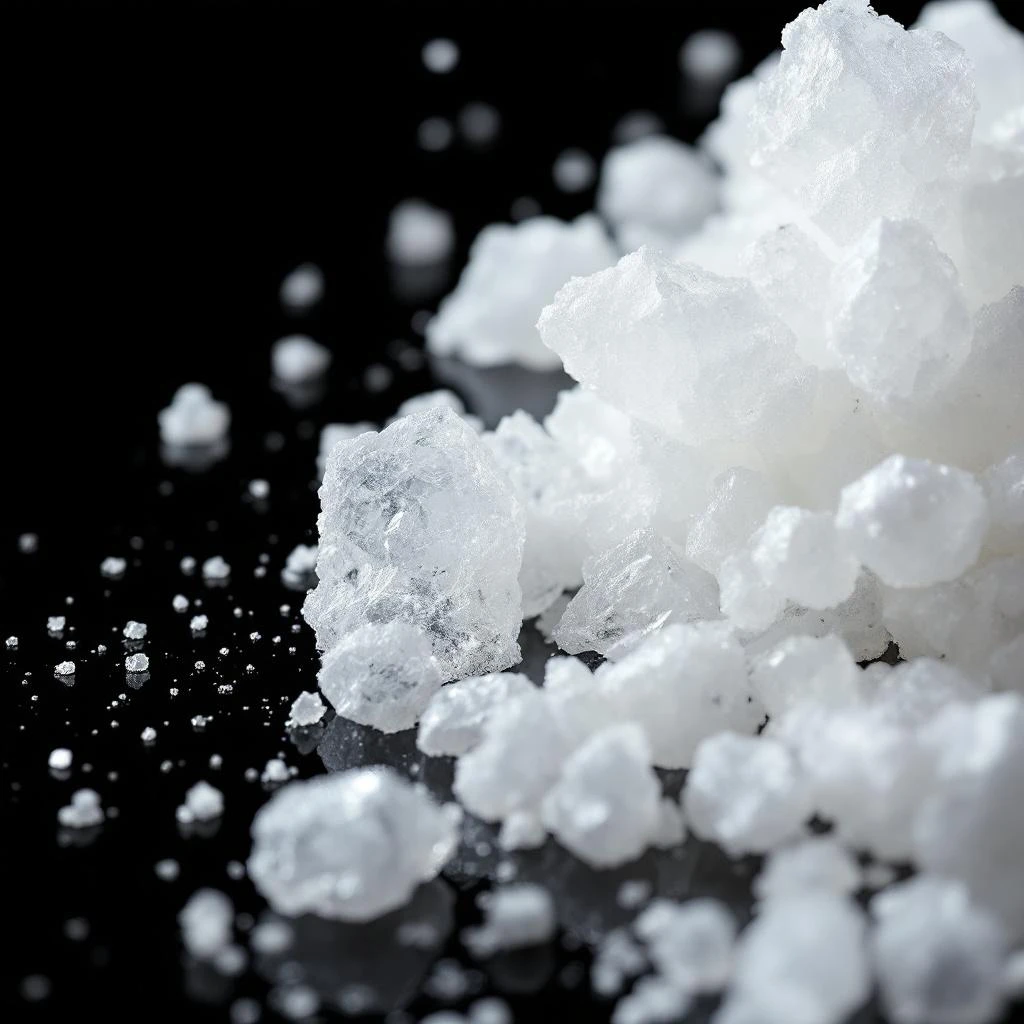
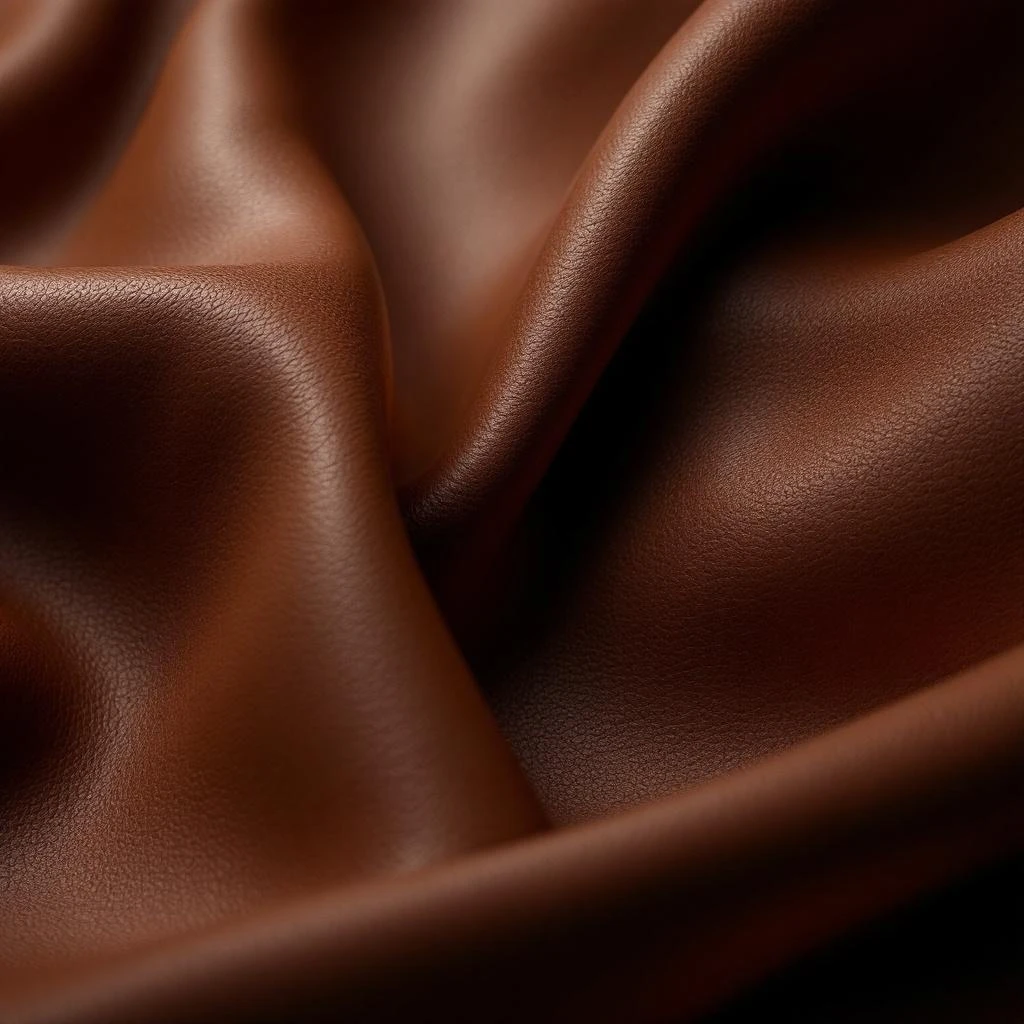

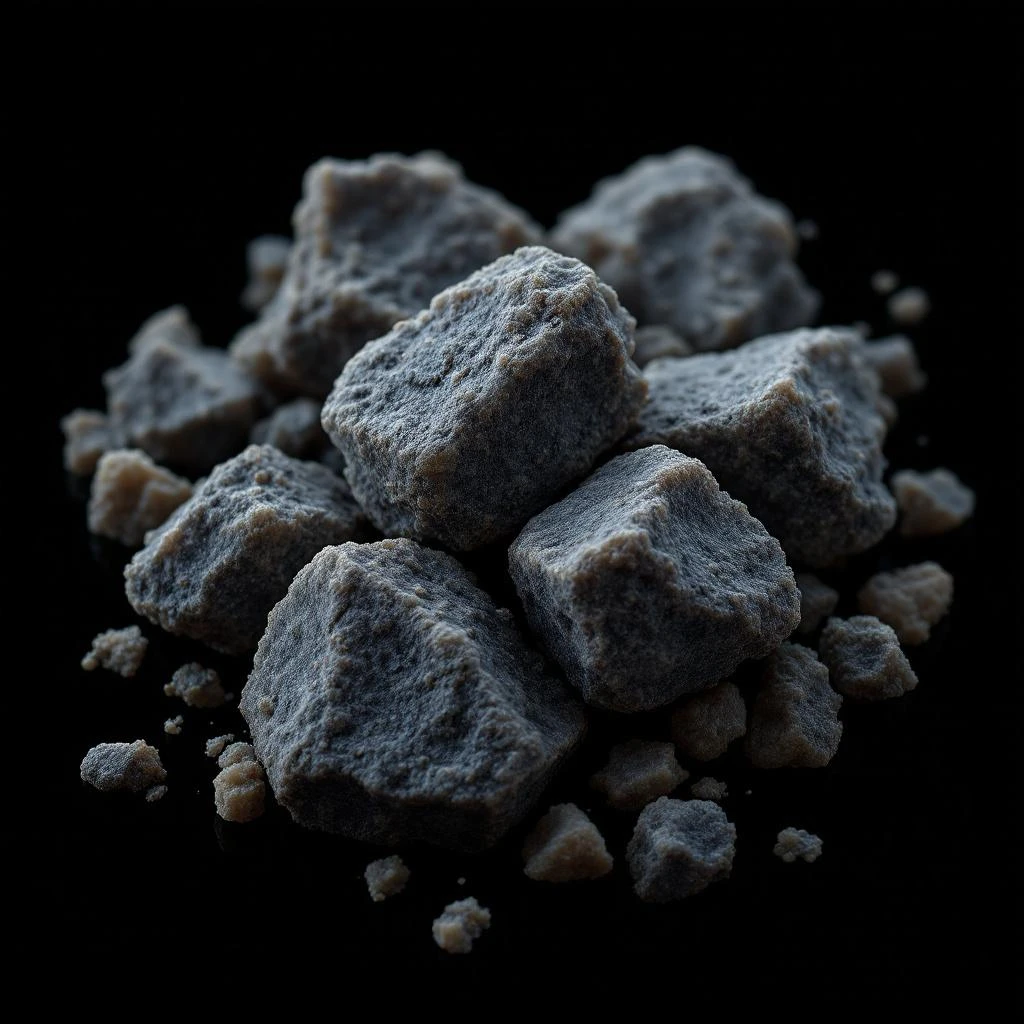
Origin
Egypt
Resinous materials rank among humanity's oldest perfume ingredients. Ancient Egyptians burned resins like myrrh and frankincense in religious ceremonies over 5,000 years ago, valuing their smoke as a bridge between worlds. By 1500 BCE, Egyptian perfumers had developed unguent cones infused with resin extracts, worn at festivals to slowly release fragrance through body heat.
The Ebers Papyrus, dating to around 1550 BCE, documents medicinal applications of balsam resin in what is now the Middle East. Greeks and Romans imported styrax from the Levant for both sacred incense and personal adornment. The Phoenicians traded Lebanese cedar resin across the Mediterranean.
True resinoids as concentrated perfume ingredients emerged only with 19th-century advances in organic solvent extraction, which allowed perfumers to capture the full aromatic profile of these ancient materials in stable, potent form. The technique revolutionized base notes, giving birth to the Oriental fragrance family and enabling compositions like Shalimar and later Opium, where resinoids provide the warm, lingering foundation that makes such scents endure on skin for hours.
Wears it best
Fragrances featuring Resinoid
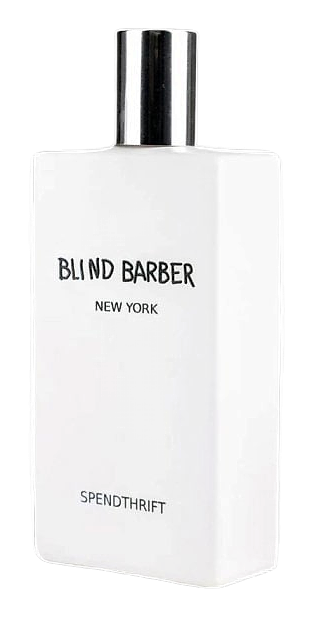
Brands
Brands known for Resinoid
Good to know
Questions, answered
The essentials on Resinoid in perfumery: how it smells, where it comes from, and how it behaves on skin.
What is a resinoid in perfumery?
A resinoid is a concentrated aromatic extract obtained by treating natural tree resins, balsams, or gums with a volatile solvent. It serves as a fixative in fragrance compositions, anchoring volatile top and heart notes while extending longevity on skin.
How is a resinoid different from an essential oil?
Resinoids are produced through solvent extraction, while essential oils are typically obtained by steam distillation. Resinoids are denser, more viscous, and contain heavier aromatic molecules that heat-based methods would destroy, making them ideal base note materials.
Which raw materials are commonly processed into resinoids?
Common resinoid sources include labdanum from Mediterranean rockrose, styrax from Turkish Liquidambar trees, benzoin from Siamese and Sumatran Styrax species, and myrrh from Commiphora trees in East Africa and the Arabian Peninsula.
Why are resinoids important as fixatives?
Resinoids have low volatility and high molecular weight, meaning their aromatic molecules evaporate slowly. This slows the release of lighter notes in a composition, extending overall wear time from a typical two hours to eight or more.
When did perfumers begin using resinoids?
Concentrated resinoids became practical perfume ingredients in the late 19th century, following advances in organic solvent extraction. Before that, perfumers worked with raw gums and tinctures, which were less stable and harder to standardize.
What does labdanum resinoid smell like?
Labdanum resinoid carries a warm, leathery, slightly animalic scent with balsamic sweetness and amber-like depth. It forms the backbone of many amber accords and chypre fragrances, contributing richness without harshness.
Are resinoids natural or synthetic?
Resinoids are natural materials, produced exclusively through physical extraction from plant sources. No chemical synthesis is involved in their creation, though individual aromatic molecules found within them can later be replicated synthetically.
Can resinoids cause skin sensitivity?
Some resinoids, particularly those from styrax and certain balsams, contain trace sensitizers. Regulatory bodies like IFRA limit their concentration in finished perfumes to safe thresholds, typically below 0.1 percent in leave-on skin products.