Red Rose Petals
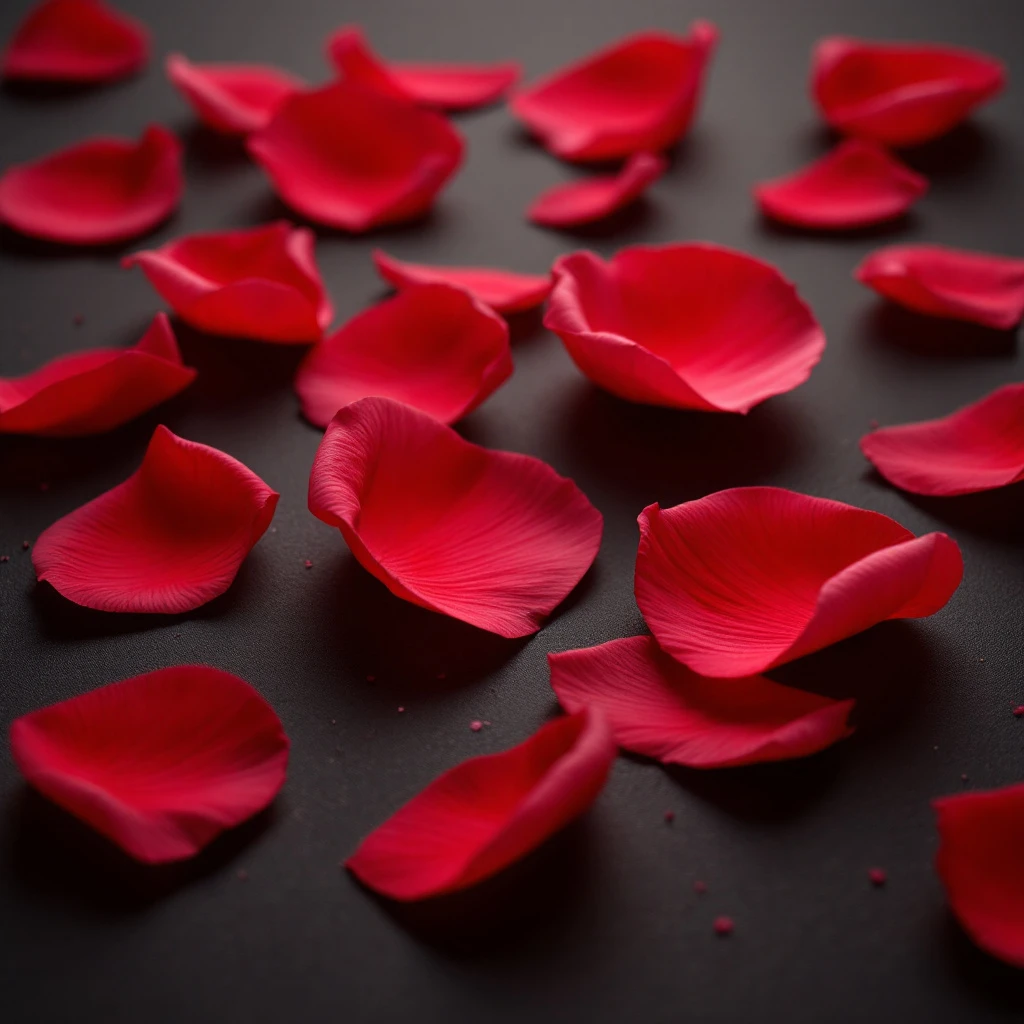
Red rose petals bring a deeper, warmer sweetness to the queen of florals. Richer and more honeyed than pale varieties, they form the heart of countless iconic fragrances.
Character
How it smells
The queen of flowers, steeped in centuries of devotion
It takes roughly 10,000 pounds of rose petals to produce just one pound of rose essential oil, which explains why genuine rose oil remains among the priciest perfume materials on earth.
Pairs beautifully with




Origin
Bulgaria
The rose holds a singular place in human history, with fossil evidence suggesting the genus Rosa has existed for around 40 million years. The earliest written records appear in ancient Chinese and Sanskrit texts, where the flower carried deep symbolic weight. In ancient Egypt, rose pomades anointed the skin of high society, and Cleopatra famously filled her bath with rose petal-infused oils to seduce Mark Antony.
Persian culture elevated rose cultivation to an art form. The production of rose oil originated in Iran, where the technique spread along trade routes into the Mediterranean. The Greeks and Romans crowned newly crowned figures with rose garlands and scattered petals at banquets. By the 10th century, Persian physician Avicenna had refined steam distillation for rose petals, producing what may have been the first true rose essential oil.
The Crusaders carried Damask roses into Europe, where they took root in Bulgaria's Valley of Roses by the 17th century. Today, that region produces the majority of the world's rose otto, maintaining centuries-old traditions. Red roses specifically became a European fixation during the Wars of the Roses in 15th-century England, where the red rose of Lancaster cemented itself as a powerful cultural symbol.
Wears it best
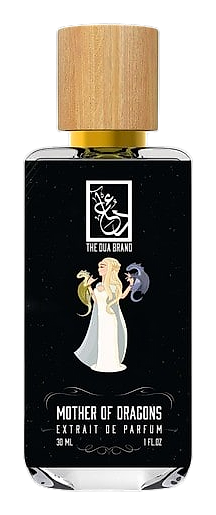
Fragrances featuring Red Rose Petals
Brands
Brands known for Red Rose Petals
Good to know
Questions, answered
The essentials on Red Rose Petals in perfumery: how it smells, where it comes from, and how it behaves on skin.
What do red rose petals smell like in perfume?
Red rose petals produce a rich, warm floral scent with honeyed sweetness and subtle spicy undertones. They smell deeper and more jam-like than white or pink rose varieties, lending a velvety quality to fragrance compositions.
Which rose species are used in perfumery?
Two species dominate perfumery: Rosa damascena, the Damask rose grown in Bulgaria and Turkey, and Rosa centifolia, the May rose cultivated in Morocco and France. Each yields a slightly different aromatic profile through steam distillation.
Why is rose oil so expensive?
Rose oil costs so much because of its incredibly low yield. It takes approximately 10,000 pounds of fresh rose petals to produce one pound of essential oil, and most of those petals must be hand-harvested at dawn.
What is the difference between rose otto and rose absolute?
Rose otto is produced by steam distillation and yields a pale, delicate oil. Rose absolute comes from solvent extraction, producing a darker, more viscous material with deeper, sweeter notes that capture heavier aromatic molecules.
Where does Bulgarian rose oil come from?
Bulgarian rose oil originates primarily from the Valley of Roses near Kazanlak, a region that has cultivated Rosa damascena since the 17th century. The area's microclimate produces rose otto considered among the finest in the world.
How are rose petals harvested for perfume?
Rose petals for perfume are hand-picked in the early morning hours, typically from May through June. Harvesters work before sunrise to capture the petals at peak oil concentration, before warmth causes volatile compounds to dissipate.
What is the oldest method of extracting rose essence?
Steam distillation is the oldest documented method for extracting rose essence, refined by Persian physician Avicenna in the 10th century. This technique remains the standard for producing rose otto today.
Can red rose petals be used fresh or must they be dried?
Red rose petals for perfumery are used fresh, never dried. Drying destroys the volatile oils that give roses their characteristic scent. Petals are processed within hours of picking to preserve their aromatic compounds.





