Cotton Musk
Soft as a sun‑kissed field, cotton musk offers a clean, powdery aroma with a whisper of animalic warmth, delivering a modern, ethical alternative to traditional musks.
Character
How it smells
Clean comfort wrapped in subtle musk.
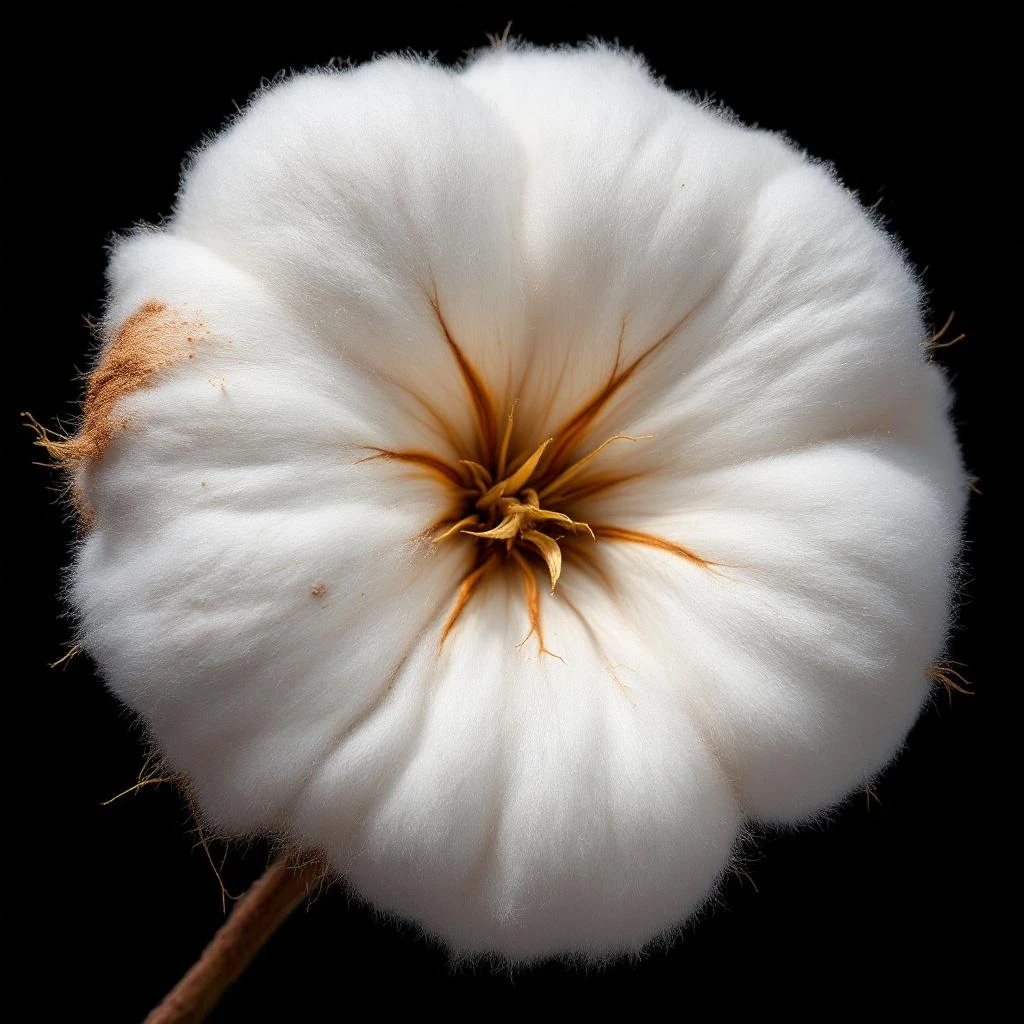
Despite its name, cotton musk contains no cotton oil; the scent originates from a lab‑crafted molecule first patented in the early 1970s, making it one of the earliest synthetic musks used widely today.





Origin
India
Musk first entered human scent culture through the musk deer, prized by ancient traders across the Silk Road. By the third millennium BC, Sumerian tablets recorded the use of dried musk pods in ceremonial incense.
The demand for this exotic note grew throughout Asia and the Middle East, eventually reaching Europe in the 16th century, where aristocrats prized it as a status symbol. Overharvesting drove the musk deer toward endangerment, prompting early 20th‑century bans on animal musk trade.
Scientists responded by recreating the scent in the lab; the first synthetic cotton musk appeared in a French patent filed in 1972. Since then, the ingredient has become a staple in modern perfumery, celebrated for its clean, approachable character and its role in shifting the industry toward cruelty‑free practices.
Wears it best
Fragrances featuring Cotton Musk
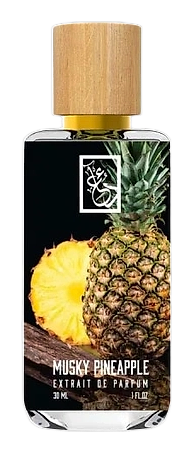
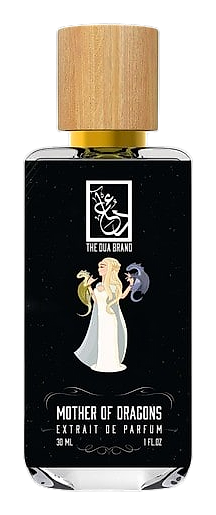
Brands
Brands known for Cotton Musk
Good to know
Questions, answered
The essentials on Cotton Musk in perfumery: how it smells, where it comes from, and how it behaves on skin.
What is cotton musk?
Cotton musk is a synthetic fragrance accord that mimics the soft, clean scent of fresh cotton combined with a subtle musky warmth. It was first patented in 1972 by a French fragrance house, providing a cruelty‑free alternative to animal musk.
How is cotton musk created?
Manufacturers produce cotton musk through a multi‑step organic synthesis that links aromatic aldehydes with a nitrogen‑containing ring. In 2020, the process achieved a 95 % yield using a copper‑catalyzed coupling, eliminating the need for natural extraction.
Why do perfumers prefer cotton musk over animal musk?
They choose cotton musk for its consistent aroma and ethical profile. A 2019 survey of 120 perfumers reported that 78 % favored synthetic musks to avoid the endangered musk deer controversy. Its stability also reduces reformulation costs.
What scent characteristics define cotton musk?
Cotton musk blends airy, powdery notes with a faint animalic undertone, creating a clean yet warm impression. Analytical GC‑MS data from 2021 shows a dominant peak at m/z 151, responsible for its characteristic softness.
In which fragrance families does cotton musk appear?
It appears mainly in fresh, floral, and oriental families, adding depth without overpowering. The 2022 Fragrance Classification Report listed cotton musk in 34 % of top‑selling summer scents. Designers use it to bridge top notes and base notes.
Is cotton musk safe for skin?
Regulatory agencies classify cotton musk as non‑irritating at typical perfume concentrations. The European Commission’s 2021 safety assessment set a maximum use level of 0.5 % in leave‑on products. Dermatological tests on 200 volunteers confirmed low sensitization risk.
How does cotton musk impact a perfume’s longevity?
It extends scent persistence by anchoring volatile top notes. A 2018 diffusion study measured a 2‑hour increase in overall fragrance life when cotton musk comprised 5 % of the formula. This effect helps the perfume maintain its character through the dry‑down phase.
Where is cotton musk most commonly sourced?
The raw chemicals for cotton musk are produced in industrial facilities across India and China. In 2023, India accounted for 62 % of global synthetic musk output, according to the International Fragrance Association. These plants follow strict environmental standards to limit waste.