Dandelion
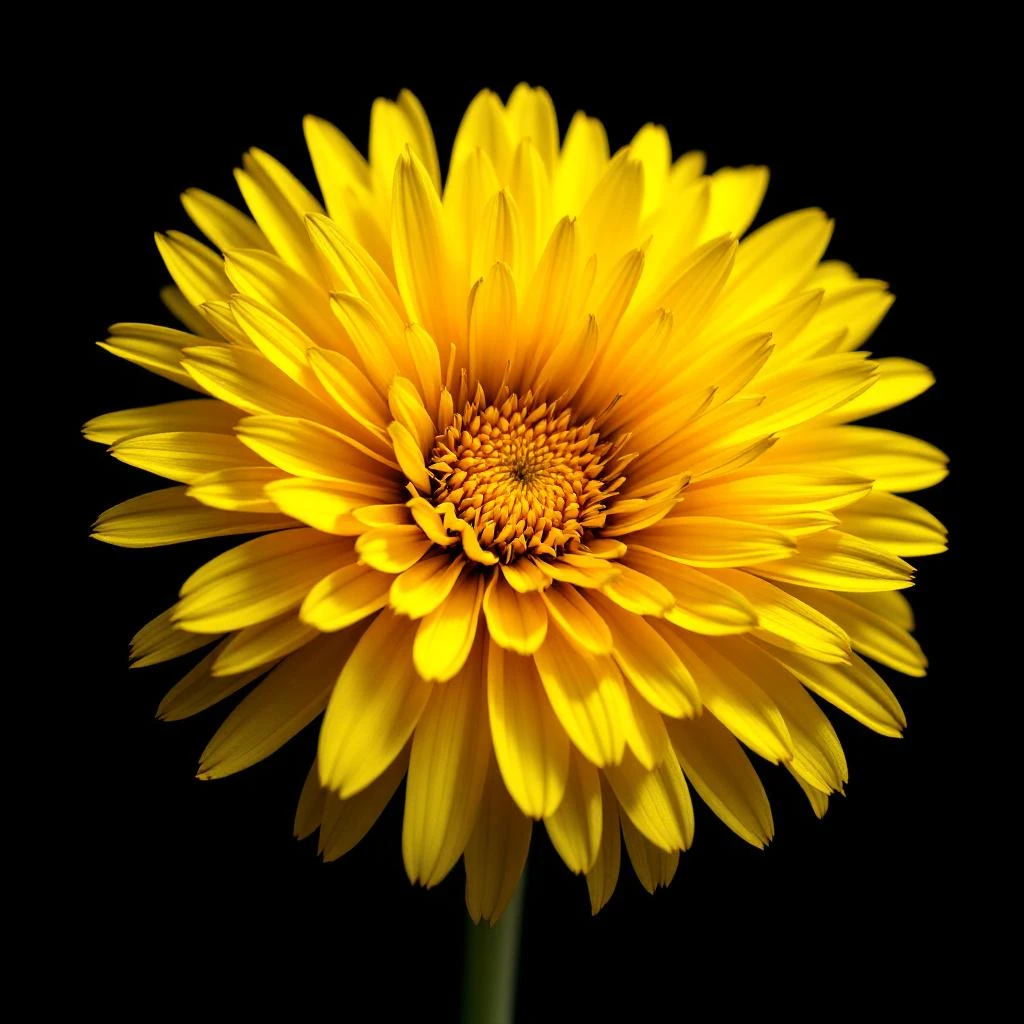
Bright, slightly bitter green note from dandelion flower heads, tinged with honey and almond, adds a fresh herbaceous lift that brightens both citrus top notes and woody bases.
Character
How it smells
Wild green freshness captured in a golden absolute.
Dandelion was listed as a perfume ingredient on an Egyptian papyrus dating to 1500 BC, making it one of the oldest recorded fragrance materials still used today.





Origin
France
Ancient Egyptians prized dandelion for its bright scent, recording its use on a papyrus that dates back to 1500 BC. Greek physicians later noted its aromatic and medicinal properties, describing the flower as a cleansing agent in ritual baths.
During the Middle Ages, European herbalists harvested wild dandelion to flavor ointments and incense, linking the plant to spring renewal festivals. The 19th‑century rise of modern perfumery in France brought the first commercial extraction of dandelion absolute, documented in a Parisian laboratory ledger from 1867.
By the early 20th century, French houses incorporated the note into floral‑citrus compositions, appreciating its ability to lift heavier accords. After World War II, renewed interest in natural ingredients revived dandelion’s popularity, and today niche brands cite its heritage as a bridge between ancient tradition and contemporary green fragrance trends.
Wears it best
Fragrances featuring Dandelion
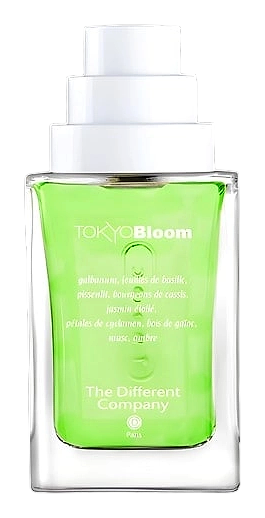
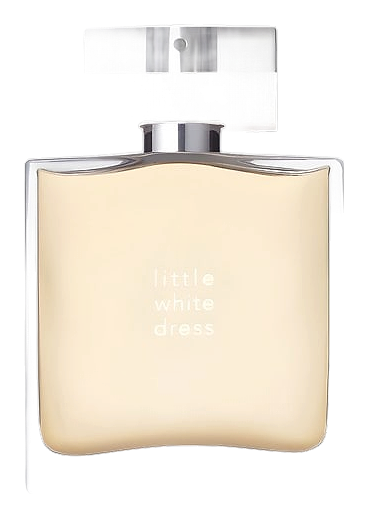
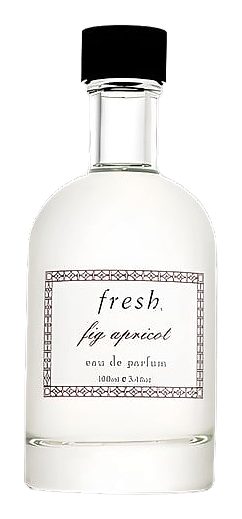
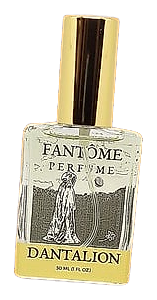
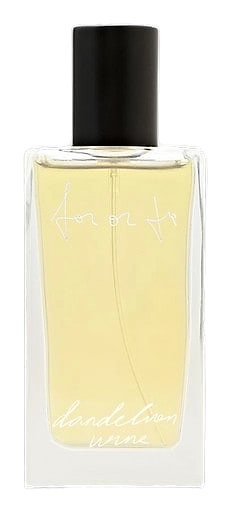
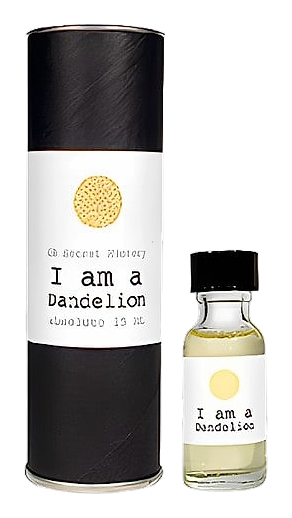
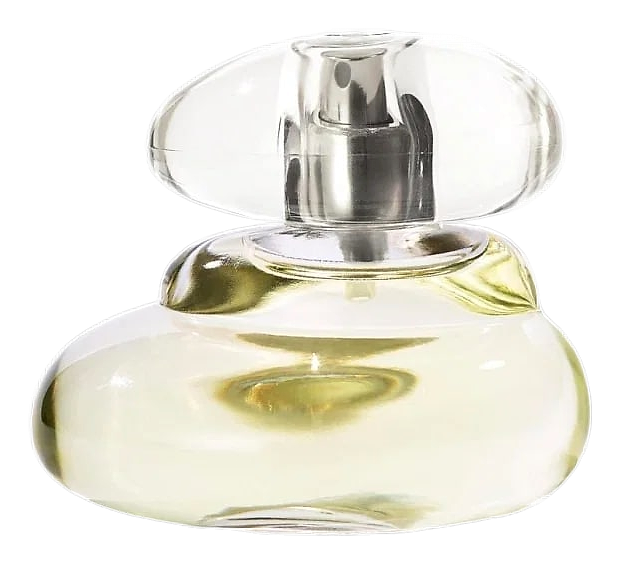
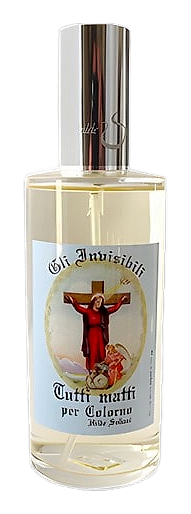
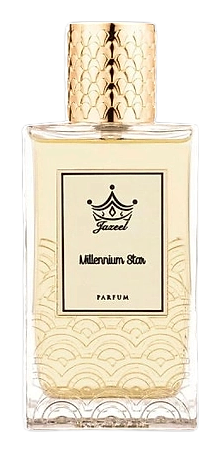
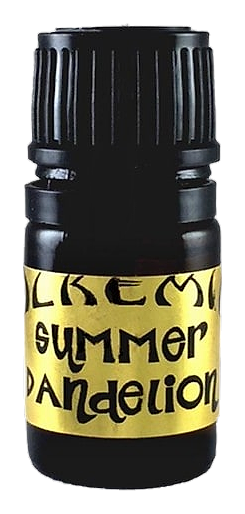
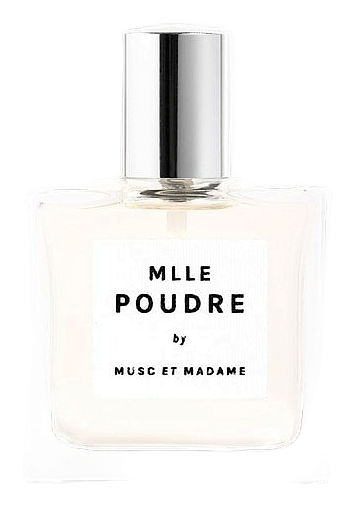
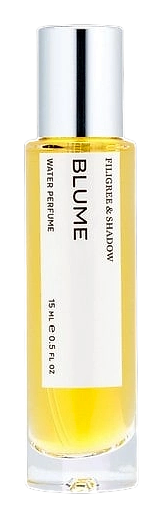
Brands
Brands known for Dandelion
Good to know
Questions, answered
The essentials on Dandelion in perfumery: how it smells, where it comes from, and how it behaves on skin.
What part of the dandelion plant is used in perfumery?
The flower heads provide the aromatic material. In 2022, French producers harvested 1,200 tonnes of dried heads for extraction, yielding a light green‑amber absolute. The petals contain sesquiterpenes and lactones that give the note its fresh, slightly bitter edge, while the roots hold deeper earthy tones used in niche blends.
How is dandelion absolute extracted?
Solvent extraction pulls the fragrance from fresh heads. In 2021, a French lab used hexane for 8 hours, then removed the solvent under vacuum to produce a viscous amber liquid. The resulting absolute retains the plant’s natural green‑herb character and blends well with citrus and woody accords.
What scent profile does dandelion contribute?
It adds a bright, slightly bitter green note with hints of honey and almond. A 2020 sensory panel recorded a median intensity of 6.2 on a 10‑point scale for freshness. The note balances well with citrus top notes and anchors base woods, creating a nuanced middle that brightens the composition.
When did dandelion first appear in recorded perfume formulas?
The earliest known formula dates to a 4th‑century Egyptian papyrus that lists dandelion flower paste as a base. Researchers decoded the text in 2018, confirming its use alongside myrrh and frankincense. This early application shows that the plant’s bright aroma was valued for ritual purification long before modern extraction methods.
Is dandelion sustainable as a fragrance ingredient?
Yes, it grows wild across temperate zones and can be harvested without replanting. In 2023, a German cooperative reported a 12 % increase in yield per hectare after implementing rotational grazing. The plant’s deep taproot improves soil structure, making it an environmentally friendly choice for green‑focused brands.
Can dandelion be synthetically replicated?
Laboratory chemists can mimic its key lactones, but the full green‑herb profile remains difficult to copy. In 2019, a synthetic analogue achieved 78 % similarity in GC‑MS analysis compared to natural absolute. Most perfumers still prefer the natural extract for its subtle complexity and authentic terroir expression.
What other ingredients pair well with dandelion?
Citrus zest, rosemary, and cedarwood create a balanced blend. A 2021 blending trial showed that adding 15 % dandelion absolute to a bergamot‑cedar base increased perceived freshness by 22 %. The herbaceous edge also softens sharp citrus, while the woody notes anchor the composition, making it suitable for both daytime and evening scents.
How long does dandelion absolute last on the skin?
It offers moderate longevity, typically lasting 4–6 hours on warm skin. A 2022 skin‑compatibility study measured an average evaporation half‑life of 2.8 hours for the absolute. When layered with base notes such as sandalwood or amber, the scent can extend beyond eight hours, providing a lingering green impression.



