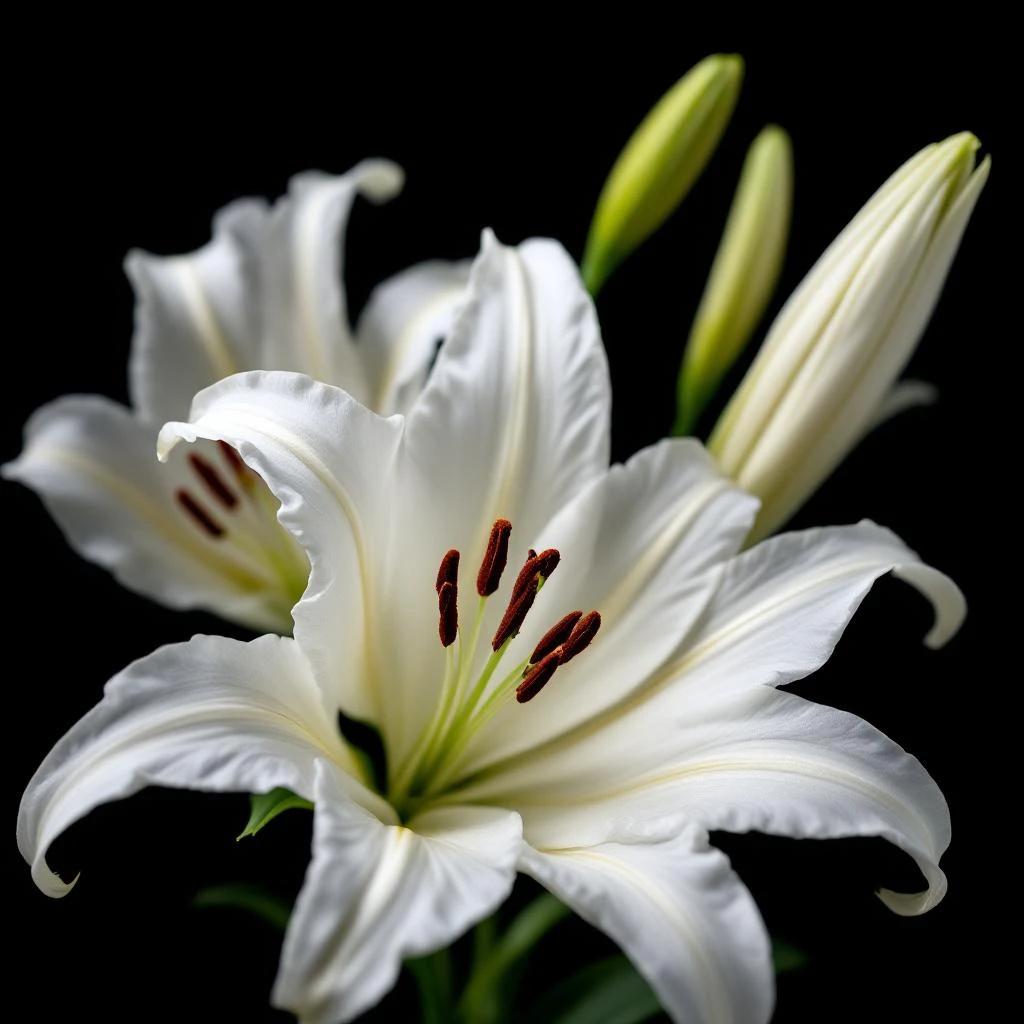
Baby's Breath
Baby's Breath is a modern perfumery accord that captures the ephemeral beauty of white florals and fresh linen. Rather than an extracted ingredient, it is a carefully constructed aroma evoking the delicate, airy quality of the Gypsophila flower and the clean softness associated with infanthood.
Character
How it smells
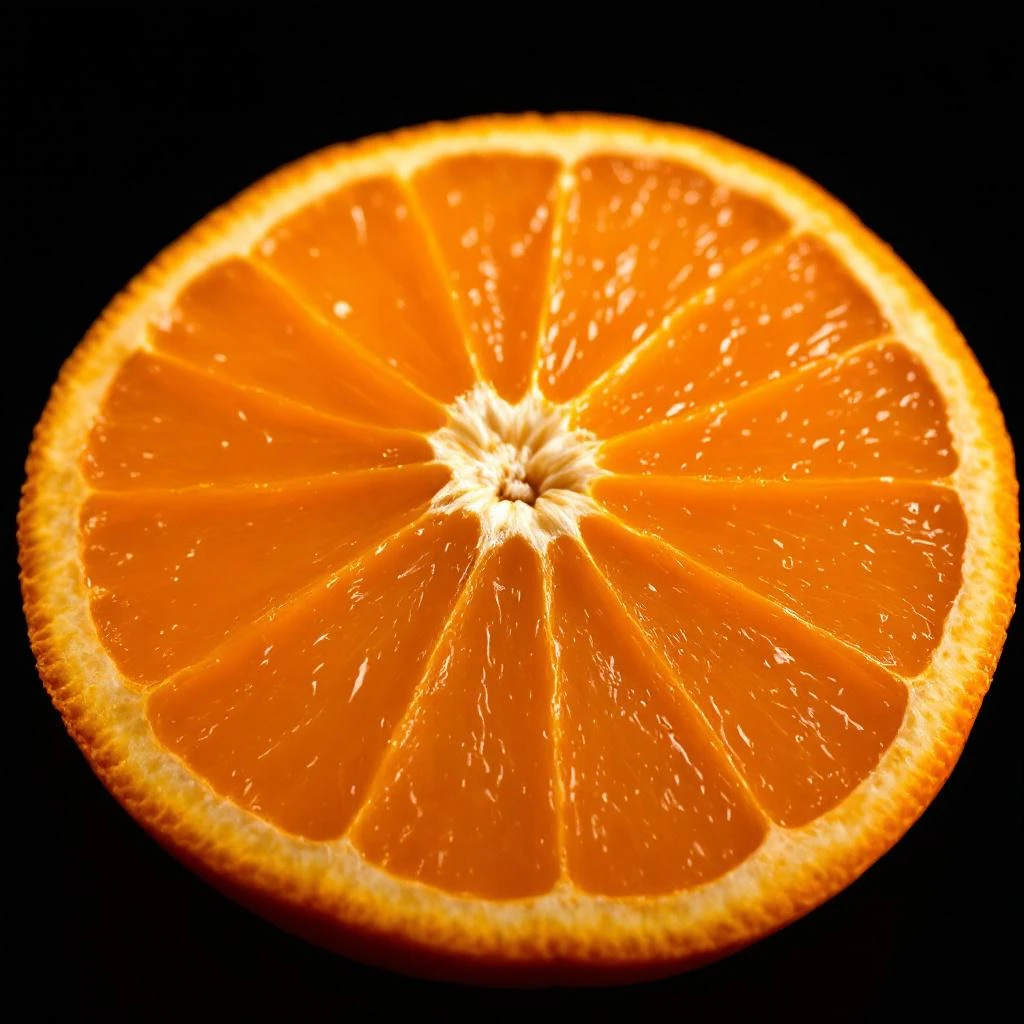
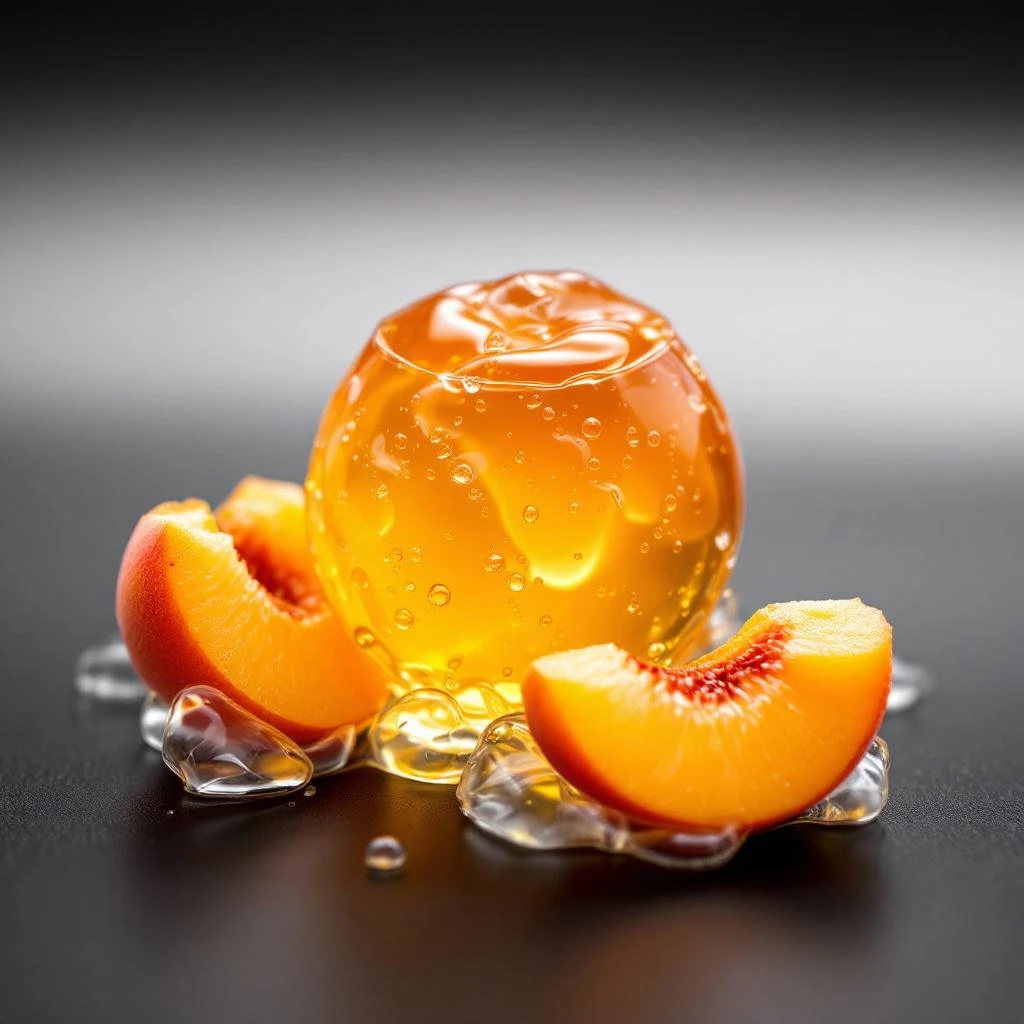
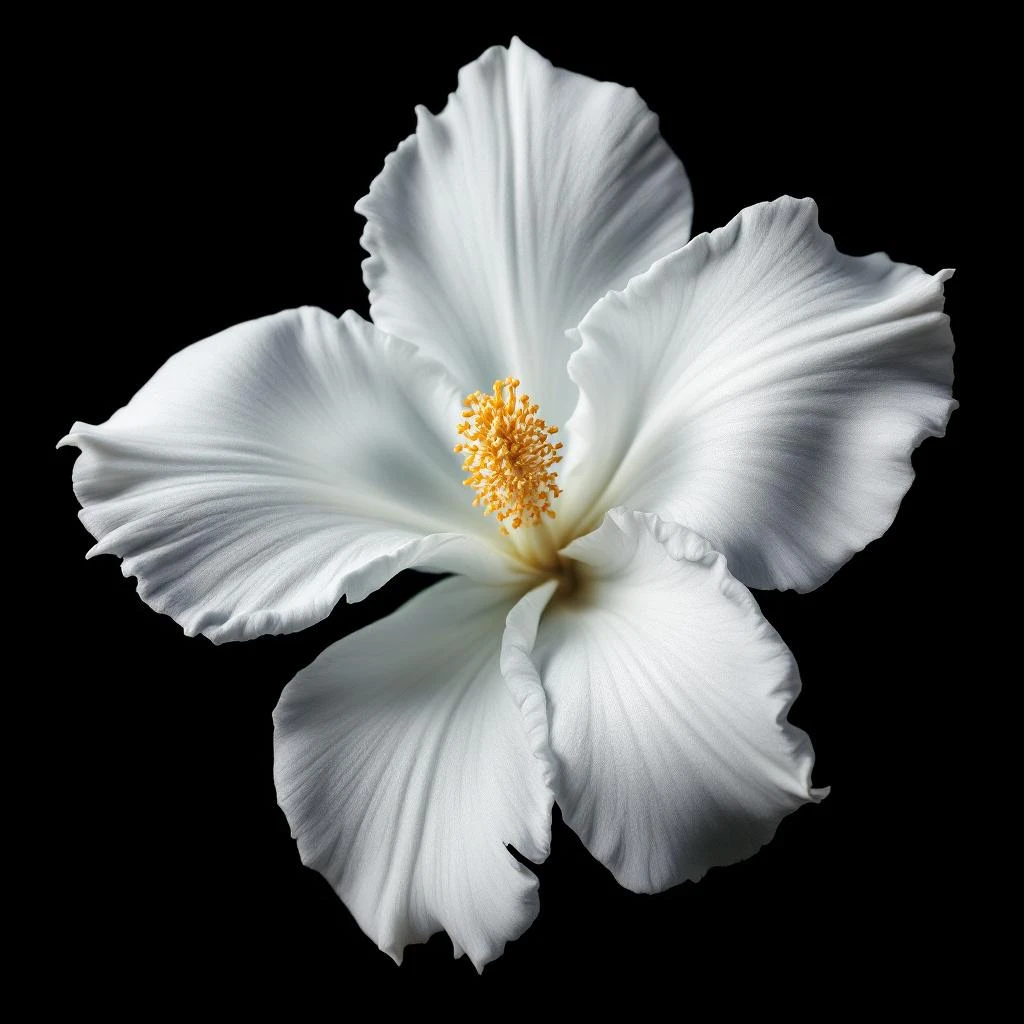
The clean, airy essence of white petals and sun-dried linen.
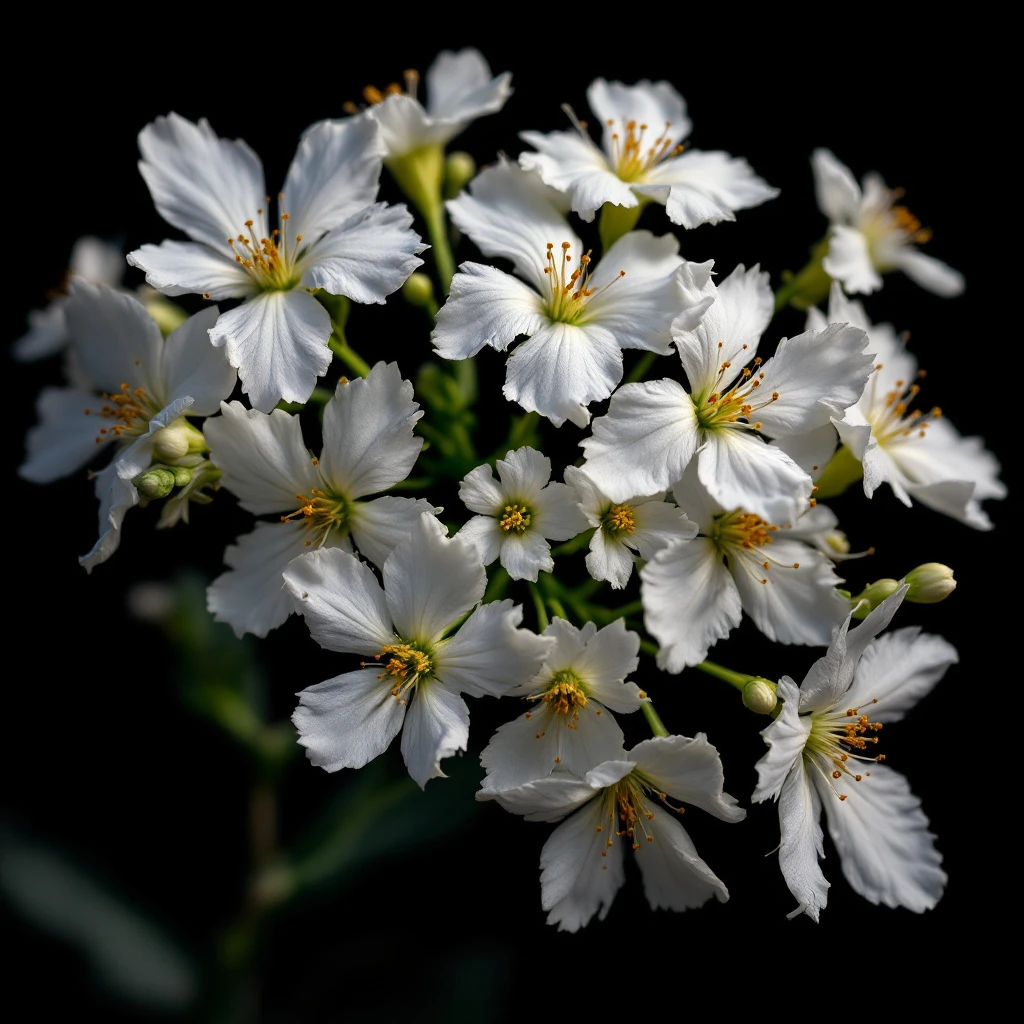
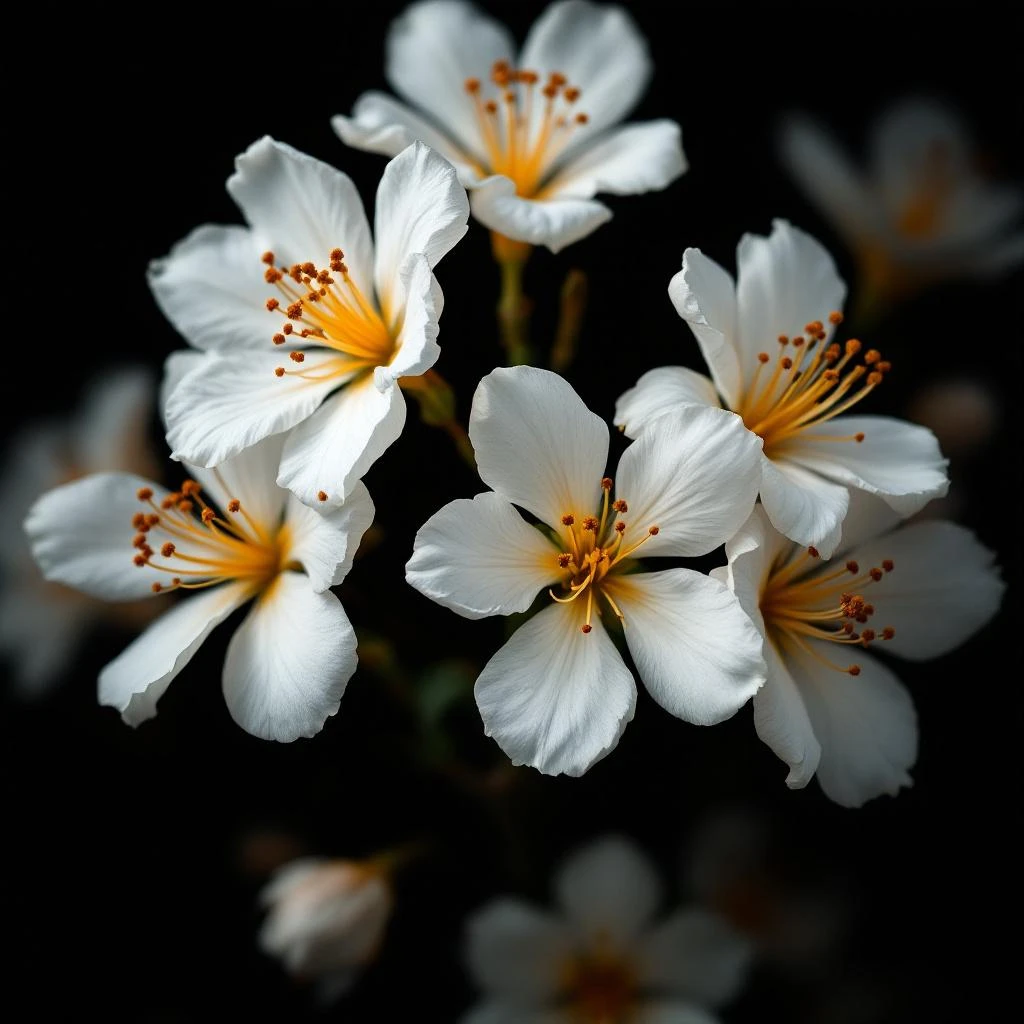
In Victorian flower language, Gypsophila symbolized purity and innocence, giving the plant its poetic common name while its actual scent contribution to perfume remains minimal.



Origin
France
The Gypsophila plant, native to the grasslands of Europe and western Asia, has served as a filler flower in arrangements since at least the Victorian era, valued for its cloudlike sprays of tiny white blooms that frame showier roses and peonies. Its symbolic association with purity and devotion made it a wedding staple, though its actual fragrance is negligible. Perfumers began referencing this visual and emotional impression in the late twentieth century, creating a synthetic accord that translated the idea of baby's breath into scent.
The concept gained momentum alongside minimalist fragrance movements in the 1990s and early 2000s, when consumers began seeking clean, skin-close perfumes that suggested freshness rather than overwhelming presence. By abstracting the delicate aesthetic of the flower into an aromatic construction, perfumers made the intangible quality of softness and innocence wearable and persistent.
Wears it best
Fragrances featuring Baby's Breath
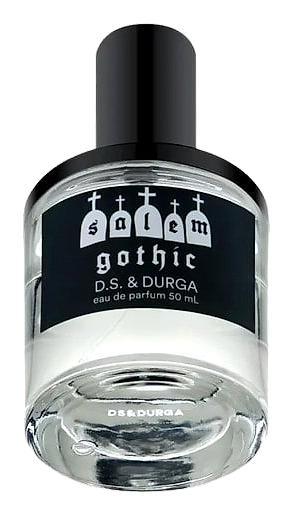
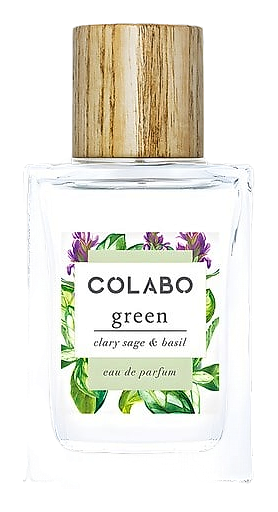
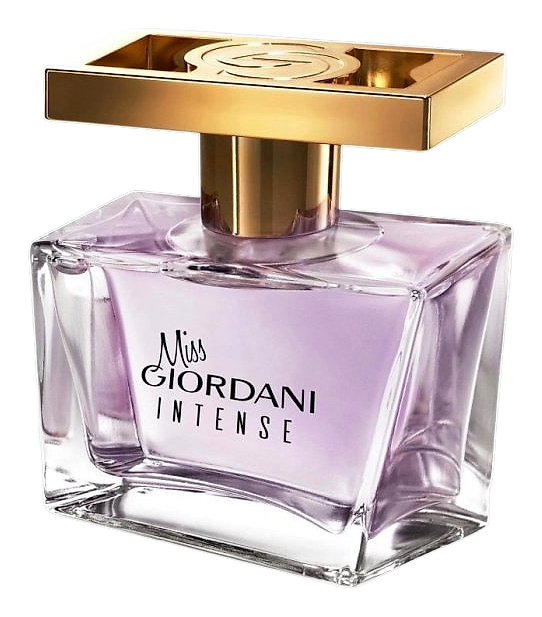
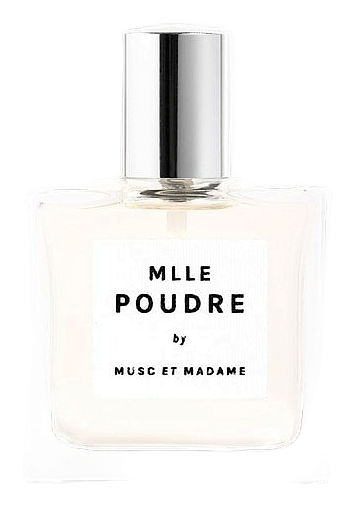
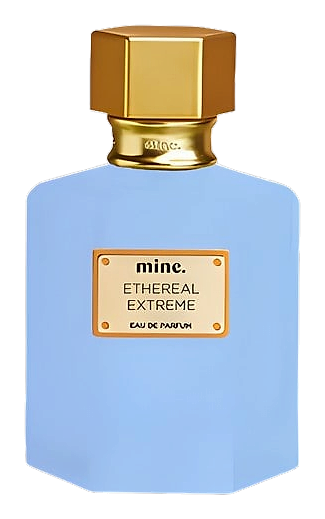
Brands
Brands known for Baby's Breath
Good to know
Questions, answered
The essentials on Baby's Breath in perfumery: how it smells, where it comes from, and how it behaves on skin.
What is Baby's Breath in perfumery?
Baby's Breath is a synthetic aromatic accord that evokes the visual and emotional qualities of the Gypsophila flower. It combines aldehydes, white musks, and subtle floral materials to suggest fresh linen, white petals, and clean air.
Is Baby's Breath a natural ingredient?
No. Baby's Breath is a constructed aroma rather than a single extracted material. The Gypsophila plant itself has minimal fragrance, so perfumers build this impression synthetically from aromatic compounds that collectively suggest cleanliness and floral softness.
What notes appear in a Baby's Breath accord?
Typical components include aliphatic aldehydes for sparkle, soft musks for warmth and skin-like quality, and small amounts of jasmine absolute or lily of the valley to introduce organic floral depth. The overall effect is airy, clean, and slightly powdery.
When did Baby's Breath appear in perfumery?
The concept emerged in the late twentieth century alongside minimalist fragrance trends. References to this airy, pure impression became more common in the 1990s and 2000s as clean and skin-close perfume aesthetics gained popularity.
What fragrance families use Baby's Breath?
Baby's Breath frequently appears in floral, fresh, and clean fragrance families. Perfumers use it as a bridging note to add airiness to heavier bases or to soften the edges of bright top notes, making it a versatile supporting player.
Does Baby's Breath smell like the flower?
The actual Gypsophila flower has very little scent. Baby's Breath in perfumery instead captures the emotional impression of the flower: its delicate visual presence, its association with purity, and the clean feeling of white petals against fresh fabric.
What materials create the clean, airy effect?
Aliphatic aldehydes such as C10 and C11 provide waxy, sparkling lift. White musks like Galaxolide or Habanolide add skin-close warmth without heaviness. These are balanced with trace floral materials to prevent the accord from smelling purely chemical.
How do perfumers use Baby's Breath in formulations?
Perfumers employ it as a modifier and bridge note. It adds airy volume to transparent fragrance constructions, softens the projection of heavy florals, and extends the perceived freshness of citrus or marine top notes throughout the wear.