Calla Lily
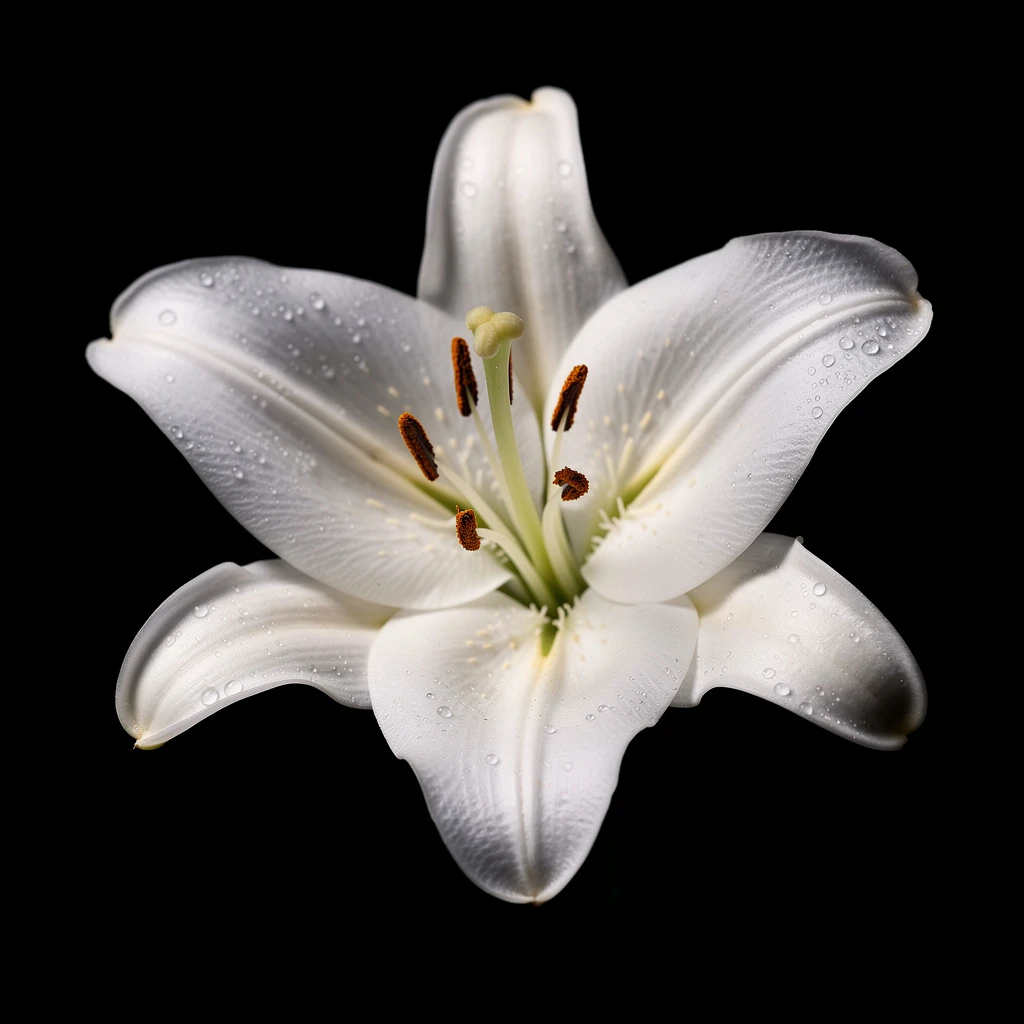
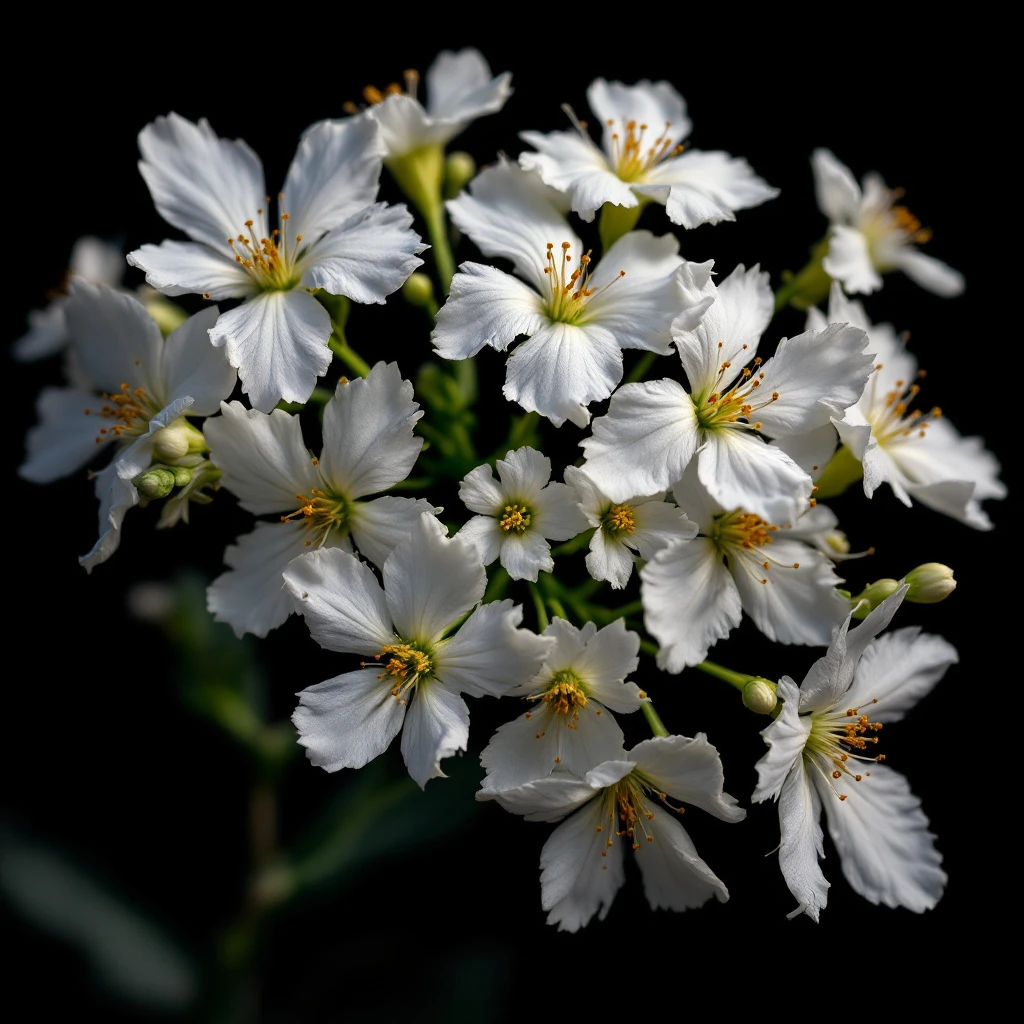
Calla lily (Zantedeschia aethiopica) is a sculptural bloom from Southern Africa prized in perfumery for its subtle, green-floral character. Though not a true lily, its elegant presence adds quiet sophistication to luxury fragrances as a reconstructed aromatic.
Character
How it smells
The sculptural bloom that speaks in whispers, not shouts.
Despite its common name, calla lily belongs to the arum family (Araceae), not the Liliaceae family of true lilies.


Origin
South Africa
Calla lily traces its roots to the marshlands and riverbanks of Southern Africa, where Dutch botanist Johannes Burman first described Zantedeschia aethiopica in the 18th century, naming it after his colleague Giovanni Zantedeschia. European horticulturists adopted the plant rapidly, drawn to its dramatic white spathes and year-round cultivation potential. The Victorians prized calla lilies as symbols of elegance and beauty, frequently featuring them in wedding arrangements and formal gardens.
While the flower never became a traditional perfumery ingredient due to its subtle scent, perfumers eventually embraced its name and associations, creating reconstructed accords that honor its refined aesthetic. Today, calla lily appears primarily in high-end fragrances marketed for their sophisticated, understated floral character.
Wears it best
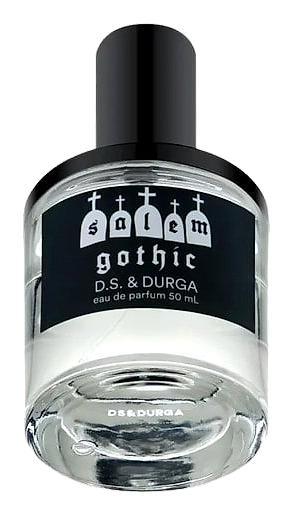
Fragrances featuring Calla Lily
Brands
Brands known for Calla Lily
Good to know
Questions, answered
The essentials on Calla Lily in perfumery: how it smells, where it comes from, and how it behaves on skin.
Is calla lily a true lily?
No. Calla lily (Zantedeschia aethiopica) belongs to the arum family (Araceae), not the Liliaceae family. True lilies include species like Lilium candidum and Lilium regale.
Does perfumery use natural calla lily extract?
No. Commercial extraction of calla lily is not viable because the bloom contains negligible aromatic compounds. Perfumers create synthetic reconstructions that capture its subtle green-floral character.
What does calla lily smell like in fragrance?
The reconstructed scent profile features mild floral tones with crisp cucumber-like freshness, a whisper of honey, and a subtle green backbone reminiscent of freshly cut stems.
What aroma chemicals recreate calla lily?
Symrise, Givaudan, and BASF produce proprietary blends featuring green aldehydes, nonadienal, and floral alcohols. Hydroxycitronellal and cyclamen aldehyde provide the foundation.
When did calla lily enter perfumery?
Calla lily arrived in European gardens during the 18th century. Its adoption as a named fragrance note occurred much later, primarily in late 20th-century luxury florals.
Which fragrance families use calla lily?
It appears most often in white floral and green chypre compositions. Perfumers pair it with jasmine, gardenia, tuberose, and dewy green notes for a refined, contemporary effect.
Does calla lily grow wild outside Africa?
Yes. It naturalized in temperate regions worldwide after its introduction by European botanists. It now grows wild in parts of Australia and along coastal California.
Why do perfumers reconstruct instead of extract calla lily?
The fresh flower produces insufficient aromatic material for commercial extraction. Reconstruction ensures consistent, sustainable, and cost-effective production while preserving the bloom's character.