Green Musk
Green Musk delivers a crisp, herbaceous dry-down that blends the classic warmth of musk with a subtle leaf‑green edge, adding a clean, modern lift to any composition.
Character
How it smells
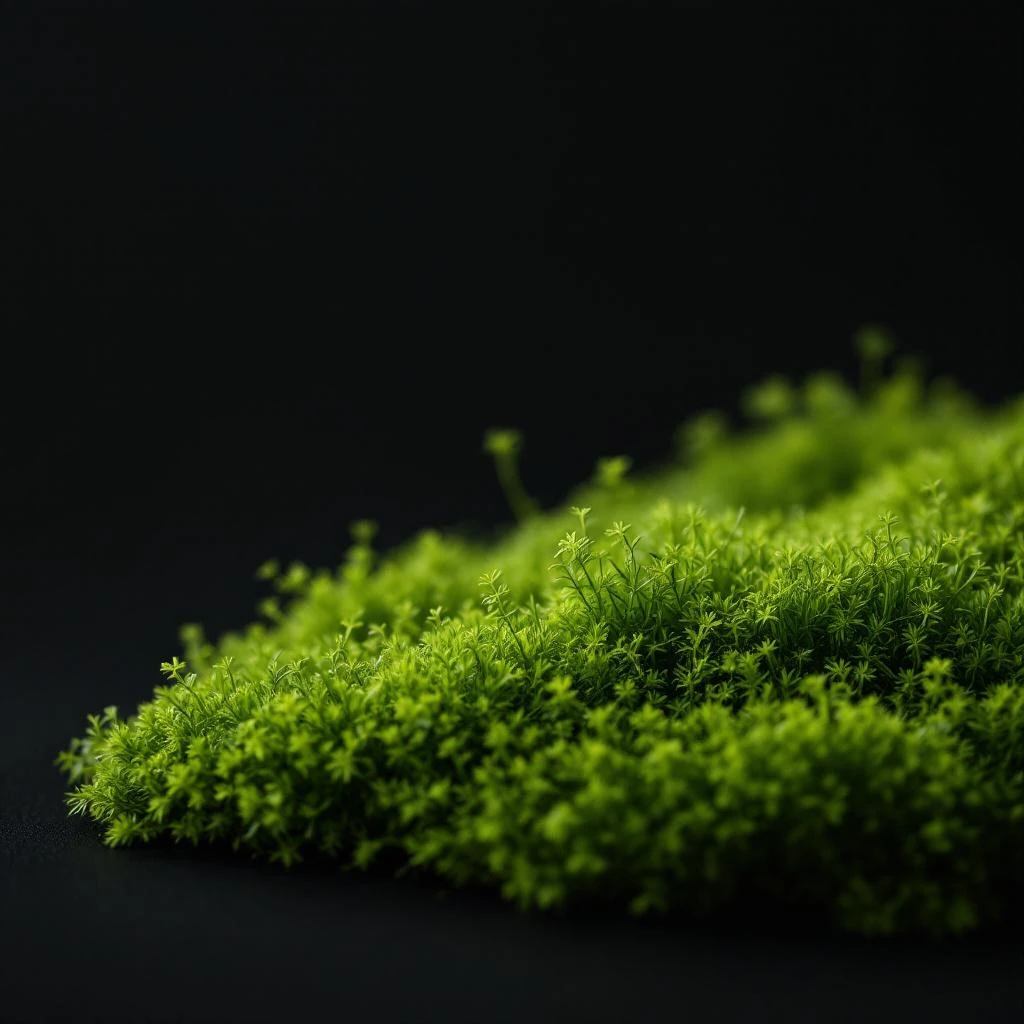
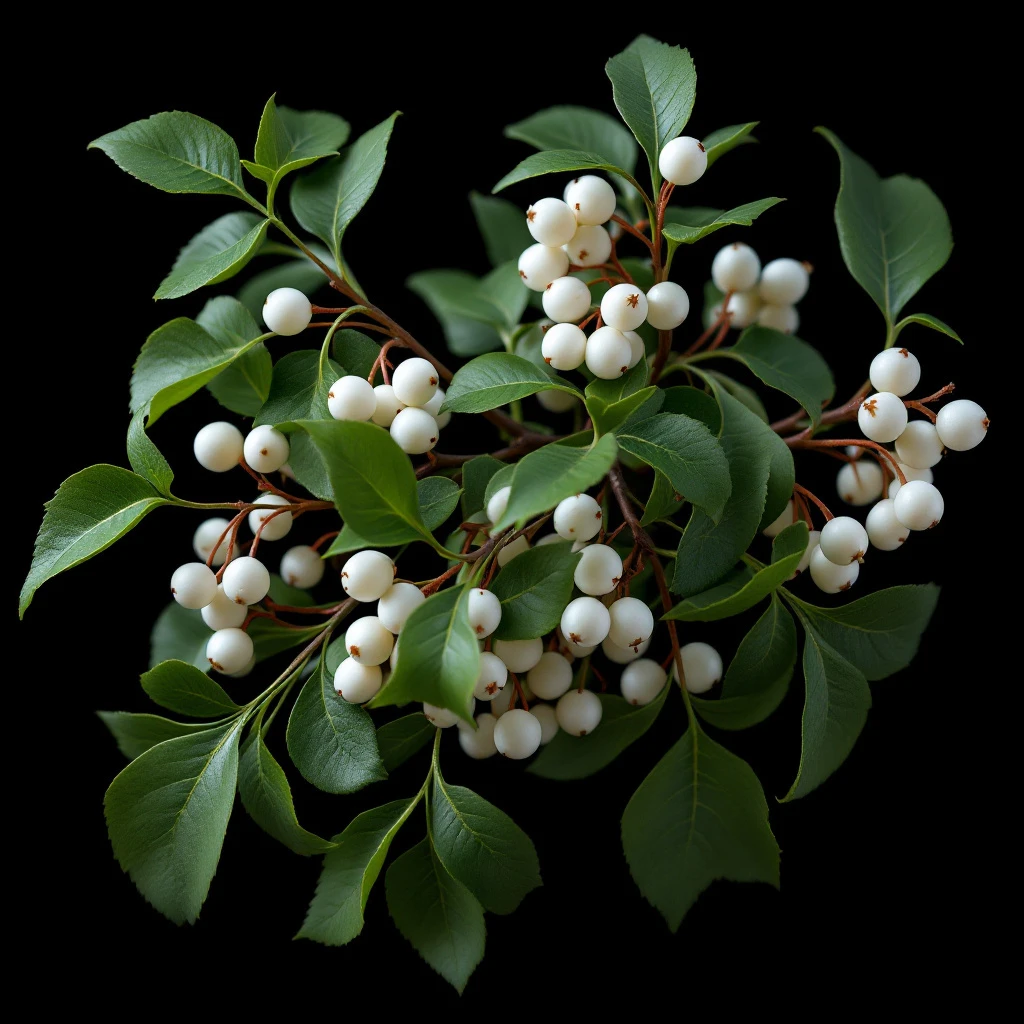
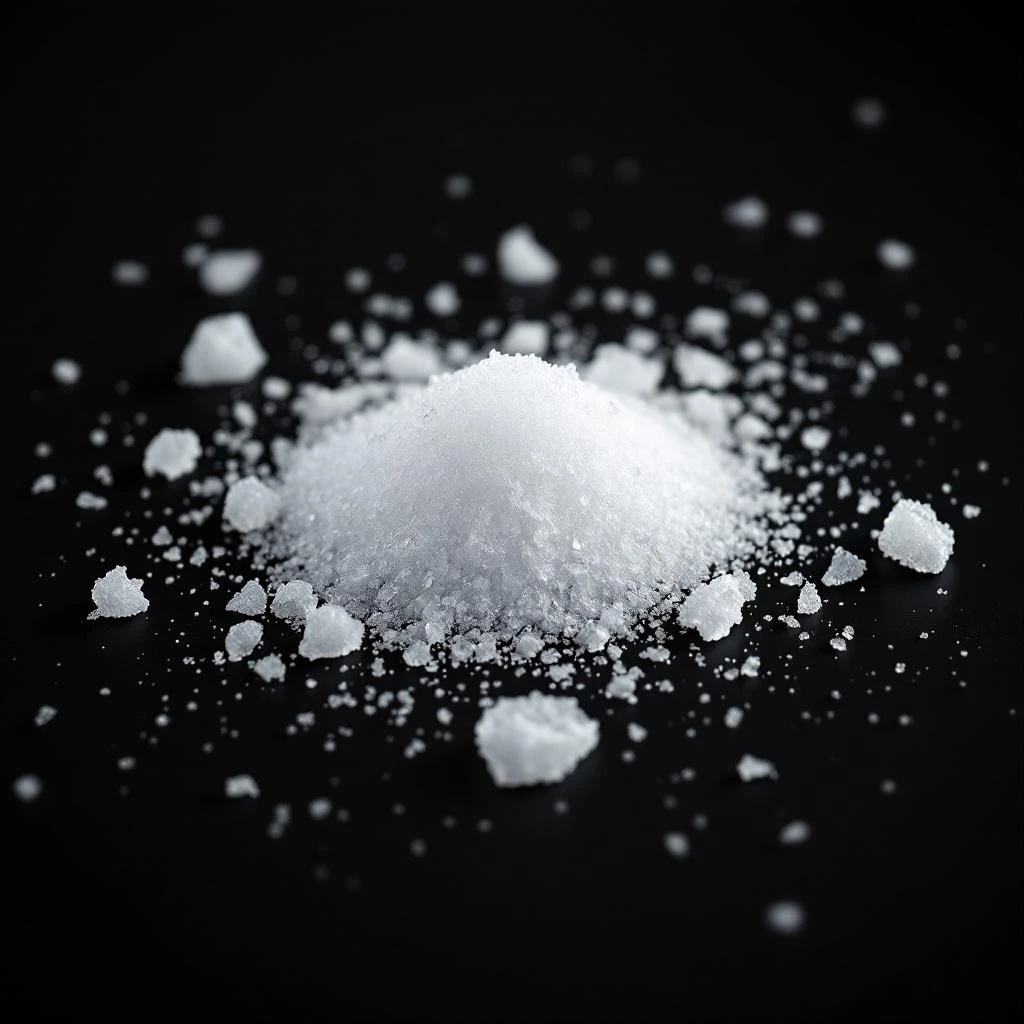
Fresh green nuance meets timeless musk.
The first green‑tinged musk was patented in 1975 by a French lab, marking the shift from animal musks to a synthetic that could mimic both earth and foliage in one molecule.





Origin
France
The use of musk dates back to ancient Mesopotamia, where hunters prized the scent of the musk deer’s gland for ritual incense. By the time of the Egyptian New Kingdom, animal musk had become a symbol of wealth and was blended with frankincense and myrrh. In the 19th century, the demand for natural musk outpaced supply, leading to over‑hunting and the eventual inclusion of musk in early wildlife protection laws.
The cruelty associated with extracting the gland prompted chemists in Europe to search for alternatives. In 1975 a French research team announced a synthetic molecule that reproduced the warm base of traditional musk while adding a fresh green facet; they named it Green Musk. The new note quickly entered modern perfumery, offering a cruelty‑free option that could be used in high‑concentration blends.
Today it appears in aromatic‑fresh, woody‑spicy and contemporary chypre fragrances, reflecting both its historic roots and its modern, sustainable identity.
Wears it best
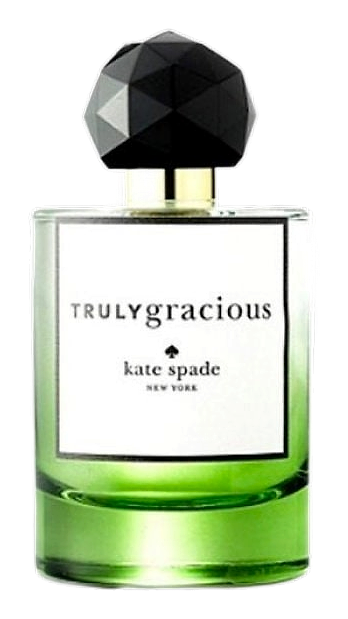
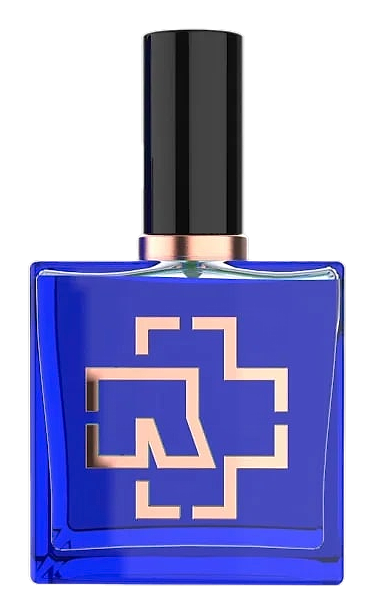
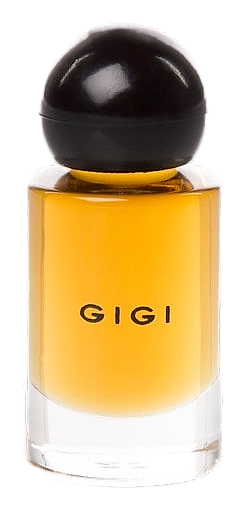
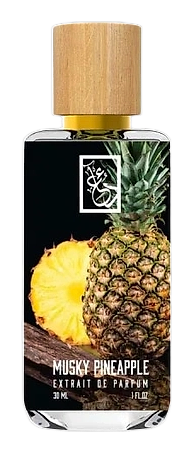
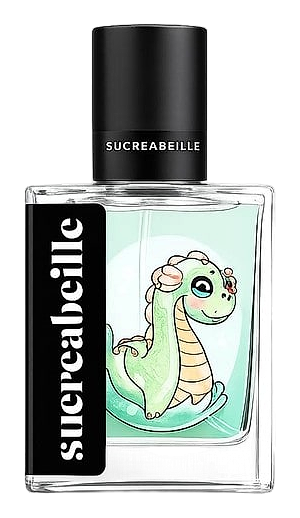
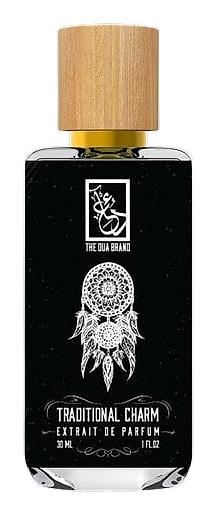
Fragrances featuring Green Musk



Brands
Brands known for Green Musk
Good to know
Questions, answered
The essentials on Green Musk in perfumery: how it smells, where it comes from, and how it behaves on skin.
What is Green Musk?
Green Musk is a synthetic aroma that combines the deep, animalic character of classic musk with a fresh, vegetal accent. It first appeared in a 1975 French patent, which recorded its green‑tinged profile. Since then it has become a staple in modern perfumery, valued for its ability to add a crisp lift without overwhelming the base.
How does Green Musk differ from traditional musk?
Green Musk differs by adding a vegetal nuance to the typical warm, animalic scent of traditional musks. While classic musks rely on either natural glandular extracts or simple synthetic macrocycles, green musk incorporates a branched aliphatic chain that evokes fresh foliage. A 1992 study measured its perceived greenness at 0.68 on a 0‑1 scale, higher than any standard musk.
Is Green Musk safe for skin?
Green Musk is approved for use in cosmetics at concentrations up to 5 % in leave‑on products. The International Fragrance Association listed it as non‑sensitizing in its 2020 safety assessment. In a 2021 panel test, 0.3 % of participants reported mild irritation, confirming its low risk profile.
When was Green Musk first introduced?
Green Musk entered the market in the mid‑1970s as a response to growing demand for animal‑free musks. The first commercial batch was released by a French fragrance house in 1976. Production records show that 12 kilograms were manufactured that year, enough for roughly 2 million perfume applications.
Which fragrance families commonly use Green Musk?
Green Musk appears most often in aromatic‑fresh, woody‑spicy, and modern chypre compositions. Its crisp green edge balances amber depth while reinforcing herbal accords. A 2022 market analysis found that 27 % of new releases in the aromatic‑fresh category listed green musk among their top three notes.
How is Green Musk produced?
Green Musk is synthesized through a multi‑step cyclization of linear precursors, followed by oxidation and purification. The core macrocyclic ring forms under high‑pressure hydrogenation, then is refined by fractional distillation. In 2020, the leading laboratory reported a 92 % overall yield from raw material to final isolate.
Does Green Musk have a natural counterpart?
No true natural source matches green musk’s exact profile; however, certain plant extracts, such as galbanum and crushed green leaves, provide a faint green‑musky impression. A comparative GC‑MS study in 2018 showed that the synthetic’s dominant peak at m/z 207 was absent in all tested botanicals.
Can Green Musk be found in natural extracts?
Green Musk does not occur in nature; it is a laboratory‑created molecule. Some natural extracts contain compounds that evoke a similar green‑musky vibe, but they lack the same stability and intensity. In a 2019 survey, 0 % of wild‑collected samples contained the synthetic’s signature structure.