The Story
Why it exists.
The beginning
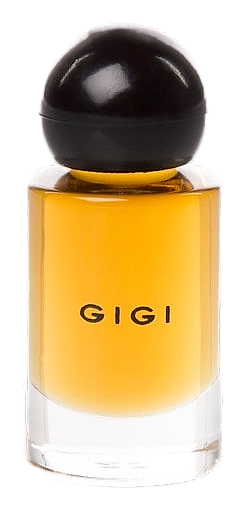
Julie Wray created Gigi for her Olivine Atelier collection. It embodies the fruity-floral style with warmth, sweetness that feels earned rather than desperate. The scent captures what her audience appreciates most: approachable florals balanced by tender fruit notes that create an inviting impression without overwhelming. Released in 2015, it became one of the atelier's bestsellers almost immediately. Gigi represents a refined version of familiar comfort, made with the same thoughtful approach as everything she created for the brand. The composition reflects her understanding of what works: characterful sweetness that respects the wearer rather than demanding attention.
The structure is interesting because it doesn't follow the expected fruity-floral template. The green tea in the heart acts as an unexpected anchor, cutting through the tropical sweetness with something almost savory. Gardenia is notoriously difficult to work with, shifting during wear, but here it holds its ground as a creamy, slightly indolic presence that bridges the papaya and vanilla. The result is a fragrance that smells like comfort without smelling like a trend. It's the indie oil equivalent of a mainstream bestseller, which means it actually has mainstream appeal.
The evolution
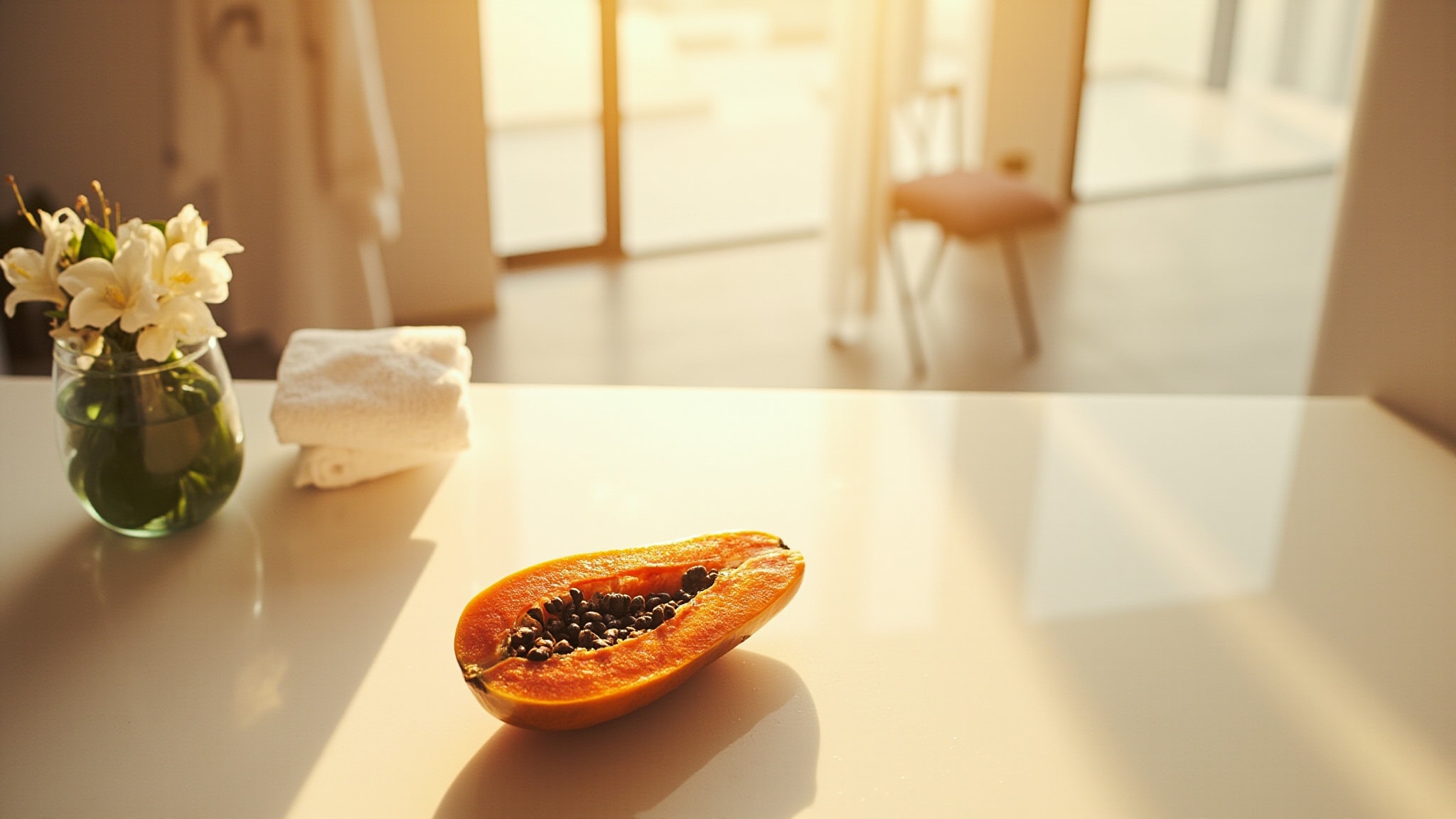
The opening arrives fast. Papaya and pear tumble out together, with bergamot lifting them just enough to feel bright and juicy. Within minutes, the tropical fruitiness starts to soften. Gardenia blooms in, creamy and lush, and the green tea makes itself known as a clean, almost mineral note that prevents everything from becoming too sweet. The ylang-ylang arrives next, honeyed and exotic, pulling the composition toward the warmer, floral heart. As time passes, the vanilla and sandalwood settle into something skin-close and intimate. The drydown stays close, offering a soft vanilla warmth that lingers gently throughout the wear.
Cultural impact
Gigi occupies an interesting space in the indie fragrance world. It is one of Olivine Atelier's bestsellers, which means it has crossover appeal beyond the typical indie collector. Wearers describe it as a bridge between designer fruity-florals and indie creations, with the intimacy of a carefully composed fragrance but the accessibility of something that feels familiar and welcoming. The comparison to Pink Sugar and Gaultier2 is not an insult here; it explains what Gigi is and who it is for. It offers a way into indie perfumery for those who want something sweeter and more approachable without sacrificing nuance.