
The Story
Why it exists.
The beginning
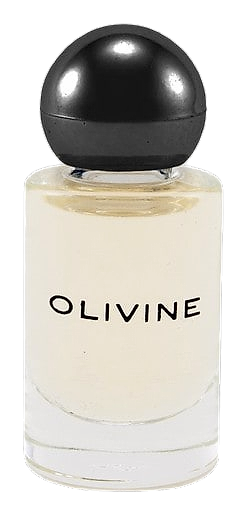
Oxley arrived as part of Julie Wray's signature fragrance collection at Olivine Atelier. Wray's compositions have long featured white florals paired with warm vanilla and skin-close musks. Oxley builds on that foundation, warmer and sweeter than her other work, with a darker undercurrent that adds depth. The result is a fragrance that feels personal and inviting.
Gardenia is notoriously tricky in perfumery, heat-sensitive and prone to shifting on skin, often requiring careful handling to keep it from turning medicinal or green. Julie Wray's choice to anchor Oxley around gardenia, then support it with vanilla absolute and jasmine, creates a lactonic quality: creamy, sweet, almost like the smell of warm milk. The African musk doesn't project so much as it fuses, settling into the composition and turning the drydown into something that smells like warm skin rather than perfume.
The evolution
The gardenia arrives first, luminous, creamy, tropical. A moment later the jasmine joins in, amplifying the sweetness without adding sharpness. The vanilla doesn't announce itself so much as it materializes, woven through the florals like a thread of warm honey. As the fragrance develops on skin, the florals soften and the vanilla deepens, while the African musk rises to the surface. What was a bright, sweet floral becomes something powdery and intimate, the smell of skin that happens to smell wonderful. The drydown remains close enough that you catch it when you move but never quite projecting beyond arm's length. On fabric, the scent lingers longer, a soft ghost of white floral warmth that fades gradually.
Cultural impact
Oxley occupies a specific corner of indie perfumery: the white floral for people who find tuberose too dramatic and gardenia too fleeting. It shares its sweet, lactonic character with fragrances like Diptyque Do Son and Kilian Love Don't Be Shy, but sits quieter and closer to skin than either. The brand's following, built through indie fragrance communities, tends toward collectors who seek out small-batch work rather than mass-market releases. That audience values the personal over the performative, which suits Oxley's nature precisely.