The Story
Why it exists.
The beginning
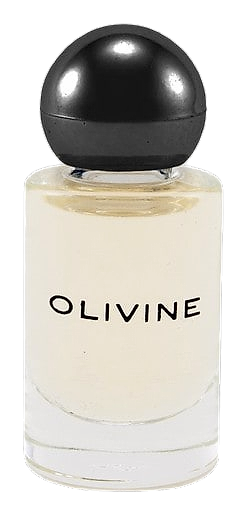
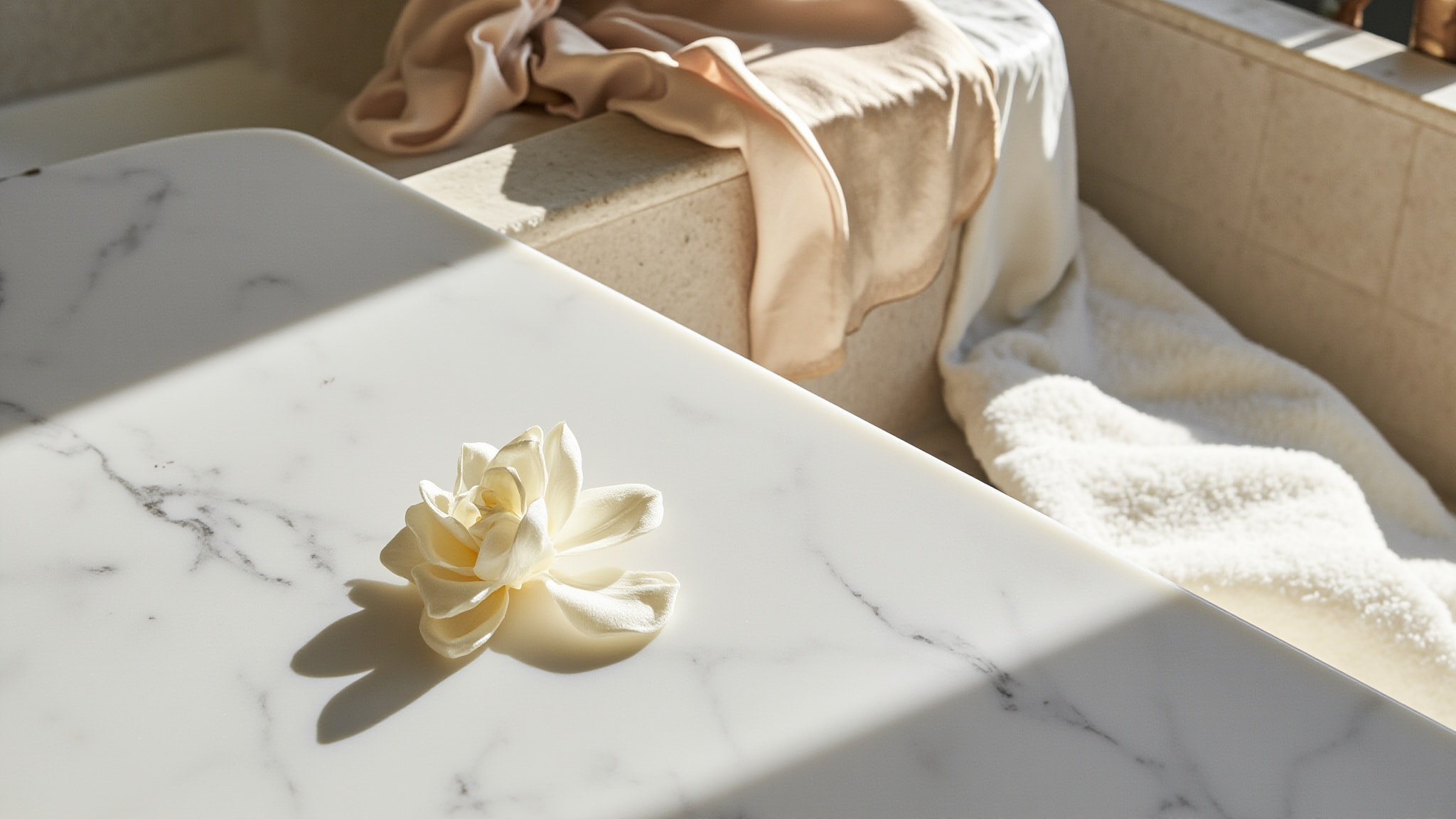
Julie Wray built Olivine around a single flower and a simple question: what if gardenia was allowed to be gardenia? The real thing, milky, slightly salty, with that edge the bloom carries when it's growing, not bottled. The 2015 release marked a moment for the Seattle atelier, translating this vision into a composition with unexpected presence and character, speaking to a wider audience than the boutique's intimate following could have suggested.
Two notes. Gardenia and musk. That's the entire structure, and the restraint is the point. The musk doesn't compete or complicate, it extends the gardenia, amplifying its creamy warmth while keeping everything close to the skin. It's a formulation that requires the flower to speak for itself, no rescue chords, no safety net. The result is a fragrance that forces you to either love gardenia as it exists in nature or discover you only loved the idea of it.
The evolution
The first minutes are confrontational. Gardenia arrives in full force, milky, salty, with the slightly funky edge that makes the note divisive. The enthusiasts review called it the 'bleu cheese' note, and that comparison isn't wrong. But it's also not a flaw. It's the flower being itself. As the sharpness begins to soften, the warmth underneath emerges: cream-warm petals, the cozy butter note reviewers mention. The drydown belongs to the musk. Close, intimate, skin-warm. It stays there for hours, not announcing itself, just present.
Cultural impact
Olivine has become a reference point for those seeking authentic white florals. The honest gardenia expression, unprettied, confrontational, then beautiful, resonates with those who appreciate what the note actually smells like in nature rather than in marketing copy. The fragrance stands apart from conventional offerings with its raw, uncompromising character.