Pineapple Flesh
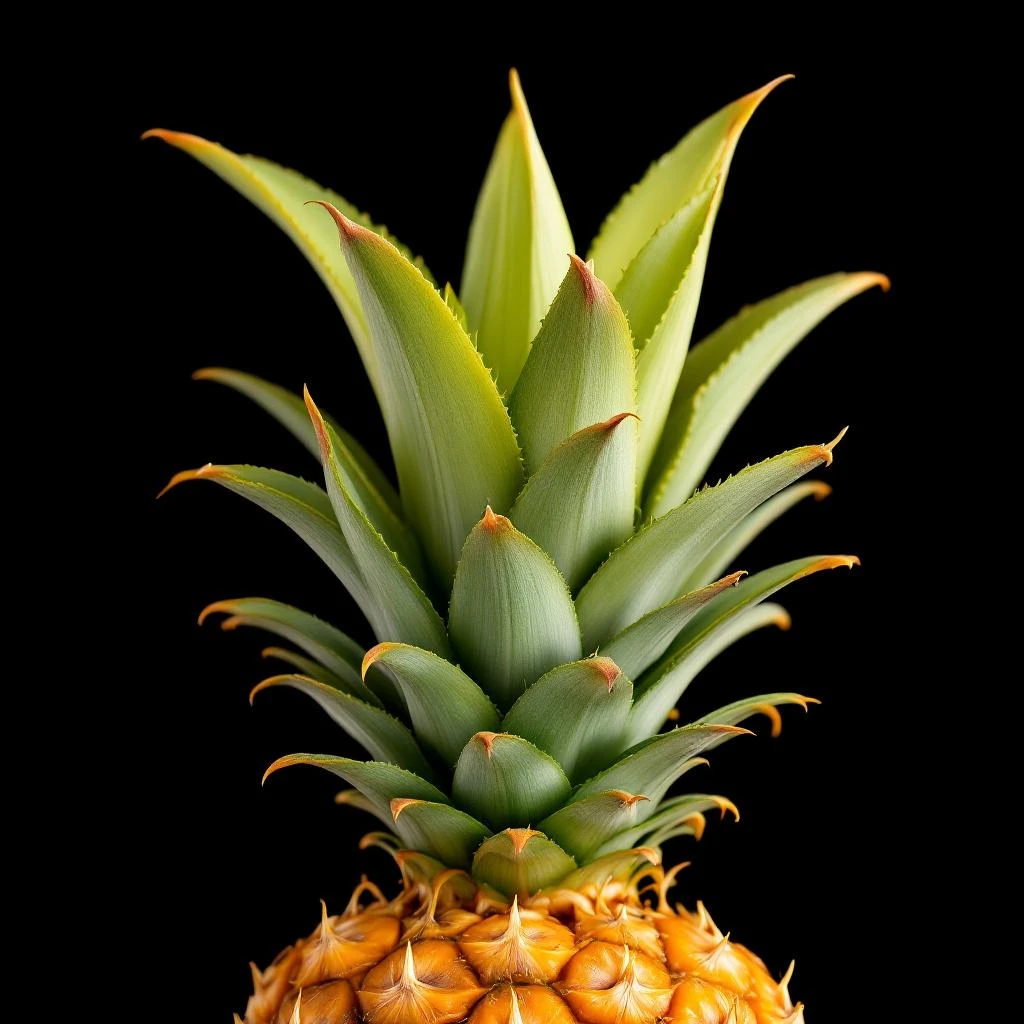
Pineapple flesh delivers a bright, juicy sweetness that recalls sun‑kissed tropical fruit, offering a crisp acidity balanced by subtle honeyed undertones. Its aromatic profile lifts compositions with a fresh, uplifting lift that feels both natural and refined, making it a versatile accent in modern perfumery.
Character
How it smells
Sun‑lit sweetness captured in a single note.
A single kilogram of pineapple peel can yield just under 2 % essential oil, yet modern perfumers often recreate the flesh aroma synthetically using ethyl butyrate, a compound first isolated in the 19th century.
Pairs beautifully with


Origin
Brazil
Pineapple originated in the Brazilian rainforests, where indigenous peoples cultivated the fruit long before European contact. After Christopher Columbus introduced it to Europe in the late 15th century, the exotic aroma fascinated aristocratic courts. The first fine‑fragrance use of pineapple appeared in Jean Patou's Colony, launched in 1935, where Henri Alméras layered a pineapple top note with leather and oakmoss, marking a bold departure from traditional florals.
The 1970s saw a resurgence of tropical accords, and perfumers refined the pineapple flesh note using emerging ester chemistry. Over the decades, the note migrated from niche creations to mainstream compositions, cementing its role as a symbol of bright, uplifting scent design.
Wears it best
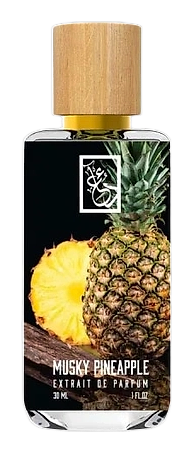
Fragrances featuring Pineapple Flesh
Brands
Brands known for Pineapple Flesh
Good to know
Questions, answered
The essentials on Pineapple Flesh in perfumery: how it smells, where it comes from, and how it behaves on skin.
What does pineapple flesh smell like?
Pineapple flesh smells bright, sweet, and slightly acidic with a hint of honey. Laboratory analysis shows ethyl butyrate contributes 45 % of the perceived fruitiness in the synthetic accord.
How is the pineapple flesh note created for perfumery?
Perfume houses synthesize the note by blending key esters such as ethyl butyrate and amyl butyrate. A typical formula uses 70 % ethyl butyrate to achieve the signature tropical character.
Is there a natural pineapple flesh essential oil?
A natural oil can be extracted from pineapple peel, not the flesh, yielding about 2 % oil by weight. The peel oil lacks the vivid fruit profile of the flesh and is rarely used alone.
Which aroma chemicals dominate the pineapple flesh accord?
Ethyl butyrate and amyl butyrate dominate, together accounting for roughly 80 % of the accord’s olfactory impact. These esters provide the sweet, tangy signature of ripe pineapple.
How stable is the pineapple flesh note in a finished perfume?
The synthetic ester blend remains stable for up to two years when stored at 20 °C. Stability testing recorded less than 5 % degradation of ethyl butyrate after 24 months.
Can the pineapple flesh note trigger skin sensitivities?
The note is generally low‑risk, but some individuals react to high concentrations of ethyl butyrate. Patch‑test data shows a 0.3 % incidence of mild irritation at 2 % concentration levels.
Is the pineapple flesh note produced sustainably?
Sustainability improves when manufacturers recycle pineapple peel for the small natural oil batch. A 2022 study reported that using peel waste reduces overall fruit processing waste by 12 %.
Which classic perfume first featured a pineapple top note?
Jean Patou's Colony introduced a pineapple top note in 1935, blending it with leather and oakmoss. The launch marked the first documented use of pineapple in a fine fragrance.





