Red Pine Resin
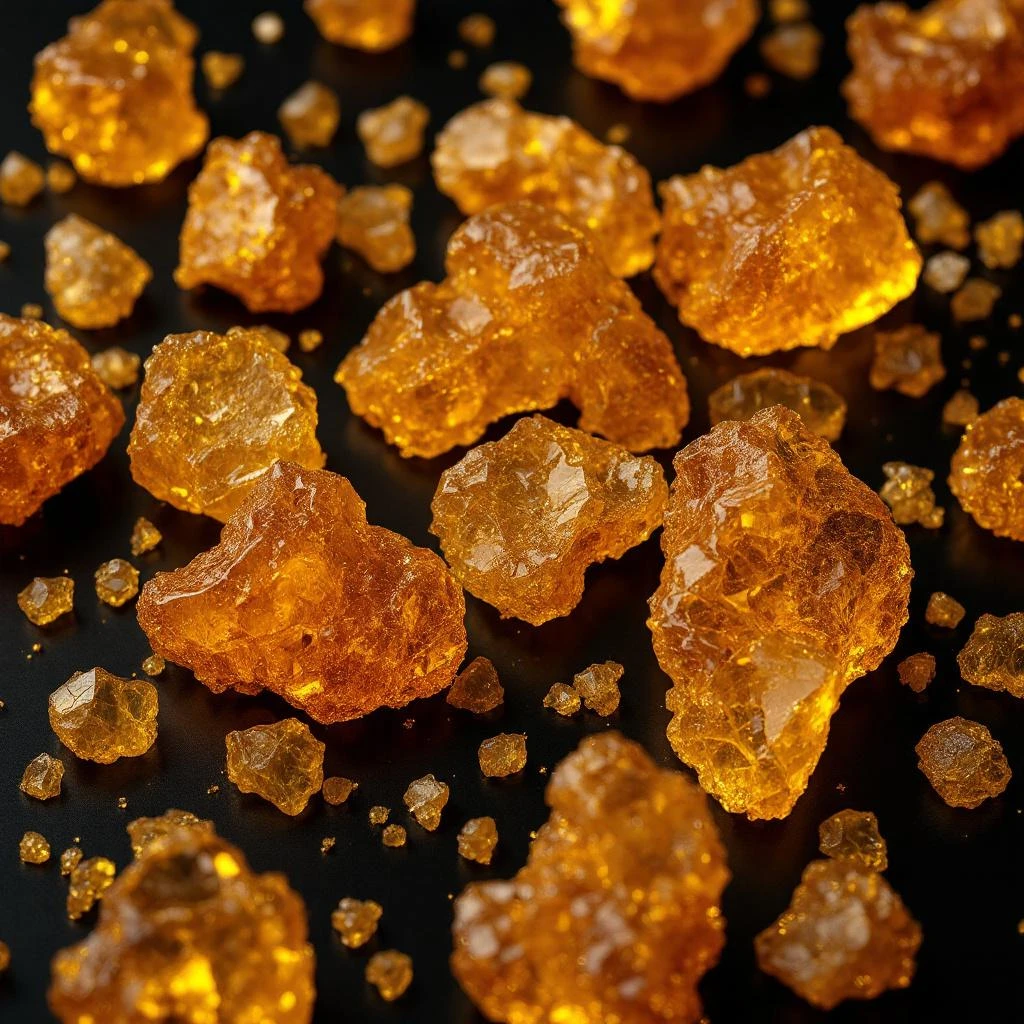
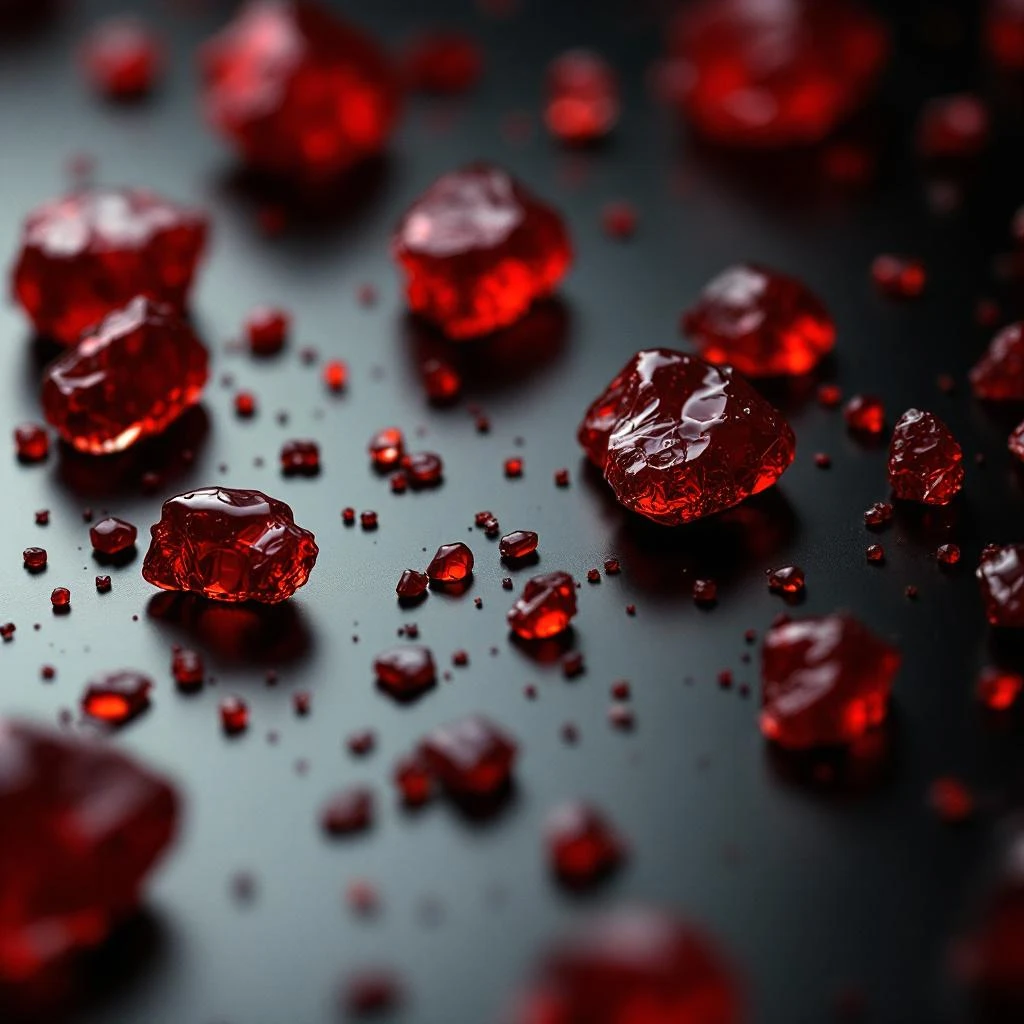
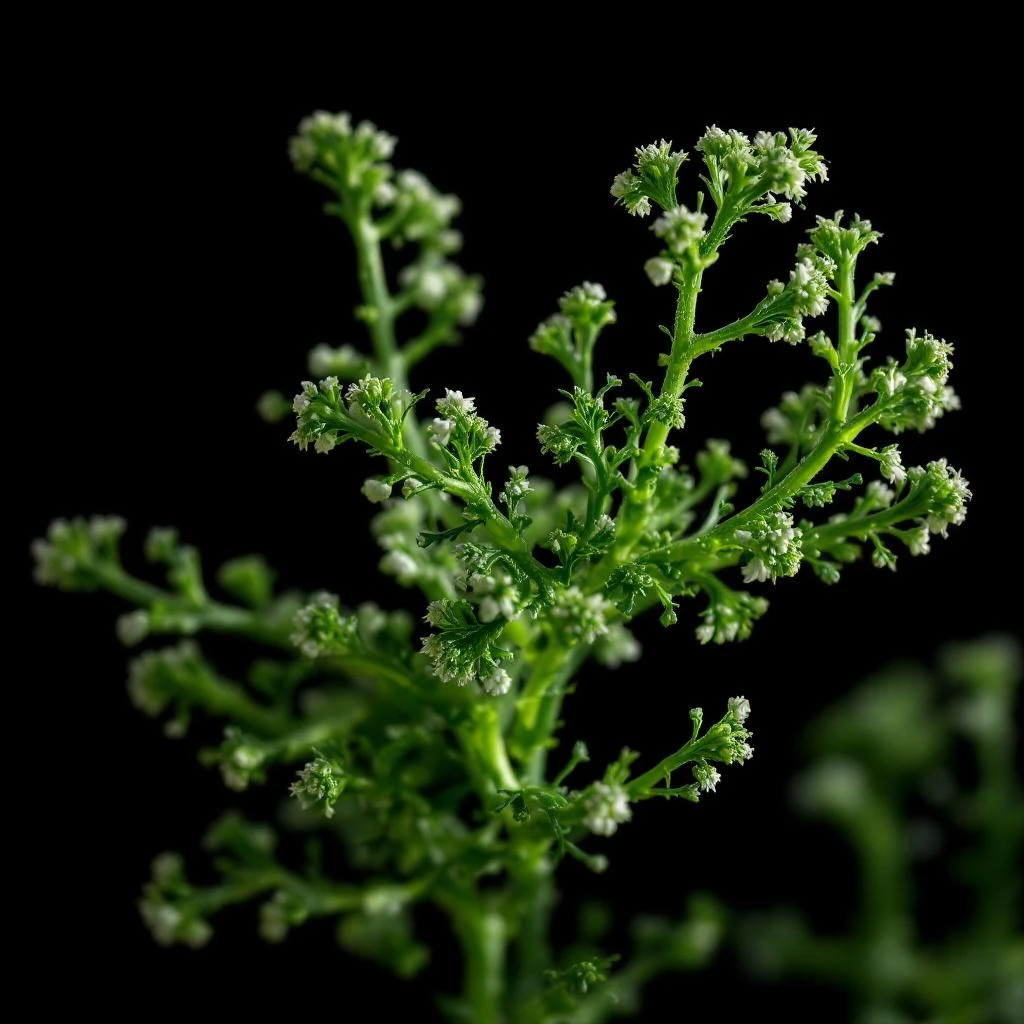
Red Pine Resin carries the wild, golden scent of northern forests. Harvested from wounded trunks of Pinus species, this sticky amber material releases warm, balsamic, woody notes that anchor countless fragrances.
Character
How it smells
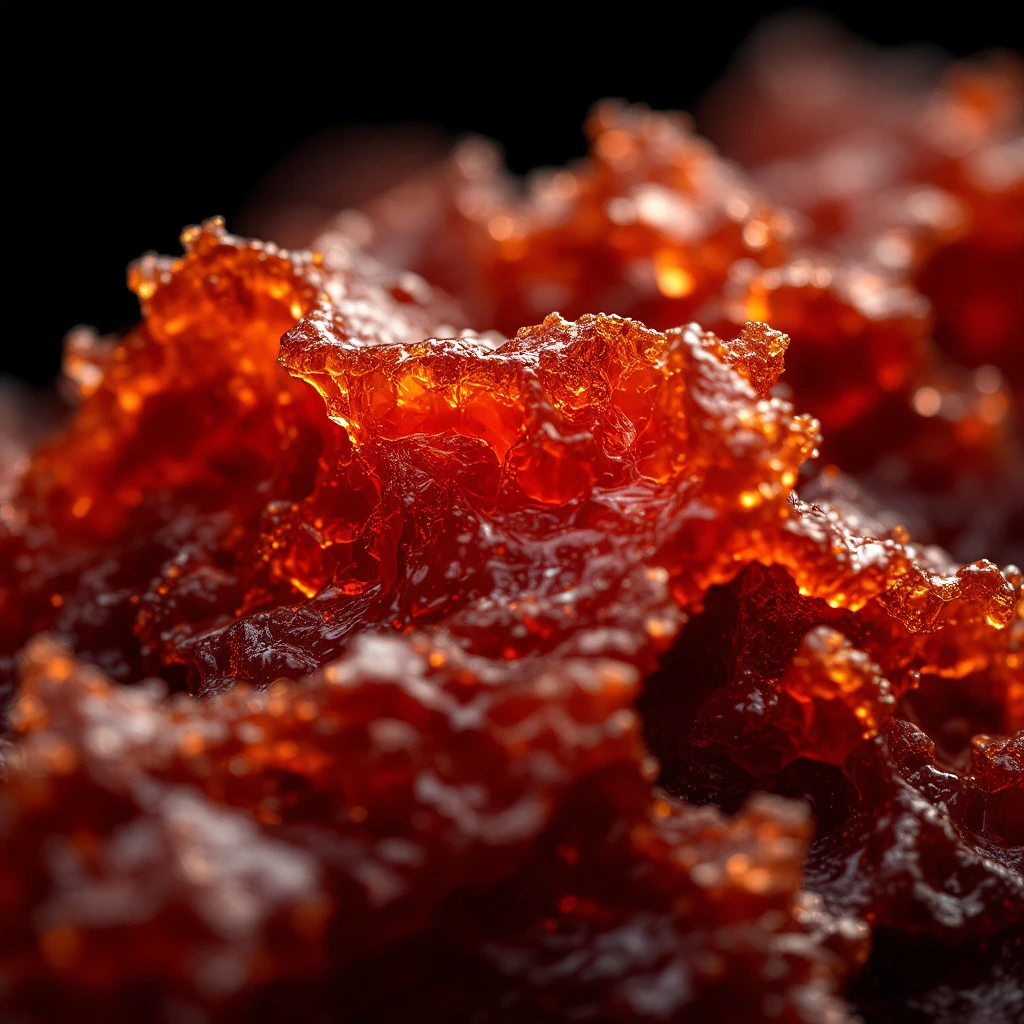
Wild amber from the wounded forest.
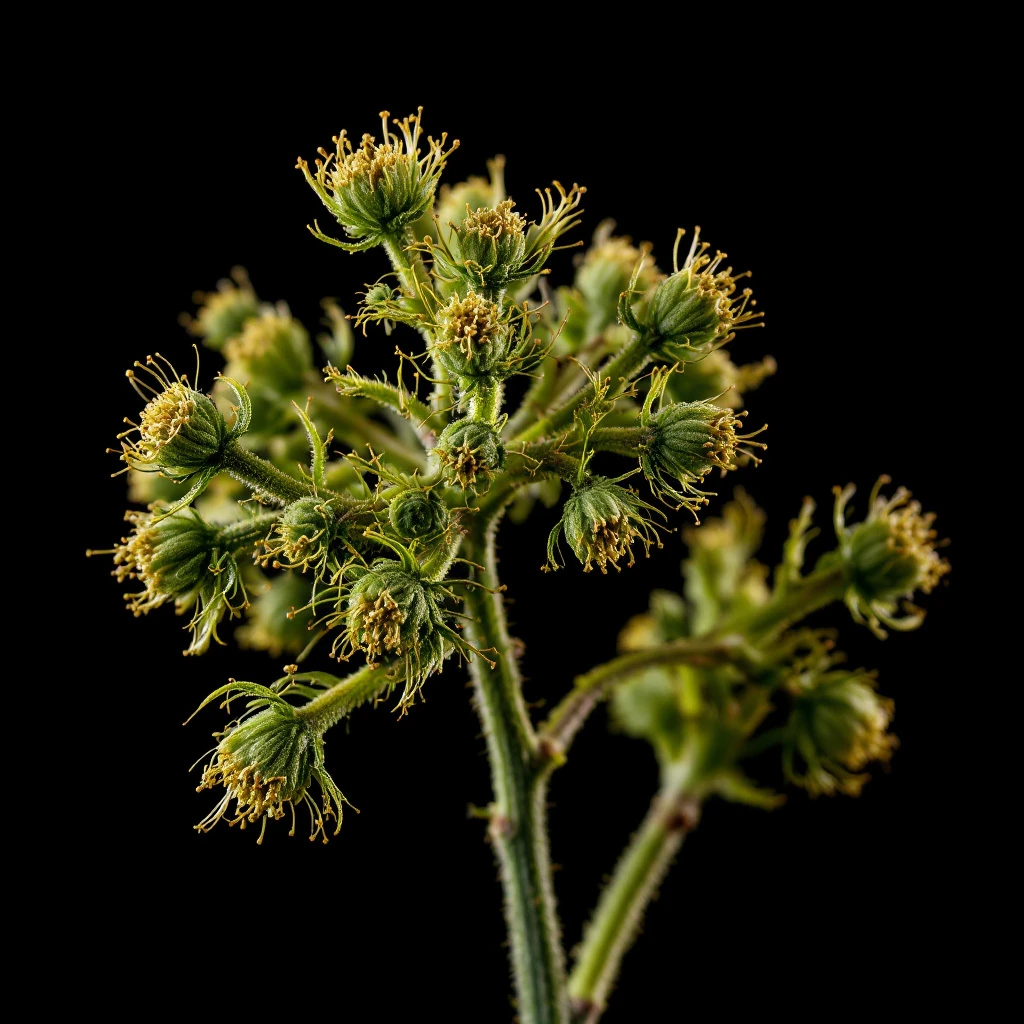
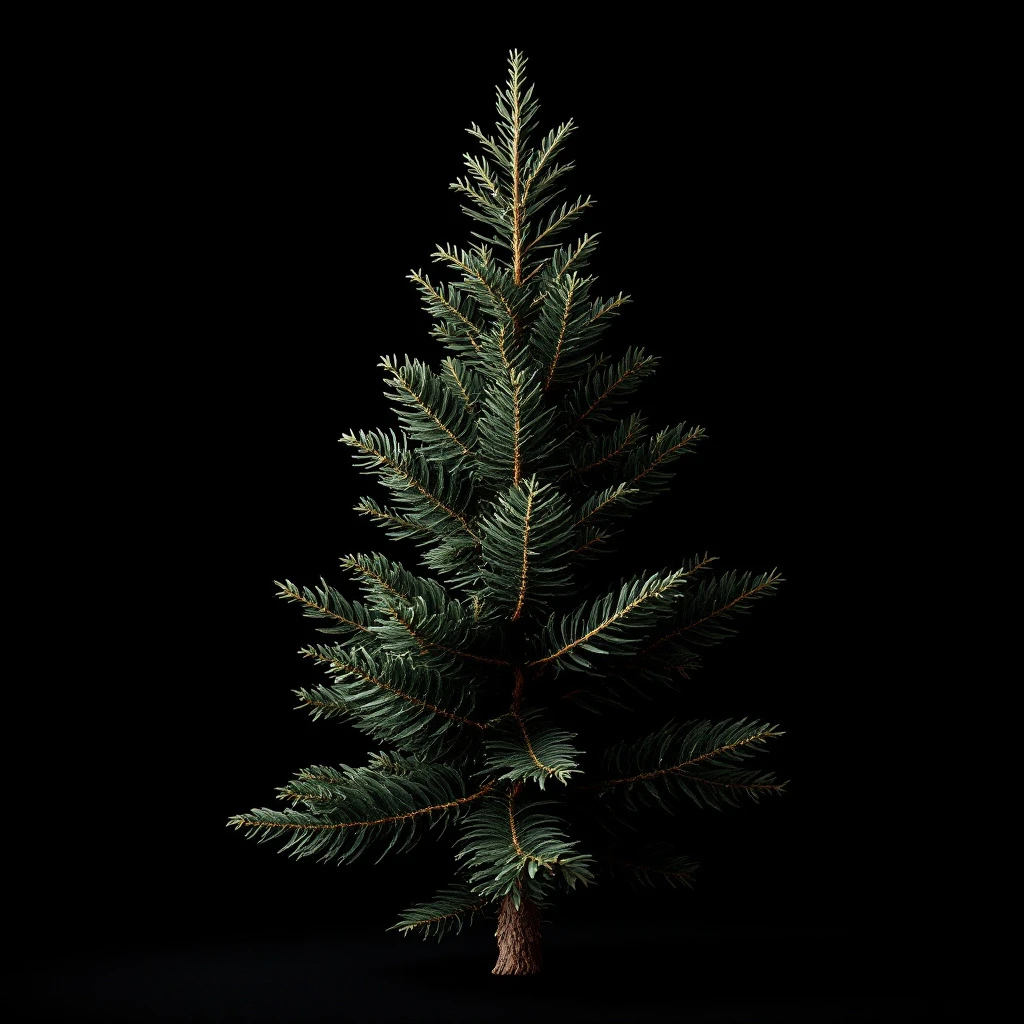
Scoring a pine tree's bark triggers a defense response, and the sticky oleoresin that seeps out can be harvested repeatedly over decades from the same living tree.




Origin
France
Pine resin ranks among the oldest fragrance materials known to humanity. Archaeological evidence from ancient Egypt shows pine resin use in incense, embalming balms, and waterproofing as early as 3000 BCE.
Greek physicians including Hippocrates prescribed pine-derived preparations for respiratory ailments, while Roman naturalist Pliny the Elder documented tapping methods still recognizable to modern foresters. Medieval monks burned pine resin during winter masses, and Viking shipbuilders waterproofed hulls with the same sticky substance that perfumers would later prize.
By the 18th century, the French city of Grasse emerged as Europe's leading center for pine resin distillation, converting vast quantities of imported crude resin into essential oils used in soap and early Eau de Cologne formulations. The practice of tapping living pines continues largely unchanged today, a testament to how effectively pre-industrial extraction methods captured the material's full aromatic complexity.
Wears it best
Fragrances featuring Red Pine Resin
Brands
Brands known for Red Pine Resin
Good to know
Questions, answered
The essentials on Red Pine Resin in perfumery: how it smells, where it comes from, and how it behaves on skin.
What does Red Pine Resin smell like?
Red Pine Resin carries a warm, balsamic, woody aroma with bright citrusy top notes from pinenes and a deeper honeyed, slightly smoky drydown. It smells richer and more complex than typical pine needle oil, with less sharpness and more amber-like warmth.
Is Red Pine Resin the same as frankincense?
No, they come from entirely different trees. Red Pine Resin comes from Pinus species native to northern temperate forests, while frankincense derives from Boswellia trees in the Arabian Peninsula and East Africa. Both are resins, but their aromatic profiles differ significantly.
How is Red Pine Resin harvested?
Harvesters cut shallow channels into living pine bark, a process called tapping or resinification. The tree responds by exuding oleoresin into collection containers. A single tree can be tapped for 20 to 40 years without dying.
What is Red Pine Resin used for in perfumery?
It serves as both a middle note and a natural fixative, anchoring lighter top notes and extending a fragrance's longevity. Perfumers value it for adding depth, warmth, and a forest-like realism to chypre, fougère, and woody compositions.
Is pine resin sustainable?
Yes, when sourced responsibly. Trees are not cut down, only tapped, and managed forests can produce resin indefinitely. Look for suppliers who document sustainable forestry certifications and avoid products from overexploited wild populations.
Can you make Red Pine Resin at home?
Technically yes, by dissolving raw pine resin collected from forest wounds in high-proof perfumer's alcohol. However, results vary widely depending on the source tree, and distillation-grade material requires professional equipment to separate the essential oil from the heavier resin.
What is the difference between pine resin and rosin?
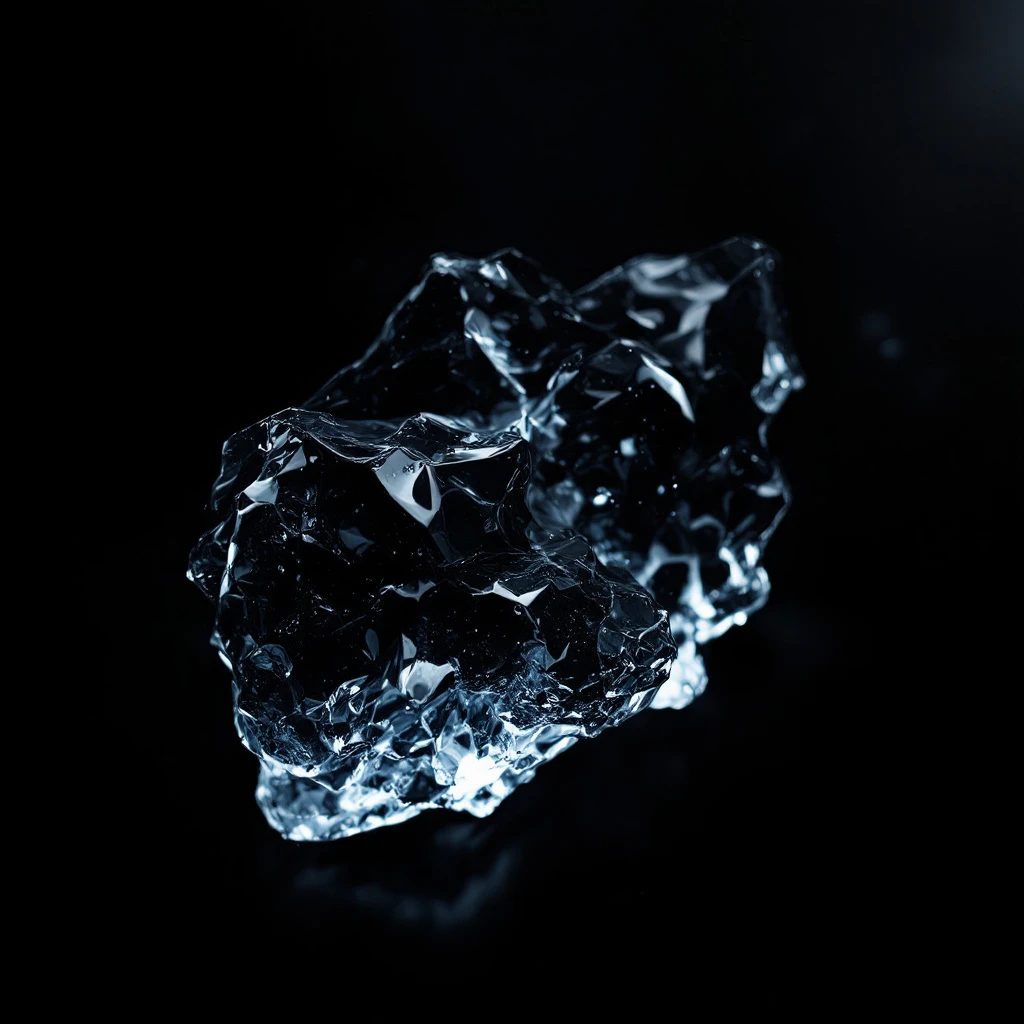
Pine resin is the fresh, sticky oleoresin tapped from living trees. Rosin is what remains after the volatile terpenes are distilled out, a solid, glassy substance used by violinists and in varnishes, not perfumery.
Which famous perfumes feature Red Pine Resin?
Pine resin derivatives appear in countless classic men's fragrances, particularly in chypre and fougère structures. It features prominently in Pino Silvestre (1955) and contributes the woody backbone of many heritage barbershop-style scents from the mid-20th century.