Black Copal Resin
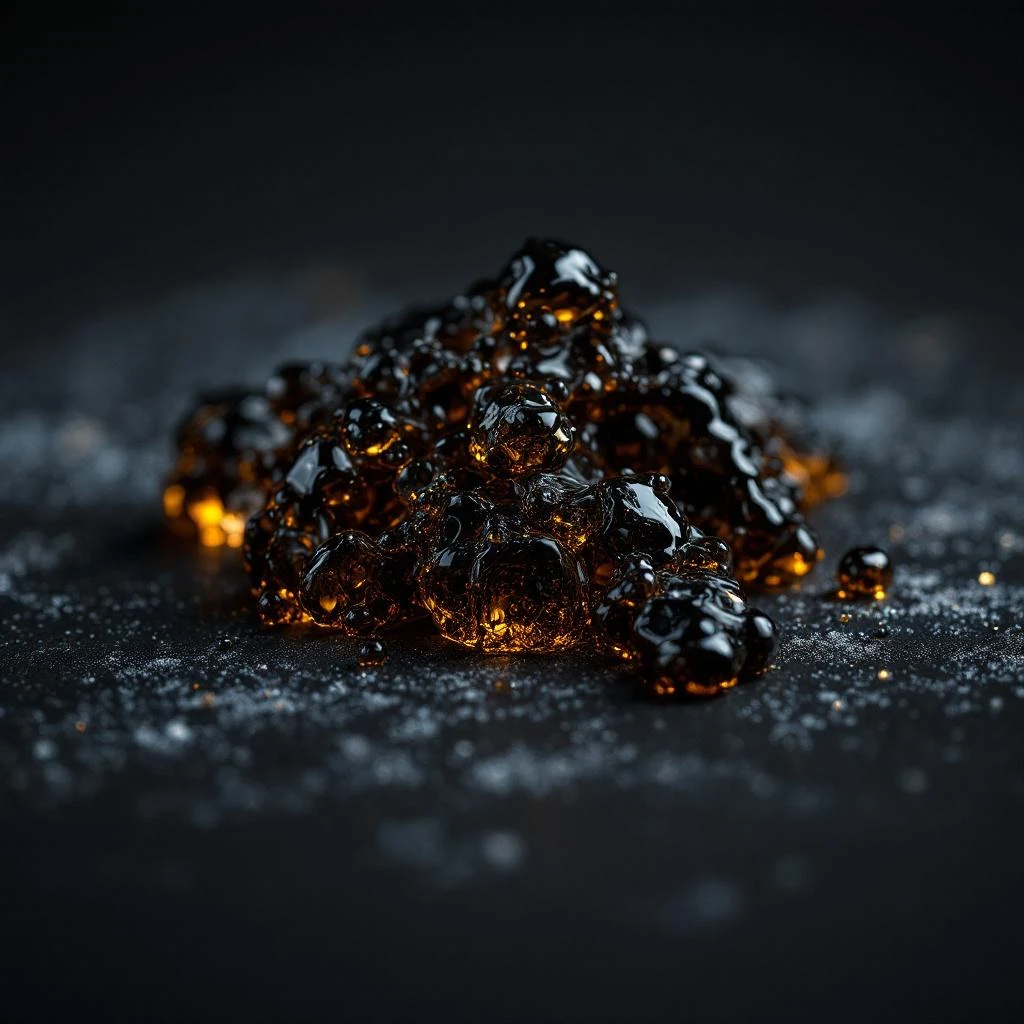
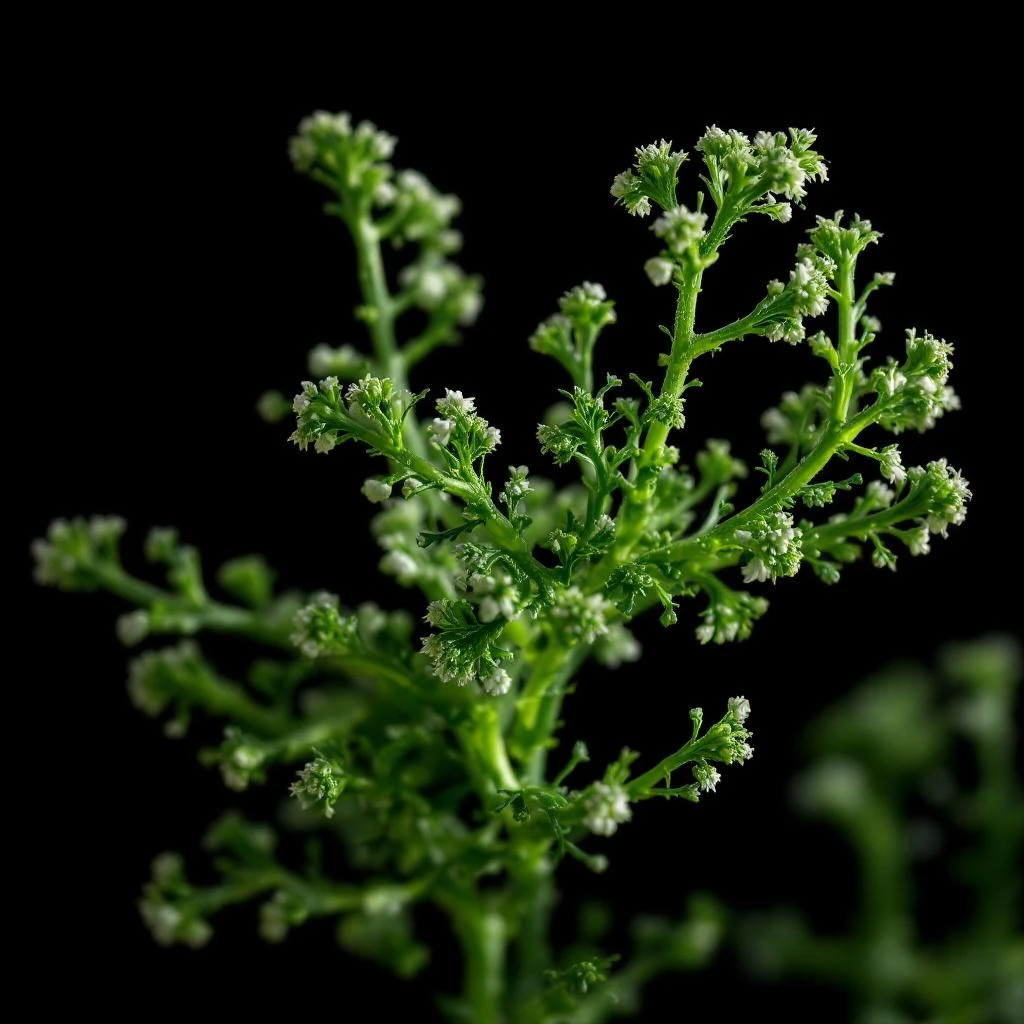
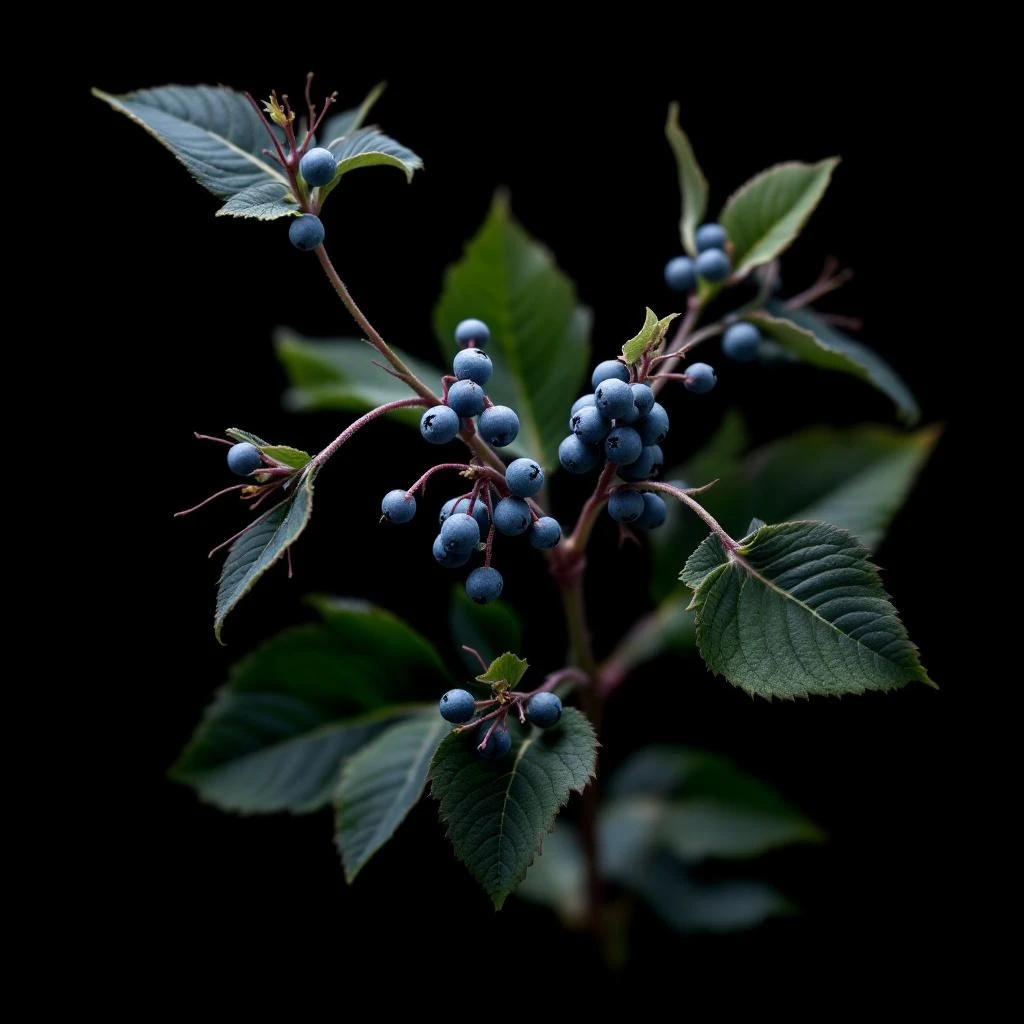
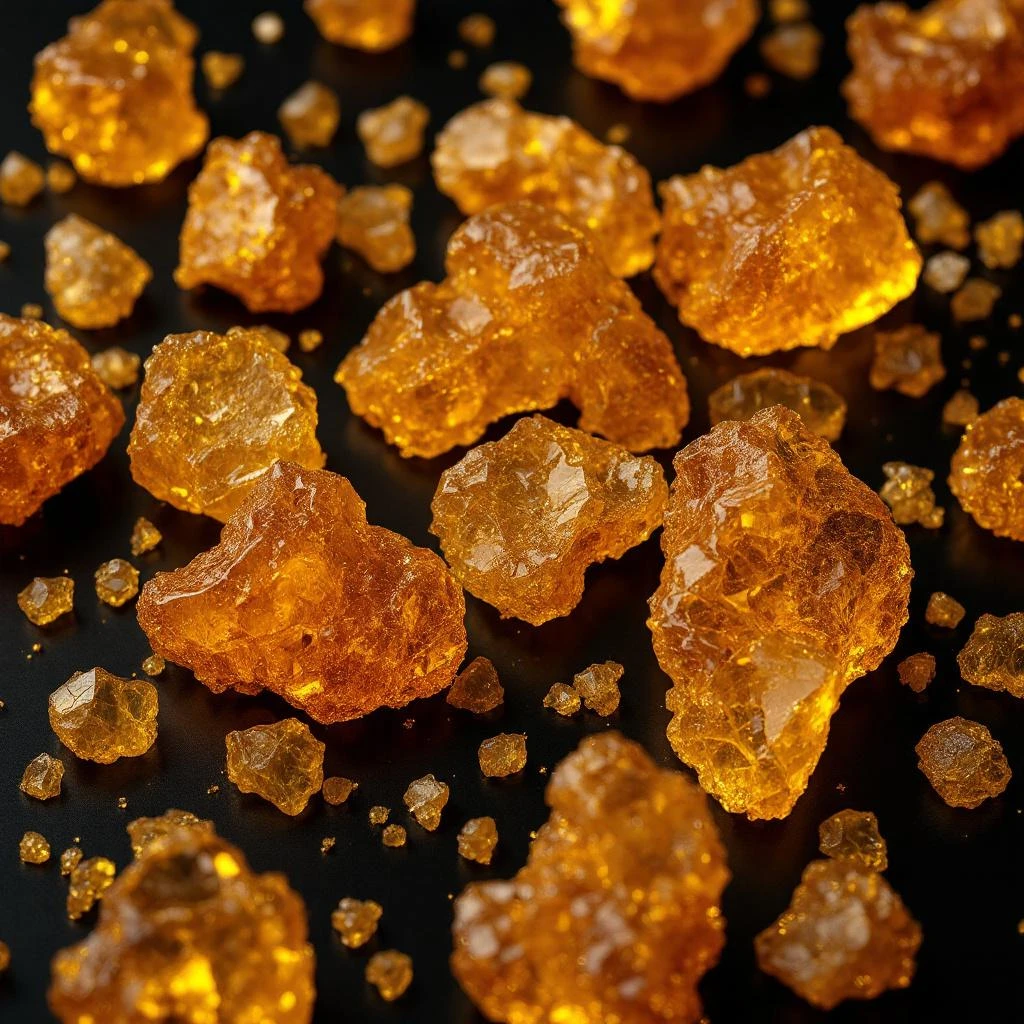
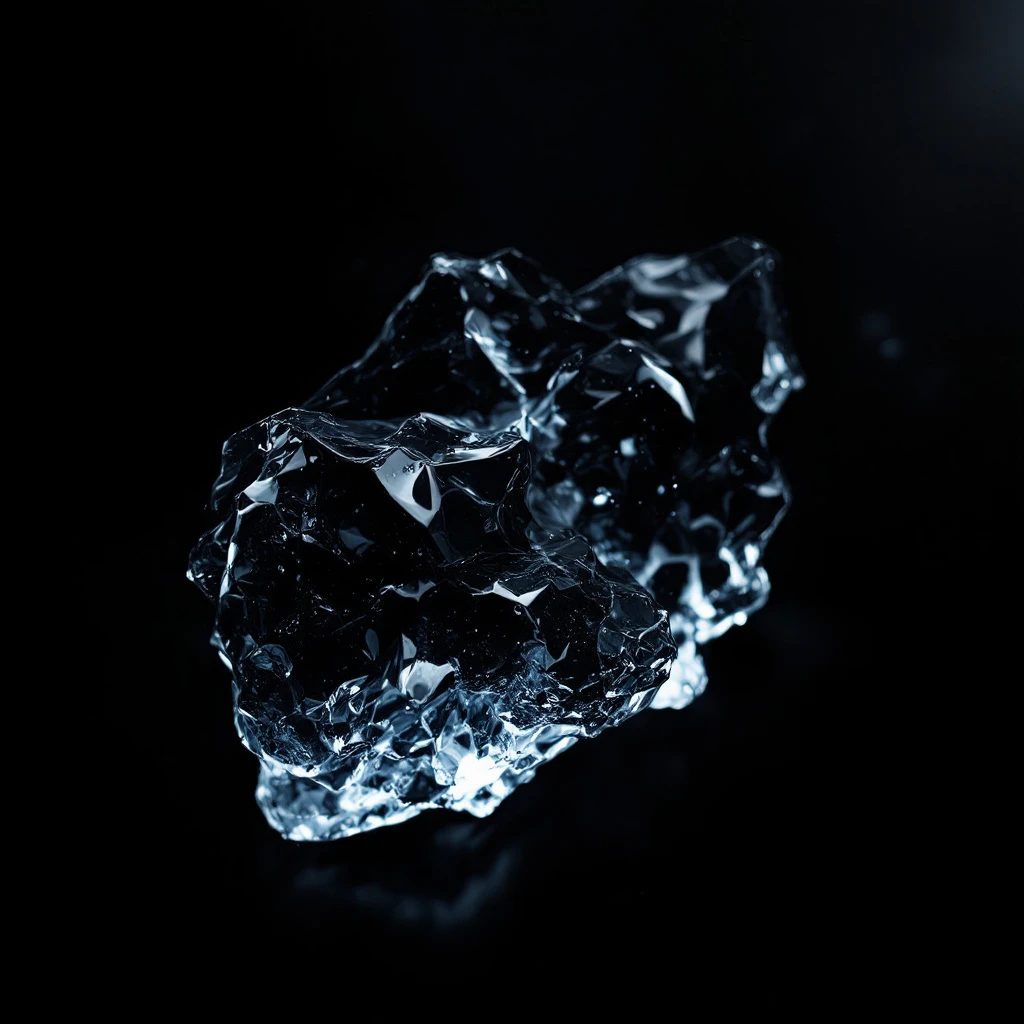
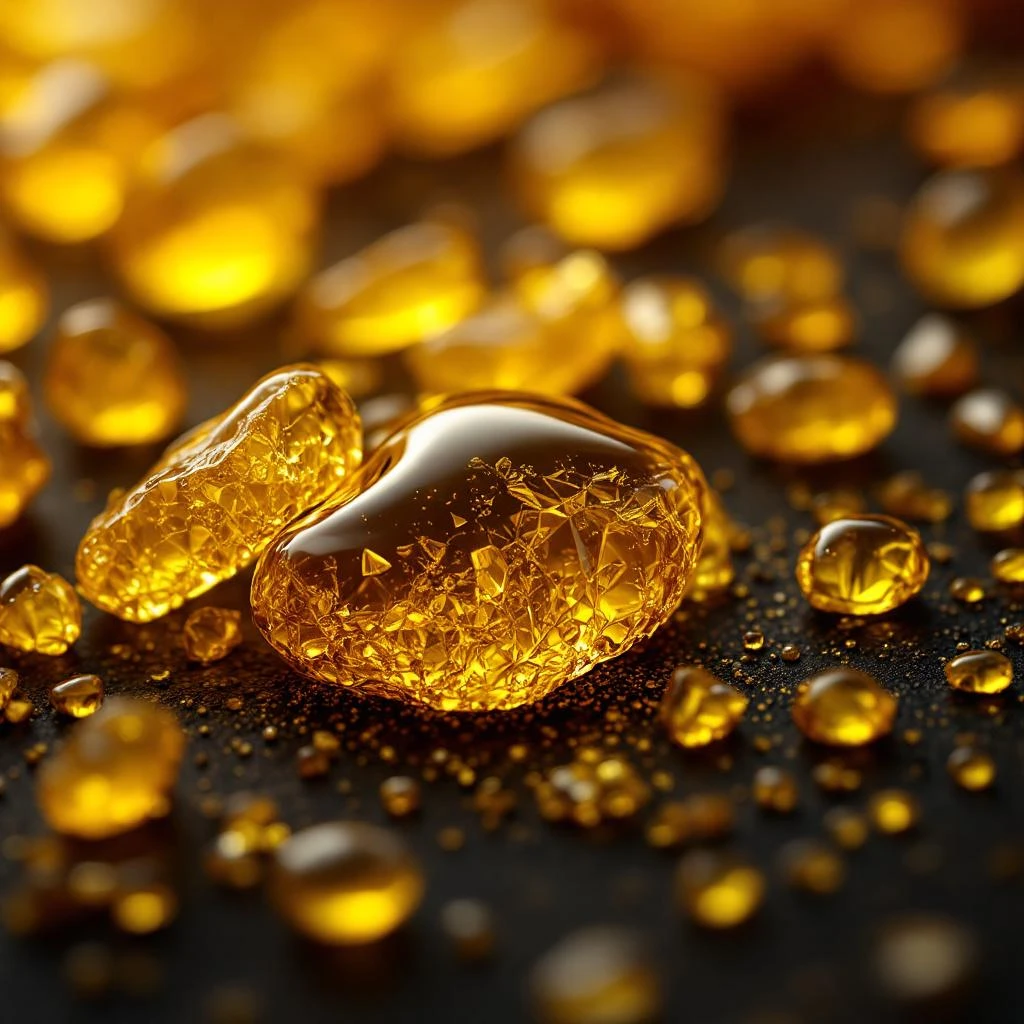
Black Copal Resin is a sacred aromatic gum from Bursera and Protium trees of Mesoamerica. Its smoke carries deep, resinous warmth with hints of citrus peel, damp earth, and the ghost of ancient bonfires.
Character
How it smells
Ancient smoke, bottled.
The Aztec Nahuatl word copal simply means 'incense', a term so fundamental it defined how an entire civilization spoke of sacred smoke.




Origin
Mexico
Black Copal Resin holds one of the oldest continuous fragrance histories in the Western Hemisphere. The Maya and Aztec civilizations burned it as copal, a word from the Nahuatl language that simply means incense. Priests offered the rising smoke to the sun at dawn and to deities during ceremonies, believing the fragrance nourished gods and ancestors.
Spanish chroniclers in the 16th century recorded vast quantities of copal being traded across Mesoamerican markets and transported to temple complexes. Beyond ritual use, healers ground copal into powders for medicinal salves and chewed it as a breath freshener. The resin also served as a binding agent in early incense pastes mixed with cacao, vanilla, and chili.
When European perfumery later encountered New World ingredients, copal entered a global aromatic vocabulary that had previously centered on Middle Eastern frankincense and myrrh, giving Western noses a distinctly American sacred smoke.
Wears it best
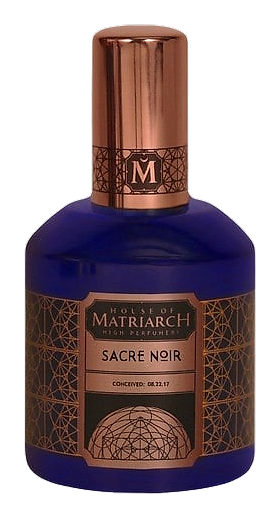
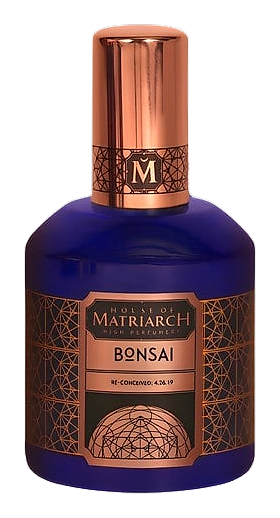
Fragrances featuring Black Copal Resin
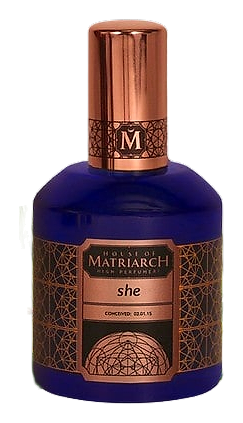
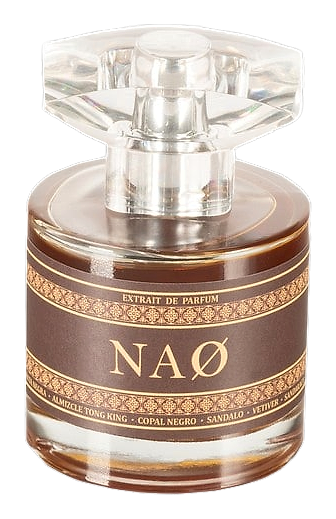
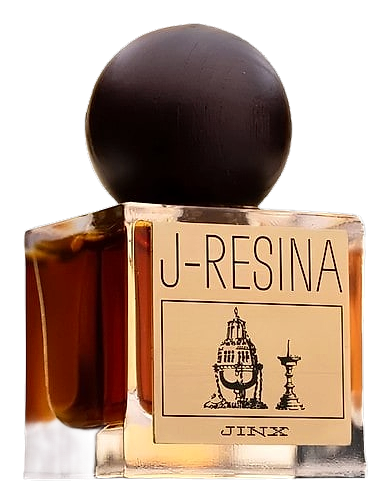
Brands
Brands known for Black Copal Resin
Good to know
Questions, answered
The essentials on Black Copal Resin in perfumery: how it smells, where it comes from, and how it behaves on skin.
What does Black Copal Resin smell like in a fragrance?
Black Copal Resin gives a warm, smoky, balsamic character with bright citrus peel accents and a dry, almost incense-like finish. It often reads as deeper and more carbonized than its golden copal relatives.
How is Black Copal Resin different from frankincense?
Both are tree resins used in incense, but frankincense comes from Boswellia trees in Africa and Arabia, while copal originates from Bursera species in the Americas. Copal tends to be sharper and more citrusy, whereas frankincense leans toward dry, pine-like, and lemony tones.
Where does Black Copal Resin come from?
Most perfumery-grade copal originates in Mexico and Central America, harvested from wild Bursera and Protium trees. States like Oaxaca and Chiapas have centuries-old tapping traditions tied to indigenous communities.
Is Black Copal Resin sustainably harvested?
Sustainability varies by supplier. Traditional tapping is low-impact and trees can produce resin for decades, but overharvesting and deforestation in parts of Mexico threaten wild Bursera stands. Buyers should ask suppliers about wild-collection practices.
Which fragrance families use Black Copal Resin?
It appears most often in oriental, resinous, and incense-driven compositions, as well as smoky woody fragrances seeking a sacred, ceremonial quality. Indie and natural perfumers especially favor it for botanical accords.
Can Black Copal Resin be used as a standalone perfume?
Yes, in the form of a resin tincture or essential oil, copal can be worn alone for a minimalist, meditative scent. Its natural tenacity means a single application lingers for several hours on skin.
Does Black Copal Resin have a cultural or spiritual significance?
Absolutely. Maya and Aztec peoples burned copal as an offering to deities, considering its smoke a divine messenger. Today indigenous communities in Oaxaca still use it in ceremonies, preserving a tradition over two thousand years old.
Is Black Copal Resin natural or synthetic in modern perfumery?
Genuine copal resin and its essential oil are natural products, though some fragrance houses recreate its smoky-resinous effect using synthetic molecules like limonene and various woody aromatics. Always check the ingredient list or ask the maker.