Boswellia Dalzielii
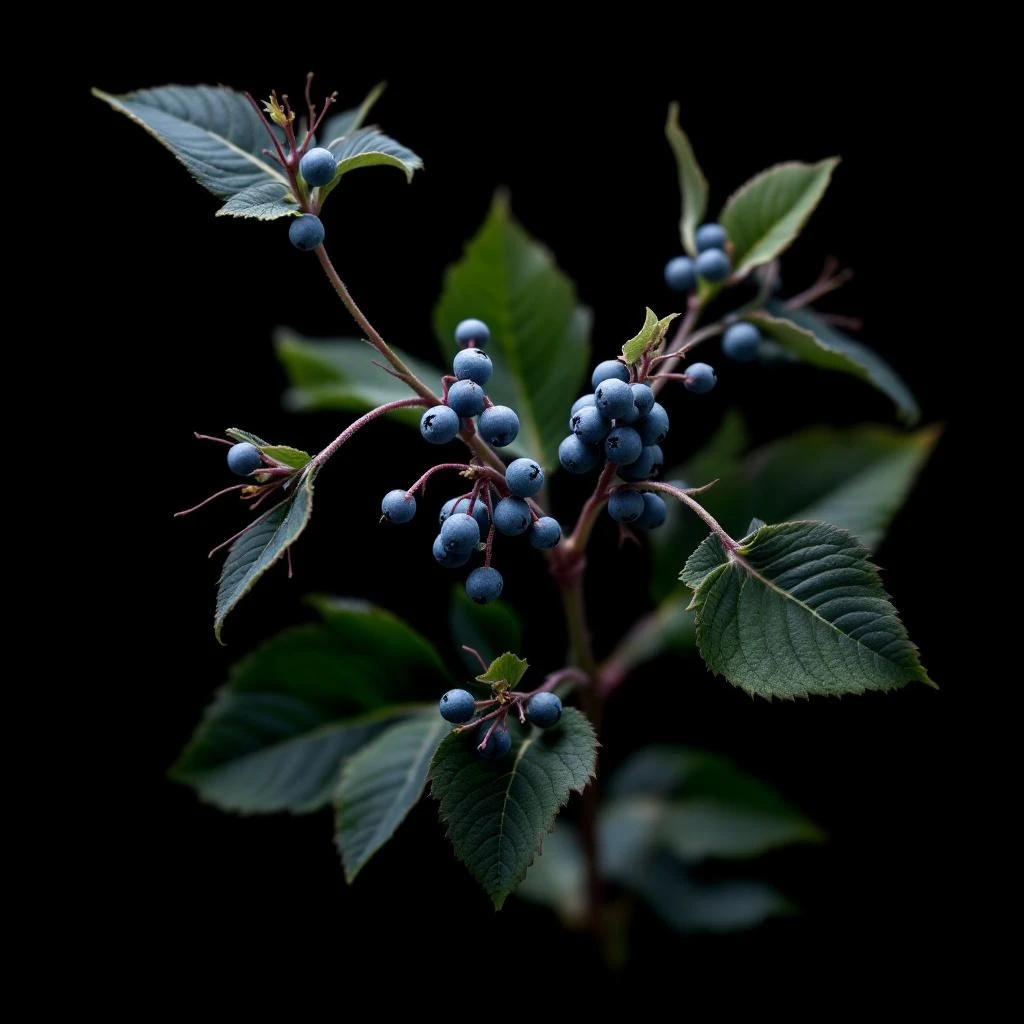
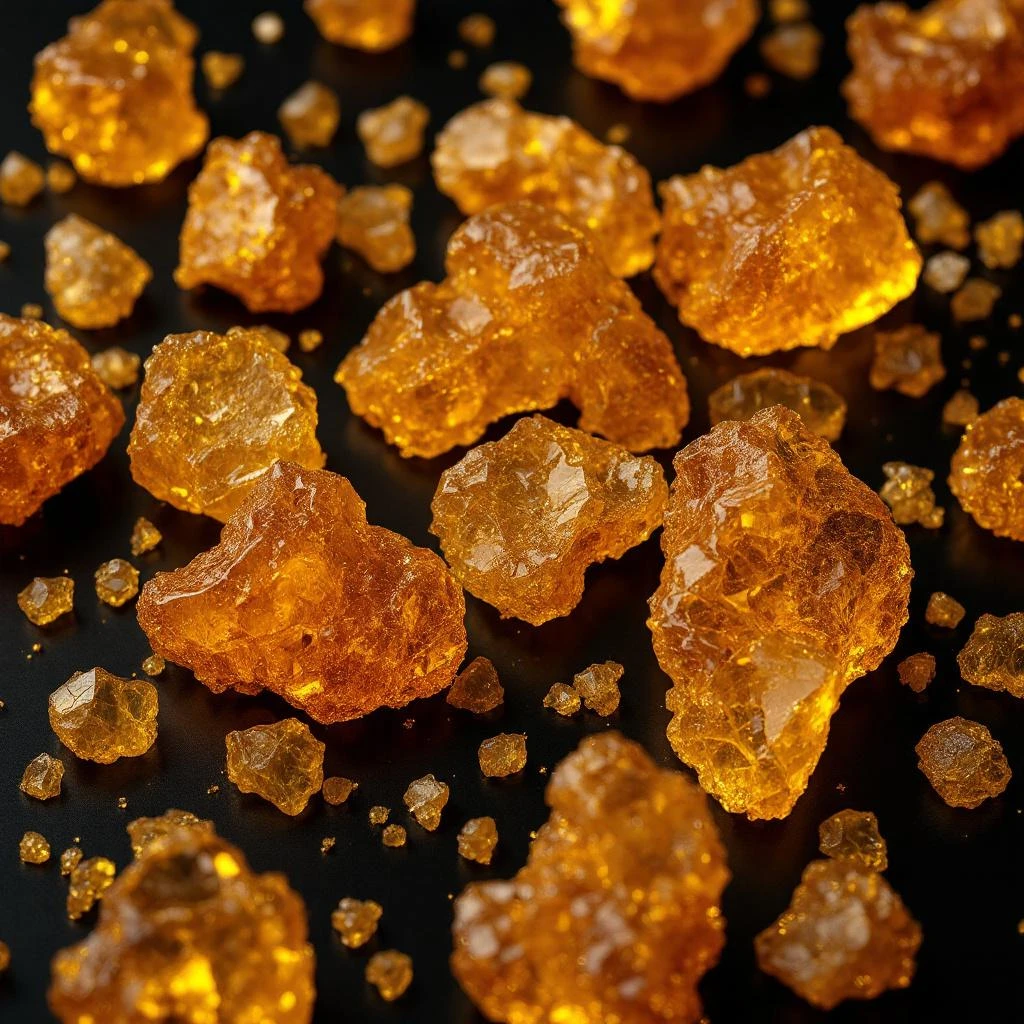
West Africa's answer to ancient frankincense. Boswellia dalzielii grows across the Sudano-Sahelian belt, yielding a resin prized locally for generations and now gaining recognition in modern perfumery for its bright, distinctive character.
Character
How it smells
Frankincense from the African savannah
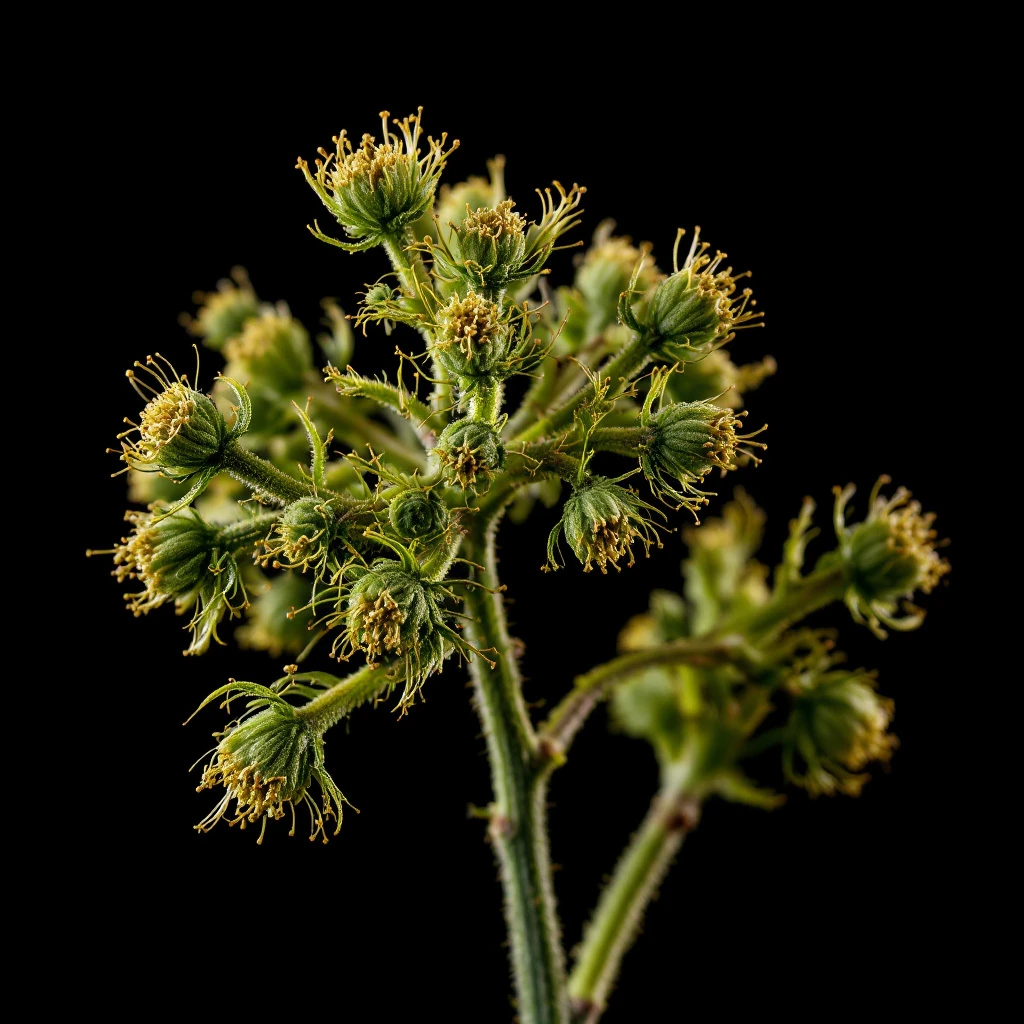
Unlike its Arabian cousins, Boswellia dalzielii thrives on rocky, dry soils across West Africa, a region rarely associated with classic frankincense trade routes.




Origin
Nigeria
Frankincense carries a legacy stretching back over five millennia, yet most of that history centers on Arabian and Horn of Africa species like Boswellia sacra, Boswellia frereana, and Boswellia carterii. Boswellia dalzielii belongs to this storied genus but occupies a different geography entirely: the dry woodlands and savannah stretching from Senegal to Niger and beyond. Named after Scottish botanist John McEwan Dalziel, who documented West African flora in the early twentieth century, this species remained largely outside international perfumery until recent decades.
Traditional uses across West Africa include ceremonial burning, medicinal preparations for inflammation and fever, and ritual applications passed down through generations. A 2025 review of Boswellia taxonomy highlighted how unclear classification has historically obscured regional species from commercial markets. As established frankincense sources face sustainability challenges, attention has turned toward underutilized species like dalzielii.
Research exploring its chemical profile and biological activities, including the 2016 Kohoude study cited over extensively, has positioned West African frankincense as a viable alternative for perfumers seeking novel expressions of this ancient ingredient.
Wears it best
Fragrances featuring Boswellia Dalzielii
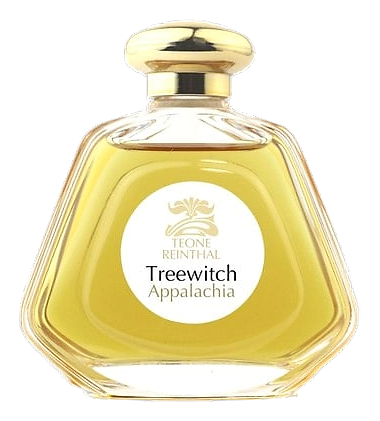
Brands
Brands known for Boswellia Dalzielii
Good to know
Questions, answered
The essentials on Boswellia Dalzielii in perfumery: how it smells, where it comes from, and how it behaves on skin.
What does Boswellia dalzielii smell like?
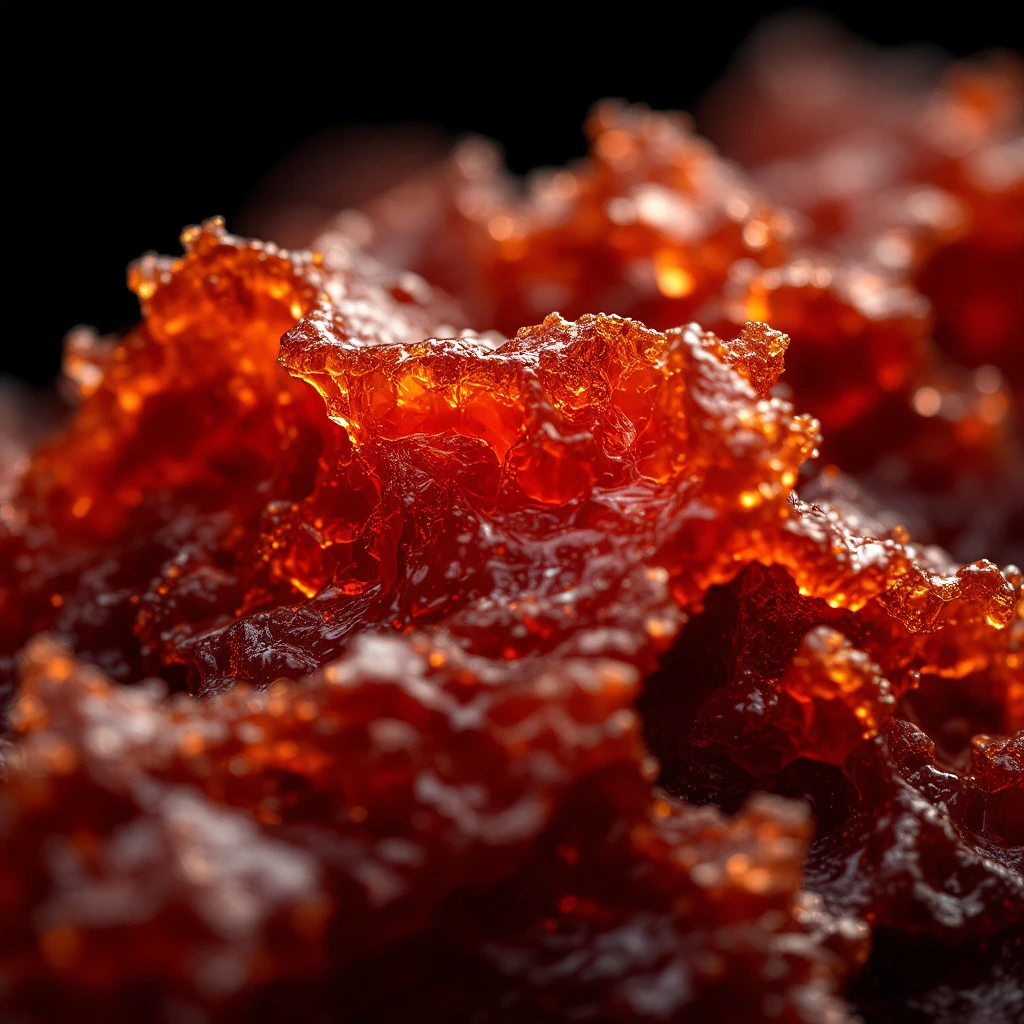
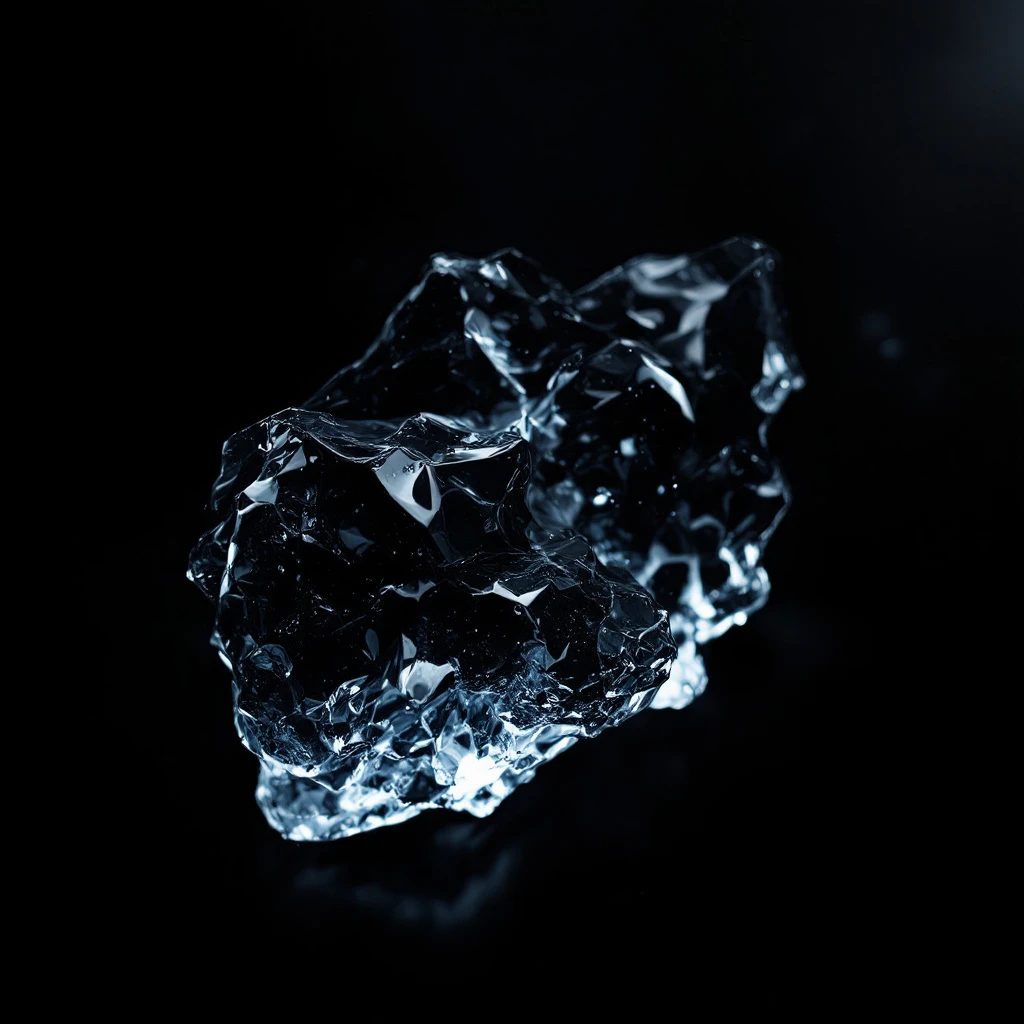
Boswellia dalzielii resin produces a fresh, resinous oil with prominent pine-like notes from alpha-pinene, complemented by citrusy and slightly camphoraceous facets. Compared to Arabian frankincense, it reads brighter and less balsamic, with a drier overall character suited to clean, modern compositions.
Is Boswellia dalzielii the same as regular frankincense?
It belongs to the same Boswellia genus that yields commercial frankincense, but it is a distinct West African species. The more common perfumery frankincense comes from B. sacra, B. carterii, and B. frereana native to Arabia and the Horn of Africa.
Where does Boswellia dalzielii grow?
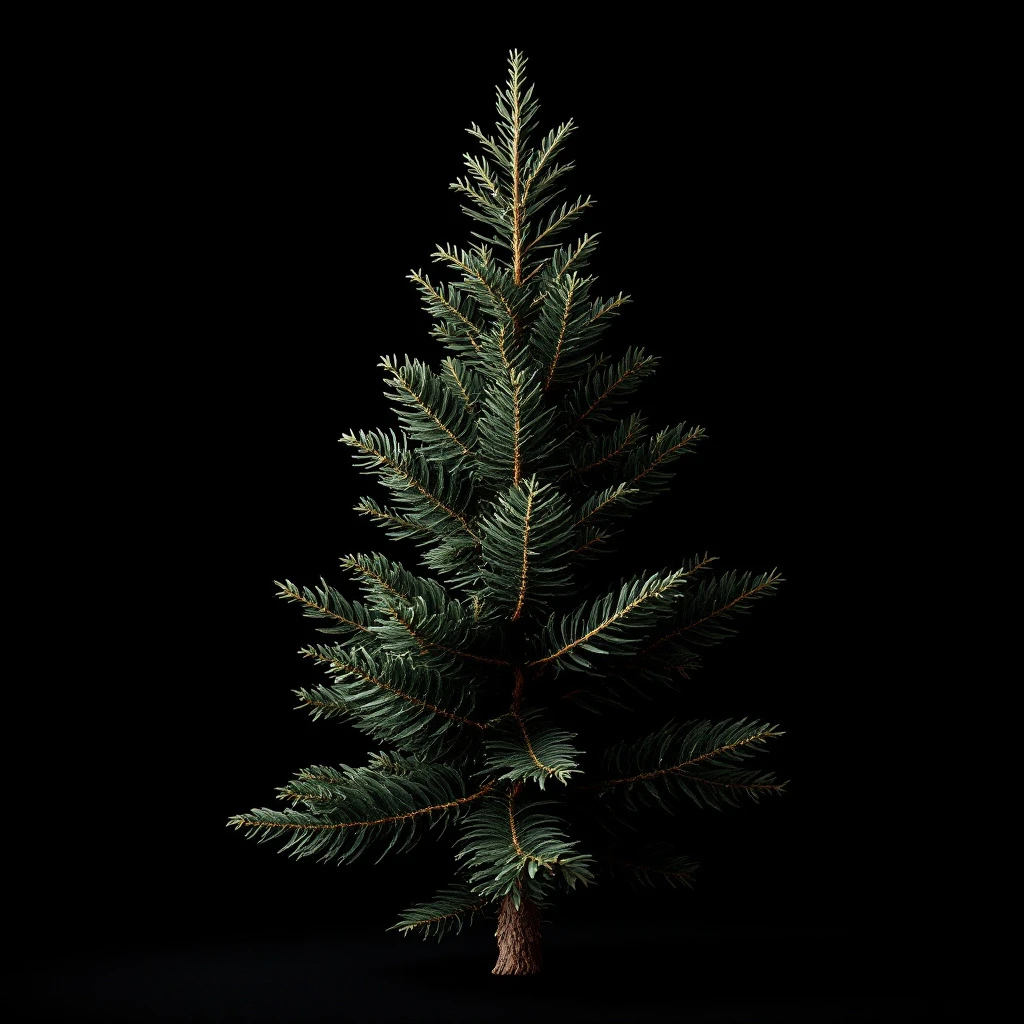
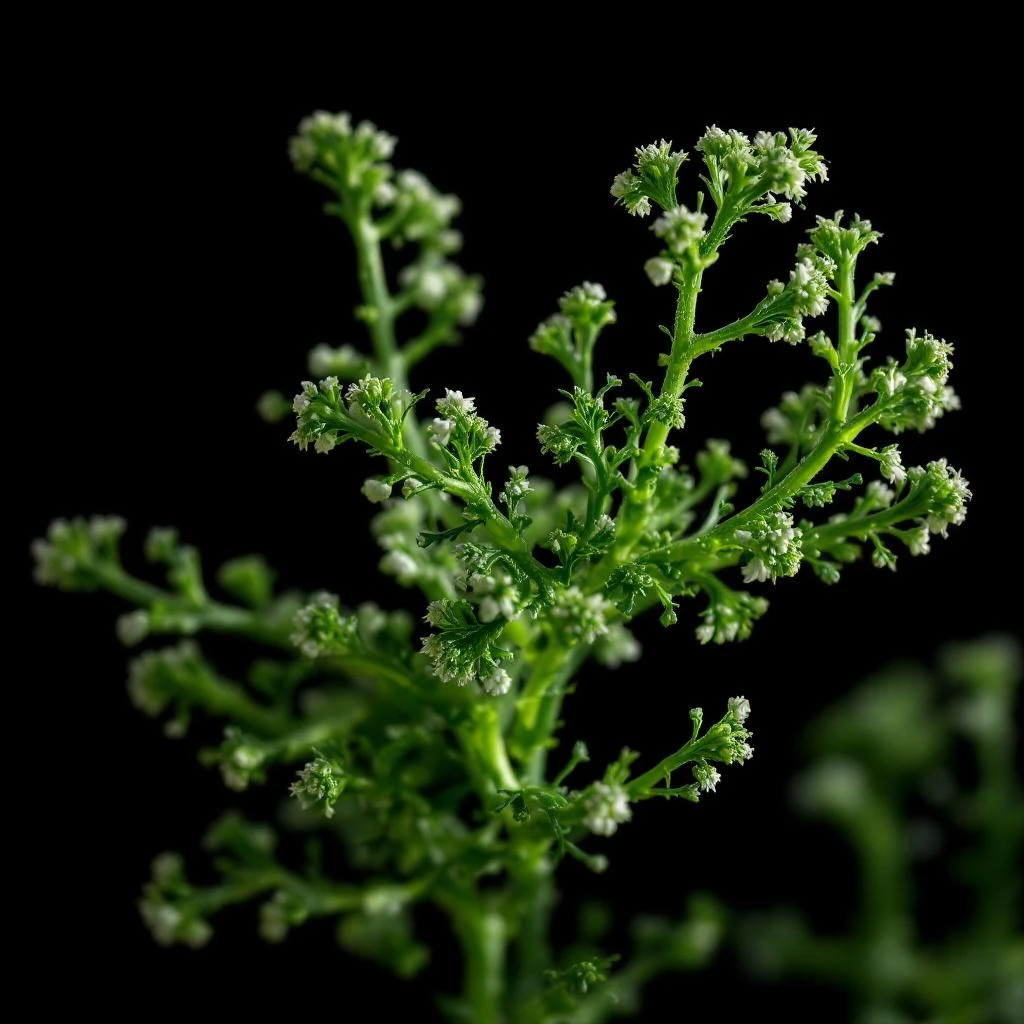
This frankincense tree grows wild across the Sudano-Sahelian savannah, thriving on rocky, dry, shallow soils in countries including Nigeria, Niger, Burkina Faso, and Senegal. It tolerates arid conditions unsuitable for most woody species.
Why is Boswellia dalzielii less common in perfumes?
Historical trade routes and established sourcing networks favored Arabian species, leaving West African frankincense outside international perfumery. Unclear taxonomy and limited research until recently also kept this species from mainstream commercial use.
Is Boswellia dalzielii sustainably sourced?
Wild populations face pressure from land conversion across the Sahel, raising sustainability concerns. Some producers now work directly with local communities on ethical harvest protocols, though formal certification frameworks remain underdeveloped for this species.
What are the main chemical components?
Research by Kohoude and colleagues in 2016 identified alpha-pinene as a dominant component, along with other monoterpenes and sesquiterpenes characteristic of Boswellia resins. These compounds contribute both aromatic properties and documented biological activities.
Can Boswellia dalzielii replace other frankincense types?
It offers a viable alternative for perfumers seeking novel expressions, though its brighter, drier profile differs from the deeper, balsamic character of Arabian frankincense. Reformulation rather than direct substitution tends to produce the best results.
When was Boswellia dalzielii first documented?
The species was named for John McEwan Dalziel, a Scottish botanist who documented West African flora in the early 1900s. It was formally classified within the Burseraceae family alongside other resin-producing trees.