Red Mysore Sandalwood
Red Mysore Sandalwood is the gold standard of Santalum album, prized for its deep reddish heartwood and rich santalol concentration. Harvested from mature trees in Karnataka, it anchors fine perfumery with creamy, resinous warmth.
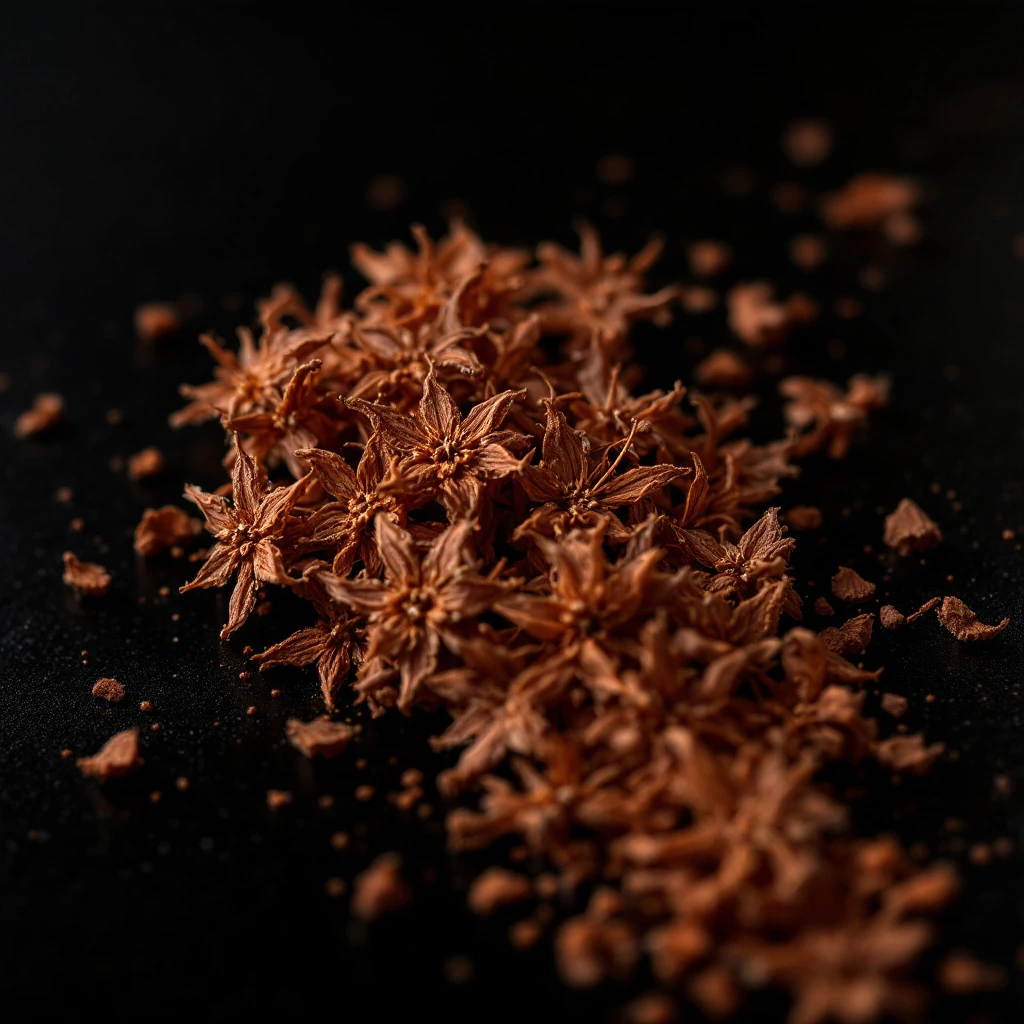
Character
How it smells
India's sacred wood, perfumery's most precious base
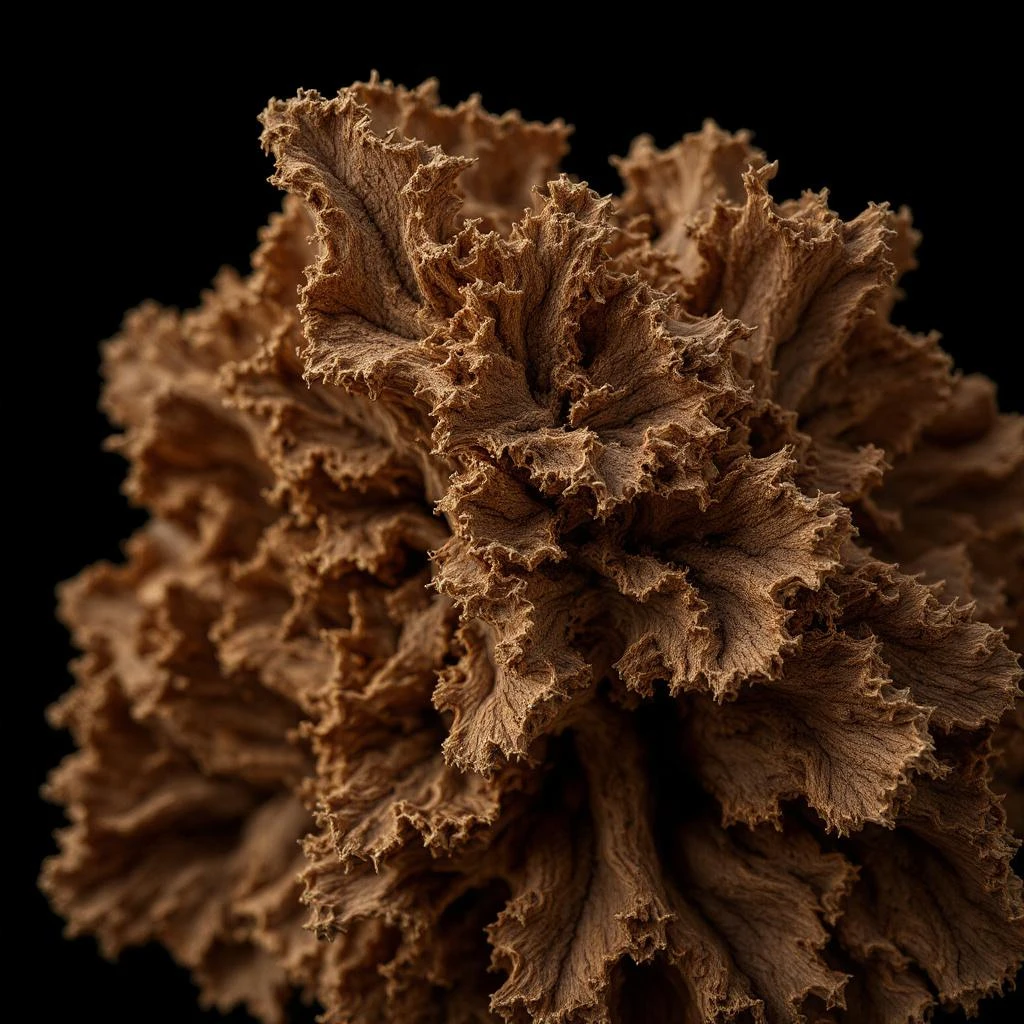
Trees must grow for 30 years before harvest, and Red Mysore is the rarest grade, identified by its darker heartwood color.

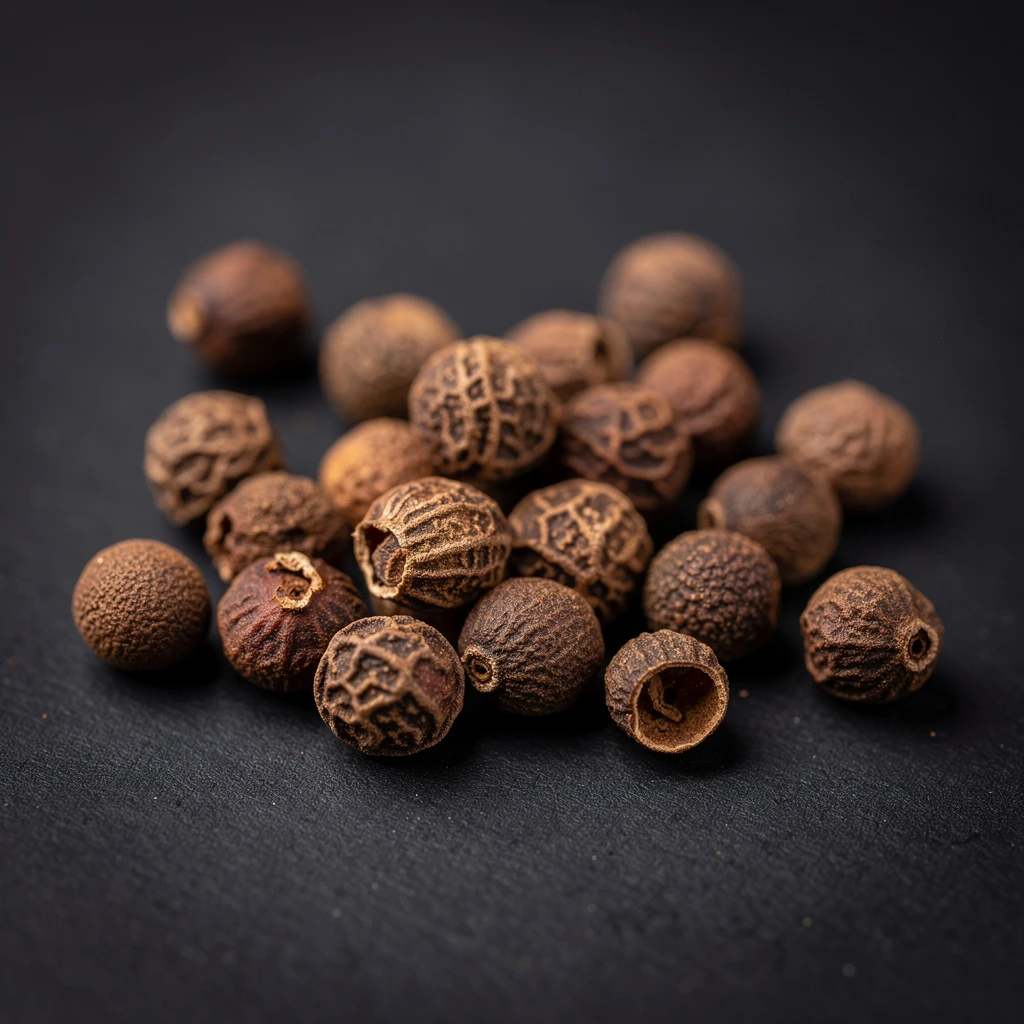


Origin
India
Sandalwood has anchored Indian ritual, medicine, and commerce for over 4,000 years, referenced in ancient Ayurvedic texts and Hindu temple ceremonies. The Santalum album tree thrives primarily in the dry forests of Karnataka and Tamil Nadu, with Mysore serving as the historical epicenter of trade and distillation. For centuries, royal families controlled sandalwood harvesting, and the wood was considered as valuable as gold.
By the 16th century, Mysore sandalwood reached European markets through Portuguese and Dutch traders, captivating perfumers with its warm, milky character. The 20th century brought devastating overharvesting, and wild Santalum album populations collapsed. Today, Indian law protects the species, and all harvesting occurs under strict state regulation in Karnataka.
Cultivation programs have expanded across Australia and Indonesia, but perfumers and connoisseurs still regard Red Mysore as the benchmark. Its scarcity makes genuine material rare in modern formulations, often reserved for haute perfumery where its depth and longevity justify the cost. The reddish heartwood grade represents the oldest, most oil-saturated trees, embodying centuries of tradition in every drop.
Wears it best
Fragrances featuring Red Mysore Sandalwood
Brands
Brands known for Red Mysore Sandalwood
Good to know
Questions, answered
The essentials on Red Mysore Sandalwood in perfumery: how it smells, where it comes from, and how it behaves on skin.
What makes Red Mysore Sandalwood different from regular sandalwood?
Red Mysore refers to the darker, oil-rich heartwood harvested from Santalum album trees aged 30 years or more. This grade contains higher santalol concentrations, producing a deeper, creamier aroma than younger plantation wood.
Why is Mysore sandalwood so expensive?
Mysore sandalwood's cost reflects extreme scarcity. Trees require decades to mature, and wild Santalum album populations collapsed from 20th-century overharvesting. Indian law now restricts all harvesting, limiting supply dramatically.
What does Red Mysore Sandalwood smell like?
It offers a rich, creamy, woody scent with soft lactonic sweetness and subtle resinous warmth. The high santalol content gives it exceptional smoothness and a long-lasting, almost milky drydown.
How long do sandalwood trees take to mature?
Santalum album trees need at least 30 years before their heartwood develops sufficient oil density for distillation. Red Mysore grade material typically comes from even older specimens, sometimes 50+ years.
Is Red Mysore Sandalwood endangered?
Yes, Santalum album is classified as vulnerable due to historical overexploitation. Harvesting is now strictly controlled by the Indian government, and all commercial material comes from regulated sources or cultivated plantations.
Can Australian sandalwood replace Mysore sandalwood in perfumery?
Australian Santalum spicatum and Santalum lanceolatum offer viable alternatives with different aromatic profiles, but most perfumers note they lack Mysore's signature creaminess. Plantation-grown Indian sandalwood now also supplements the market.
What is santalol and why does it matter?
Santalol refers to alpha-santalol and beta-santalol, the sesquiterpene alcohols that define sandalwood's scent. High-quality Mysore oil typically contains 70-90% santalols, contributing to its characteristic smoothness and fixative power.
Is Red Mysore Sandalwood used in traditional Indian medicine?
Yes, sandalwood has been central to Ayurveda for thousands of years, valued for its cooling, anti-inflammatory, and antiseptic properties. It appears in temple rituals, skincare preparations, and ceremonial practices across South India.




