Lady of the Night
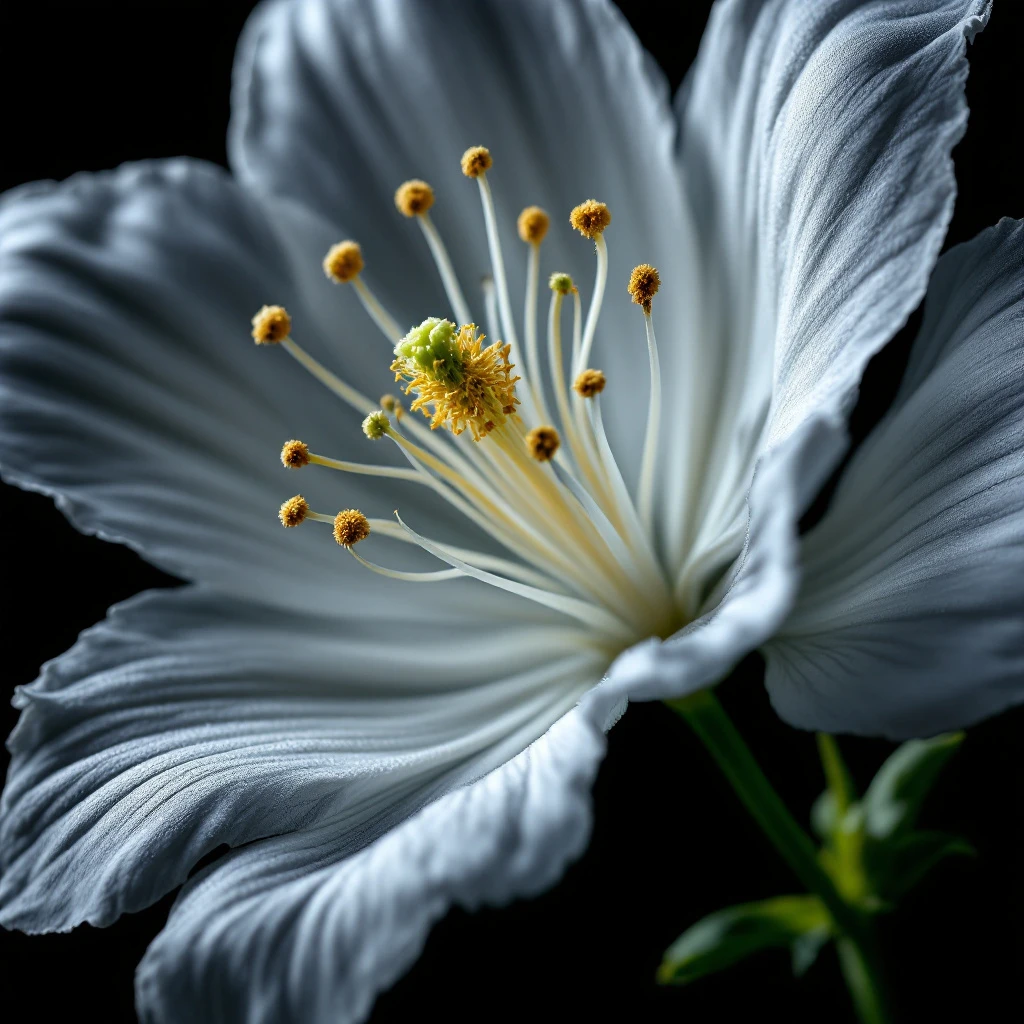
Lady of the Night (Cestrum nocturnum) releases its powerful tropical jasmine-like scent after sunset, a nocturnal bloom that has perfumed gardens from the Caribbean to Southeast Asia for centuries.
Character
How it smells
The night-blooming flower that perfumes the dark
This plant only releases its intoxicating fragrance after dusk, earning its poetic name from generations of Caribbean and South American gardeners who noticed its mysterious evening ritual.




Origin
Caribbean (West Indies)
Lady of the Night arrived in European botanical consciousness during the colonial expansion of the 17th and 18th centuries, when plant hunters carried specimens from the West Indies back to botanical gardens in Paris, London, and Leiden. The plant, native to the Caribbean and parts of Central America, had been cultivated for generations by Indigenous and local communities long before Western botanists catalogued it.
By the Victorian era, it became a prized specimen in conservatories across Britain, its nocturnal blooming habit making it a subject of fascination among natural historians. The challenge of capturing its elusive scent interested early 20th-century perfumers working in Grasse, who experimented with enfleurage techniques refined from older traditions.
Though never a dominant note in mainstream perfumery, Lady of the Night has appeared in several niche and tropical-themed compositions, valued for its ability to evoke warm, moonlit gardens. Its cultural presence in Caribbean folklore, where it features in songs and garden traditions, reflects a botanical legacy stretching back centuries before European documentation.
Wears it best
Fragrances featuring Lady of the Night
Brands
Brands known for Lady of the Night
Good to know
Questions, answered
The essentials on Lady of the Night in perfumery: how it smells, where it comes from, and how it behaves on skin.
What does Lady of the Night smell like?
It produces a rich, intoxicating floral scent with sweet, tropical, and slightly green facets, often compared to jasmine and orange blossom with a creamy undertone. The fragrance intensifies dramatically after sunset.
Is Lady of the Night a natural or synthetic perfume ingredient?
Natural extracts exist but remain rare and expensive due to the plant's delicate flowers and nocturnal harvesting requirements. Most commercial fragrances use synthetic reconstructions built from aroma chemicals like methyl benzoate and linalool.
Why is it called Lady of the Night?
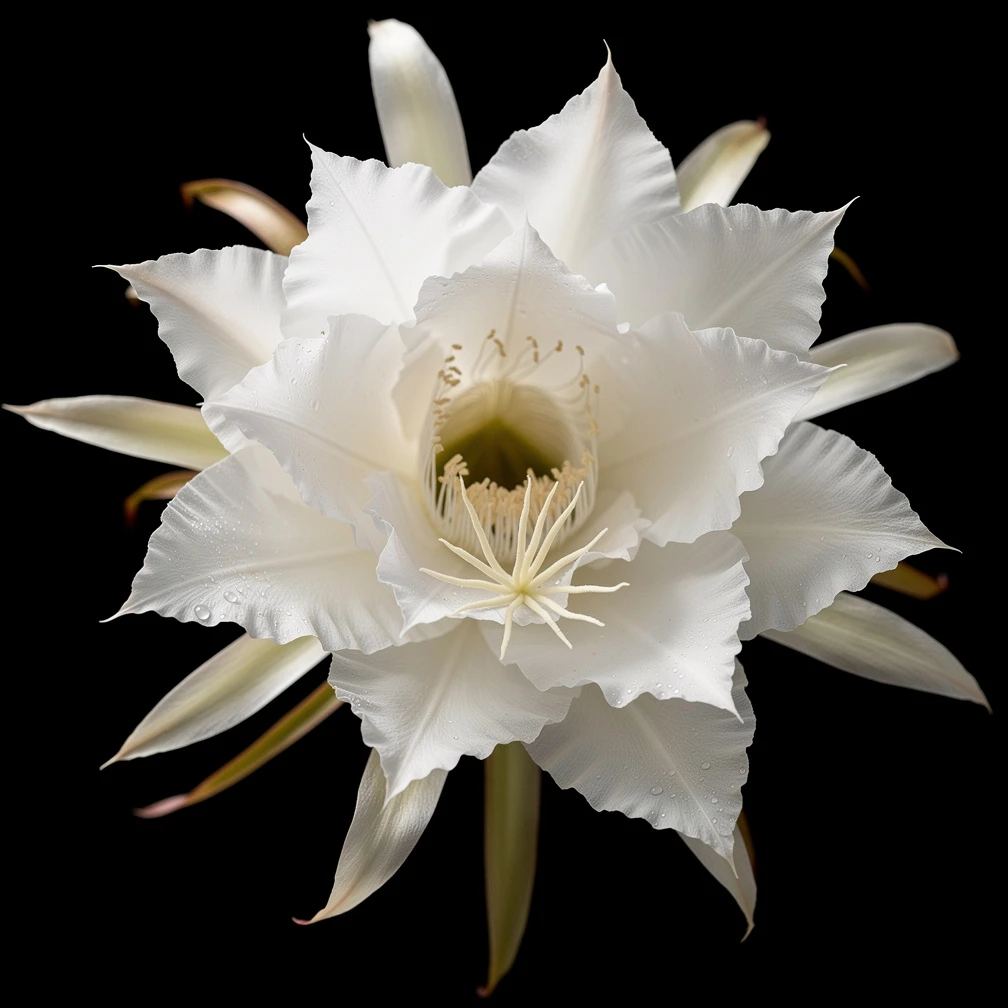
The name reflects the plant's unique behaviour: its small, pale greenish-white flowers release powerful fragrance only after dark, attracting nocturnal pollinators like moths. Caribbean gardeners coined the evocative name centuries ago.
Can Lady of the Night be used in perfume?
Yes, though its use remains limited. The absolute appears in niche and tropical-themed fragrances, valued for capturing the scent of moonlit gardens. The flower's delicate nature makes extraction technically challenging.
Where does Lady of the Night grow naturally?
The plant originates in the Caribbean and parts of Central America, though it has naturalized across tropical and subtropical regions worldwide, including Southeast Asia, the Pacific Islands, and the southern United States.
How is Lady of the Night fragrance extracted?
Traditional enfleurage, layering fresh flowers on fat to absorb their scent, remains one method. Solvent extraction produces a concrete and absolute. Both techniques require night-harvested blooms for optimal aromatic yield.
Is Lady of the Night the same as night-blooming jasmine?
No, though both share nocturnal blooming habits. Lady of the Night (Cestrum nocturnum) belongs to the Solanaceae family, while night-blooming jasmine (Cestrum diurnum) is a related species. True jasmine (Jasminum) is botanically distinct.
When does Lady of the Night bloom?
Flowers open at dusk and release peak fragrance through the night, closing by morning. The plant blooms in waves during warm months, producing clusters of small tubular flowers along its arching branches.


