Raspberry Mousse
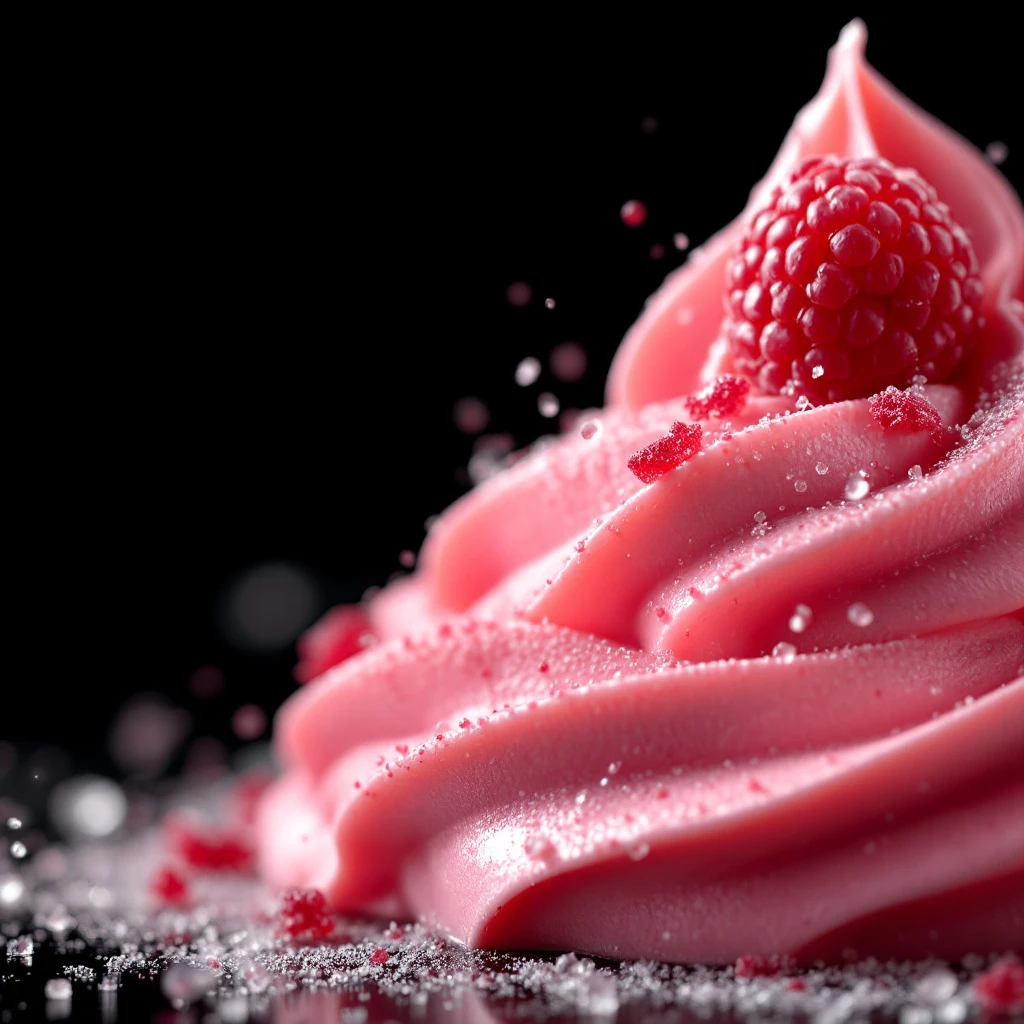
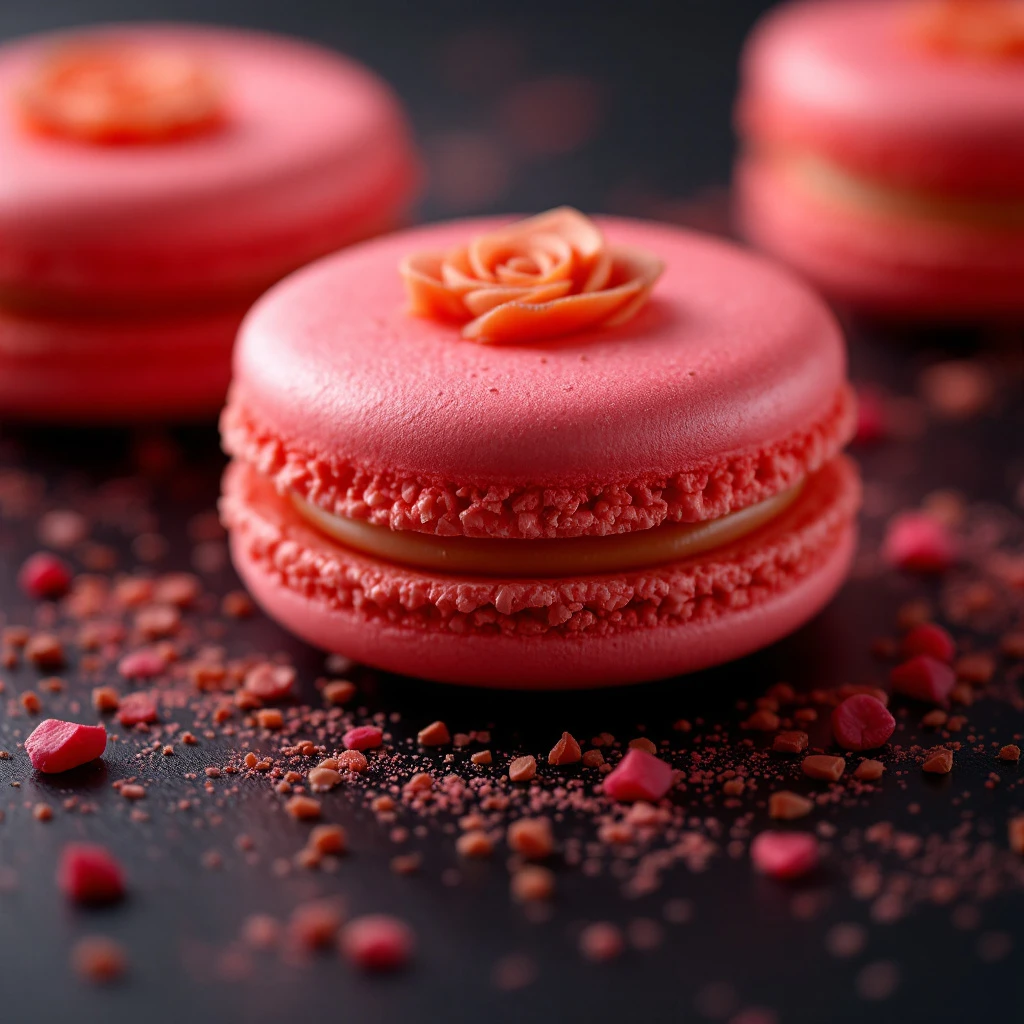
A confectionary fantasy: ripe raspberry swirled into airy cream. This gourmand note delivers jammy sweetness, a whisper of tartness, and the pillowy softness of whipped mousse on skin.
Character
How it smells
Jammy berries folded into whipped cream
Raspberries contain over 200 volatile aroma compounds, yet their essential oil is nearly impossible to capture, which is why perfumers rely on synthetic raspberry ketone, first isolated in the late 19th century.





Origin
Southern Europe
The raspberry, Rubus idaeus, has threaded through human kitchens and apothecaries for centuries. Native to Southern Europe and parts of Central Asia, it spread through monastic gardens and herbal manuscripts before reaching the British colonies in the 18th and 19th centuries, where cultivation accelerated. By the late 1800s, chemists had isolated the compound that gives raspberries their signature warmth: raspberry ketone.
Initial uses were limited to flavoring, but as 20th-century perfumery expanded its gourmand vocabulary, the molecule gained a second life. The gourmand revolution of the 1990s, led by fragrances like Thierry Mugler Angel, carved out space for fruit-and-cream compositions, and raspberry became a natural anchor in that landscape (literal landscape). Today, raspberry ketone appears in everything from fine fragrance to functional perfumery, often paired with vanilla, patchouli, or musk to deepen its sweetness.
Global raspberry production has more than doubled over the past century, yet nearly all of that harvest goes to food. The perfumery industry's raspberry continues to live primarily in the lab, where chemistry keeps a perishable fruit's aroma permanently bottled.
Wears it best
Fragrances featuring Raspberry Mousse
Brands
Brands known for Raspberry Mousse
Good to know
Questions, answered
The essentials on Raspberry Mousse in perfumery: how it smells, where it comes from, and how it behaves on skin.
What does raspberry mousse smell like in perfume?
Raspberry mousse blends jammy berry sweetness with creamy, airy softness. The fruit note adds tartness and depth, while mousse accords layer in vanilla, ethyl maltol, and lactones for a whipped, confectionary texture on skin.
Is raspberry mousse a natural or synthetic note?
Raspberry mousse is almost always synthetic. Raspberry ketone, first isolated in the 1880s, anchors the berry character, since extracting usable essential oil from the fruit commercially is impractical due to its fragile cell walls.
Where does raspberry ketone come from?
Modern raspberry ketone is primarily produced through chemical synthesis or biotech fermentation, both yielding an identical molecule to the one found at trace levels in the actual Rubus idaeus fruit.
What fragrances feature raspberry mousse accords?
Raspberry mousse appears across gourmand and fruity-floral fragrances, especially since the 1990s gourmand wave. It pairs well with vanilla, praline, patchouli, white musk, and rose for jammy, dessert-like compositions.
Is raspberry mousse a sweet fragrance?
Yes, raspberry mousse reads as sweet and gourmand. Sharp tartness from the berry prevents it from becoming cloying, balancing sugary, creamy, and slightly acidic facets in a single accord.
What is the difference between raspberry and raspberry mousse notes?
Raspberry alone is jammy, tart, and fruity. Raspberry mousse layers the fruit with cream, vanilla, and lactonic molecules, producing a richer, smoother texture reminiscent of whipped dessert.
Does raspberry ketone occur naturally in raspberries?
Yes, raspberry ketone occurs naturally in raspberries at very low concentrations, around 1 to 4 mg per kilogram of fruit, too scarce for extraction but synthetically reproducible with identical molecular structure.
Is raspberry mousse suitable for sensitive skin?
Raspberry mousse accords rely on synthetic aroma chemicals and carry no known sensitization risk beyond standard fragrance allergens. Those with sensitivities should review the full ingredient list, as mousse blends often contain vanillin and lactone derivatives.