Rose Macaron
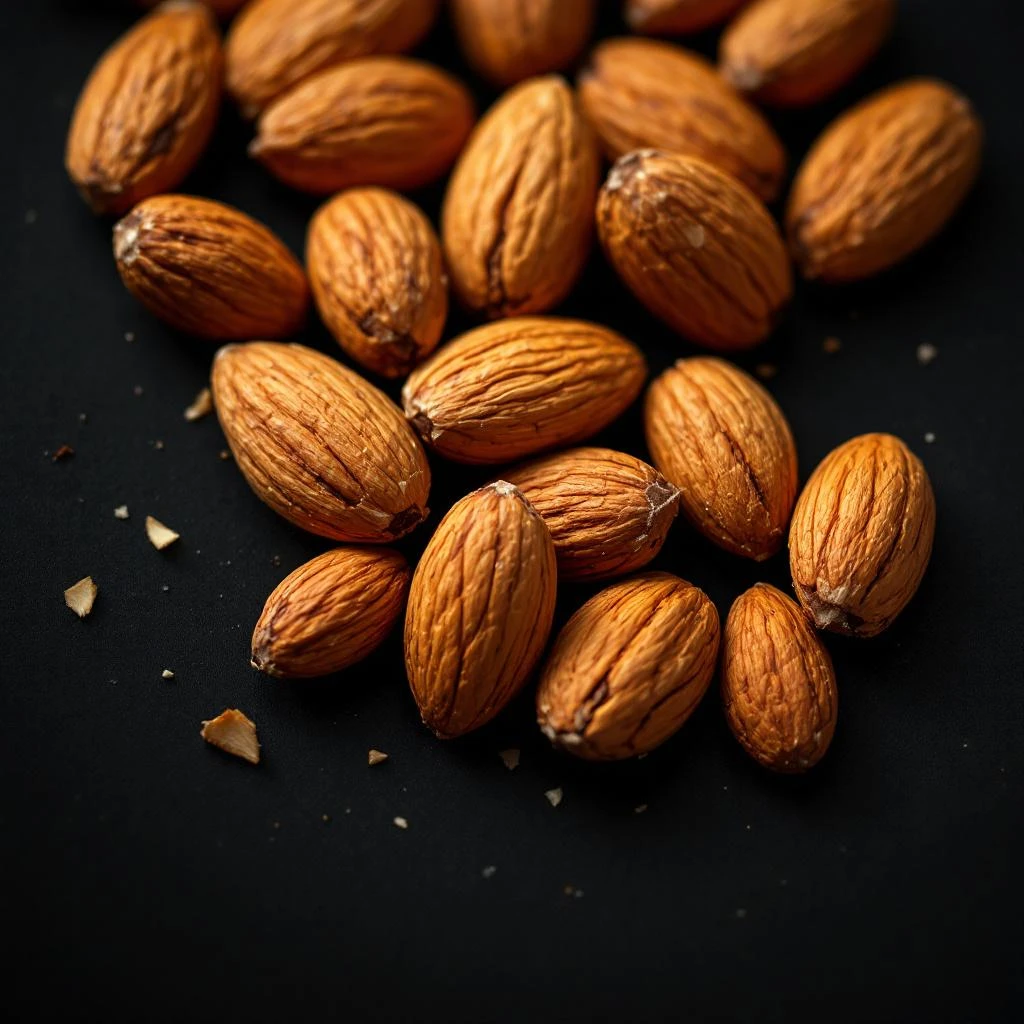
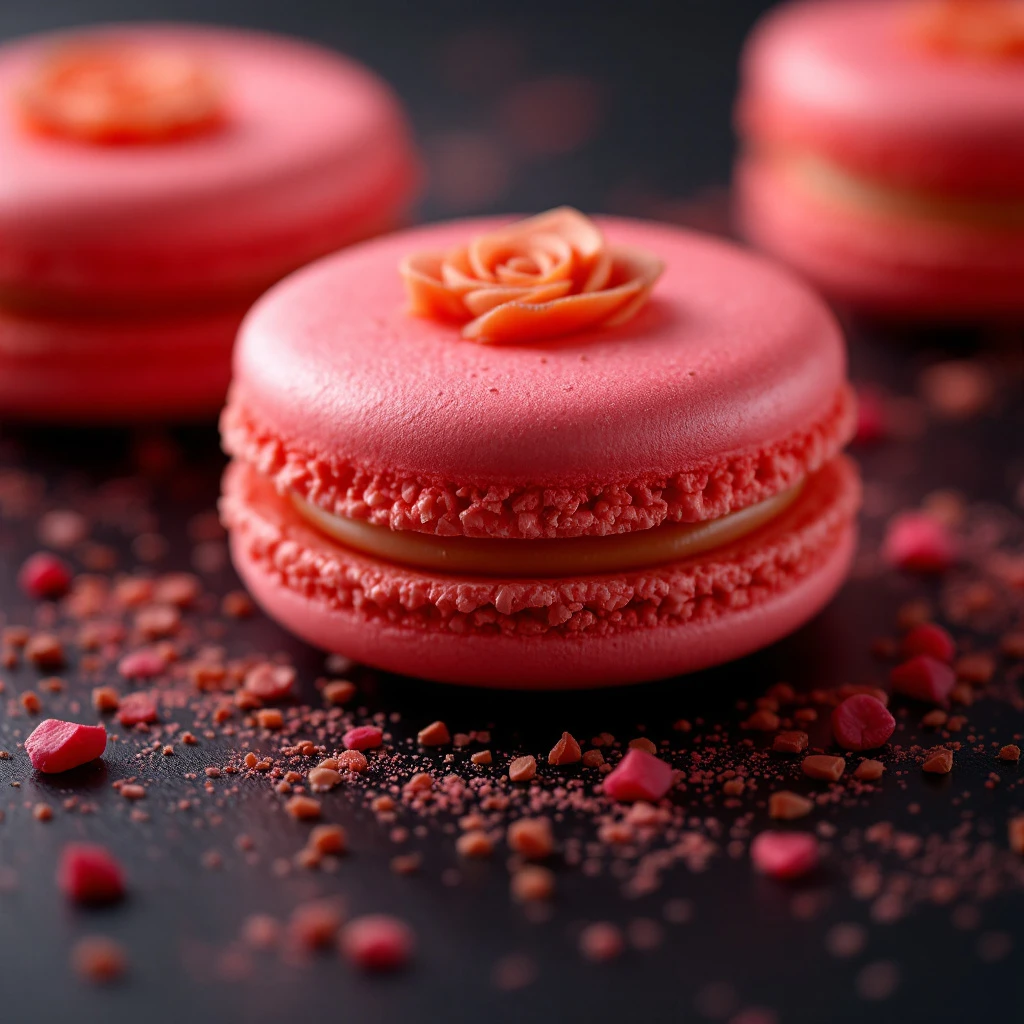
Rose Macaron is a modern perfumery concept that captures the delicate interplay between velvety rose and sweet almond, evoking the French confection. It delivers an edible floral experience that feels both luxurious and approachable.
Character
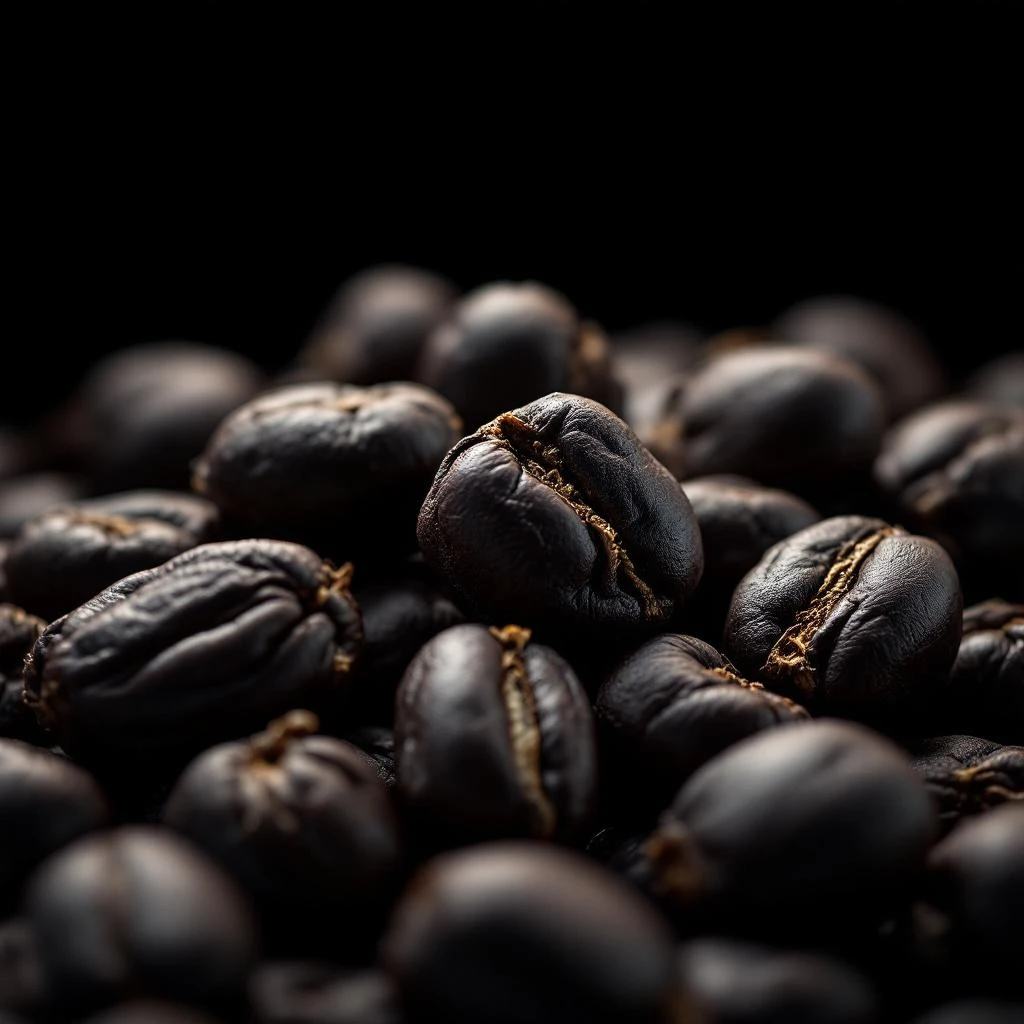
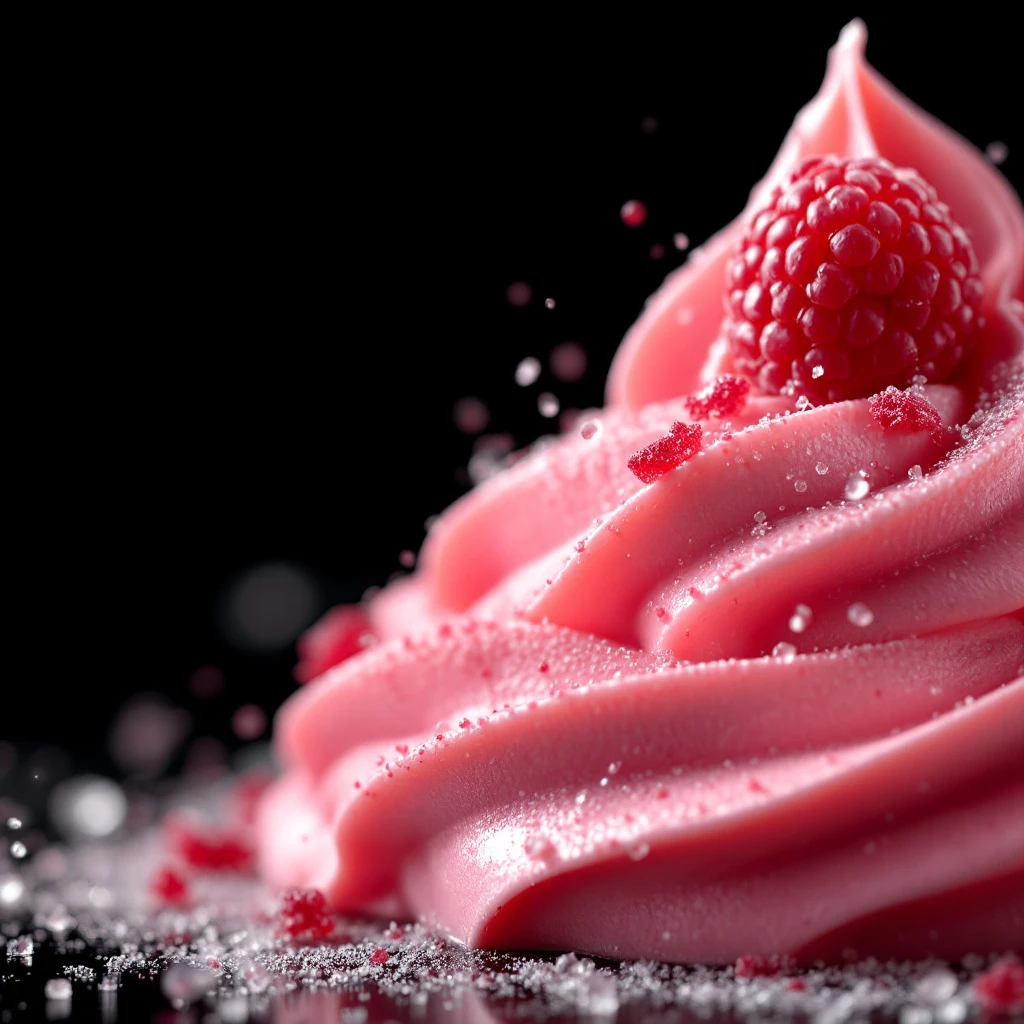
How it smells
Velvety rose meets sweet almond confection.
The macaron we recognize today emerged in the French court during Catherine de Medici's wedding in 1533, when Italian pastry chefs introduced the delicate almond cookies to France.






Origin
France
While roses have been central to perfumery since ancient Persian, Egyptian, and Roman civilizations, the Rose Macaron concept is distinctly modern, emerging from the intersection of French patisserie culture and contemporary fragrance design. The Damask rose, originating in Syria and spreading through the Ottoman Empire, became the cornerstone of fine perfumery. By the 19th century, Bulgaria dominated global rose oil production, establishing standards for rose quality that persist today.
French luxury houses then began incorporating edible, sweet notes into their fragrances during the late 20th century, creating gourmand-floral combinations that resonated with modern consumers. Rose Macaron represents this evolution, translating the beloved French pastry into an olfactory experience.
Wears it best
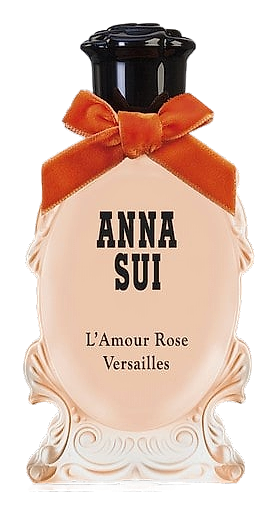
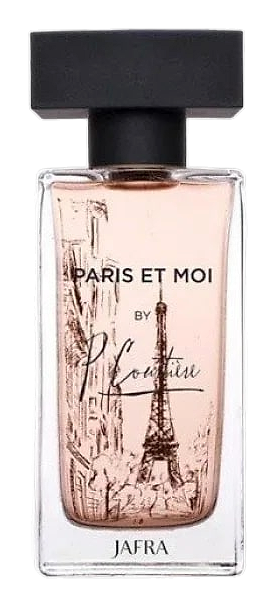
Fragrances featuring Rose Macaron

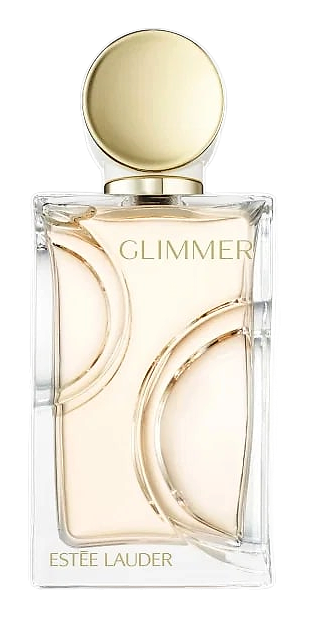
Brands
Brands known for Rose Macaron
Good to know
Questions, answered
The essentials on Rose Macaron in perfumery: how it smells, where it comes from, and how it behaves on skin.
What is Rose Macaron in perfumery?
Rose Macaron is a modern fragrance concept that combines rose with sweet, edible notes reminiscent of French almond macarons. It creates a gourmand-floral character that smells like a rose-filled confection.
How does Rose Macaron differ from traditional rose notes?
Unlike pure rose, Rose Macaron incorporates sweet, edible undertones of almond, heliotrope, and praline. The result is a softer, more approachable rose that reads as both floral and dessert-like.
Is Rose Macaron made from actual macarons?
No. Rose Macaron is a perfumery accord, not an extraction from macarons. Perfumers combine rose materials with sweet aromatic compounds to recreate the characteristic almond-rose profile.
What ingredients create the Rose Macaron effect?
Perfumers blend rose absolute with complementary sweet ingredients like heliotrope, praline, and vanilla to achieve the edible quality. Natural and synthetic materials work together to capture the macaron essence.
When did rose macaron notes first appear in fragrance?
Rose Macaron emerged as a distinct concept in the late 20th century when French luxury houses began blending edible notes with traditional florals. It reflects the broader gourmand movement in perfumery.
Can Rose Macaron be created naturally?
Natural rose materials provide the floral base, but the sweet macaron quality requires synthetic aromatic compounds to achieve consistency and the specific almond-confection character.
What fragrances use Rose Macaron notes?
Many modern women's fragrances incorporate rose macaron concepts, particularly those from French houses. The note appeals to consumers seeking romantic yet edible-smelling compositions.
What makes rose such a prized perfumery ingredient?
Rose requires vast quantities to produce extractable material. It takes roughly 10,000 roses to yield one ounce of rose absolute, making quality rose ingredients among the most concentrated and valuable in perfumery.