Raspberry Cocktail
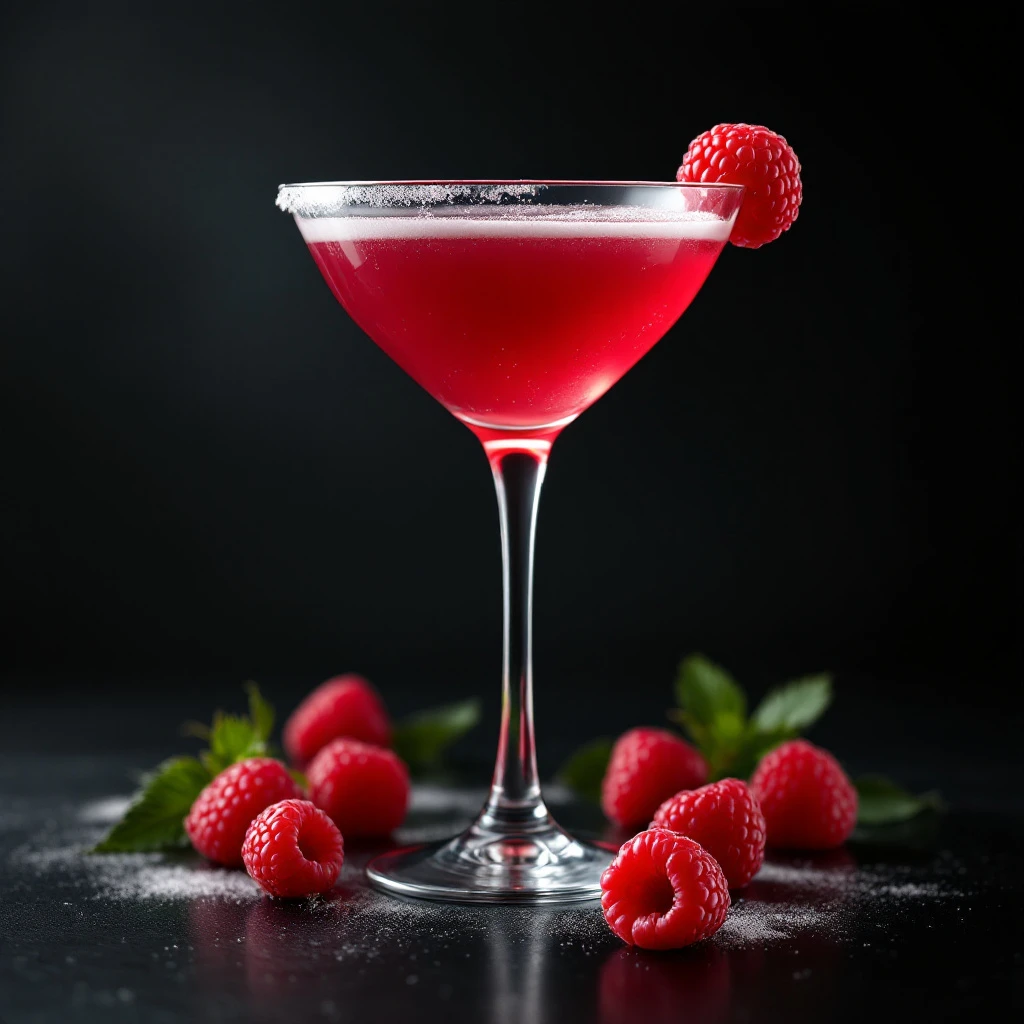
Raspberry Cocktail captures the playful sweetness of ripe raspberries muddled with citrus and a fizz of effervescence. This modern gourmand accord brings confectionary brightness to fruity and sparkling compositions.
Character
How it smells
A fizzy, sweet-sparkling raspberry accord.
True raspberry essence is nearly impossible to extract from the delicate fruit, so perfumers recreate the scent using a blend of synthetic aroma molecules like fructone and ethyl maltol.






Origin
Switzerland
The raspberry note in perfumery is a relatively recent invention, born from the same 19th-century wave of aroma-chemical synthesis that gave perfumers coumarin and vanillin. Before the 1950s, raspberry simply could not exist as a standalone perfume material. The fruit contains virtually no volatile oil that survives distillation, and traditional enfleurage proved impractical.
Everything changed when chemists identified and synthesized key raspberry ketones, notably 4-(4-hydroxyphenyl)-2-butanone, first isolated from raspberries in the 1950s. This compound, along with maltol and later furaneol discoveries, opened the door to realistic fruit accords. The cocktail variation, which adds fizzy citrus and aldehydic lift, emerged alongside the gourmand perfume movement of the 1990s and 2000s, when perfumers like Thierry Mugler and those at niche houses began treating edible, beverage-inspired themes as serious artistic territory.
Raspberry Cocktail as a recognized accord reflects modern perfumery's confidence in constructing scent entirely from molecules rather than relying solely on natural raw materials. It stands as evidence of how aroma chemistry reshaped creative possibility.
Wears it best
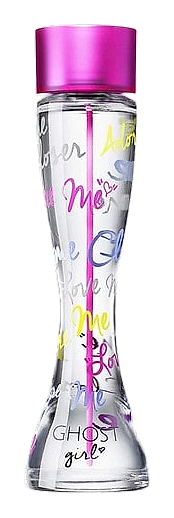
Fragrances featuring Raspberry Cocktail
Brands
Brands known for Raspberry Cocktail
Good to know
Questions, answered
The essentials on Raspberry Cocktail in perfumery: how it smells, where it comes from, and how it behaves on skin.
What does Raspberry Cocktail smell like in perfume?
Raspberry Cocktail smells like fresh crushed raspberries brightened with citrus and lifted by sparkling, bubbly aldehydes. The accord balances jammy sweetness with a crisp, fizzy quality that evokes a freshly poured drink garnished with berries.
Is Raspberry Cocktail a natural ingredient?
Raspberry Cocktail is a constructed accord, not a natural extract. Real raspberries yield almost no usable essential oil, so perfumers recreate the scent using synthesized molecules like raspberry ketone and ethyl maltol.
Which synthetic molecules create the raspberry scent?
The key building blocks include 4-(4-hydroxyphenyl)-2-butanone (raspberry ketone) for the core fruit identity, fructone for jammy brightness, and ethyl maltol for sweet, cotton-candy warmth. Aldehydes often add the sparkling cocktail effect.
When was raspberry ketone first synthesized?
Raspberry ketone was first isolated from natural raspberries in the 1950s, opening the door to realistic fruit accords. Its commercial synthesis allowed perfumers to build authentic berry notes without depending on the fragile raw fruit.
What perfume families use Raspberry Cocktail?
Raspberry Cocktail appears most often in gourmand and fruity-floral compositions. It pairs especially well with vanilla, pink champagne accords, and white florals, adding playful sweetness and a modern, confectionary edge.
Why is raspberry hard to extract naturally?
Raspberries are over 85% water and contain fragile aromatic compounds that degrade during heat-based extraction. Their volatile molecules do not survive steam distillation, leaving perfumers reliant on synthetic reconstruction.
Where did the cocktail-style fruit accord originate in perfumery?
The cocktail-inspired fruit accord rose to prominence in the 1990s alongside the gourmand movement, when perfumers began treating edible, beverage-inspired themes as serious creative territory. Thierry Mugler's Angel helped legitimize these playful constructs.
How does Raspberry Cocktail differ from plain raspberry notes?
Plain raspberry notes focus on jammy, ripe fruit sweetness. Raspberry Cocktail adds citrus brightness and aldehydic effervescence, creating a sparkling, drink-inspired quality that feels brighter, more festive, and more effervescent on skin.




