Provençal Verbena
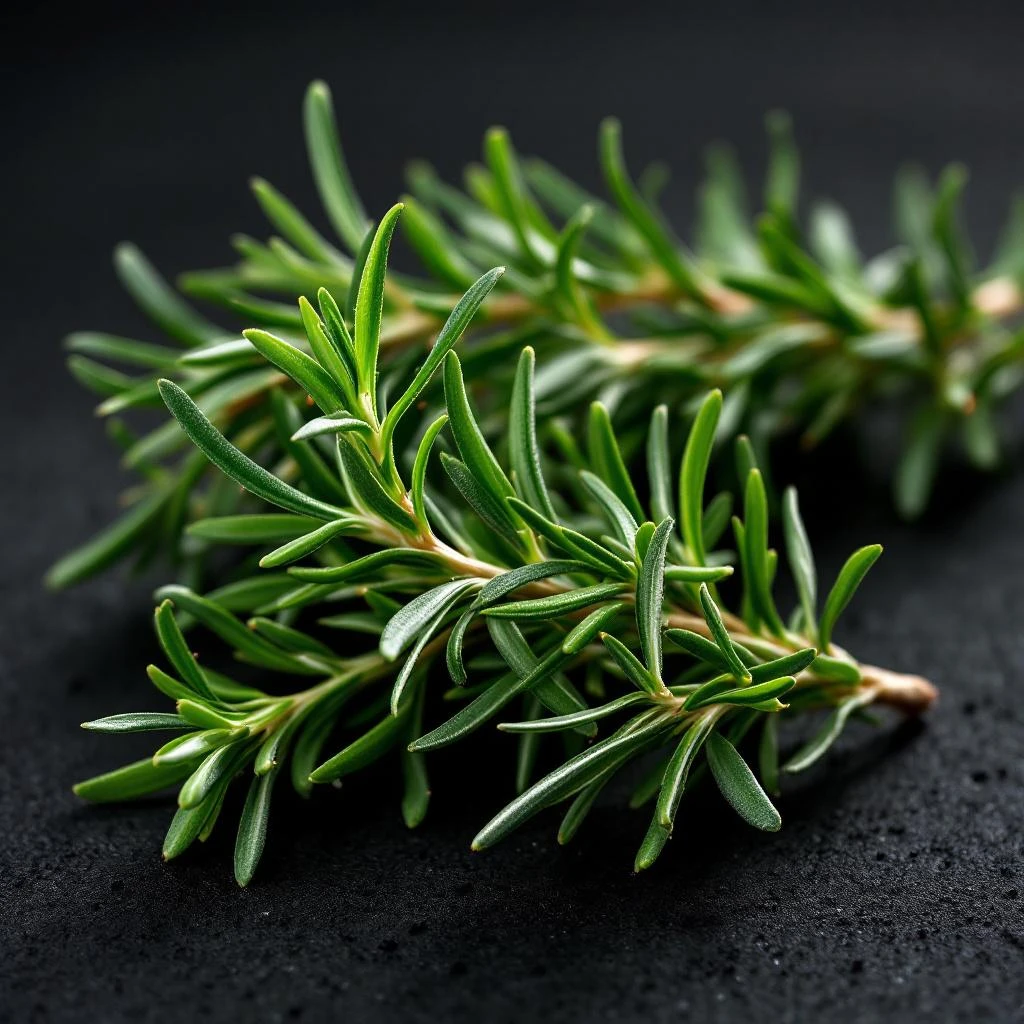
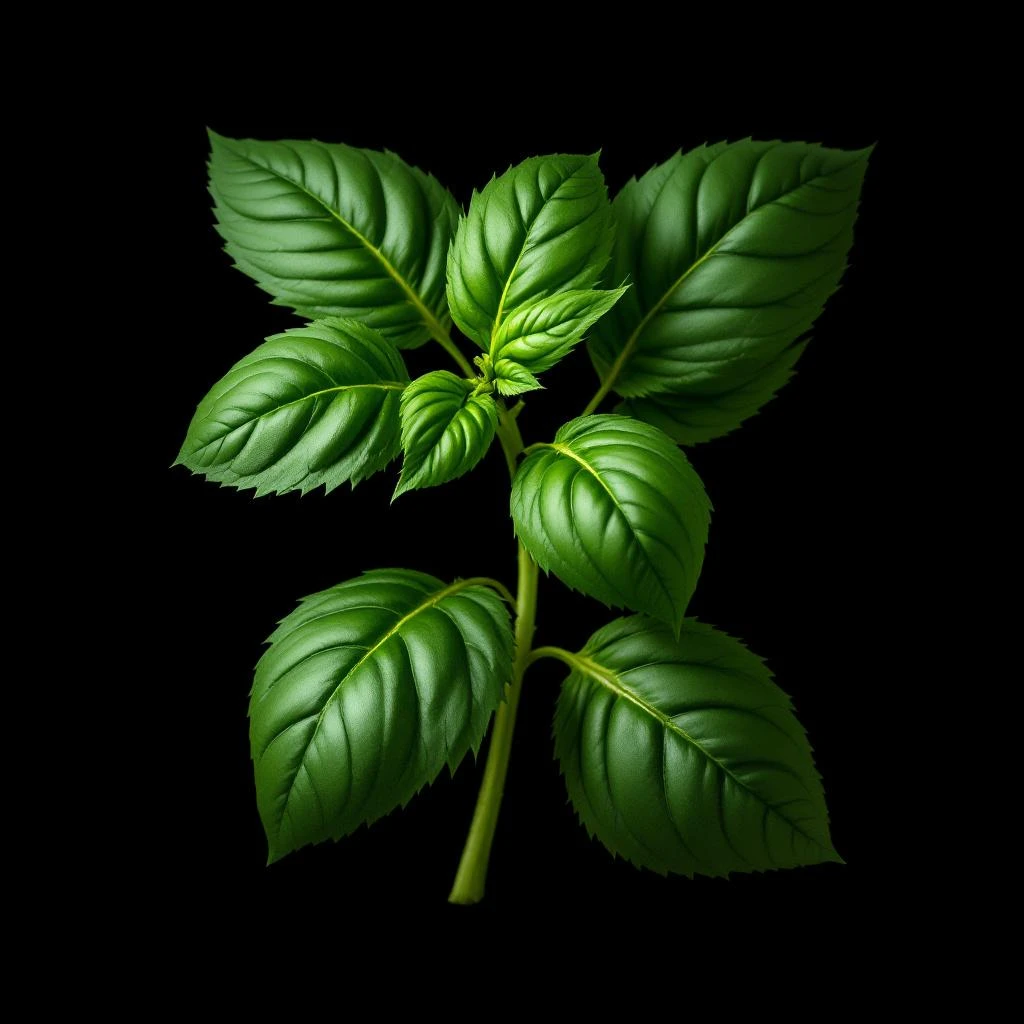
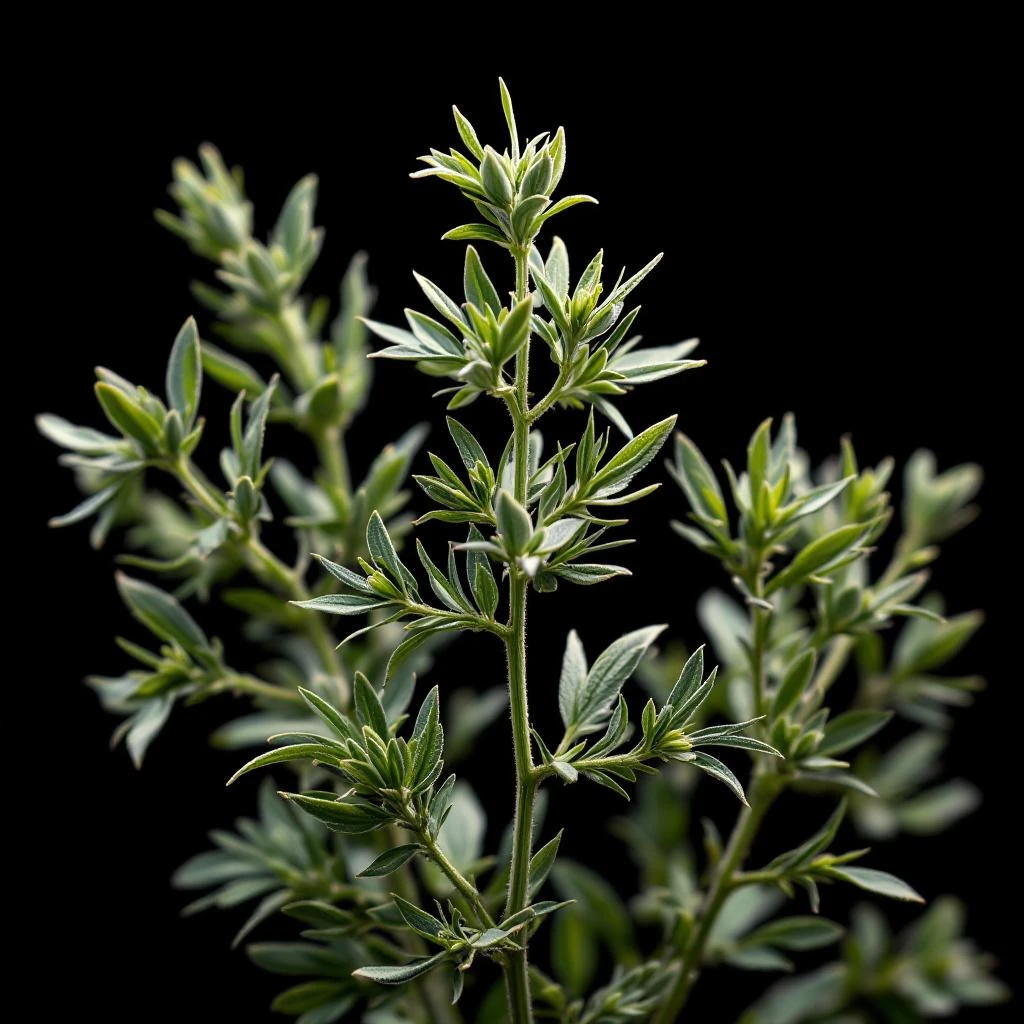
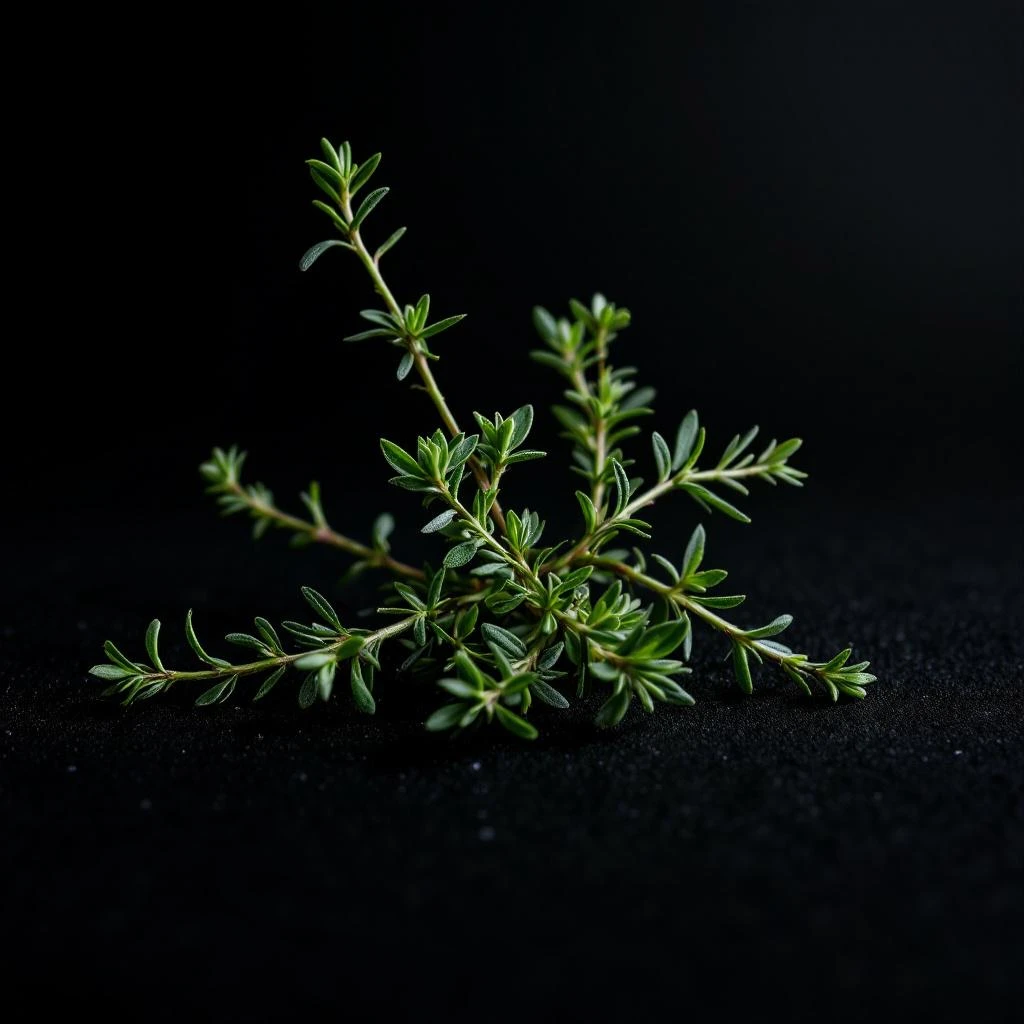
A luminous citrus-herb that transforms Mediterranean summers into scent. Verbena offers crisp lemon zest with green undertones—clean, energizing, and unmistakably Provençal in spirit.
Character
How it smells
Mediterranean sunshine captured in green.
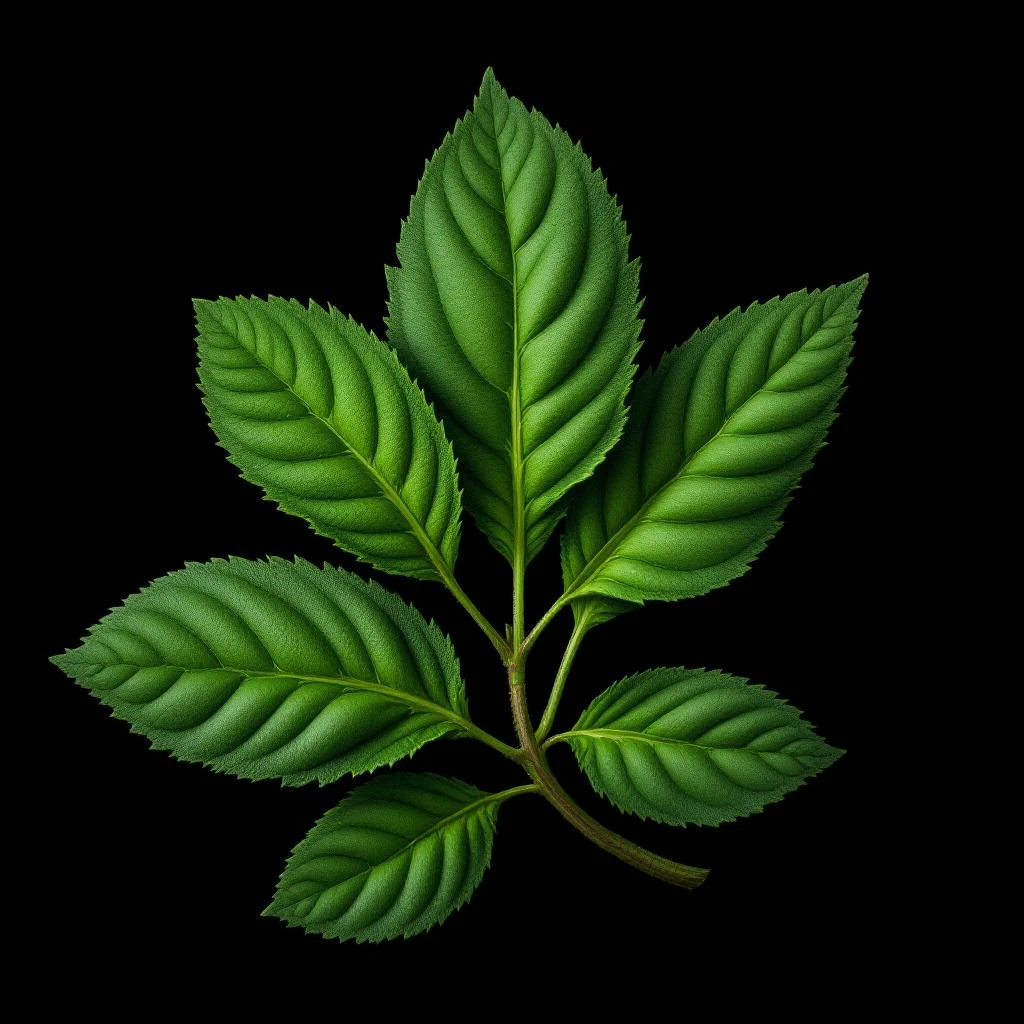
A single verbena leaf can contain up to 30% aromatic compounds, making it one of the most potent natural citrus sources in perfumery.
Origin
Morocco
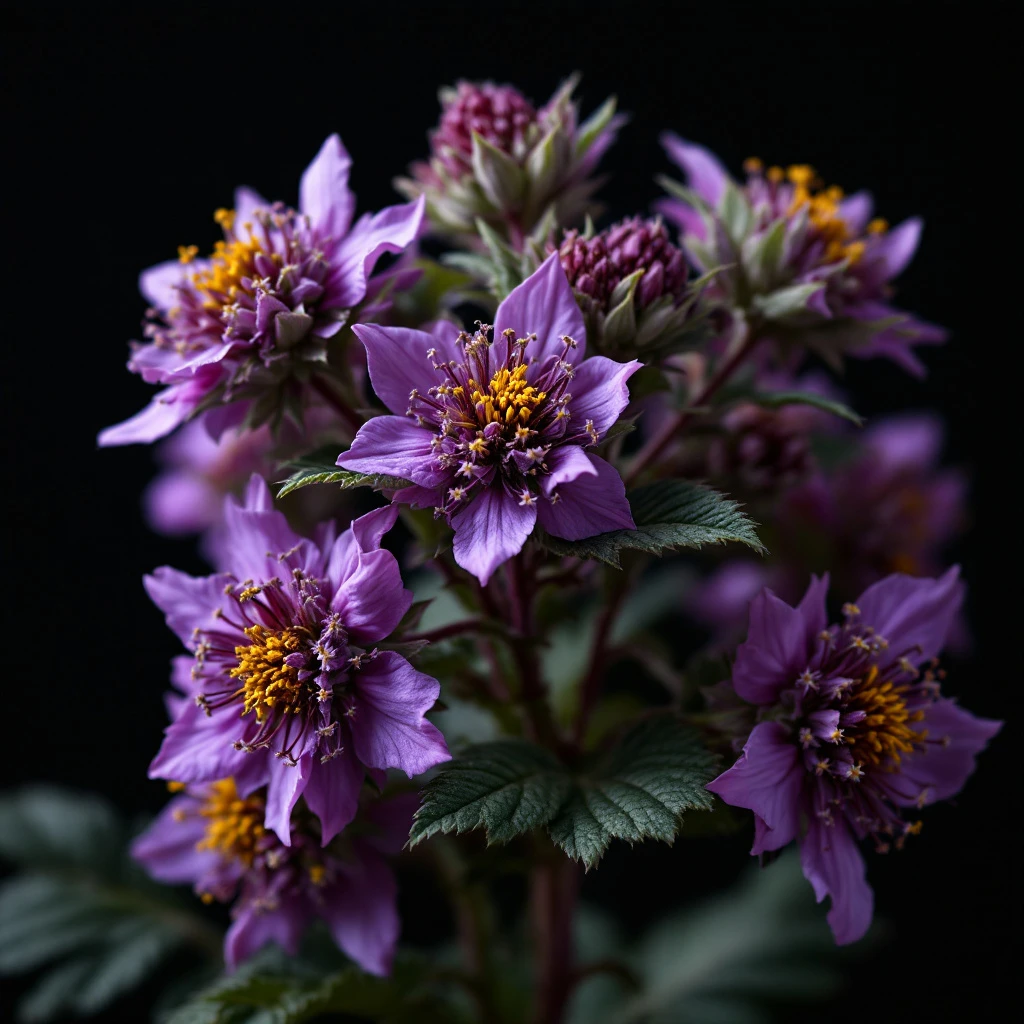
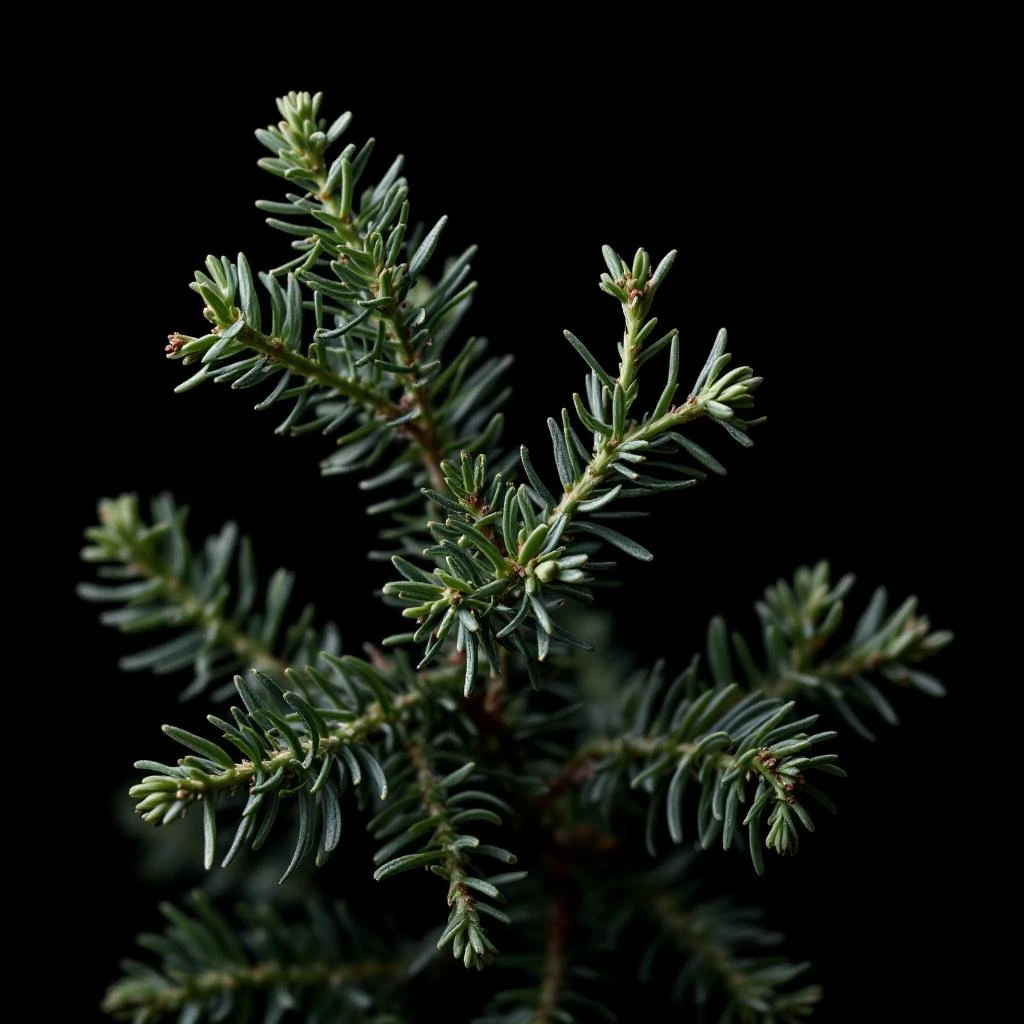
Verbena carries a legacy stretching back to ancient Europe, North Africa, and the Middle East, where it earned reverence in ceremonial and medicinal contexts long before perfumery existed. Roman soldiers carried verbena sprigs as protective talismans, while medieval herbalists employed it in remedies throughout the continent. The plant's journey to France began in the late 18th century, arriving from South America with colonial botanical explorers.
French perfumers quickly recognized verbena's extraordinary citrus intensity, and it became a staple in Provençal fragrance houses during the 19th century's golden age of natural perfumery. The herb thrived in southern France initially, gracing formal gardens and providing local perfumers with freshly harvested material. However, as regional climates warmed and droughts intensified, commercial cultivation became increasingly difficult. Moroccan and Spanish producers stepped in to fill the gap, cultivating verbena on a larger scale under hotter conditions. Today, the Provençal name persists as a nod to the region's historical significance in verbena perfumery, even though the majority of cultivation occurs elsewhere.
Wears it best
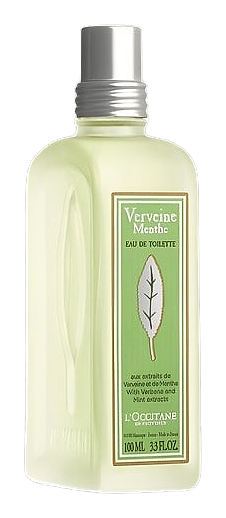
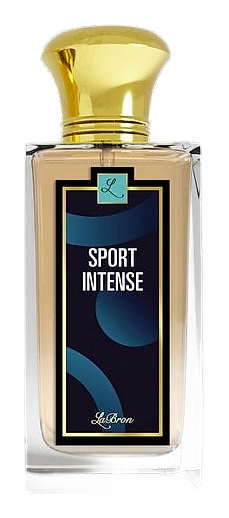
Fragrances featuring Provençal Verbena
Brands
Brands known for Provençal Verbena
Good to know
Questions, answered
The essentials on Provençal Verbena in perfumery: how it smells, where it comes from, and how it behaves on skin.
What does verbena smell like in perfumery?
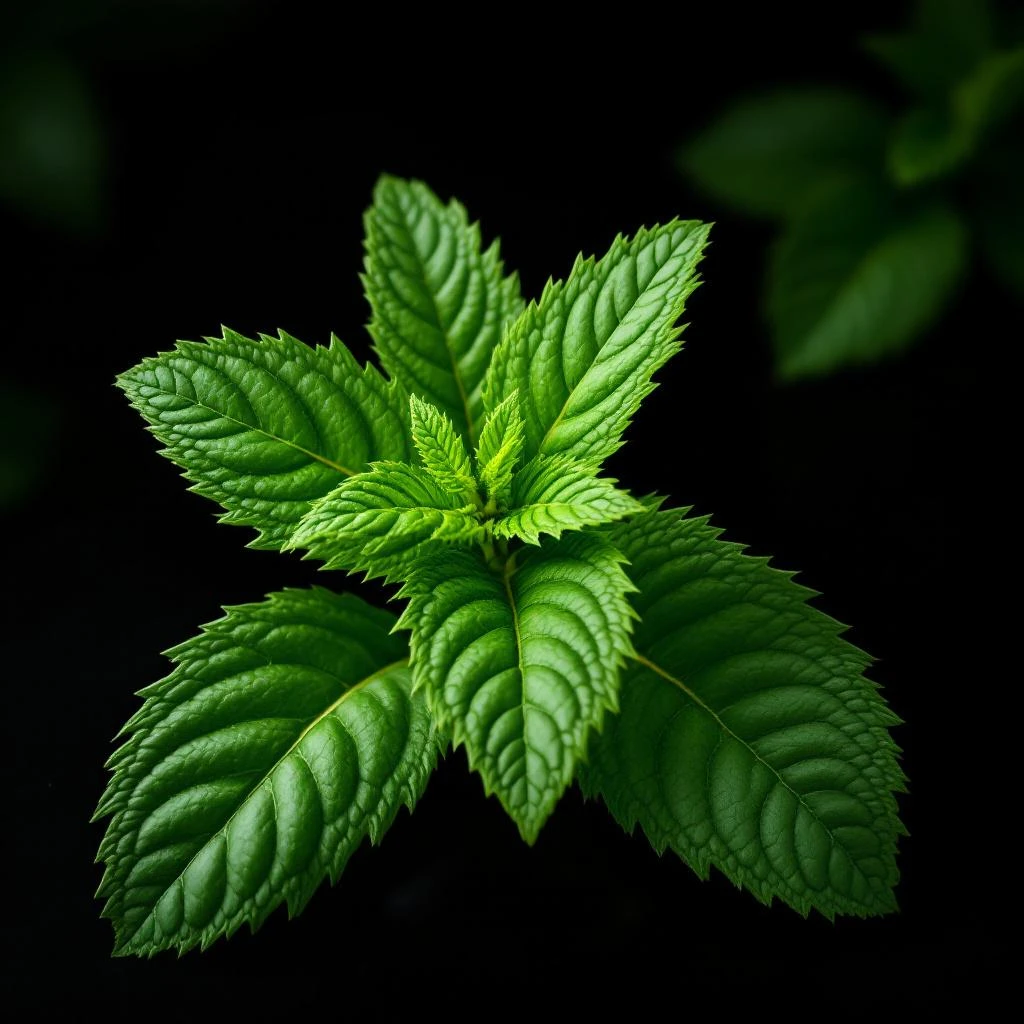
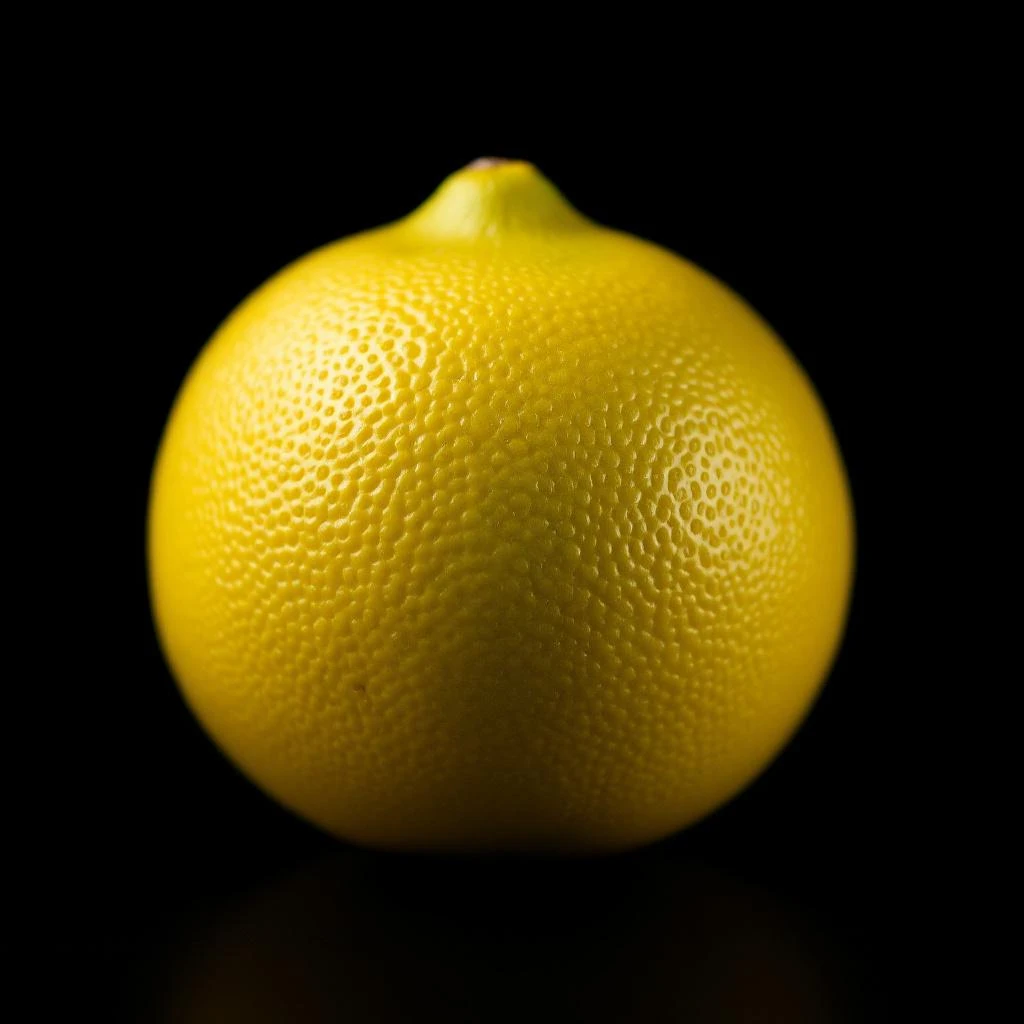
Verbena delivers a crisp, lemon-forward aroma with green, herbaceous undertones. The scent is clean and energizing—reminiscent of lemon zest combined with fresh-cut grass. It reads as both citrusy and botanical, offering brightness without the sharpness of synthetic lemon notes.
What is verbena called in French perfumery?
French perfumers refer to verbena as verveine. The name appears frequently in ingredient listings for citrus and herbal fragrance compositions. This French term connects directly to the plant's Mediterranean heritage and centuries of use in Provençal perfumery.
Where does verbena grow for perfumery today?
Commercial verbena cultivation shifted from southern France to Morocco and Spain during the 20th century. These regions offer the hotter, drier conditions verbena requires. Morocco has become the primary source, producing verbena with consistently high aromatic compound content.
How is verbena absolute different from verbena essential oil?
Steam distillation produces verbena essential oil—a bright, citrusy material ideal for top notes. Verbena absolute, extracted via solvents, offers deeper complexity with richer green and slightly resinous qualities. Absolute is more concentrated and used when a more nuanced, lasting effect is needed.
When is verbena harvested for fragrance production?
Verbena for perfumery is harvested in late summer, typically August through September, when essential oil concentration peaks in the leaves. The harvest window lasts only a few weeks, requiring careful timing to capture optimal aromatic quality.
Is verbena used in men's or women's fragrances?
Verbena appears across gender categories in modern perfumery. Its clean, citrusy character suits unisex compositions equally well. The note bridges traditionally masculine herbal fragrances and feminine citrus florals, making it versatile for contemporary fragrance design.
Can verbena grow in Provence today?
Wild verbena still appears in Provençal gardens, but commercial cultivation largely ceased due to climate shifts. Hotter, drier conditions in recent decades pushed large-scale production to Morocco and Spain, where producers can better control growing conditions.
Does verbena blend well with other fragrance ingredients?
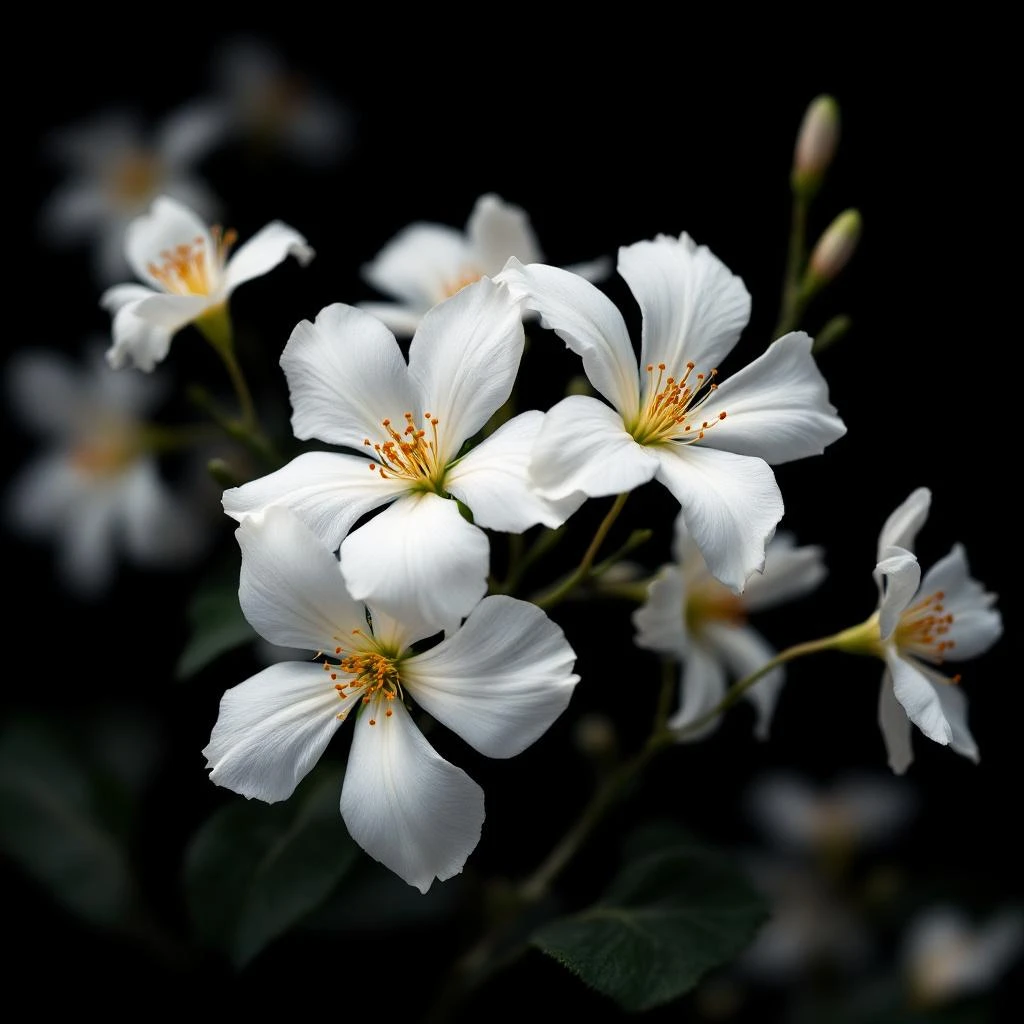
Verbena pairs naturally with citrus companions like neroli, bergamot, and lemon. It harmonizes equally well with lavender, mint, and rosemary for herbal compositions, or with green tea and white florals for fresher blends.