Provençal Rosa Centifolia
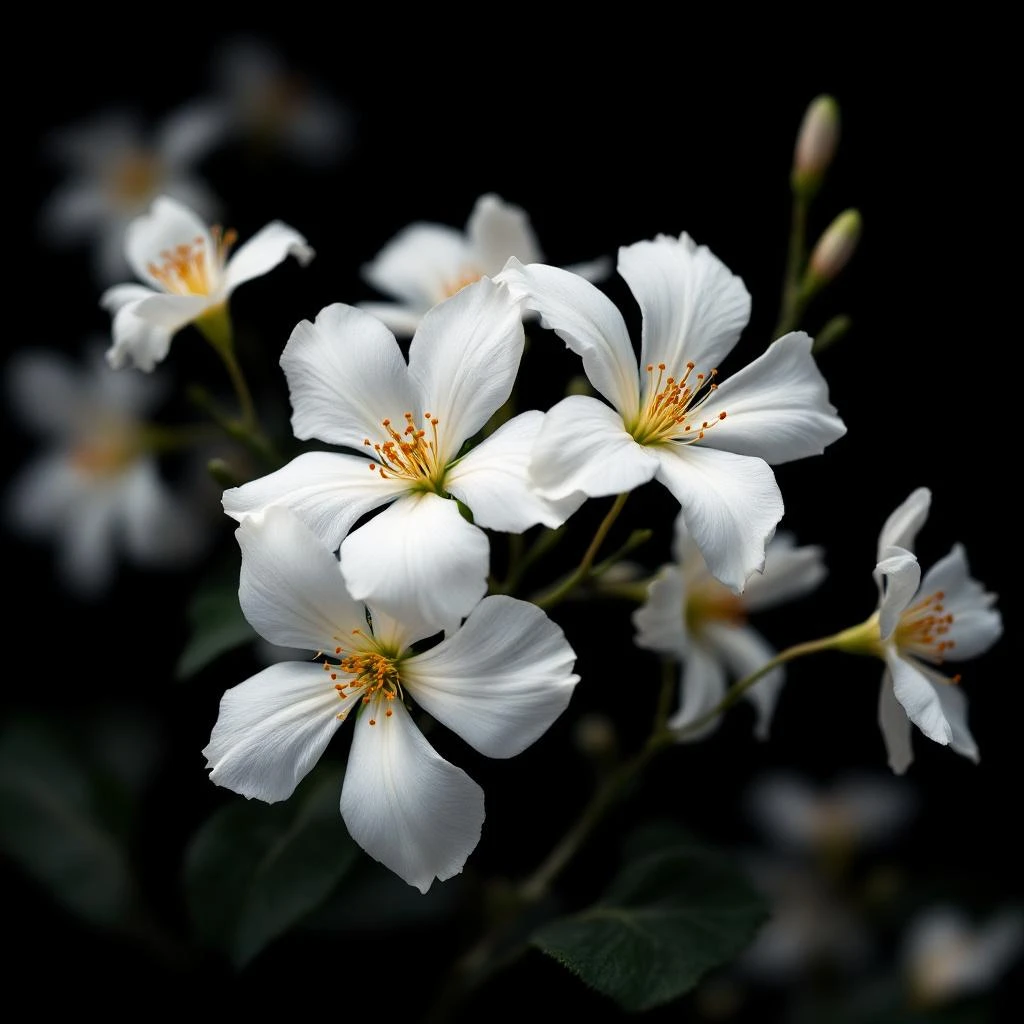
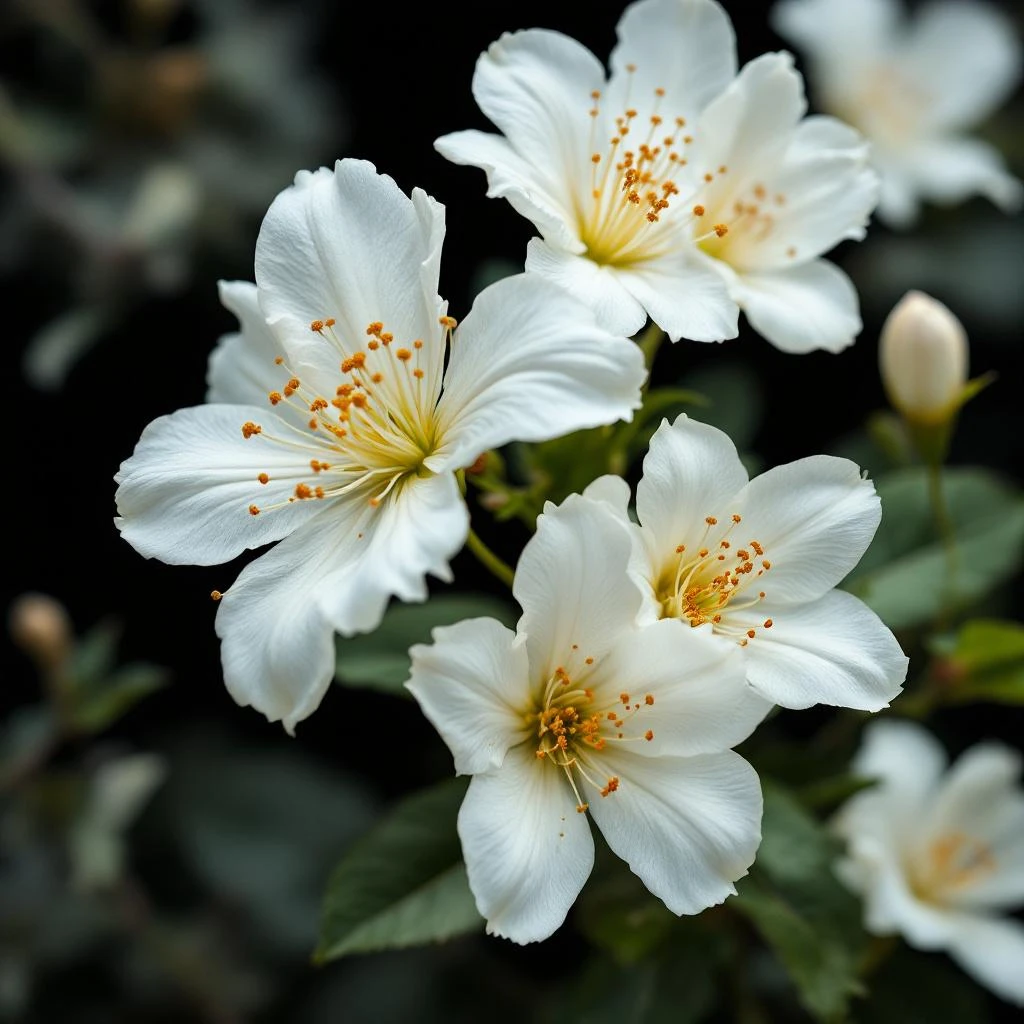
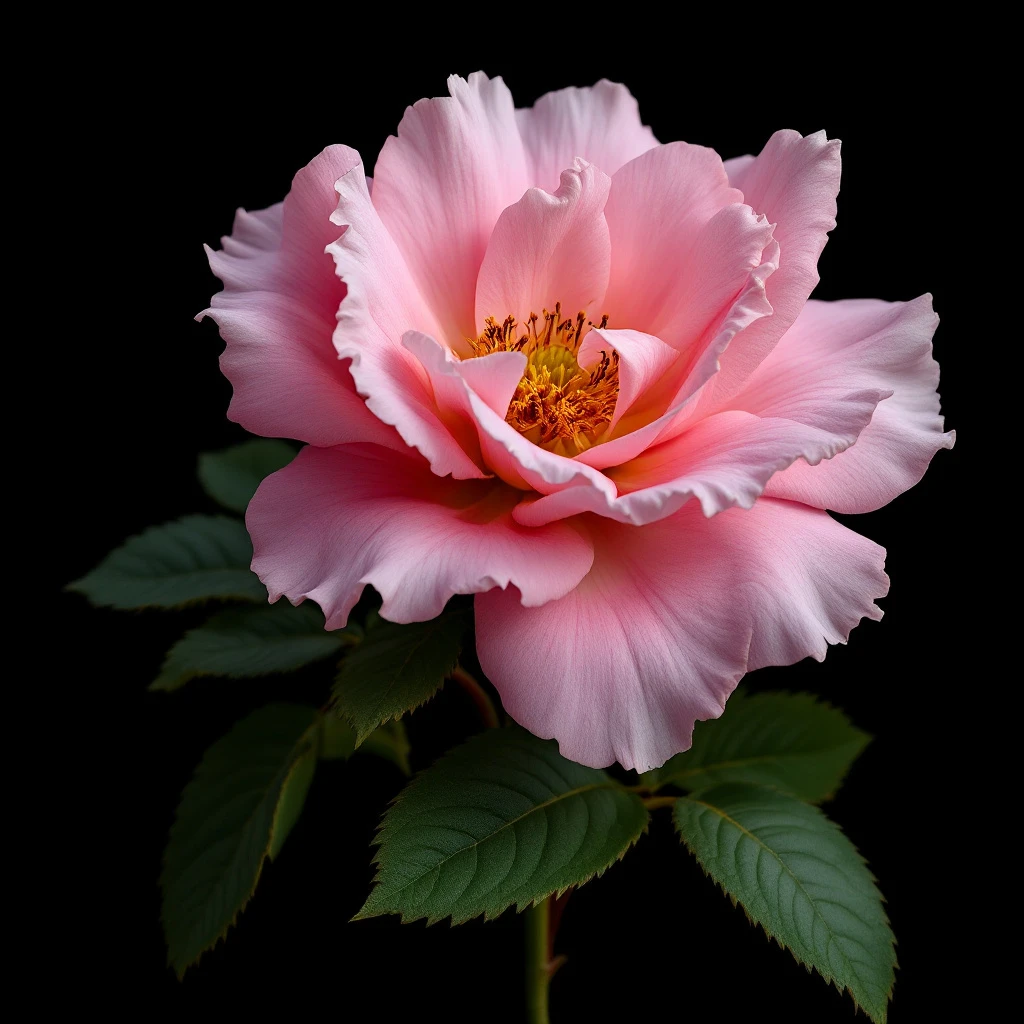
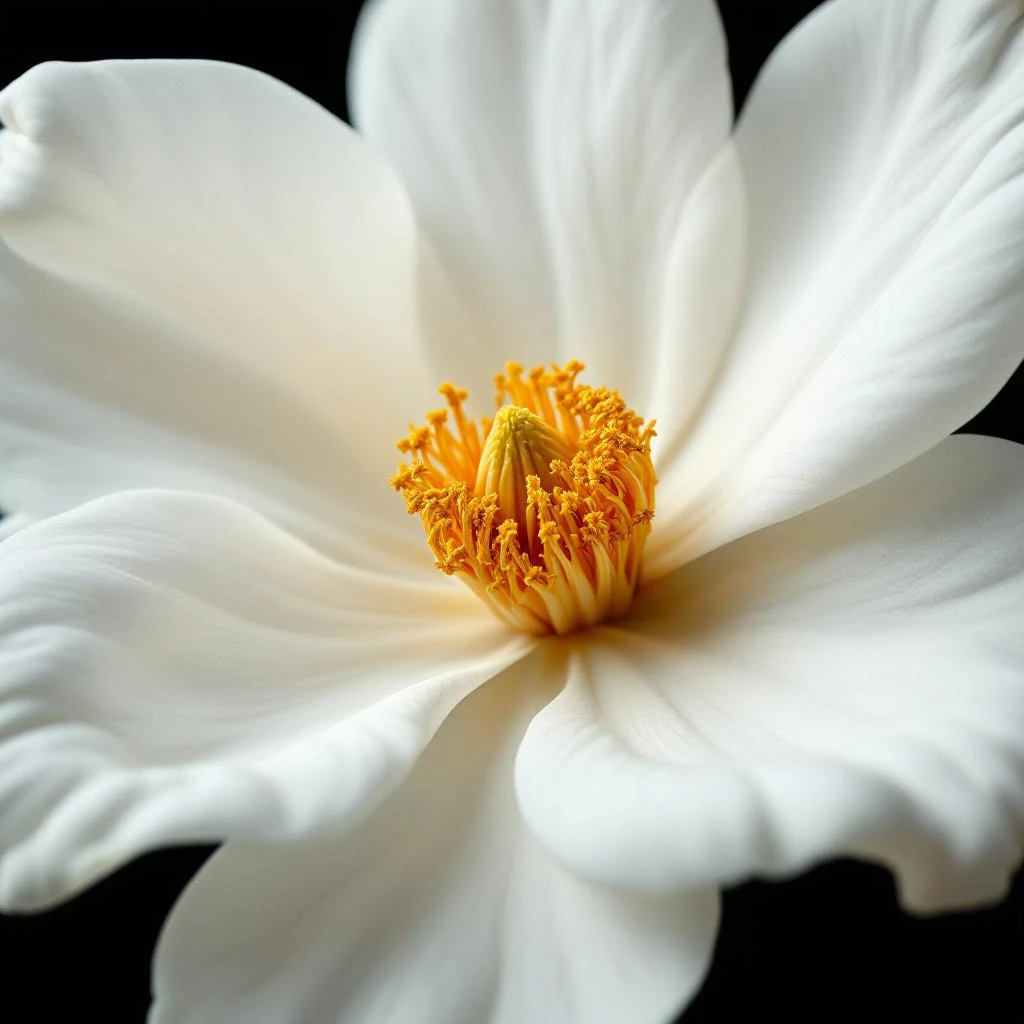
The hundred-petaled rose from Grasse, Rosa centifolia offers a refined, intensely aromatic fragrance prized by perfumers. Its harvest window spans just three weeks each May, when the blossoms reach peak aromatic intensity.
Character
How it smells
Grasse's most coveted rose, harvested for three fleeting weeks each May.
Each bush yields roughly 300 flowers per season; it takes 10,000 hand-picked blooms to produce a single kilogram of absolute.
Origin
France
Rosa centifolia emerged from Dutch breeding programs between the 17th and 19th centuries, created by crossing progenitor rose species to produce a thornless garden variety. French cultivators in Grasse, already Europe's perfume capital, recognized its potential and scaled production for the fragrance industry.
By the 1800s, Grasse had established Rosa centifolia as a cornerstone of French perfumery. Historical houses like Officina Profumo-Farmaceutica di Santa Maria Novella incorporated the rose into formulations for centuries. The bloom's association with the region runs so deep that May harvest season became a cultural touchstone in southern France.
While Rosa damascena dominates commercial production today, Rosa centifolia remains the preferred material for classical rose compositions. Its heritage in Grasse persists as both a perfumery material and a cultural symbol of the region's historical craft.
Wears it best
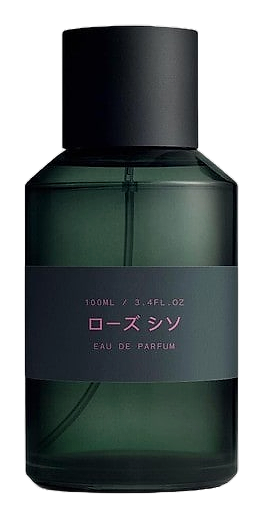
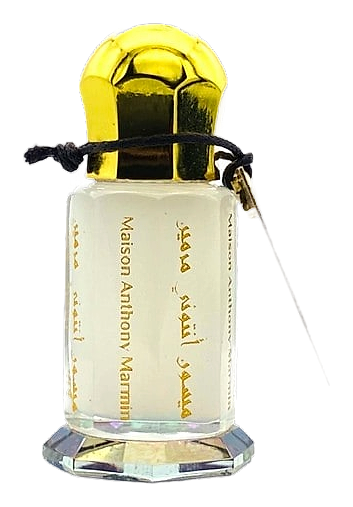
Fragrances featuring Provençal Rosa Centifolia
Brands
Brands known for Provençal Rosa Centifolia
Good to know
Questions, answered
The essentials on Provençal Rosa Centifolia in perfumery: how it smells, where it comes from, and how it behaves on skin.
What does Rosa centifolia smell like compared to other roses?
Rosa centifolia carries a more refined, greener profile than damask rose, with pronounced honeyed and slightly spicy facets. Its scent is often described as more delicate and nuanced.
Why is Rosa centifolia more expensive than other rose absolutes?
Rosa centifolia contains significantly less essential oil than Rosa damascena, requiring roughly 10,000 hand-picked blooms per kilogram of absolute. The short three-week harvest window and intensive labor compound the cost.
Is Rosa centifolia the same as Rose de Mai?
Yes. Rose de Mai is the common name for Rosa centifolia, referring to its May harvest period. The name appears frequently in French perfumery contexts.
Why is Rosa centifolia solvent-extracted rather than steam-distilled?
Steam distillation yields minimal results from Rosa centifolia due to its low oil content. Solvent extraction captures the full aromatic profile and produces a more economically viable absolute.
What makes Grasse the primary source for Rosa centifolia?
Grasse has cultivated Rosa centifolia since the 1800s, developing ideal soil and climate conditions. The region's savoir-faire in hand-harvesting and processing remains unmatched globally.
How does Rosa centifolia differ structurally from other roses?
Rosa centifolia is thornless and produces densely packed, multi-layered petals. The flower is smaller than typical garden roses but significantly more fragrant per blossom.
What fragrance families pair well with Rosa centifolia?
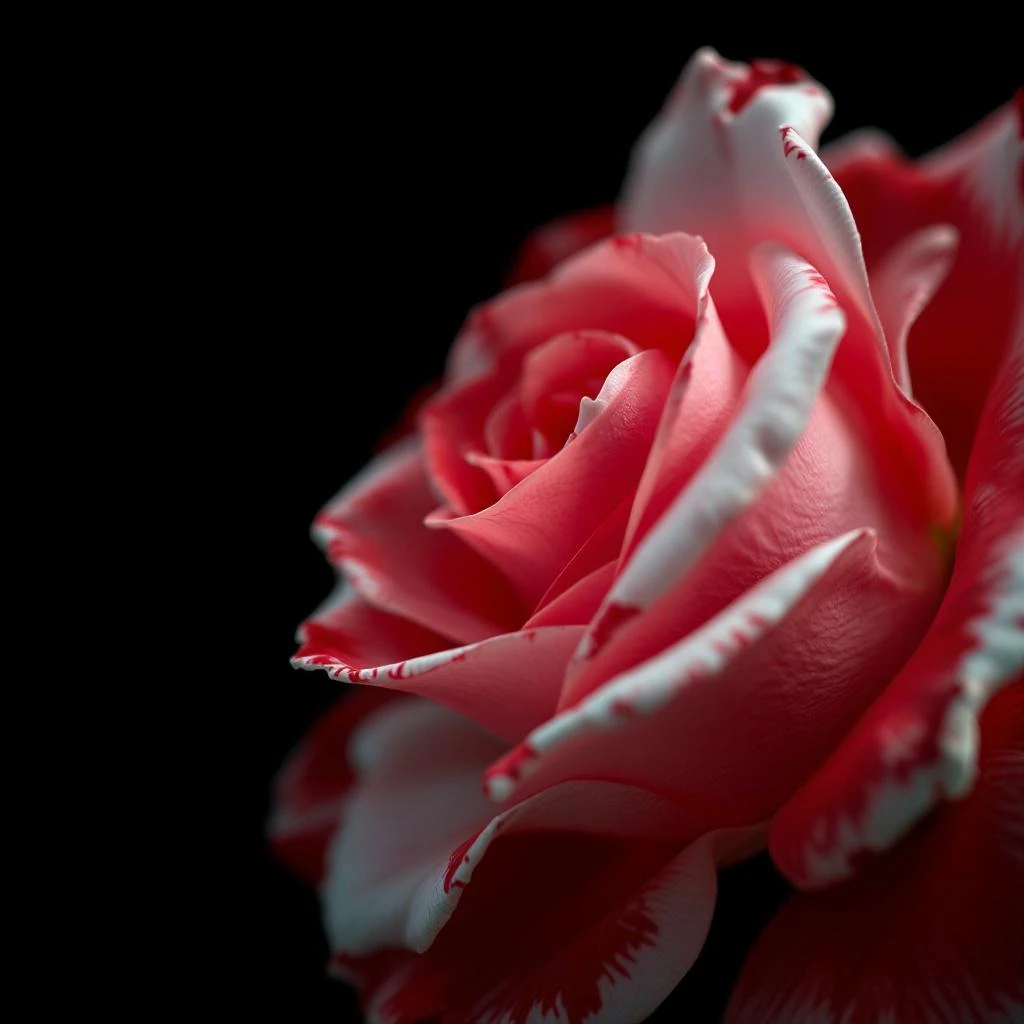
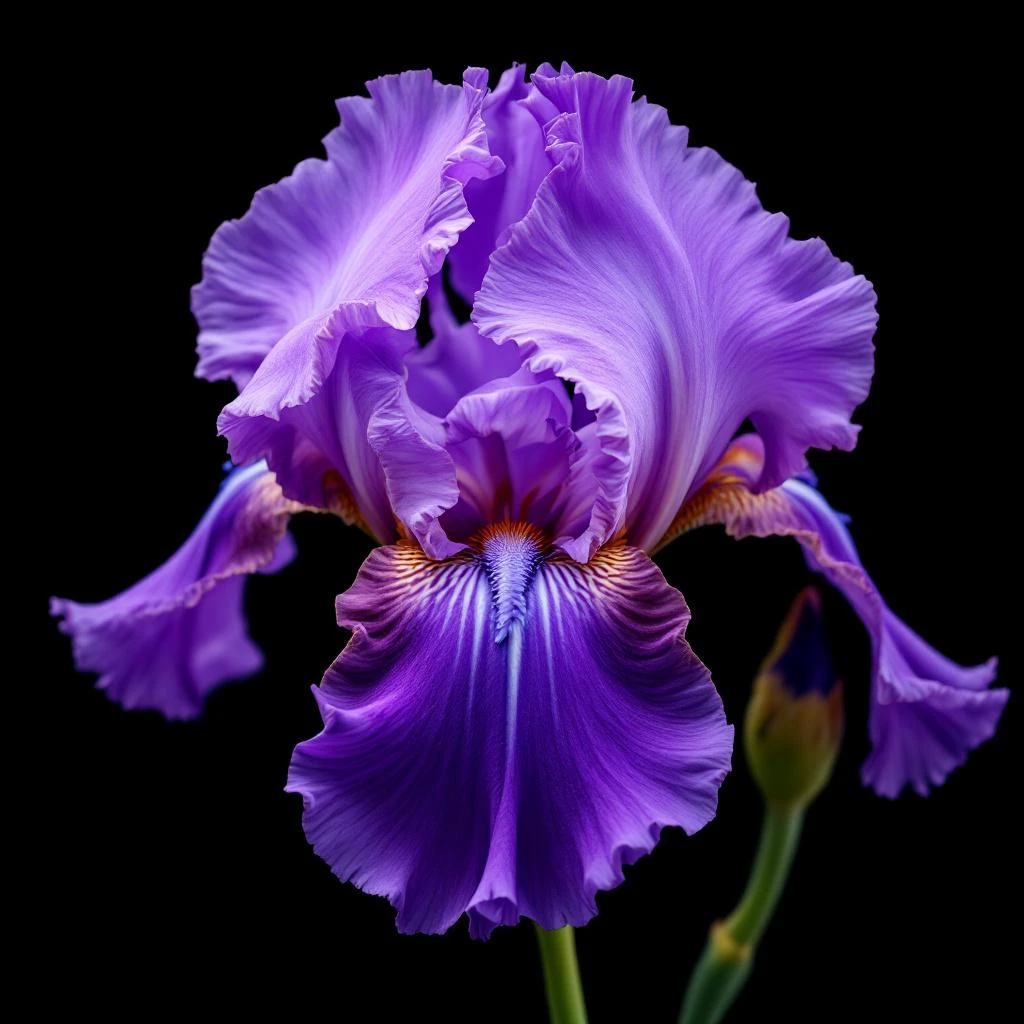
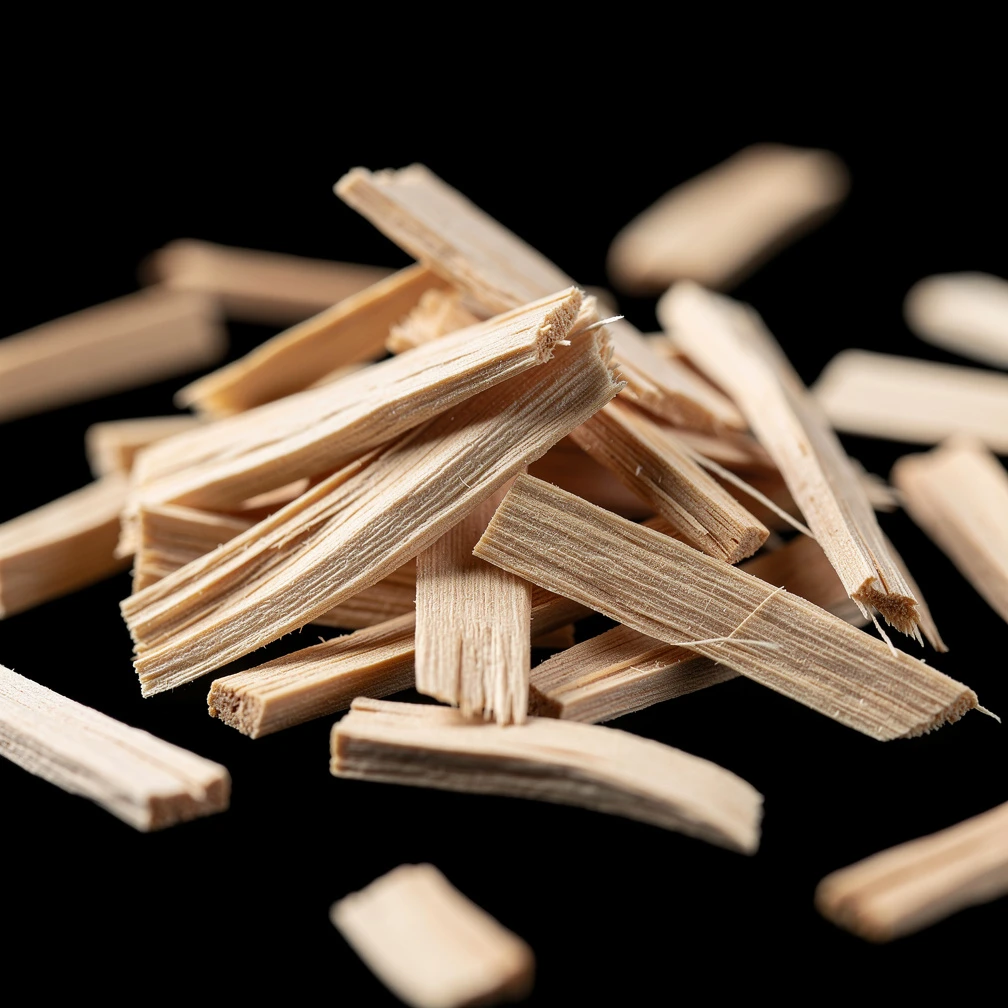
Rosa centifolia works in floral, chypre, and oriental compositions. It pairs naturally with jasmine, iris, sandalwood, and warm resinous materials like benzoin.
Has Rosa centifolia been used historically beyond perfumery?
Yes. Rose water from centifolia appeared in apothecary formulas for centuries. The Officina Profumo-Farmaceutica di Santa Maria Novella documented its use in medicinal preparations from the 1200s onward.