Prickly Pear Milk
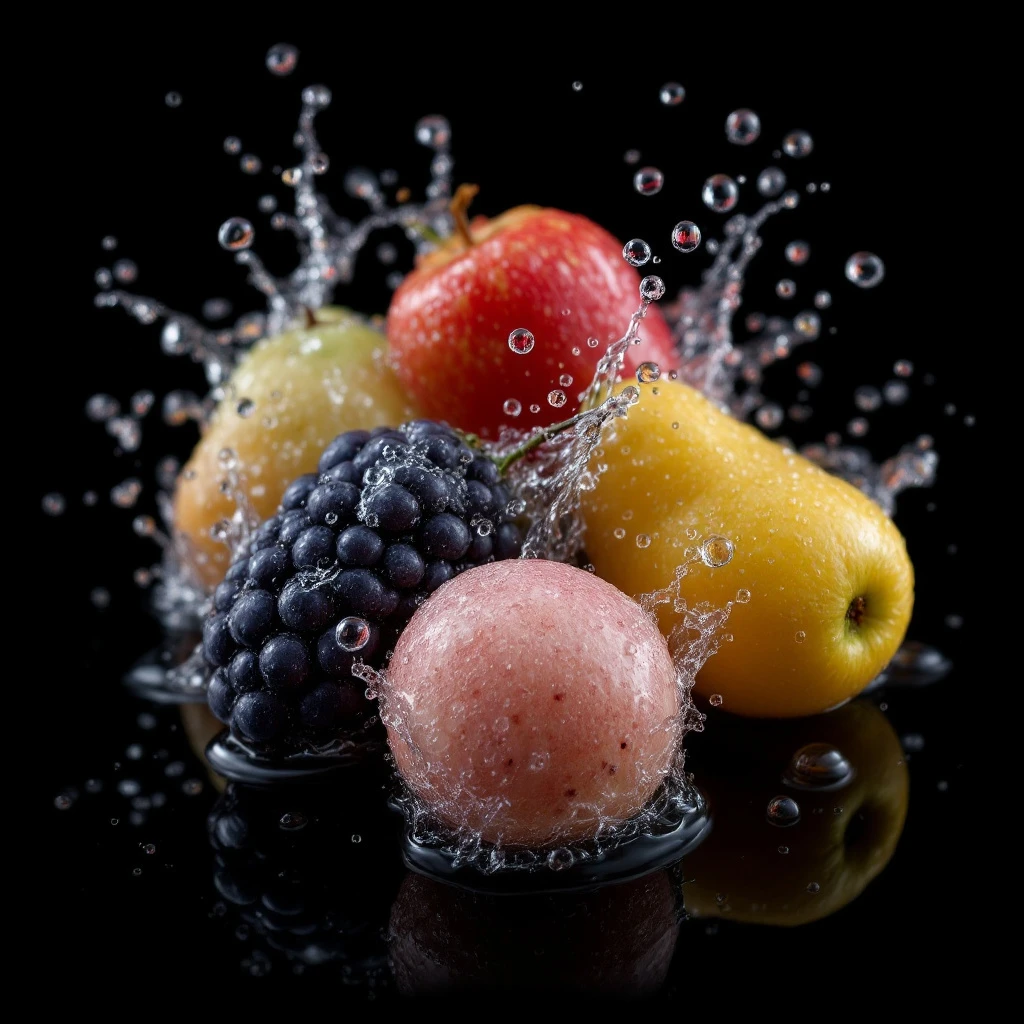
A creamy, sun-warmed desert fruit turned perfumery novelty. Prickly Pear Milk captures the succulent softness of cactus fig with a milky, almost coconut-like smoothness that feels modern yet timeless.
Character
How it smells
Desert fruit meets milky elegance.
The prickly pear cactus produces edible fruit only once per pad per year, making genuine extracts remarkably rare in commercial perfumery.


Origin
Mexico
The prickly pear traveled from its native Mexico to Europe after the Spanish conquest of the Aztec Empire in the early 1500s, spreading across the Mediterranean where it naturalized in Sicily, Tunisia, and Morocco within a century. For four hundred years it remained a food crop and folk remedy, rarely appearing outside agricultural records.
Its entry into perfumery waited until the late twentieth century, when niche and indie perfumers began experimenting with cold-pressed fruit waters and lactonic modifiers. Mexican perfumers in particular championed the ingredient as a marker of national botanical identity, pairing it with copal, vanilla, and lime in compositions meant to evoke the Sonoran desert.
By the 2010s, major houses adopted prickly pear derivatives in summer and resort flankers, drawn by its photorealistic freshness and low allergen profile compared to citrus top notes. The milk variant, a newer construction, reflects a broader trend toward skin-scent and second-skin aesthetics that prioritize soft, edible textures over sharp traditional cologne structures.
Wears it best
Fragrances featuring Prickly Pear Milk
Brands
Brands known for Prickly Pear Milk
Good to know
Questions, answered
The essentials on Prickly Pear Milk in perfumery: how it smells, where it comes from, and how it behaves on skin.
What does Prickly Pear Milk smell like in perfume?
It smells like fresh watermelon and pear with a creamy, almost coconut-like softness. The milky facet adds a skin-like warmth that rounds out the fruit's watery brightness, giving it an edible, sun-warmed quality on the skin.
Is Prickly Pear Milk a natural or synthetic ingredient?
It is typically a natural-derived hybrid. The fruit pulp is cold-pressed, while the milk character often comes from coconut carriers or stabilized emulsions blended by the perfumer rather than occurring naturally in the cactus fruit itself.
Where does prickly pear for perfumery come from?
Most commercial prickly pear originates in Mexico, the crop's ancestral center. Secondary sources include Sicily, Tunisia, and Morocco, where the cactus naturalized after Spanish colonial introduction in the 1500s.
Is Prickly Pear Milk safe for sensitive skin?
Yes, it generally has a low allergen profile compared to citrus or floral absolutes. The fruit contains natural vitamin E and fatty acids, though individual sensitivity to any fragrance material always varies.
What fragrance families use Prickly Pear Milk?
It appears most often in fruity, gourmand, and skin-scent compositions. Perfumers also place it in fresh floral and aquatic structures where its watery sweetness bridges sharp citrus and softer musky bases.
How long does Prickly Pear Milk last on skin?
As a top-to-heart note, it typically lasts one to three hours before fading into the base. The lactonic milk modifier extends wear slightly compared to pure prickly pear juice, which evaporates faster.
Can prickly pear be recreated synthetically?
Yes, aroma chemicals like ethyl 2-methylbutyrate and gamma-undecalactone can approximate the fruit's melon-pear sweetness. However, perfumers note the natural cold-pressed version retains a greener, more nuanced freshness that synthetics often miss.
Why is prickly pear expensive in fragrance?
Each cactus pad fruits only once per year, and harvest requires manual labor to avoid irritating spines. Combined with low extraction yields and rising demand from niche houses, genuine prickly pear materials command premium pricing.