Watery fruits
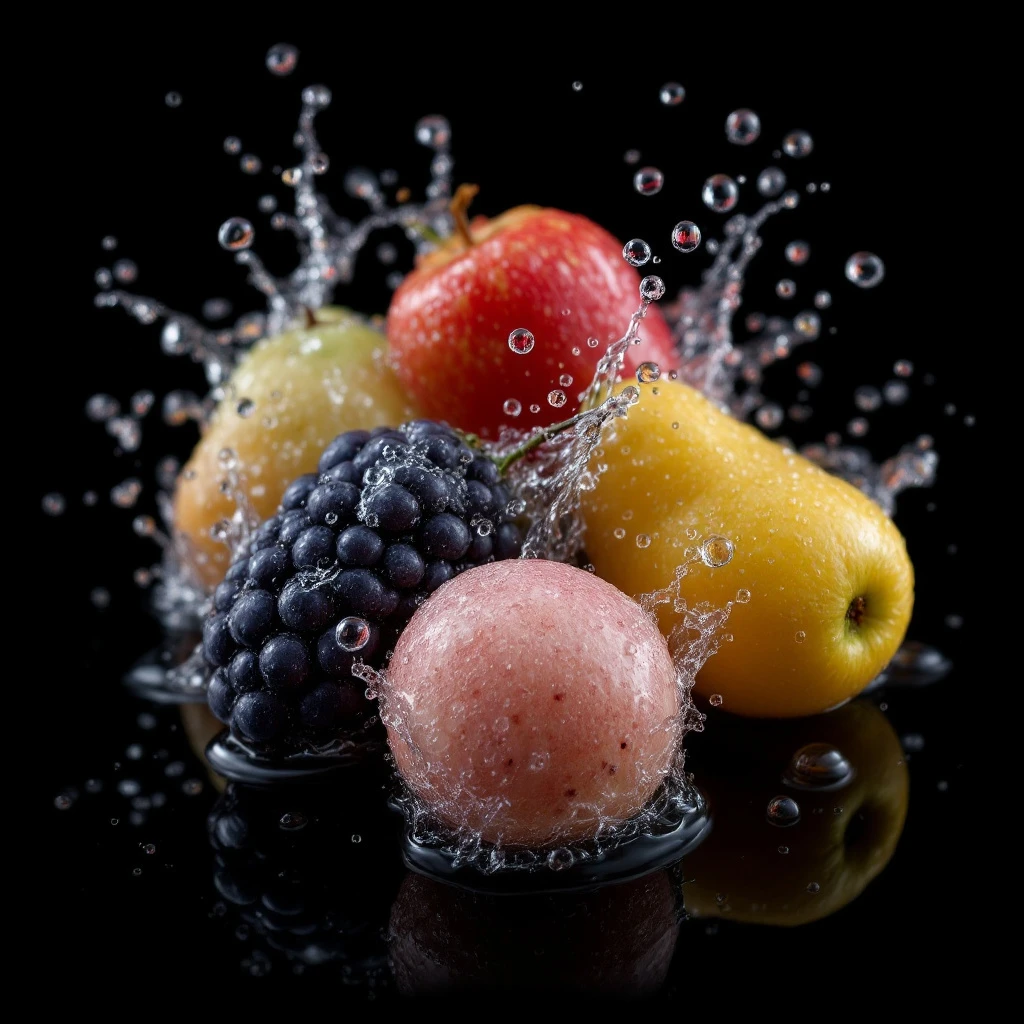
Watery fruits deliver an immediate rush of refreshment to fragrance. From watermelon to cucumber, these ingredients capture the cool, crisp sensation of biting into something perfectly ripe and cold—nature's hydration distilled into scent.
Character
How it smells
Nature's hydration, bottled.
Cucumber and watermelon share cis-3-hexenol, the same compound responsible for their signature fresh, green character.








Origin
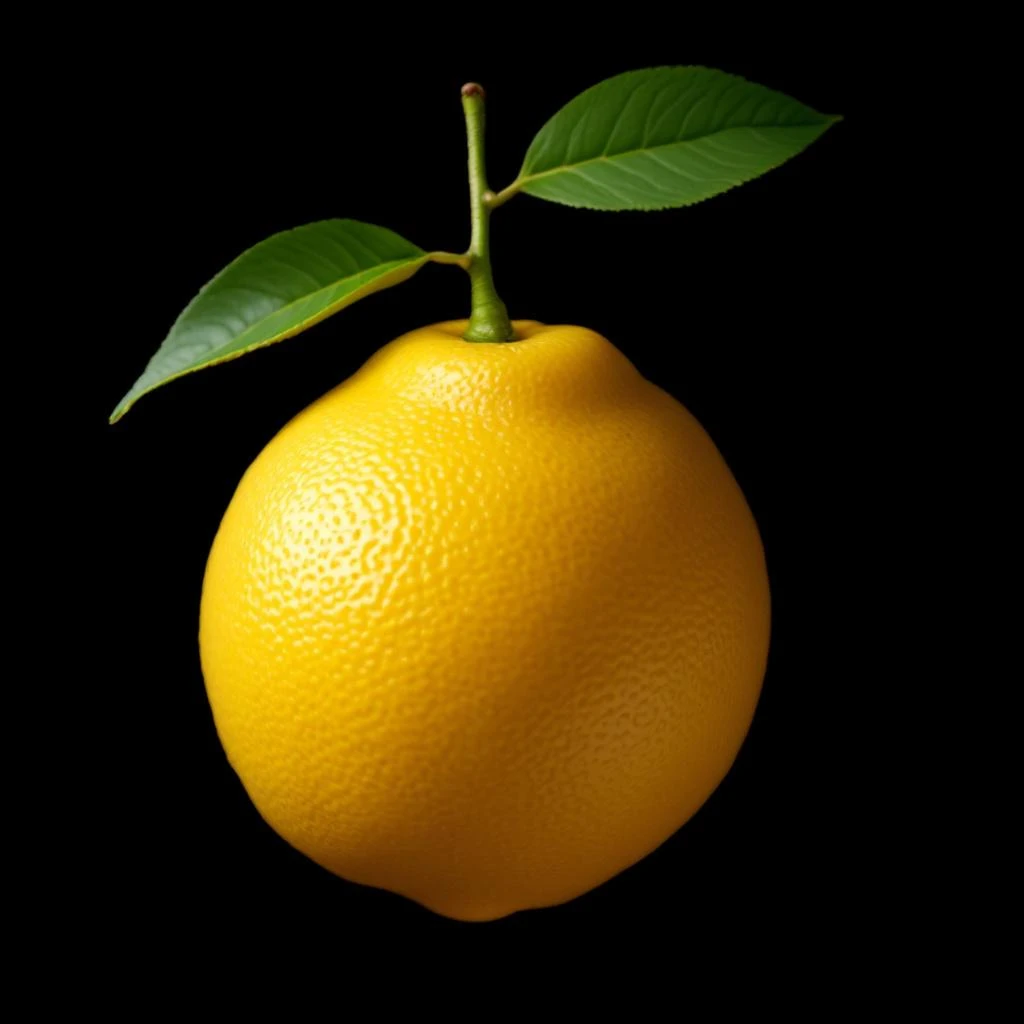
Egypt
The connection between watery fruits and fragrance stretches back to ancient Mesopotamia, where perfumers infused fats with cucumber and melon extracts for ceremonial purposes. Egyptian aromatics practitioners expanded this tradition around 2000 BCE, creating ointments that captured the cooling essence of these fruits for religious rites—a practical choice in desert climates where refreshment held spiritual significance.
Greek and Roman perfumers later formalized these techniques, trading aromatic fruits across Mediterranean routes. The 19th century brought organic chemistry's ability to identify and recreate specific fruit molecules, finally giving perfumers precise control over the fresh, watery character that had fascinated them for millennia.
Wears it best
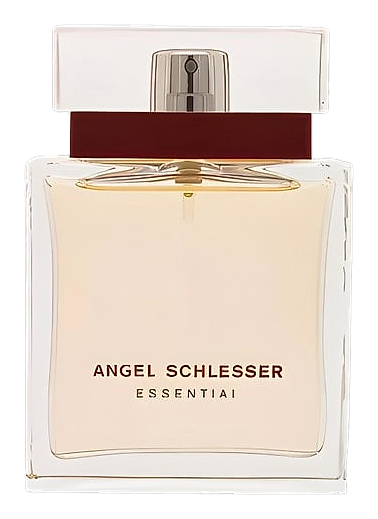
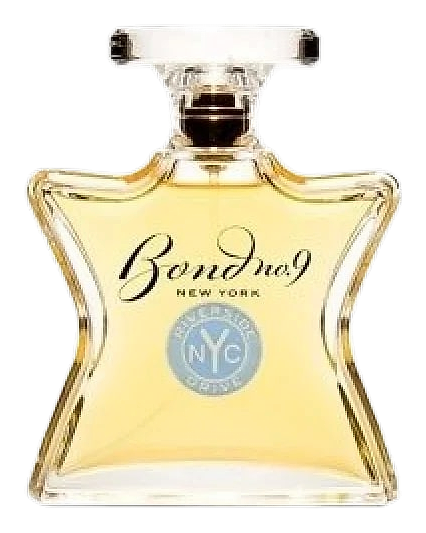
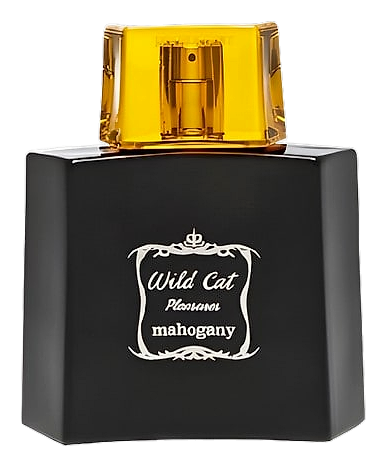
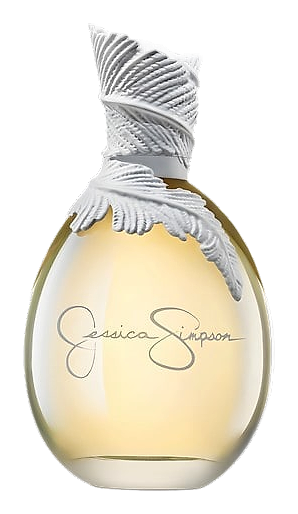
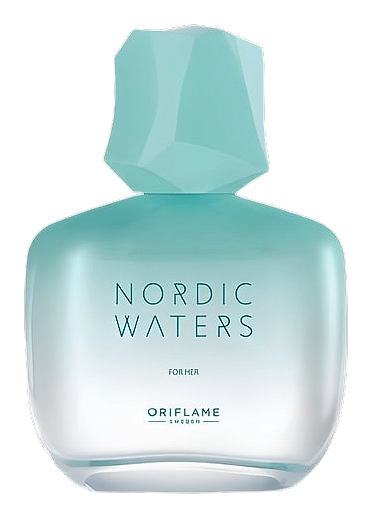
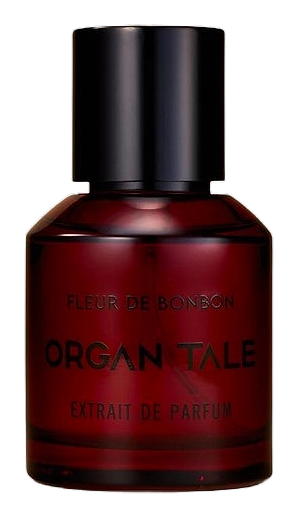
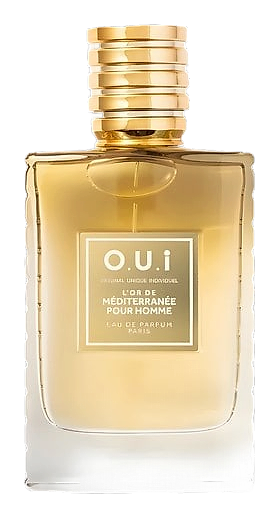
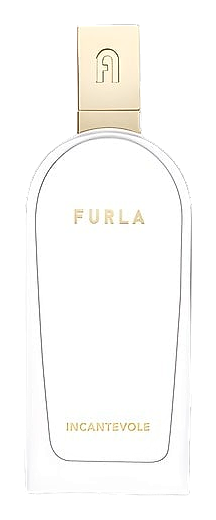
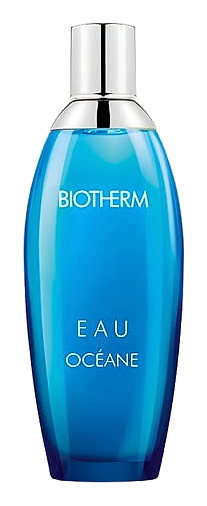
Fragrances featuring Watery fruits
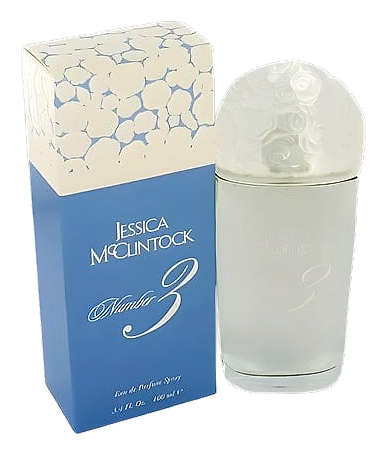

Brands
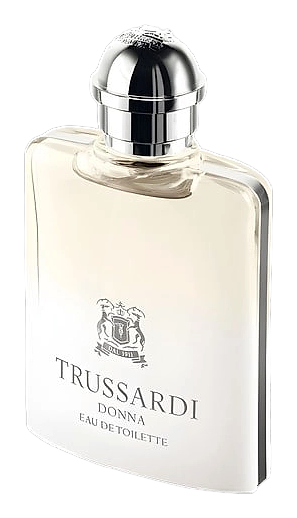
Brands known for Watery fruits
Good to know
Questions, answered
The essentials on Watery fruits in perfumery: how it smells, where it comes from, and how it behaves on skin.
What makes watery fruits different from other fruit notes in perfumery?
Watery fruits emphasize fresh, cool, and aquatic qualities rather than sweetness. Notes like cucumber, watermelon, and melon contain specific volatile compounds—primarily alkenals and aliphatic alcohols—that create that distinctive dewy sensation unavailable in sweeter fruit families.
Are watery fruit notes natural or synthetic?
Modern perfumery uses both. Natural extracts from cucumber, melon, and pear provide complexity and authenticity. Synthetics like Melonal (cucumber), Melon C (melon), and Aldehyde C-14 (coconut) ensure consistency and sustainability while replicating the exact molecules found in nature.
How long do watery fruit notes last in a fragrance?
These notes are typically top-heart ingredients lasting 30 minutes to 2 hours. Their low molecular weight causes rapid evaporation. Fragrances like Issey Miyake L'Eau d'Issey extend this duration by pairing watery fruits with fixatives like ambroxan and white musks.
What fragrance families pair well with watery fruits?
Watery fruits complement marine, green, and light floral compositions. They bridge fresh aquatic accords and sweeter fruit or floral heart notes. Typical pairings include bergamot, white musk, jasmine, and透明 wood notes.
Which fruits are considered watery fruits in perfumery?
The primary watery fruits include cucumber, watermelon, cantaloupe, honeydew melon, pear, and coconut. Each contributes distinct facets—cucumber brings green freshness, melons add sweet aquatic character, and coconut provides creamy tropical depth.
Do watery fruits have aromatic complexity beyond their scent?
Yes. The same compounds that create watery fruit freshness appear in fresh green leaves and morning dew. Cis-3-hexenol, found in cucumber and watermelon, also occurs naturally in tea leaves and newly cut grass, creating subtle cross-connections between fragrance families.
Can watery fruit notes be extracted directly from fresh fruit?
Direct extraction is challenging because these fruits contain mostly water with low aromatic oil content. Perfumers typically use headspace analysis to identify the volatile molecules, then recreate them through a combination of distillation, extraction, and targeted synthesis.
What role did ancient cultures play in watery fruit perfumery?
Ancient Egyptians and Mesopotamians first used maceration to infuse fats with cucumber and melon extracts around 2000 BCE. These preparations served religious ceremonies and personal refinement in hot climates, establishing watery fruits as cooling aromatics centuries before modern chemistry.