The Story
Why it exists.
The beginning
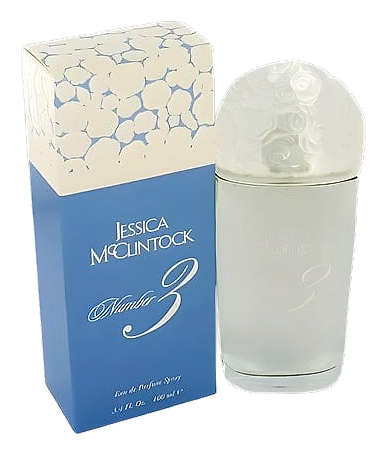
Number 3 arrived in 2001 as the third expression from Jessica McClintock's fragrance collection, a line rooted in romantic femininity since the brand's San Francisco origins in 1969. Where the 1988 debut and its successors built elaborate narratives, Number 3 took a different approach. It stripped things back. The name itself says it: not a love letter, not a moment captured in amber. Just the third scent in a lineup built around accessible, wearable florals for women entering their own story. The 2001 launch positioned it alongside the brand's bridal and evening wear collections, still selling prairie-inspired romantic dresses to department stores across America. Number 3 became the quiet workhorse of that world, the scent a bride might wear the morning after, or a young woman reaching for something pretty without needing it to mean anything complicated.
The structure here is deliberately restrained. Three top notes, cyclamen, jasmine, lilac, arrive together rather than in sequence, creating an immediate impression of freshness without fanfare. The heart leans into watery florals, with lily of the valley and magnolia softening what could have been a sharp green opening. What makes this composition interesting is the gap it doesn't try to fill. There's no heavy base demanding attention, no sweetness competing with the florals. Musk and sandalwood anchor everything, but quietly.
The evolution
The opening hits clean. Lilac and cyclamen arrive together, green and cool like dew on petals. Jasmine threads through without asserting itself, this isn't a jasmine fragrance. The first twenty minutes are the most assertive, a crisp floral statement that fades as quickly as it arrives. Then the heart takes over. Lily of the valley and magnolia arrive soft, almost creamy, with a translucent quality from the watery fruits that keeps everything feeling dewy and fresh rather than heavy. The transition isn't dramatic, it's the difference between a garden in morning light and the same garden an hour later. By the third hour, the base notes arrive. Musk and sandalwood wrap around the remaining florals, turning them skin-warm and intimate. The sillage drops to a close-to-the-body presence, someone standing beside you might notice, but only if they're paying attention. What lingers at hour six is a soft, clean skin scent. Not projecting, not demanding. Just there, like the memory of flowers you walked past this morning.
Cultural impact
Number 3 occupies a specific corner of American fragrance culture, the department store floral, the reliable blind buy, the gift a mother gives a daughter. It's not a statement fragrance or a collector's piece. It's the scent millions of women reached for in the early 2000s when they wanted something pretty without complexity. The comparison to Elizabeth Arden Pleasures surfaces repeatedly in community reviews, and it fits: both are accessible white florals designed for broad appeal rather than narrow excellence. Where Pleasures leans sweeter and more assertive, Number 3 stays crisper and more restrained.