
The Story
Why it exists.
The beginning
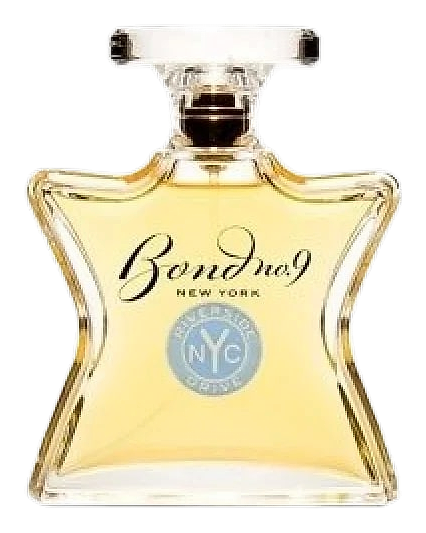
Riverside Drive is the boulevard that runs along Manhattan's western edge, where the Hudson River catches morning light and sloops cut white wakes across the current. Bond No. 9 named this fragrance for that stretch of city, where the grid softens into water, where indie record shops and corner coffee bars line blocks before giving way to the piers. Roucel built the scent to match that mood: fresh, unhurried, a little unconventional. The aqua accords aren't the sharp synthetic kind that saturated 2003's market, they're the mineral freshness of the river itself, that cool slap of water meeting air. The exotic fruit keeps it from feeling austere. The oakmoss keeps it from feeling disposable. This is indie maleness before indie was a category people sold.
The violet-oakmoss combination is the structural tension that makes Riverside Drive interesting. Violet brings a powdery, almost nostalgic sweetness, the kind of note that conjures antique wooden drawers and old gentlemanly fragrances. Oakmoss brings the forest floor, the damp stone wall, the smell of something growing in shade. These two shouldn't coexist easily, but Roucel bridges them with basil's herbal bite and the pineapple's tropical sweetness, which acts like a solvent, dissolving the friction between old-world elegance and green modernity. The lily of the valley in the heart is a surprise: delicate, almost soapy floral over pineapple.
The evolution
The opening announces green violet and basil first, crisp, almost sharp, like cutting through morning fog. There's no sweetness here yet. Just cool, mineral clarity. Within ten minutes, the pineapple arrives, and something shifts. The green notes don't disappear, they accommodate. The heart opens into lily of the Valley and rose, but they're polite here, present but not dominant. The pineapple keeps things interesting. By the third hour, cedar and oakmoss take over. This is where Riverside Drive becomes itself, dry, mossy, quietly confident. The violet lingers in some form throughout, a powdery ghost in the base that refuses to fully dissipate. On fabric, it lasts longer: the cedar holds, the moss softens into something warm rather than damp. The sillage settles close to the skin after the first hour, present but not announcing itself. It's the kind of fragrance you catch whiffs of throughout the day, each one a reminder that you chose something worth choosing.
Cultural impact
Riverside Drive arrived in 2003, the same year aquatics dominated men's fragrance. Rather than competing on that turf, Roucel went greener and mossier, a quiet act of defiance that aged better than the blue waters it ignored. Wearers describe it as the scent of someone who walks into a room and doesn't need to announce themselves. It's worn consistently enough to have become something of a cult classic: not ubiquitous, but sought out by those who found it. The violet-oakmoss pairing splits opinions the way all nostalgic notes do, some find it timeless, others find it dated. What nobody disputes is that it smells like nothing else on the market. For a fragrance that predates the indie-niche boom, that's a kind of prophecy.