The Story
Why it exists.
The beginning
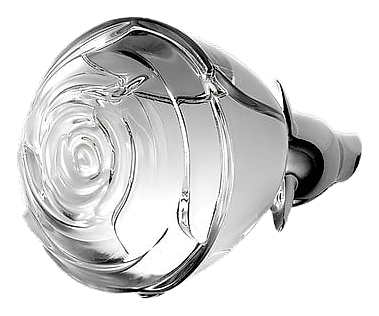
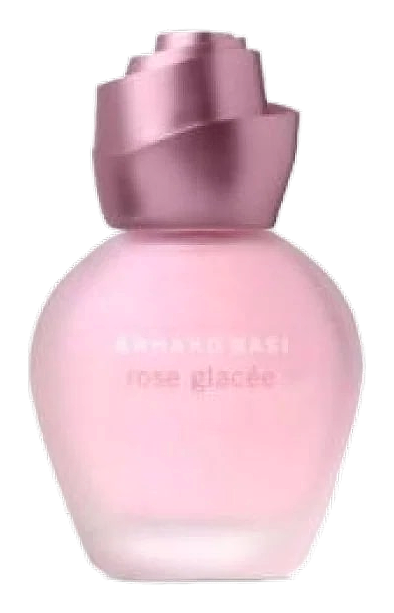
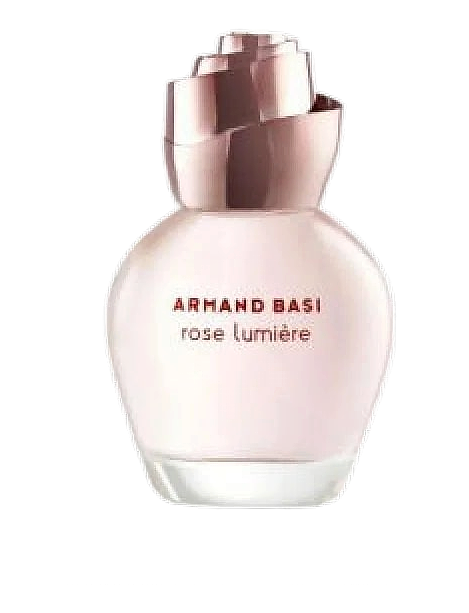
Rose Lumière arrived in 2013 from perfumer Aliénor Massenet, and the brief was clear: take the rose somewhere it hadn't been. Not darker. Not heavier. Lighter. Massenet built the composition around a specific tension, how rose behaves when you add water. Not the dewy morning rose that fills gardens after rain. The rose you see when you look at its reflection in still water. That luminous, slightly flattened quality became the guiding principle. Water lily and cyclamen did the heavy lifting, keeping the rose cool and cool-adjacent rather than letting it run hot and romantic the way roses often do. The name says it all: rose light. Not rose weight.
The structure here is what makes it work. Water lily brings its own watery weight, it's not just a metaphor, it's a material with actual body. Cyclamen adds a green, slightly peppery undertone that prevents the whole thing from becoming too delicate, too nothing. And the base of cedar and white musk gives the florals something to stand on without competing for attention. Massenet uses the synthetic aquatic elements as structural support rather than shortcut, they give the natural materials something to do, something to push against, which lets the rose and water lily stay light without disappearing.
The evolution
The opening hits fast: mandarin and ivy create a crisp, green citrus burst that lasts maybe five minutes before the watery fruits take over. That's when the aquatic nature kicks in, not aquatic as in ocean, more like the smell of morning mist over a courtyard fountain. Fifteen minutes in, the cyclamen arrives, cool and slightly peppery, pushing back against the water just enough to keep things interesting. The rose water follows, but it's not the saturated rose of a heavy floral, it's clean, watery rose, the kind that smells like the flower and the water it grew in. By the second hour, the composition settles. The white musk brings warmth, cedar and sandalwood anchor everything, and the sillage drops from projection to presence, close, intimate, almost skin-like. The drydown is where this fragrance earns its name. It becomes light. Not faint, not gone, light. Like the scent is part of you rather than sitting on top of you.
Cultural impact
Rose Lumière entered a market saturated with aquatic florals when it launched in 2013. What set it apart was restraint, rather than chasing the trend with maximum projection and longevity, the composition chose a cooler, more intimate register. The synthetic aquatic element, which many brands used as a cost-cutting shortcut in that era, here functions as structural support for the natural florals. Massenet's approach, letting the water do the work so the rose can stay light, proved that aquatic florals didn't have to choose between freshness and sophistication.