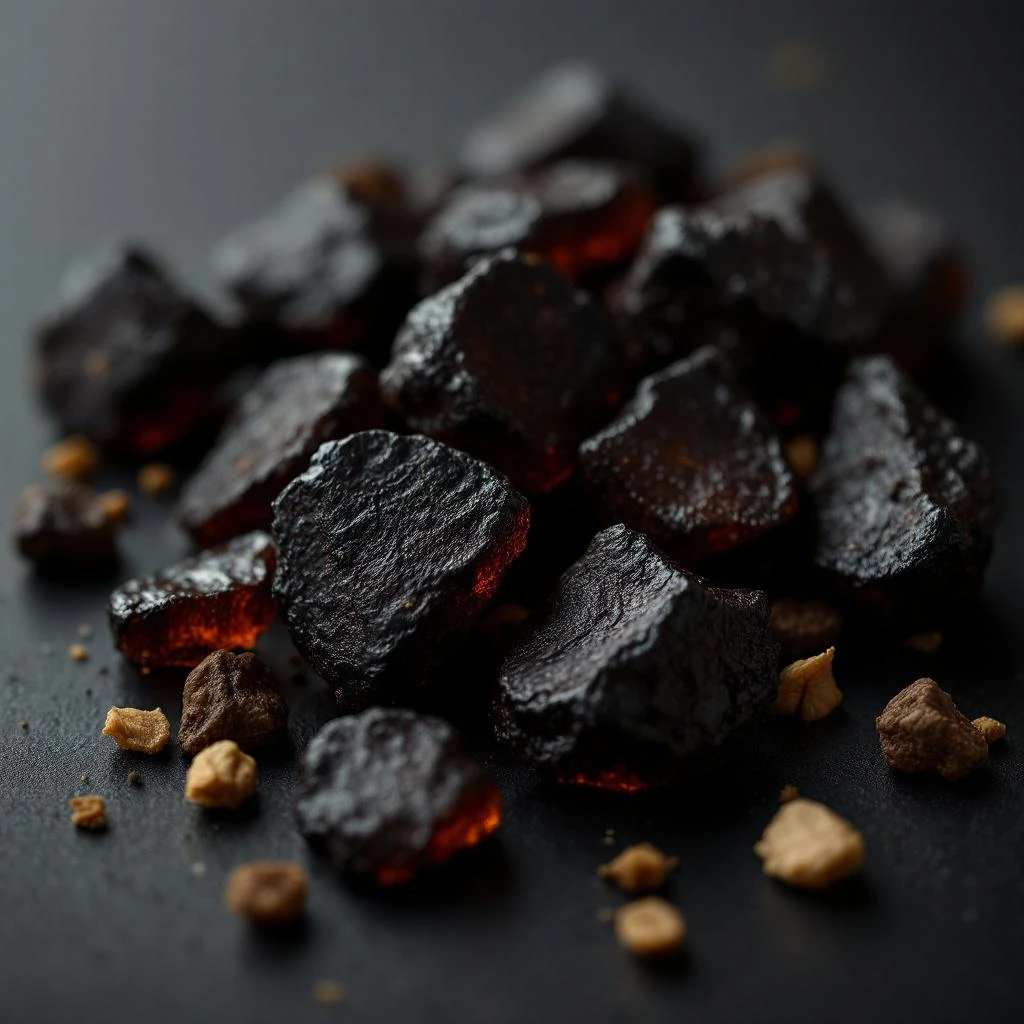
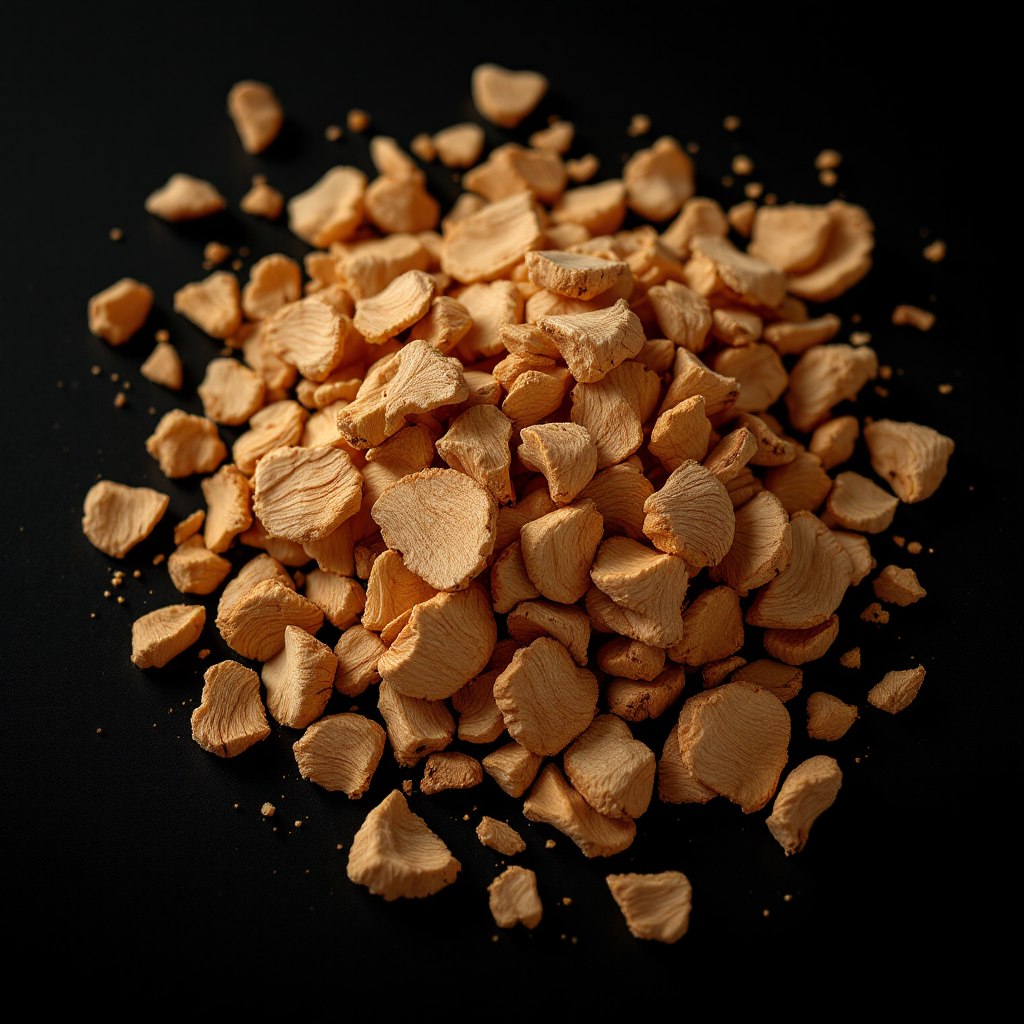
Maritime Pine
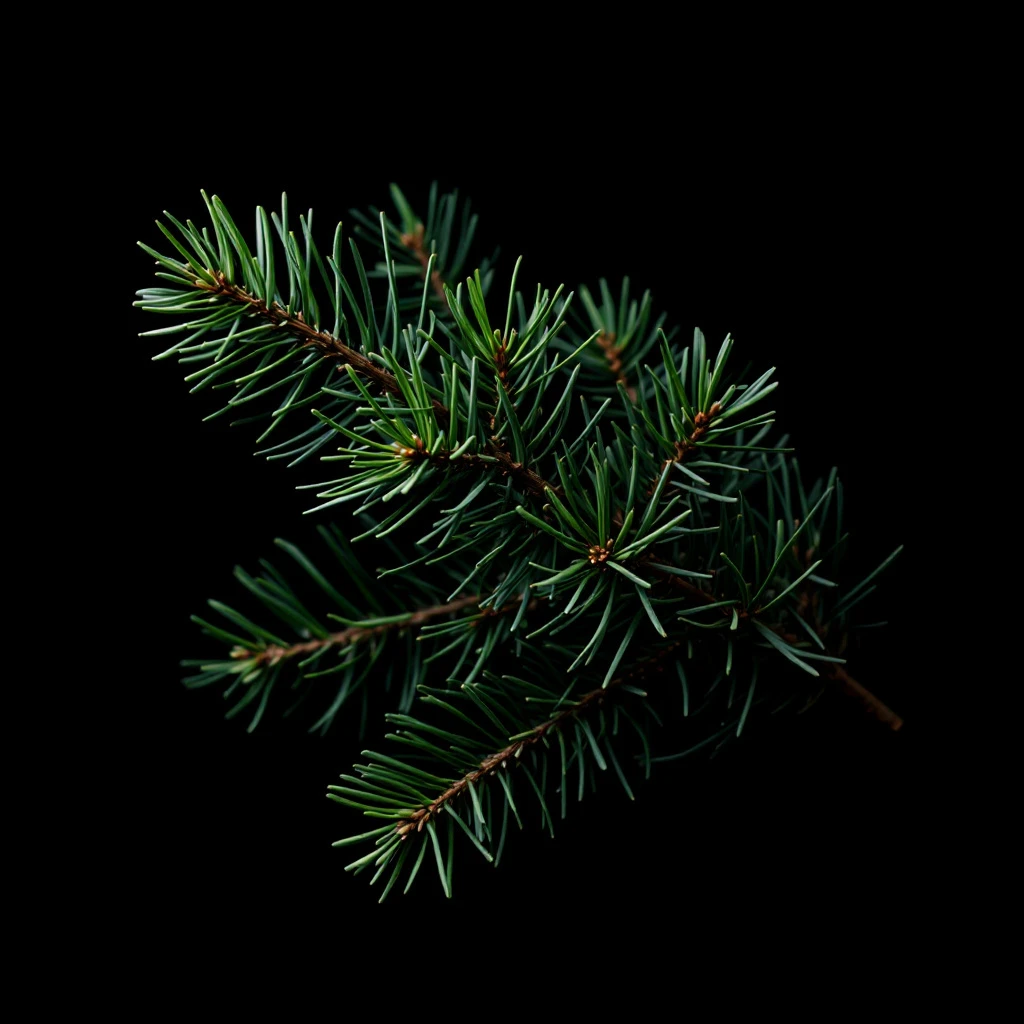
Maritime Pine captures the crisp, resinous soul of coastal forests. Steam-distilled from Pinus pinaster needles, this note delivers sharp, green freshness with a warm, woody depth that anchors compositions.
Character
How it smells
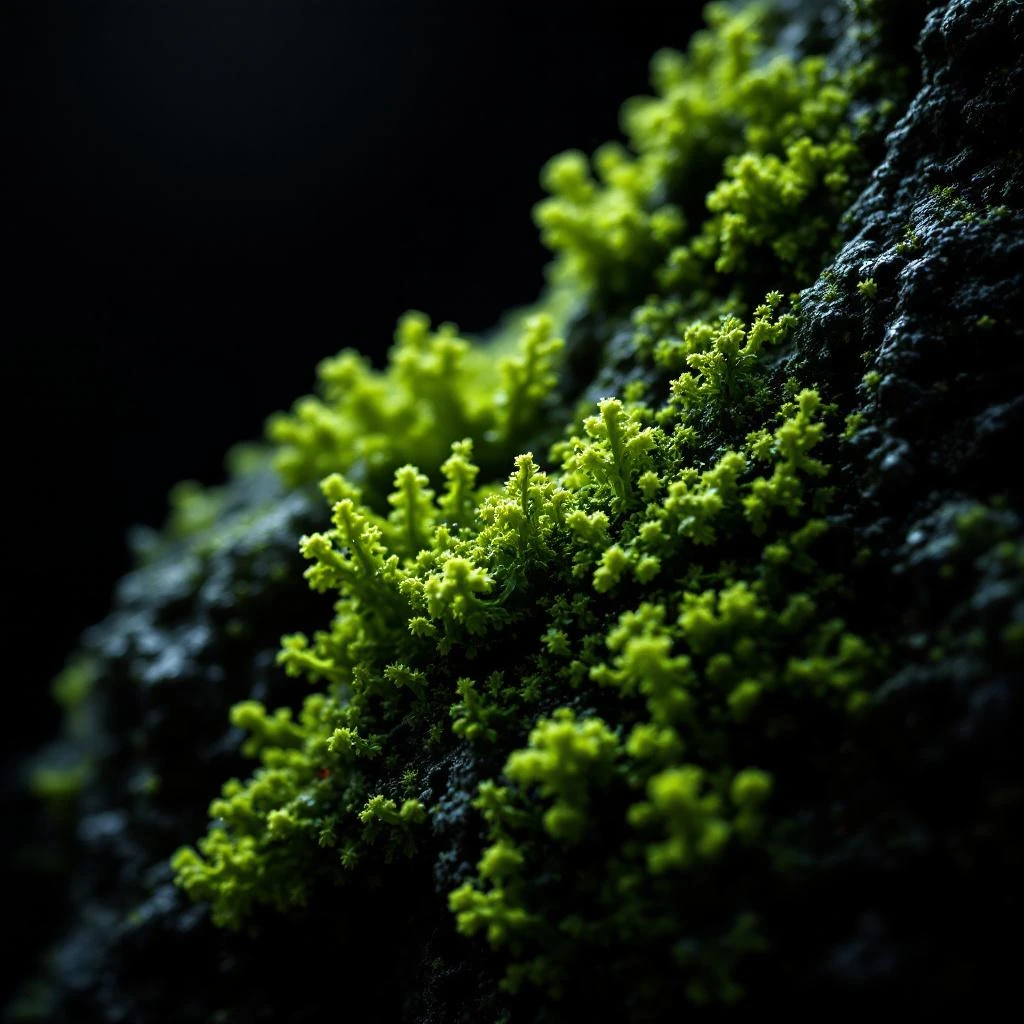
Crisp coastal forest captured in scent form
Ancient Egyptians incorporated pine in their embalming rituals, recognizing its preservative and aromatic properties millennia before modern perfumery.







Origin
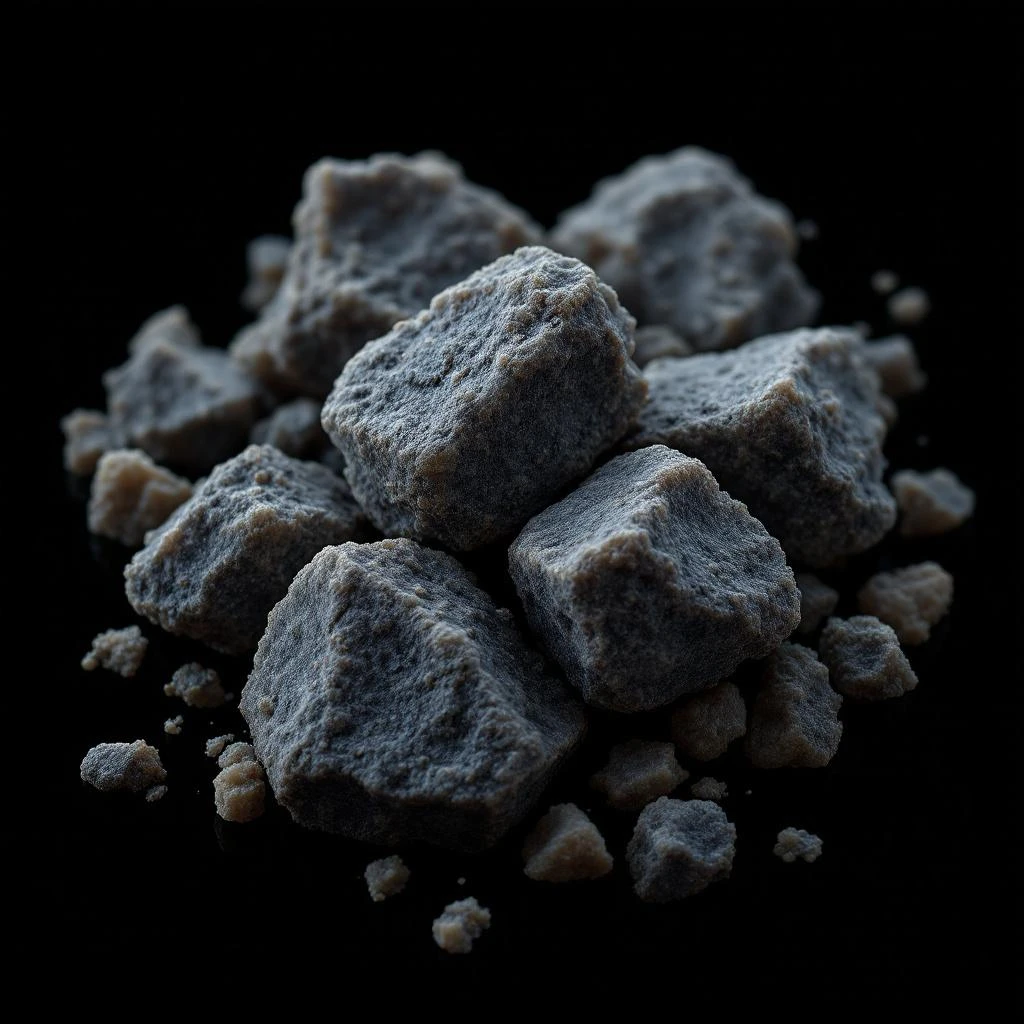
France
Maritime Pine has threaded through human fragrance traditions for thousands of years. Ancient Egyptian embalmers recognized pine resin's preservative qualities and incorporated it into their ritual preparations alongside other aromatics.
The Mediterranean civilizations valued pine for both medicinal and perfumery applications, using the resinous notes in temple rituals and personal scenting. European monastic traditions continued this knowledge through the Middle Ages, with monks cultivating pine for apothecary preparations.
The modern fragrance industry crystallized around Paris between 1889 and 1921, when synthetic fragrance development transformed natural ingredients like Maritime Pine into essential building blocks. Pine and fir resins became particularly valued for their ability to project freshness while providing lasting woody depth.
Wears it best
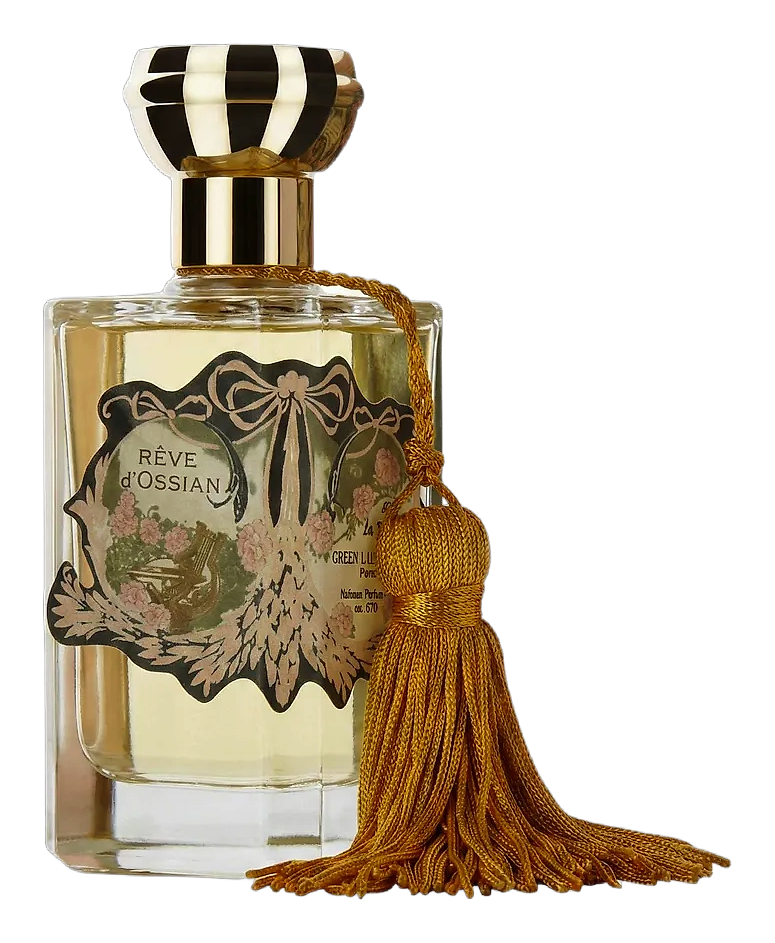
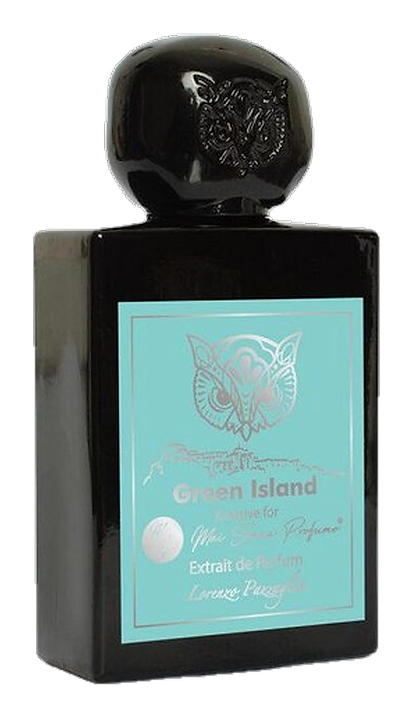
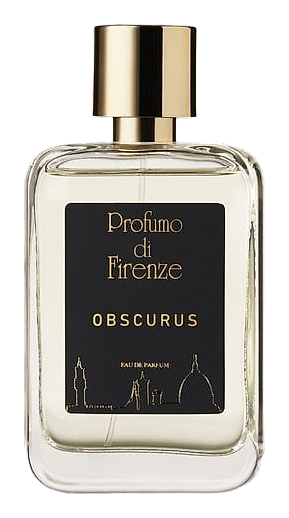
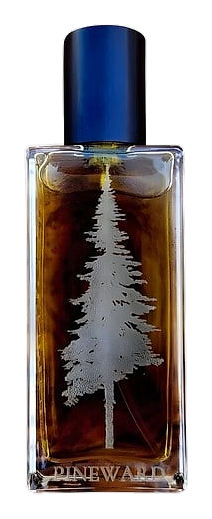
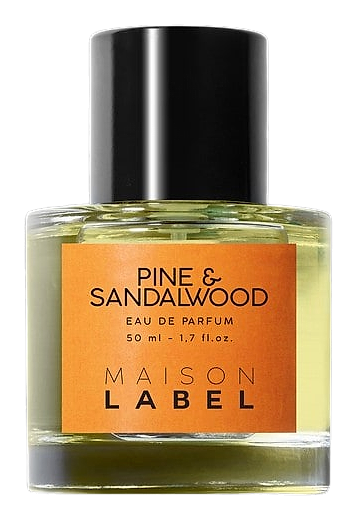
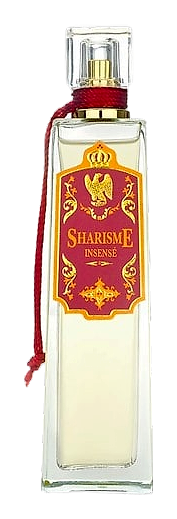
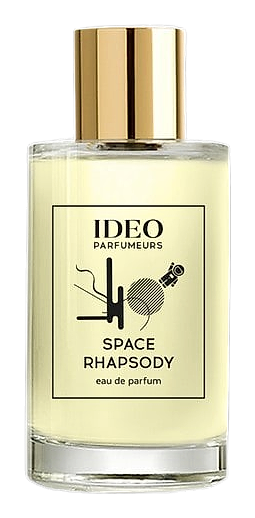
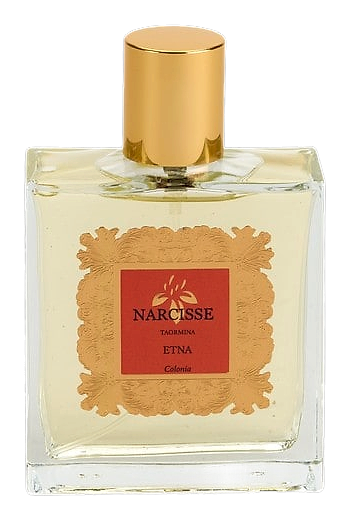
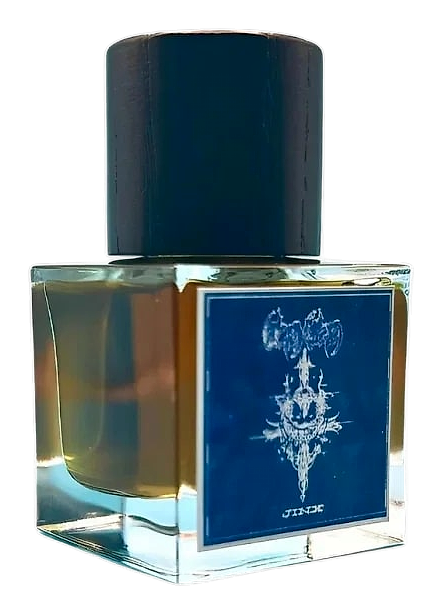
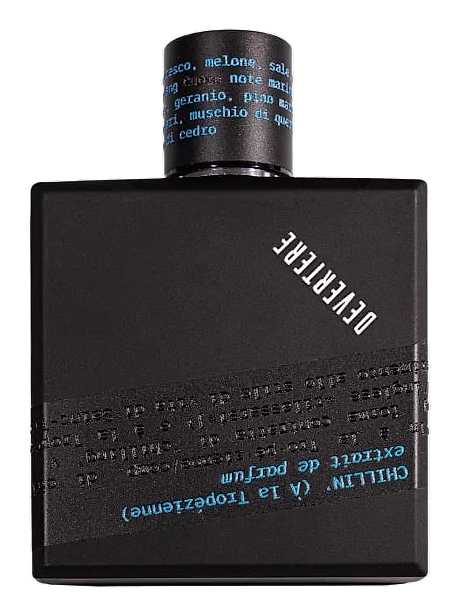
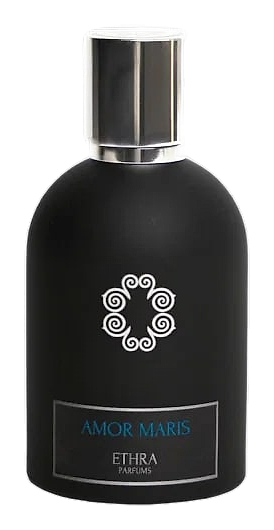
Fragrances featuring Maritime Pine

Brands
Brands known for Maritime Pine
Good to know
Questions, answered
The essentials on Maritime Pine in perfumery: how it smells, where it comes from, and how it behaves on skin.
What does Maritime Pine smell like in perfumery?
Maritime Pine delivers sharp, fresh, and resinous notes with a warm woody base. It combines green, turpentine-like top notes with deeper balsamic undertones that add structure to fragrance compositions.
Where does Maritime Pine originate?
Maritime Pine (Pinus pinaster) grows natively along Atlantic coastal regions, with France's southwestern Landes forest producing some of the highest quality material for perfumery.
How is Maritime Pine oil extracted?
Producers extract Maritime Pine oil via steam distillation of fresh needles. Pressurized steam passes through harvested needles, rupturing oil glands and carrying volatile compounds into a cooling system where the oil separates from hydrosol.
What fragrance families use Maritime Pine?
Maritime Pine appears primarily in woody and fougère fragrances. It also functions as a bridge note in fresh, aromatic, and chypre compositions, adding natural green freshness and resinous depth.
What role does Maritime Pine play in fragrance composition?
Maritime Pine serves as a powerful heart and base note that projects freshness while providing lasting woody structure. Its resinous character helps blend citrus and herbaceous top notes with warmer drydown elements.
How long has Maritime Pine been used in perfumery?
Evidence dates Maritime Pine use in perfumery back to ancient Egypt, where it appeared in embalming and ritual perfumes. European perfumery continued this tradition through medieval monastic apothecaries.
Can Maritime Pine be combined with citrus notes?
Maritime Pine pairs exceptionally well with citrus oils. The sharp pine freshness amplifies bergamot and lemon while the woody base grounds their brightness, creating aromatic compositions with natural complexity.
Is Maritime Pine the same as Scotch Pine in perfumery?
No. Maritime Pine (Pinus pinaster) differs from Scotch Pine (Pinus sylvestris). Maritime Pine grows along Atlantic coasts and produces oil with stronger balsamic, less turpentine-like characteristics suited to modern perfumery.