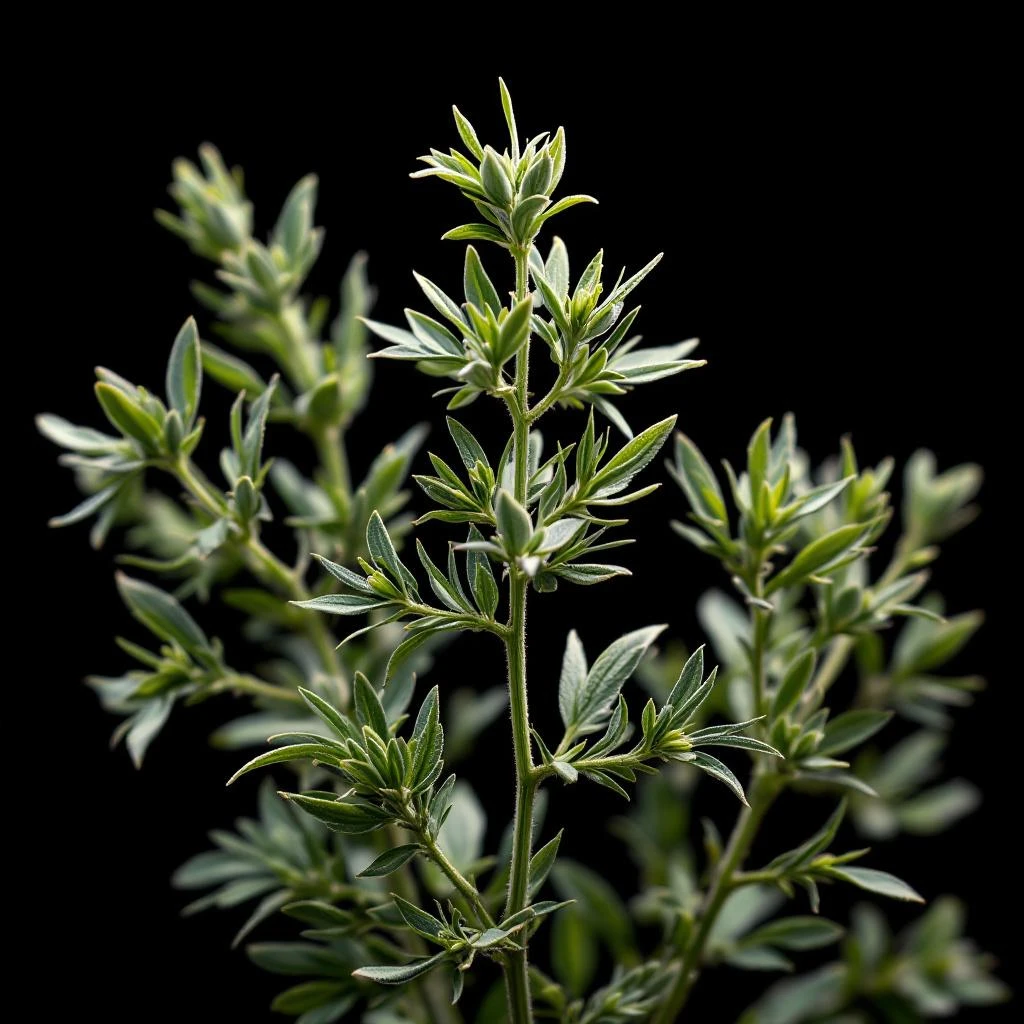
Mediterranean Myrtle
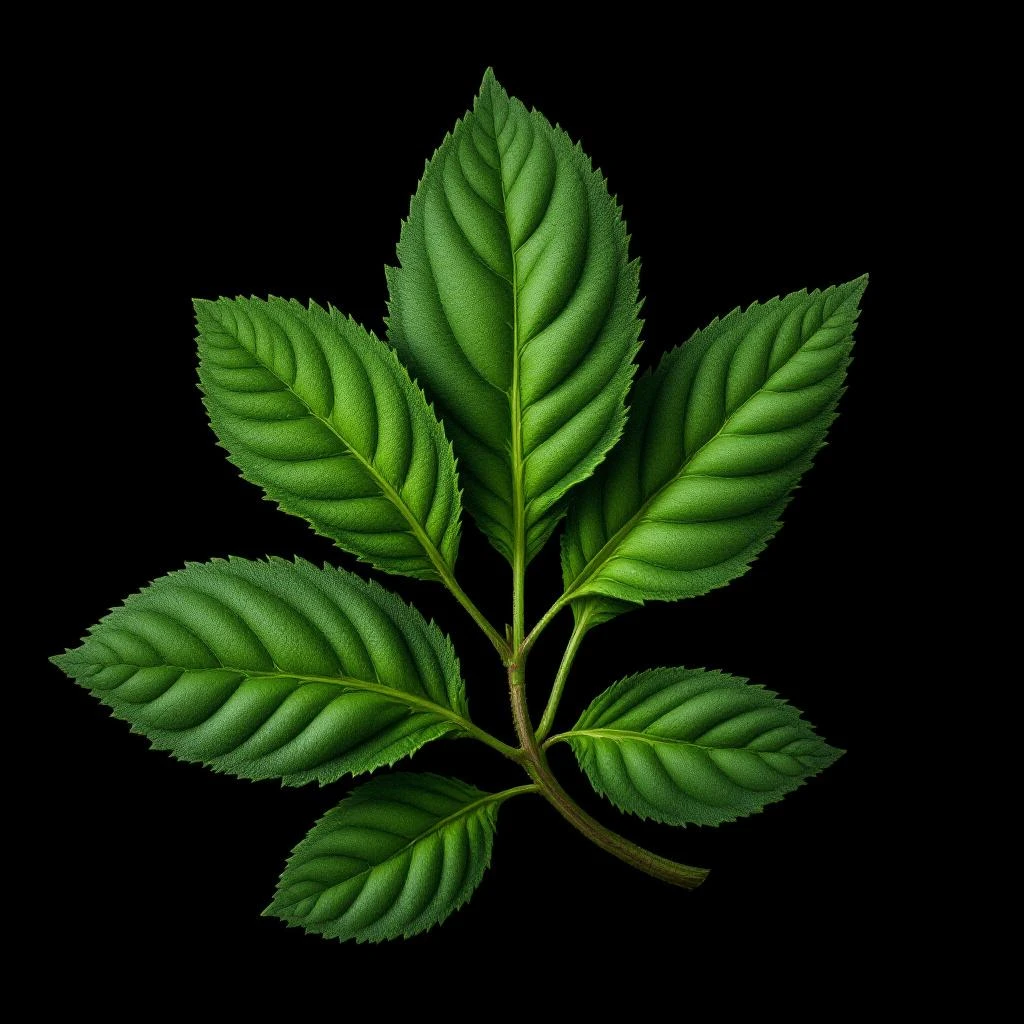
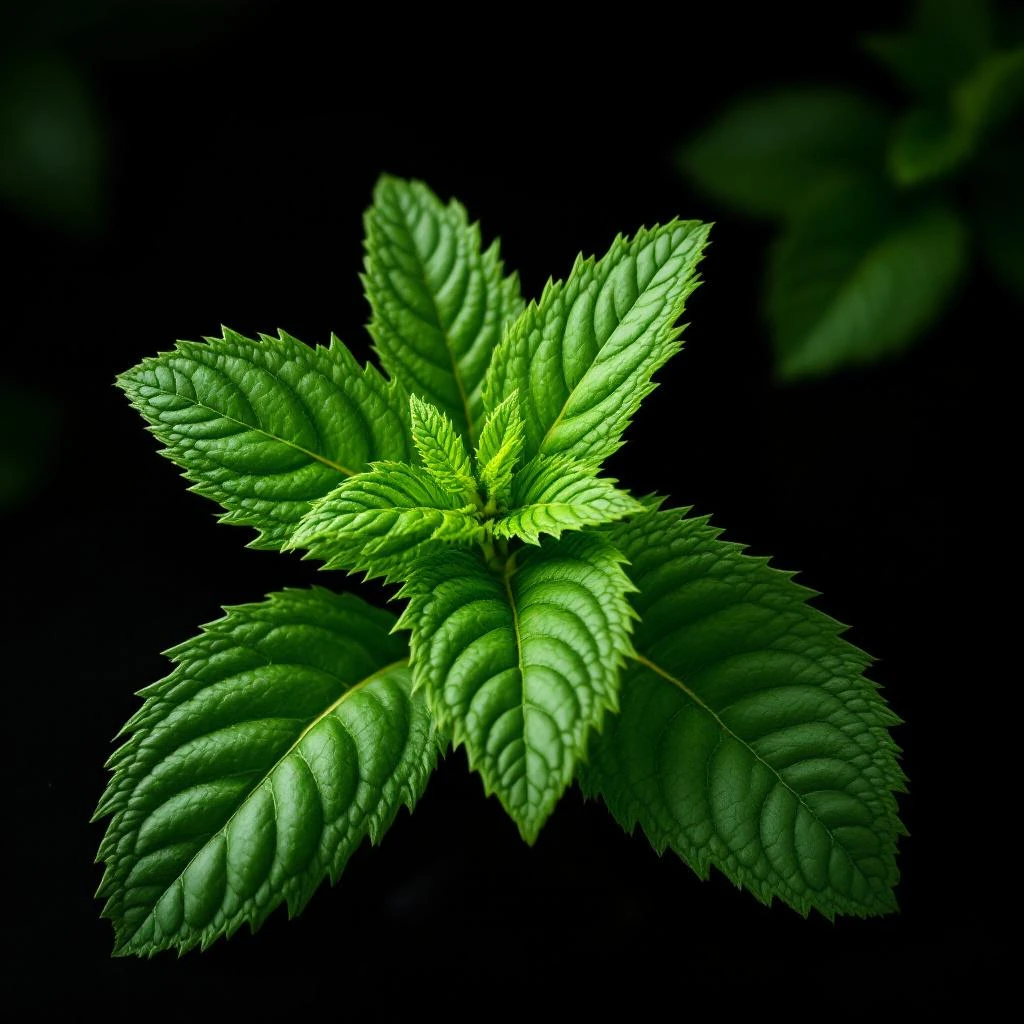
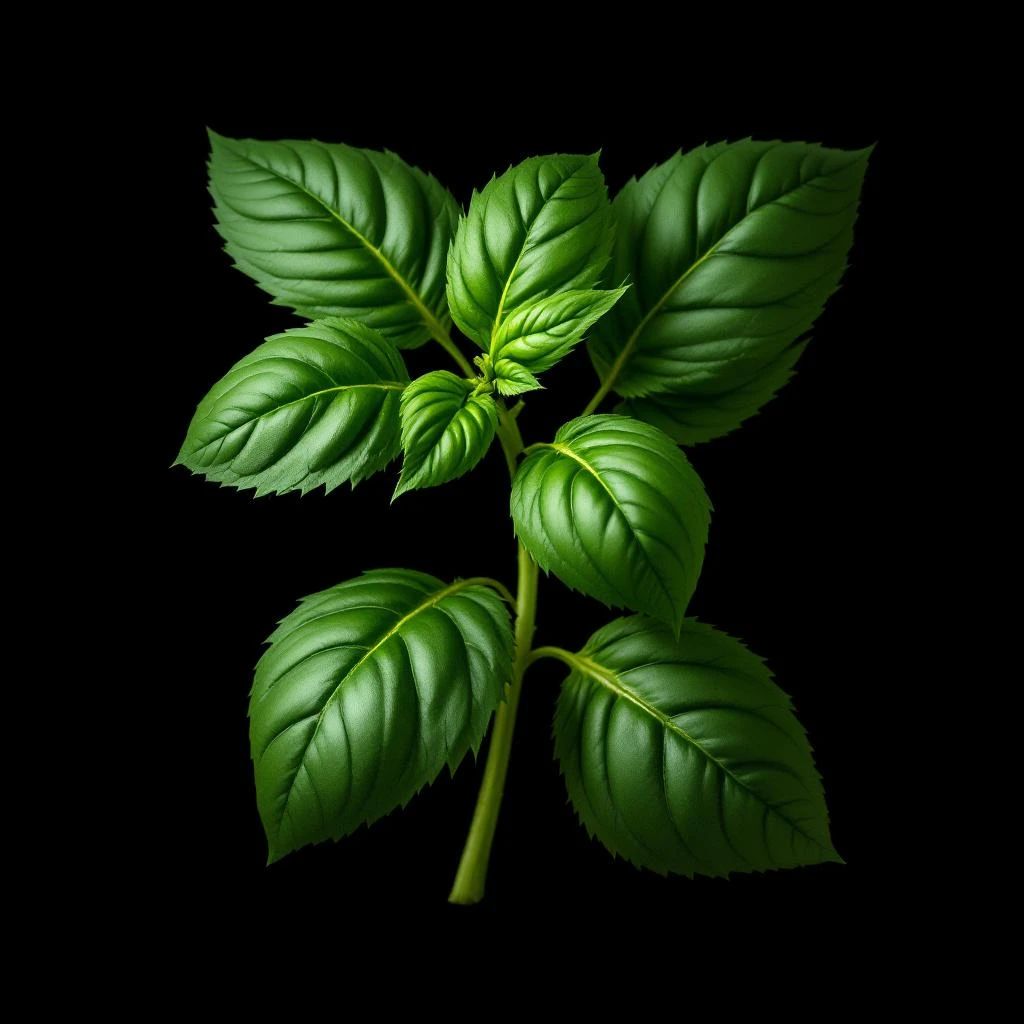
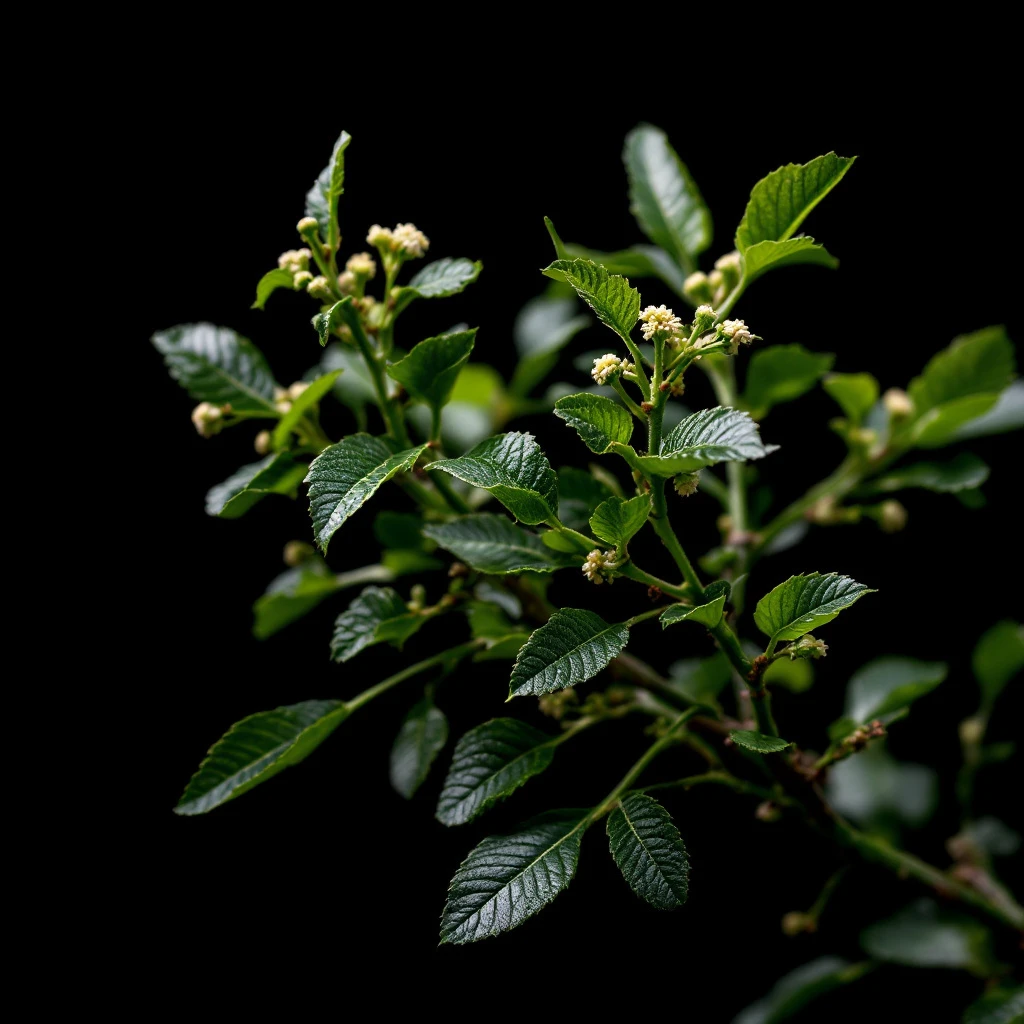
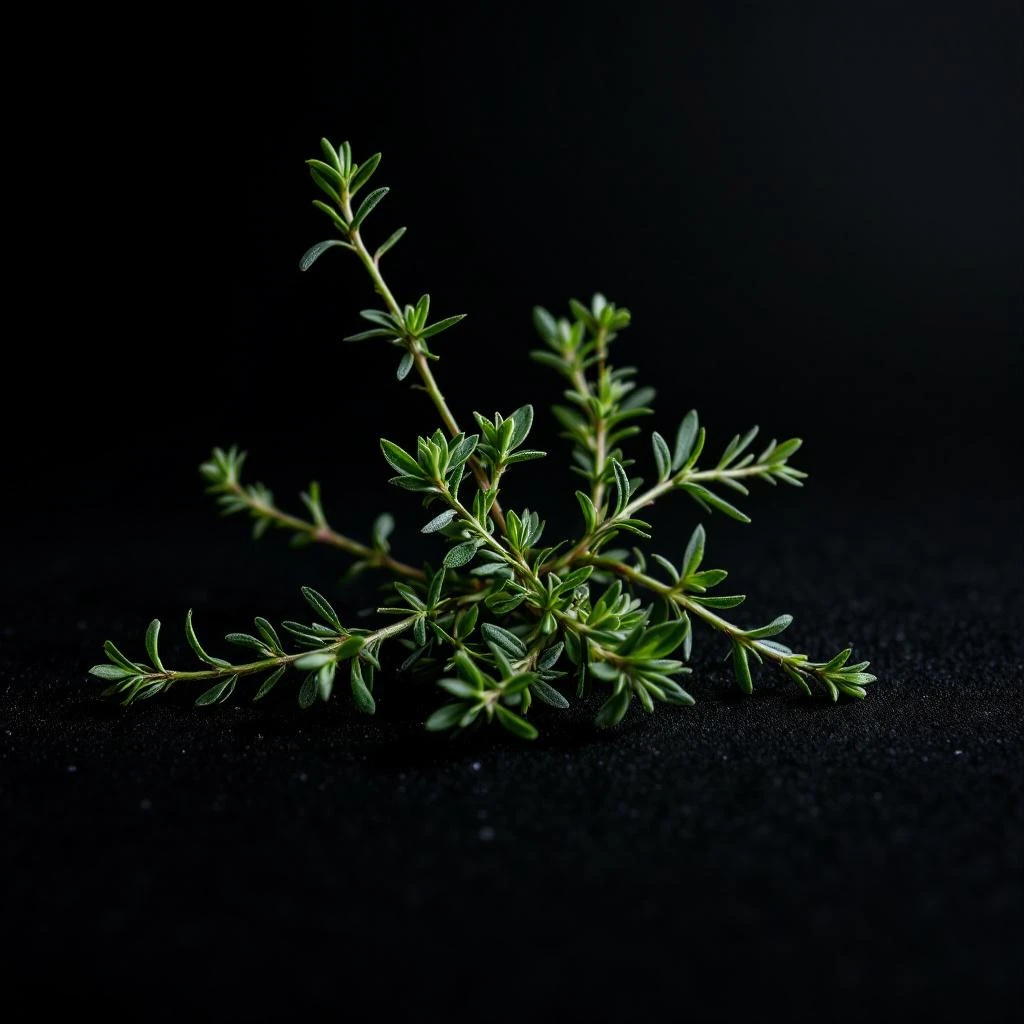
Mediterranean Myrtle (Myrtus communis) yields a steam-distilled essential oil of striking aromatic depth: fresh, camphoraceous brightness balanced by resinous warmth and a subtle balsamic quality. Perfumers prize it as a bridging note that connects citrus clarity with deeper, woody foundations. Native to sun-drenched coastal hillsides, this evergreen shrub produces one of the Mediterranean's most distinctive fragrance materials.
Character
How it smells
A Mediterranean bridge between bright citrus and deep resin.
Corsican myrtle harvested in autumn produces oil with notably higher myrtenyl acetate content, giving it a richer, more balsamic character prized by perfumers.




Origin
France
Myrtle has held ceremonial and aromatic significance across the Mediterranean since antiquity. Ancient Egyptians incorporated myrtle-scented oils into their beauty traditions, perfuming wigs and garments. Greek and Roman cultures associated the plant with Venus, using myrtle branches in wedding ceremonies and temple rituals.
The broader Mediterranean fragrance tradition owes its character to ancient trade routes connecting Arabia, Africa, India, and Europe, routes that disseminated aromatic materials and techniques across the region. François Coty, working in the late nineteenth century, helped establish myrtle as a legitimate perfumery material by standardizing extraction methods using volatile solvents, raising the quality and consistency of aromatic absolutes available to formulators. The 1891 edition of Piesse's Art of Perfumery records that myrtle fragrance was so prized that perfumers were already attempting synthetic imitations, indicating strong market demand for the material.
Corsica's geographic isolation from the Mediterranean mainland meant myrtle cultivation there developed somewhat independently, producing a distinctive chemotype prized for its aromatic complexity. Today, Corsican myrtle remains among the most sought-after origins for this material in fine perfumery.
Wears it best
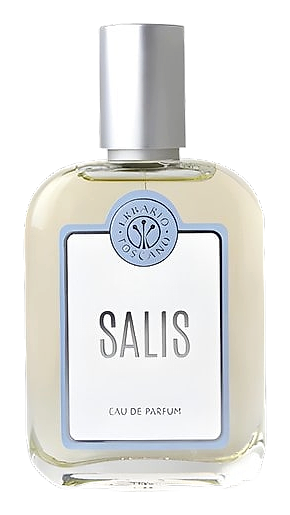
Fragrances featuring Mediterranean Myrtle
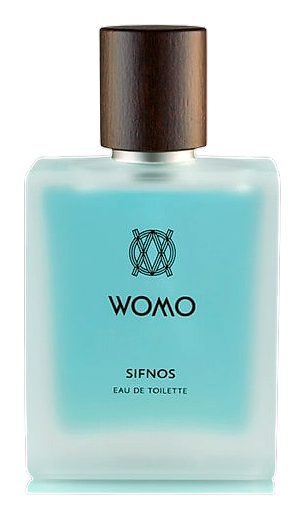
Brands
Brands known for Mediterranean Myrtle
Good to know
Questions, answered
The essentials on Mediterranean Myrtle in perfumery: how it smells, where it comes from, and how it behaves on skin.
What does Mediterranean Myrtle smell like?
Mediterranean Myrtle oil has a fresh, camphoraceous opening with clear aromatic brightness. Its character blends resinous warmth and subtle balsamic undertones, creating a bridging note between bright citrus and deeper woody accords. The sun-exposed, mineral-rich soils of its native range contribute to an aromatic clarity that distinguishes it from myrtle grown in cooler climates.
Which parts of the myrtle plant are used in perfumery?
Perfumers use the leaves and twigs of Myrtus communis. These contain the highest concentration of aromatic compounds, including myrtenyl acetate, 1,8-cineole, and alpha-pinene. Flower material has been used in traditional preparations like eau d'ange, but commercial essential oil production focuses on the woody aerial parts.
How is myrtle essential oil extracted?
Steam distillation is the standard extraction method. Fresh myrtle leaves and twigs are placed in a closed vessel while steam passes through, rupturing the oil glands. The vapor carrying the essential oil is then condensed, allowing the oil to separate from the hydrosol. The process yields between 0.3% and 0.8% oil by weight of fresh plant material.
What countries produce quality myrtle oil?
Corsica, Morocco, and Tunisia are primary production regions. Corsican myrtle in particular is prized for its aromatic complexity, partly attributed to the island's mineral-rich soils and coastal climate. Morocco and Tunisia also produce reliable quantities, with profiles shaped by their specific Mediterranean growing conditions.
Is myrtle used as a heart note or a top note?
Myrtle functions primarily as a bridging middle note. Its fresh, camphoraceous character gives it lift that allows it to perform in top-note applications, while its resinous depth provides body that integrates well with heart and base materials. This versatility makes it useful across fragrance construction.
Does myrtle blend well with other fragrance materials?
Myrtle combines naturally with other Mediterranean ingredients including lavender, rosemary, and citrus oils. Its aromatic profile also pairs well with incense materials, geranium, and certain wood oils. The key is balancing its camphoraceous freshness against warmer, rounder materials to prevent sharpness.
Is myrtle oil widely available in perfumery?
Myrtle oil is a niche but established ingredient in the perfumery industry. It appears in luxury fragrances as well as functional products like soaps and toiletries. The 1891 edition of Piesse's Art of Perfumery documents attempts to create synthetic myrtle extracts, indicating sustained demand for the material since at least the late nineteenth century.
What is the botanical name for Mediterranean Myrtle?
The botanical name is Myrtus communis. It is an evergreen shrub native to the Mediterranean region, thriving in sun-exposed coastal climates and mineral-rich soils. The plant's name derives from the Greek word 'myrtos,' and it has been associated with Venus and ritual use across Mediterranean cultures since antiquity.