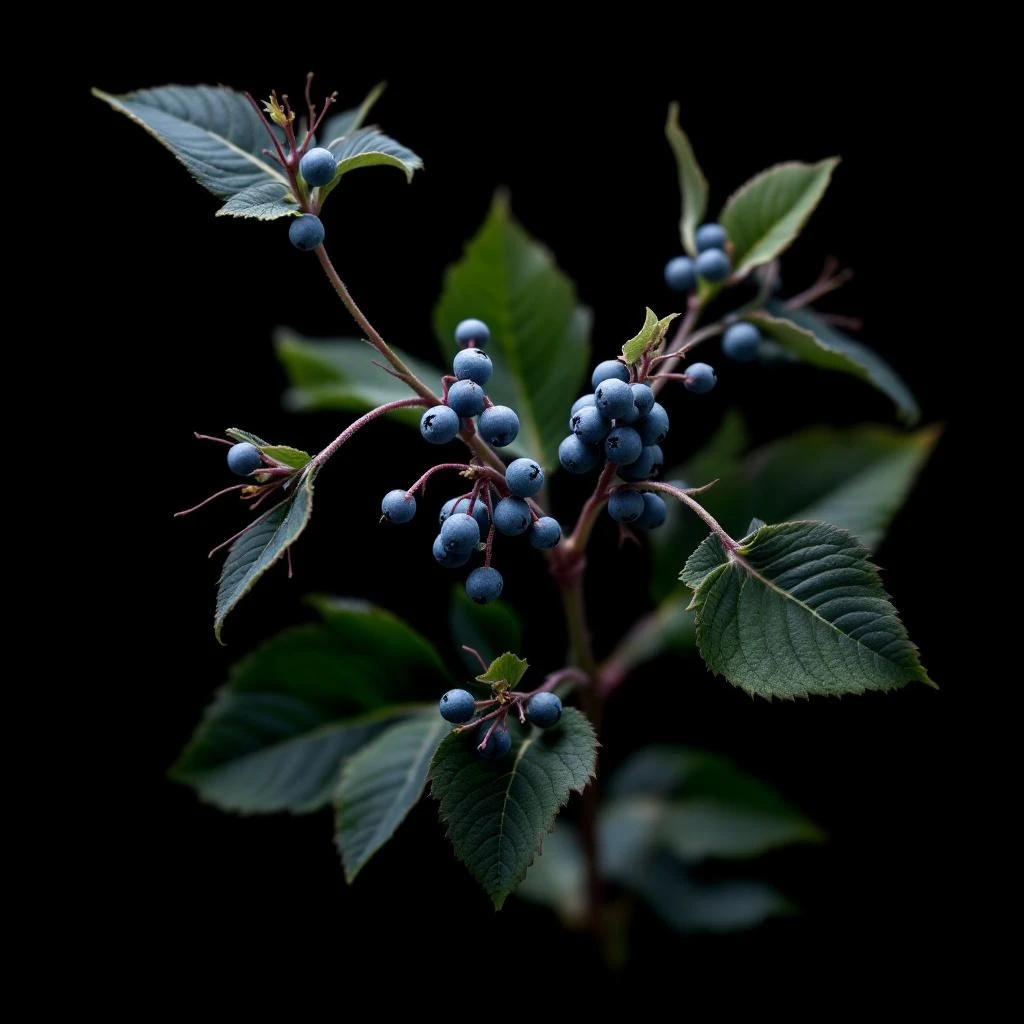
Ponderosa Pine Resin
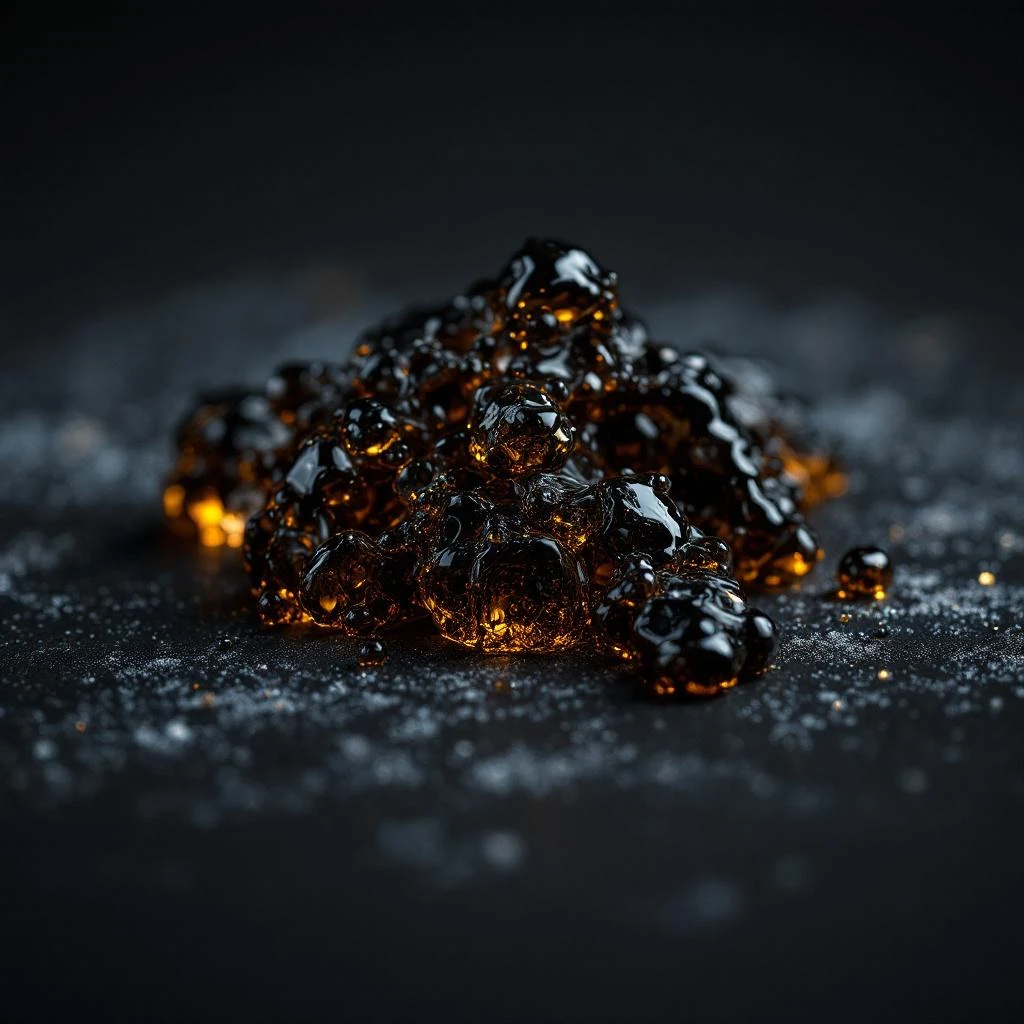
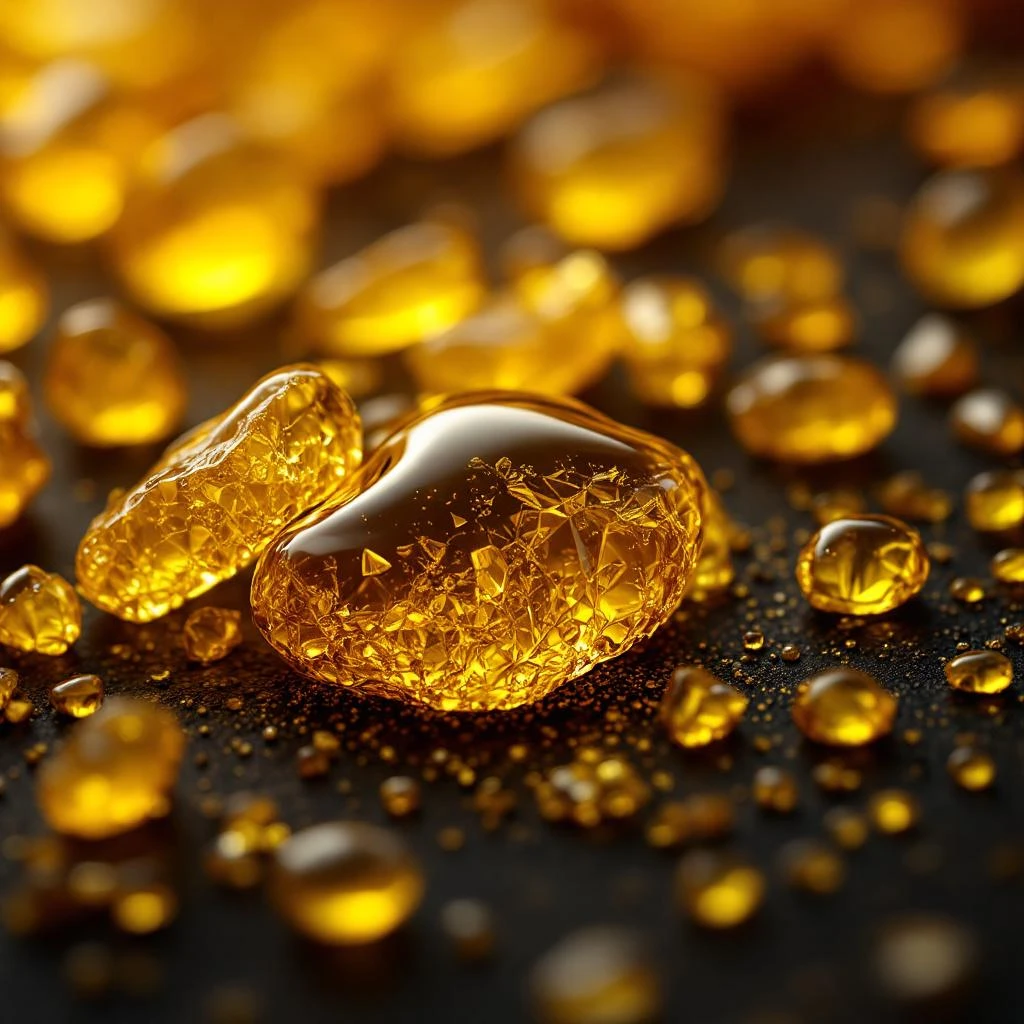
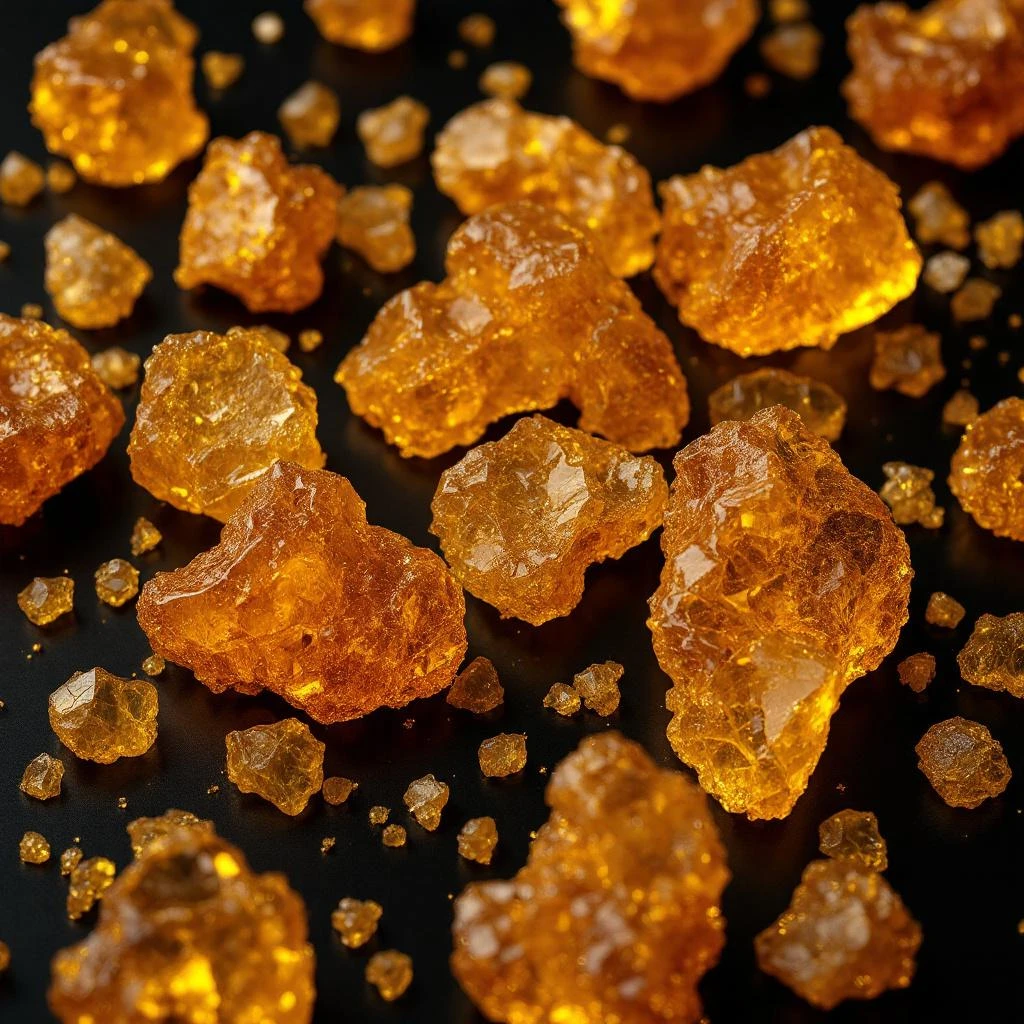
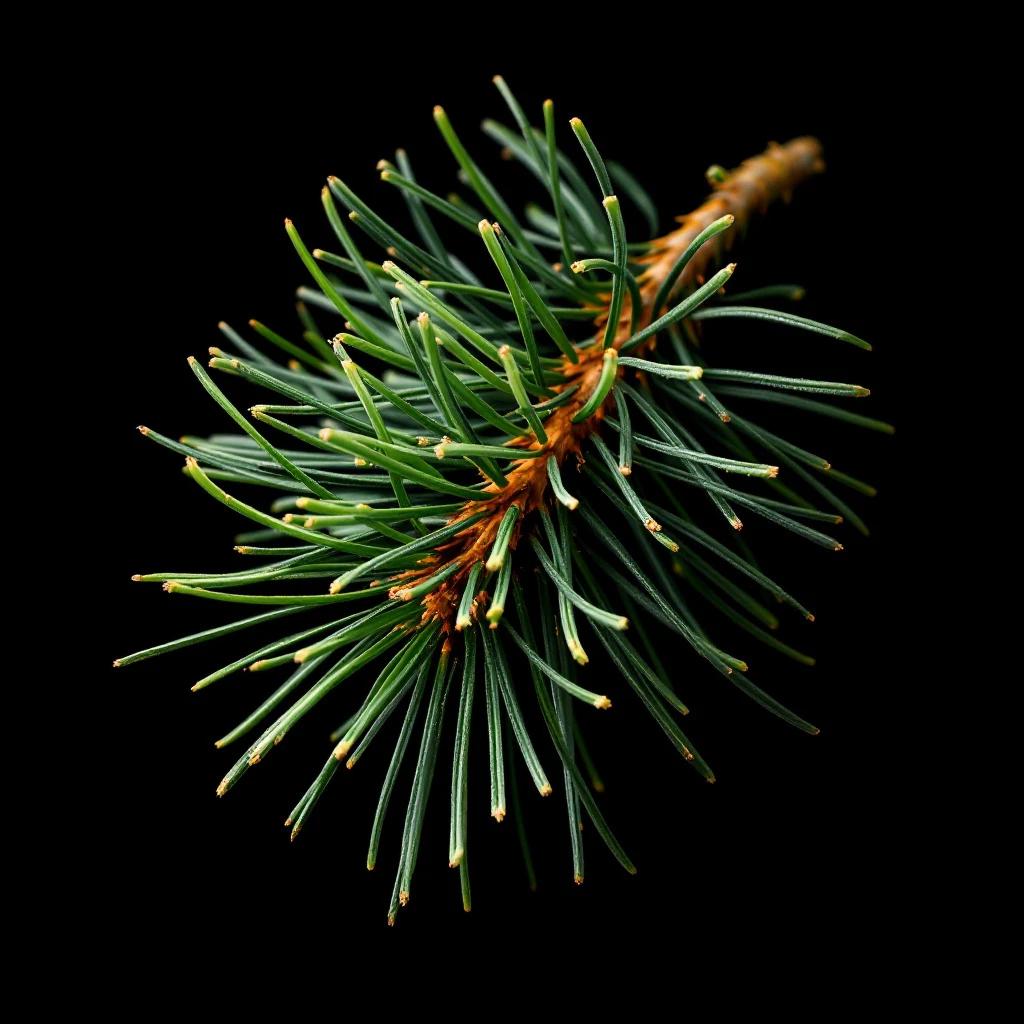
Sometimes called "liquid amber," Ponderosa Pine resin captures the aromatic character of high-elevation western forests. This viscous substance yields fresh, balsamic notes with a subtle smokiness that grounds fragrance compositions with authentic forest atmosphere.
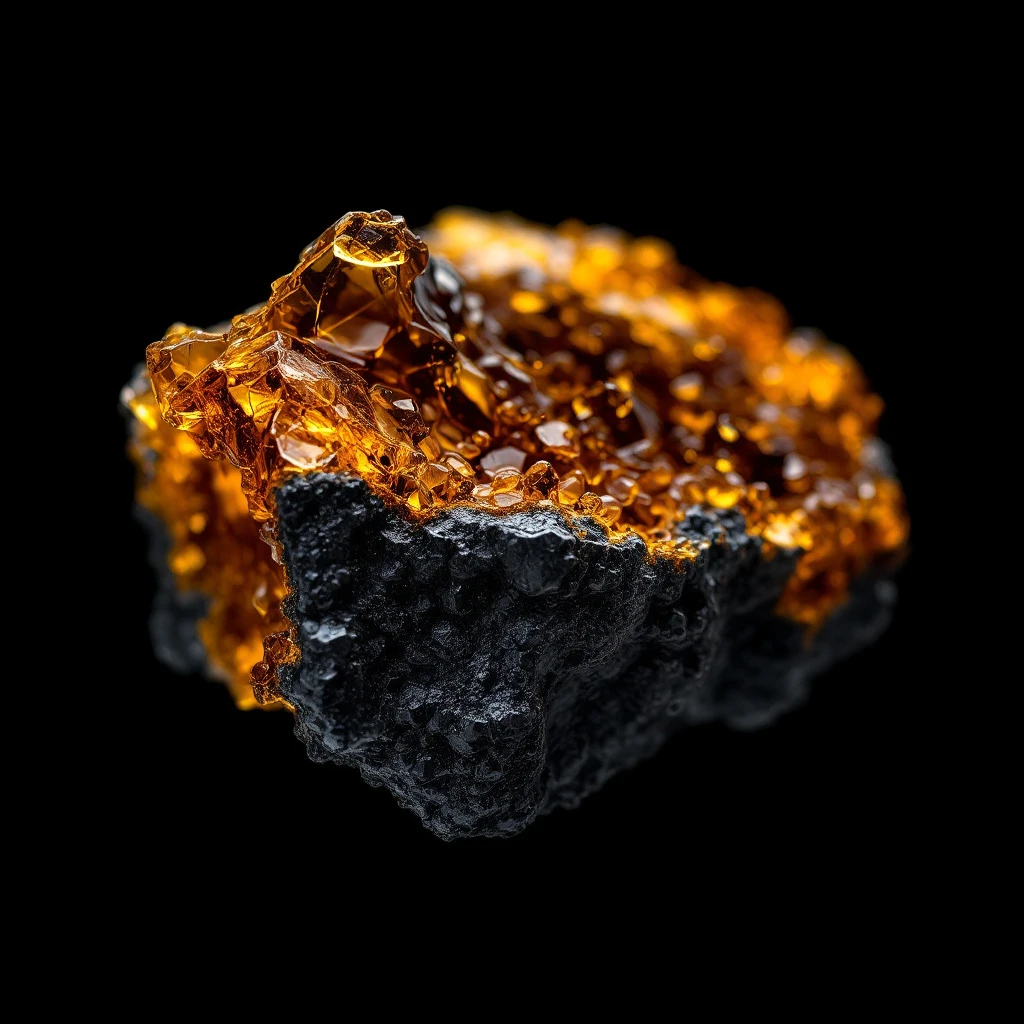
Character
How it smells
High-altitude forest captured in aromatic form
The same compounds that seal tree wounds help fragrance last longer on skin.

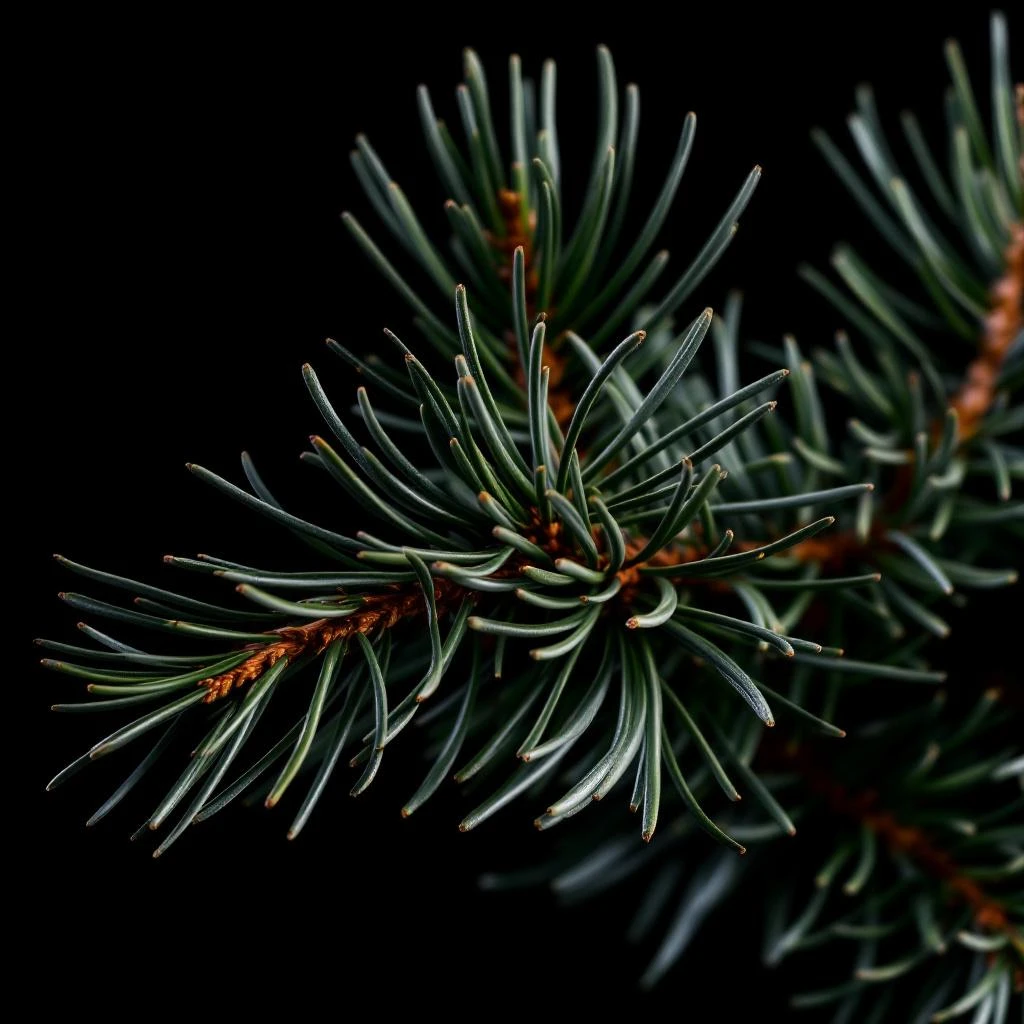


Origin
United States
Pine resin has served humans for thousands of years. Ancient Egyptians used pine essential oils for preservation during mummification. Greek physicians documented using pine for respiratory ailments and topical treatments.
Indigenous peoples of western North America developed the tapping techniques still used today to harvest Ponderosa resin. The volatile compounds that make Ponderosa resin an effective fixative come from the tree's own defense mechanisms, evolved to protect it from moisture loss and pathogens. These same properties help fragrance compounds remain on skin longer.
Ancient civilizations discovered this utility long before modern chemistry isolated specific compounds. Ponderosa pine resin continues to anchor modern perfumery, lending compositions the unmistakable character of western forests.
Wears it best
Fragrances featuring Ponderosa Pine Resin
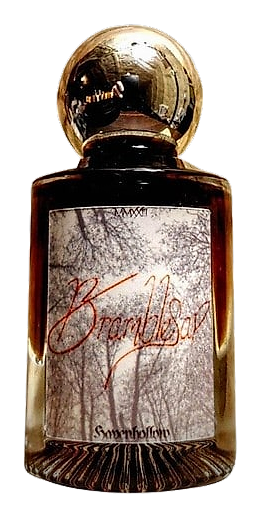
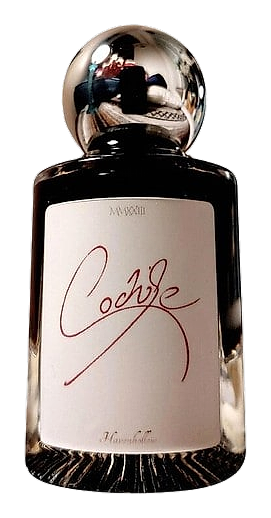
Brands
Brands known for Ponderosa Pine Resin
Good to know
Questions, answered
The essentials on Ponderosa Pine Resin in perfumery: how it smells, where it comes from, and how it behaves on skin.
What does Ponderosa Pine Resin smell like?
Ponderosa Pine Resin has a fresh, balsamic, and woody scent with subtle smoky undertones. It delivers high-altitude forest atmosphere rather than sweet or floral notes. The aroma profile suits fragrance compositions calling for authentic coniferous character.
How is Ponderosa Pine Resin extracted?
Producers extract the resin through careful tree tapping. Mature trees are wounded to stimulate resin flow, then the material is collected weeks later. Steam distillation converts raw resin into essential oil suitable for perfumery use.
Where does Ponderosa Pine Resin originate?
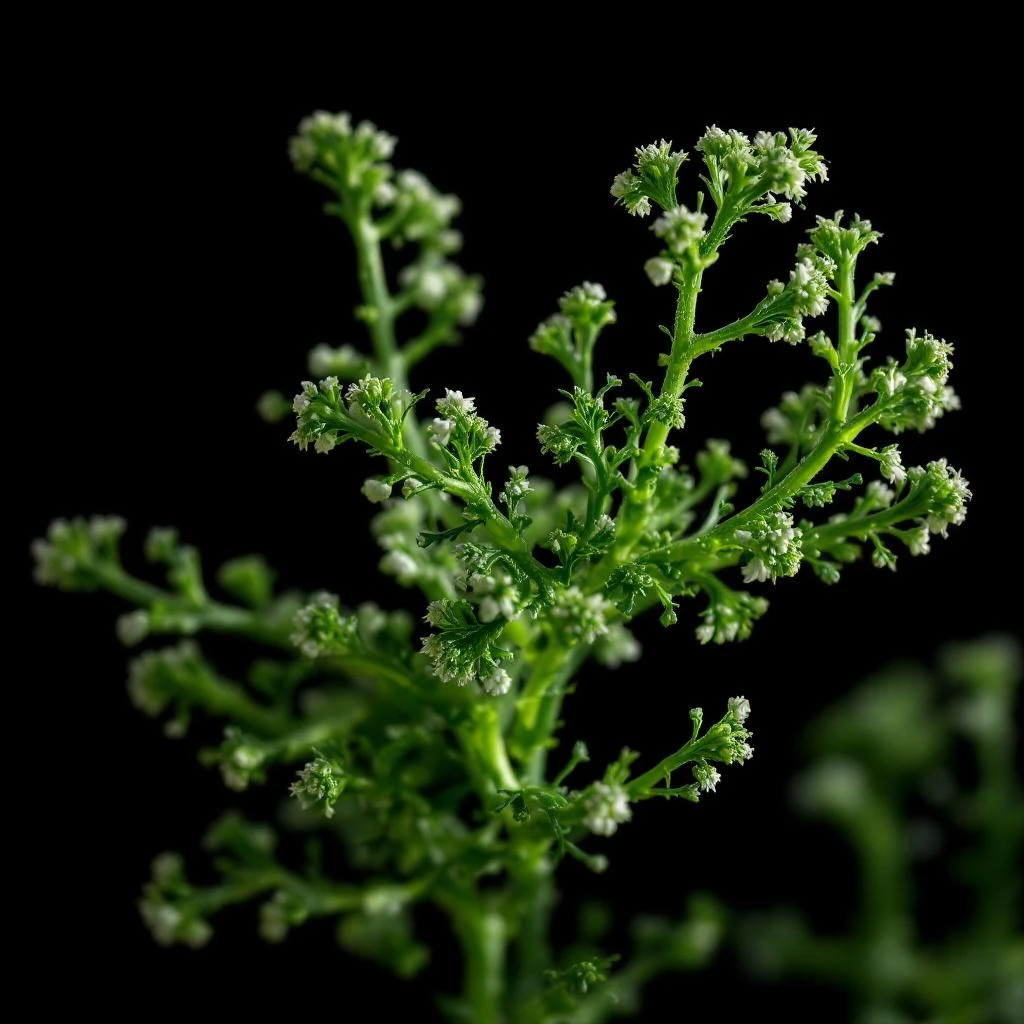
Ponderosa Pine Resin comes from Pinus ponderosa, a large conifer native to western North America. The species thrives in high-elevation forests across the western United States, particularly in northern Arizona and surrounding states.
Is Ponderosa Pine Resin sustainable?
Yes, sustainable tapping methods allow multiple harvests from the same tree without causing permanent damage. The process can be repeated across seasons, making it a renewable resource for perfumers committed to botanical sourcing.
What role does Ponderosa Pine Resin play in perfumery?
Ponderosa Pine Resin functions as both a fixative and fragrance material. The volatile compounds slow evaporation of lighter notes while adding fresh, resinous character. It works well as a top to mid note in conifer-focused compositions.
What are the historical uses of pine resin?
Ancient Egyptians used pine oils for preservation during mummification. Greek physicians documented using pine for respiratory treatments. Indigenous peoples of western North America developed tapping techniques still in use today.
Can Ponderosa Pine Resin be used in natural perfumery?
Yes, Ponderosa Pine Resin suits natural perfumery. Both the raw resin and essential oil come from sustainable tapping without synthetic solvents. Perfumers seeking botanical fixatives find this ingredient aligns with natural formulation goals.
What makes Ponderosa Pine Resin distinctive among pine materials?
Ponderosa pine yields a fresh, balsamic character with subtle smokiness that sets it apart from other conifer materials. Its volatile compounds provide fixative properties, adding both fragrance and longevity to compositions.