Mulling Spices
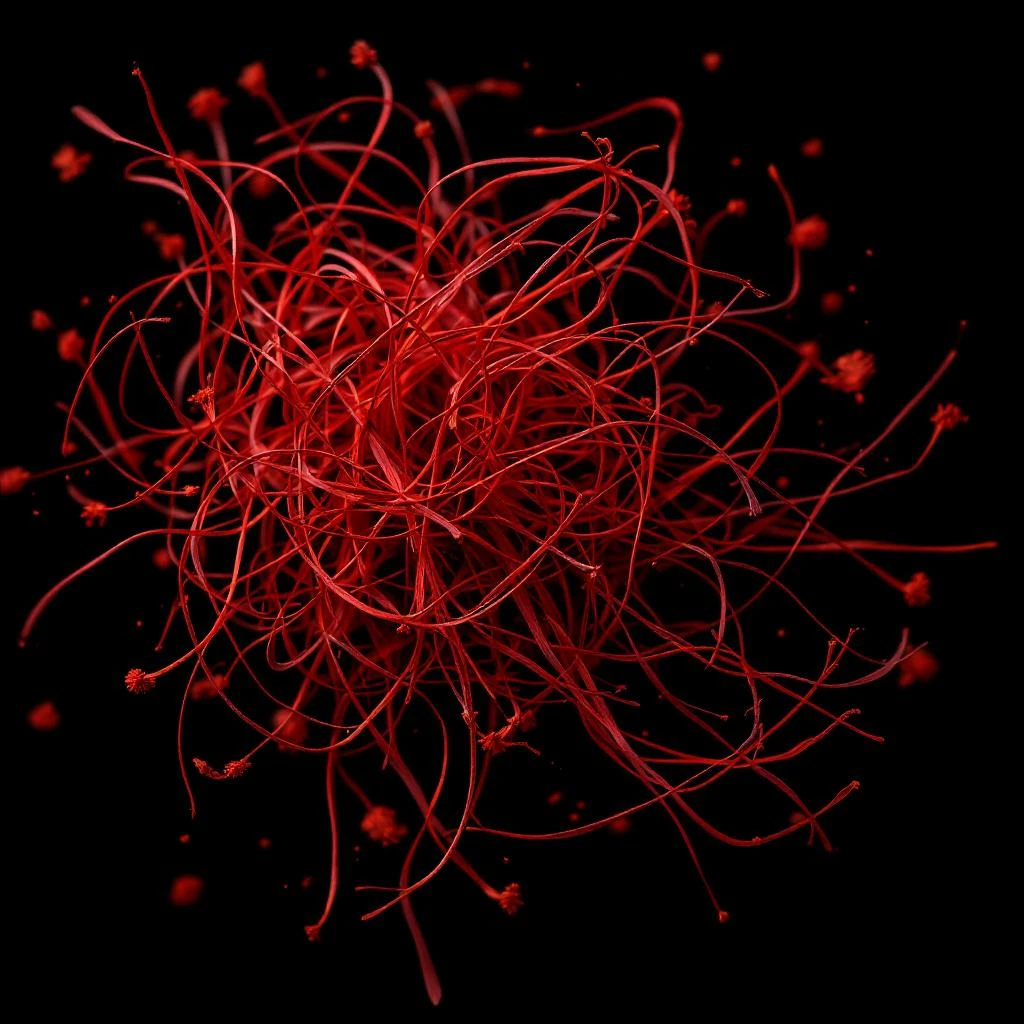
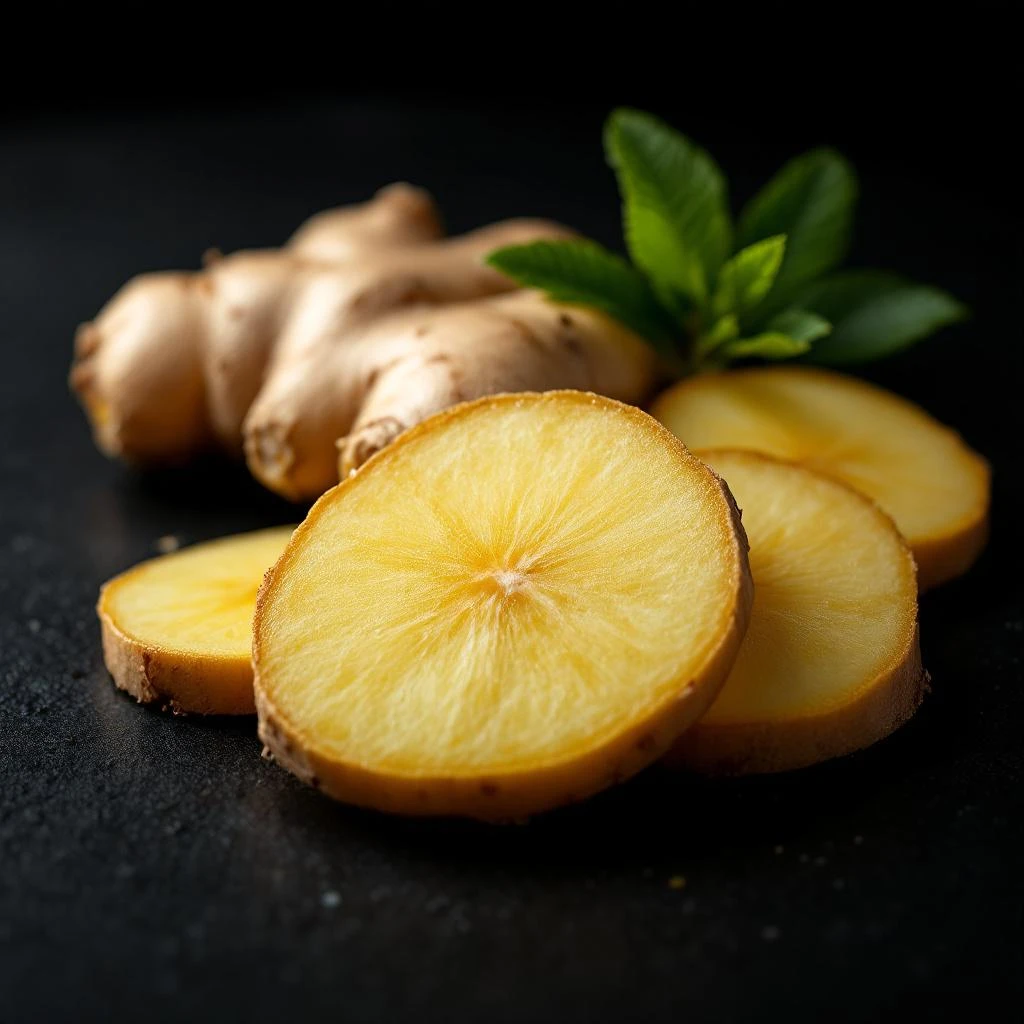
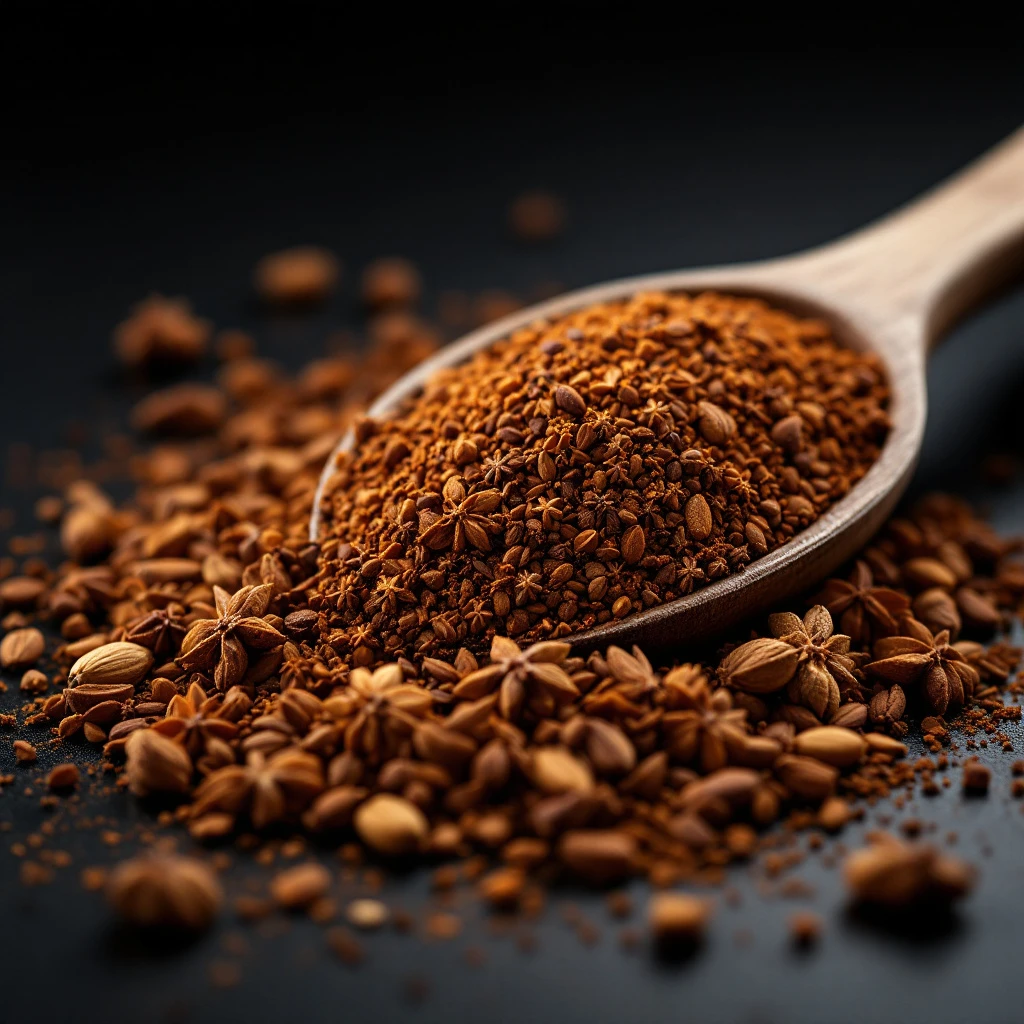
A warm, aromatic accord capturing the nostalgic essence of spiced holiday drinks. Built from notes of cinnamon, clove, nutmeg, and star anise, it evokes winter markets, mulled wine, and seasonal comfort.
Character
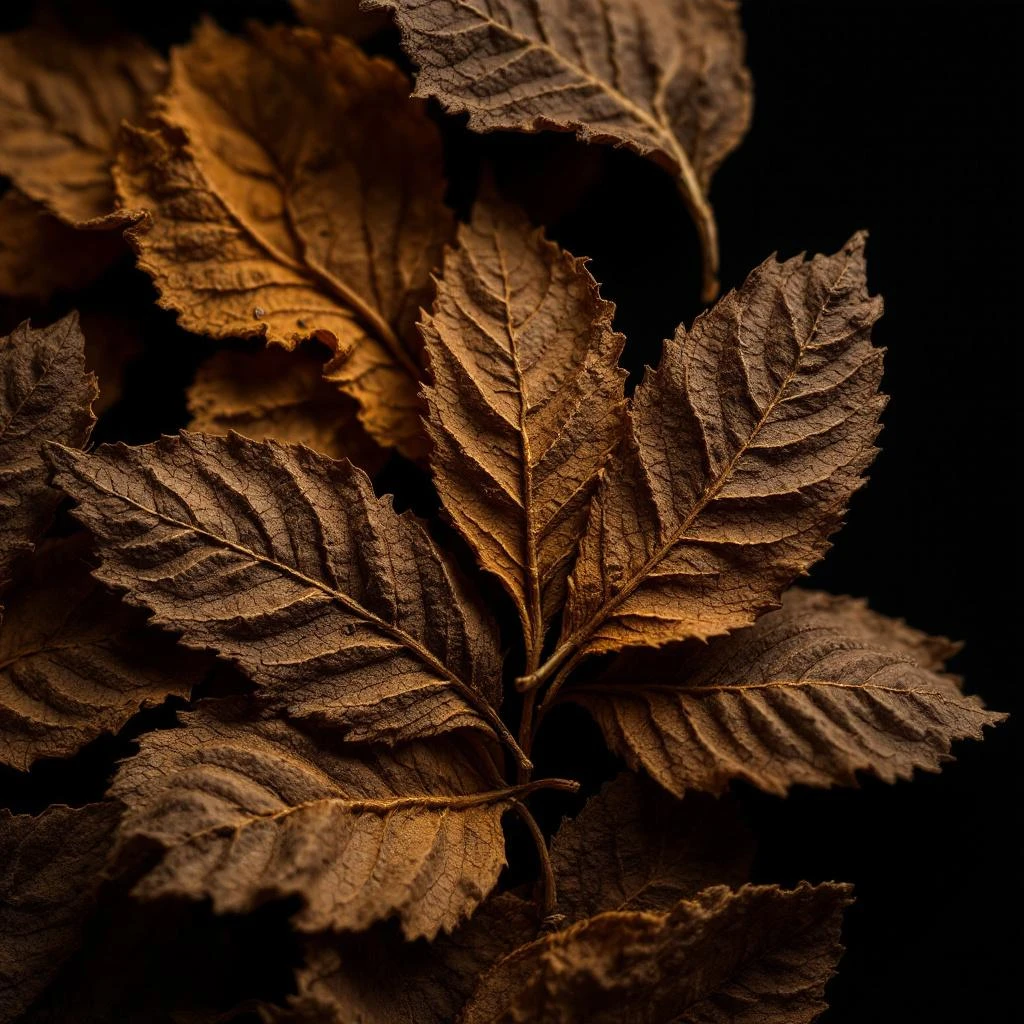
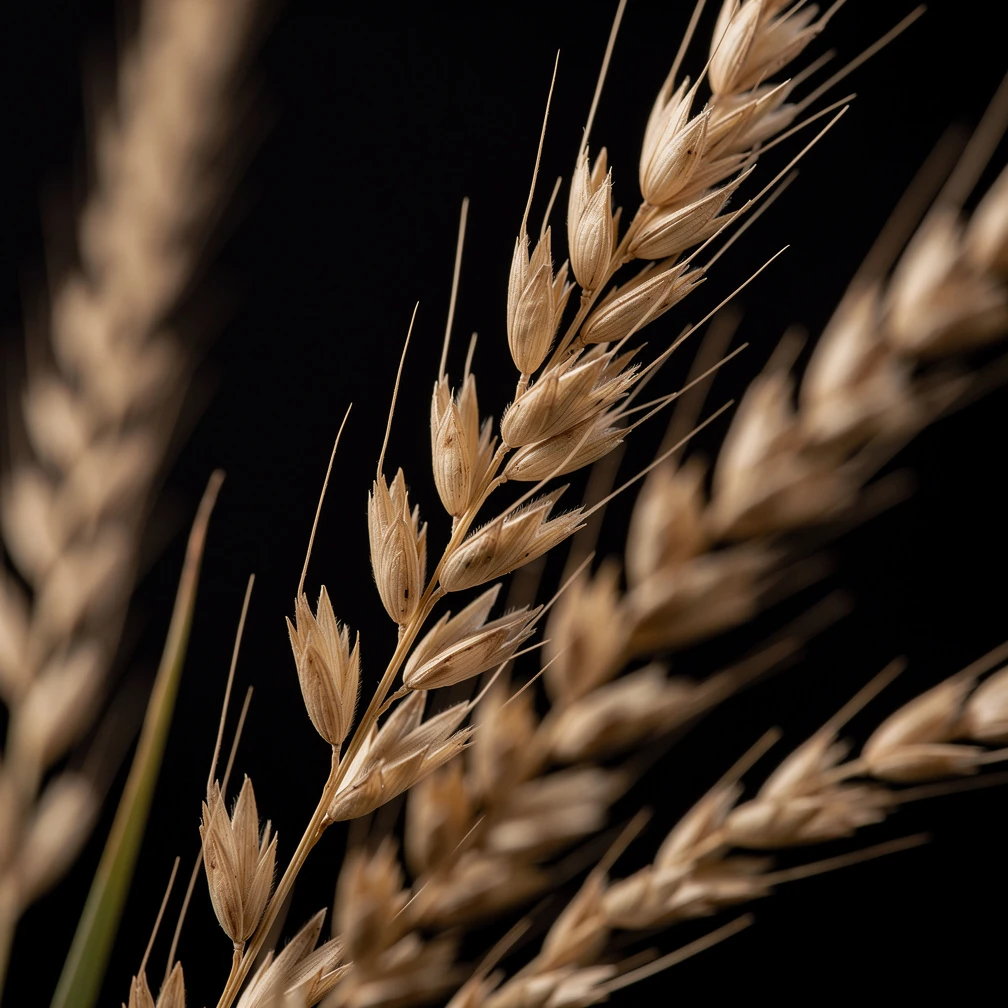
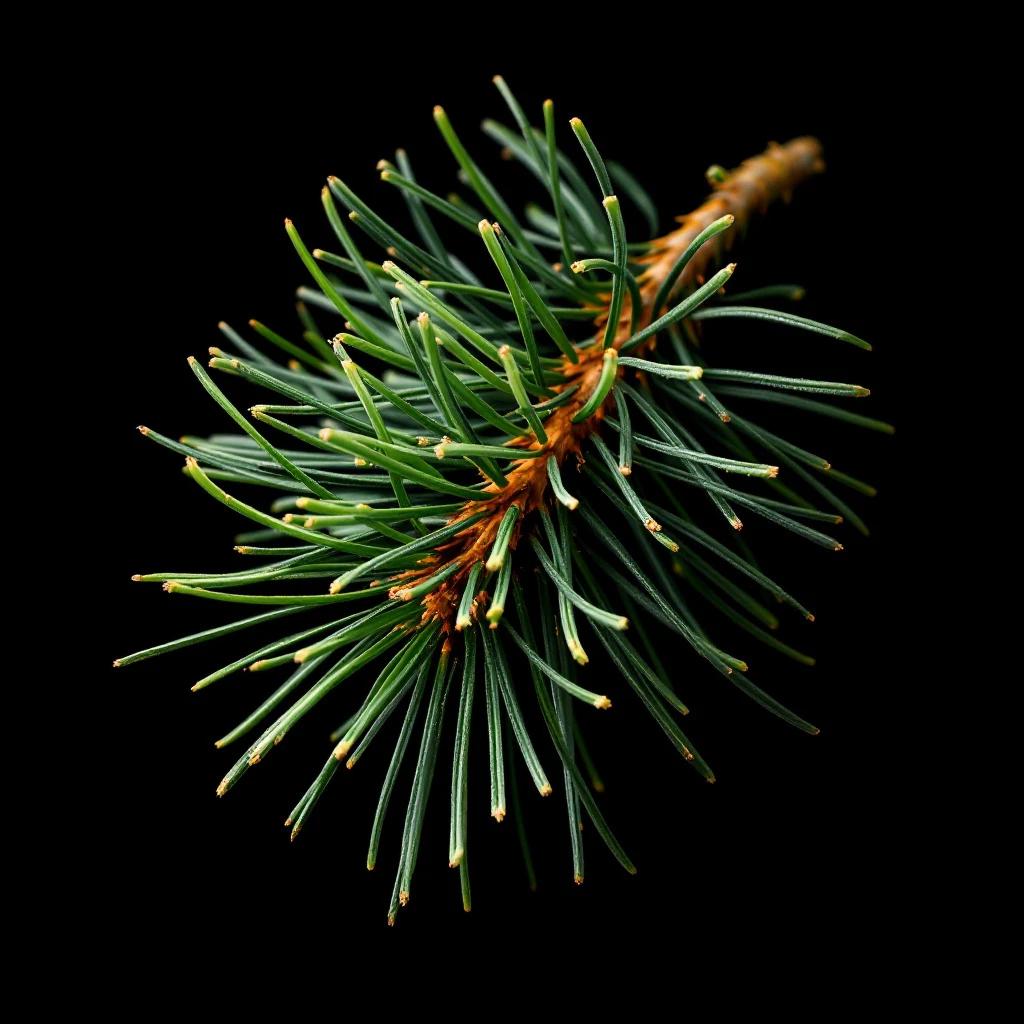
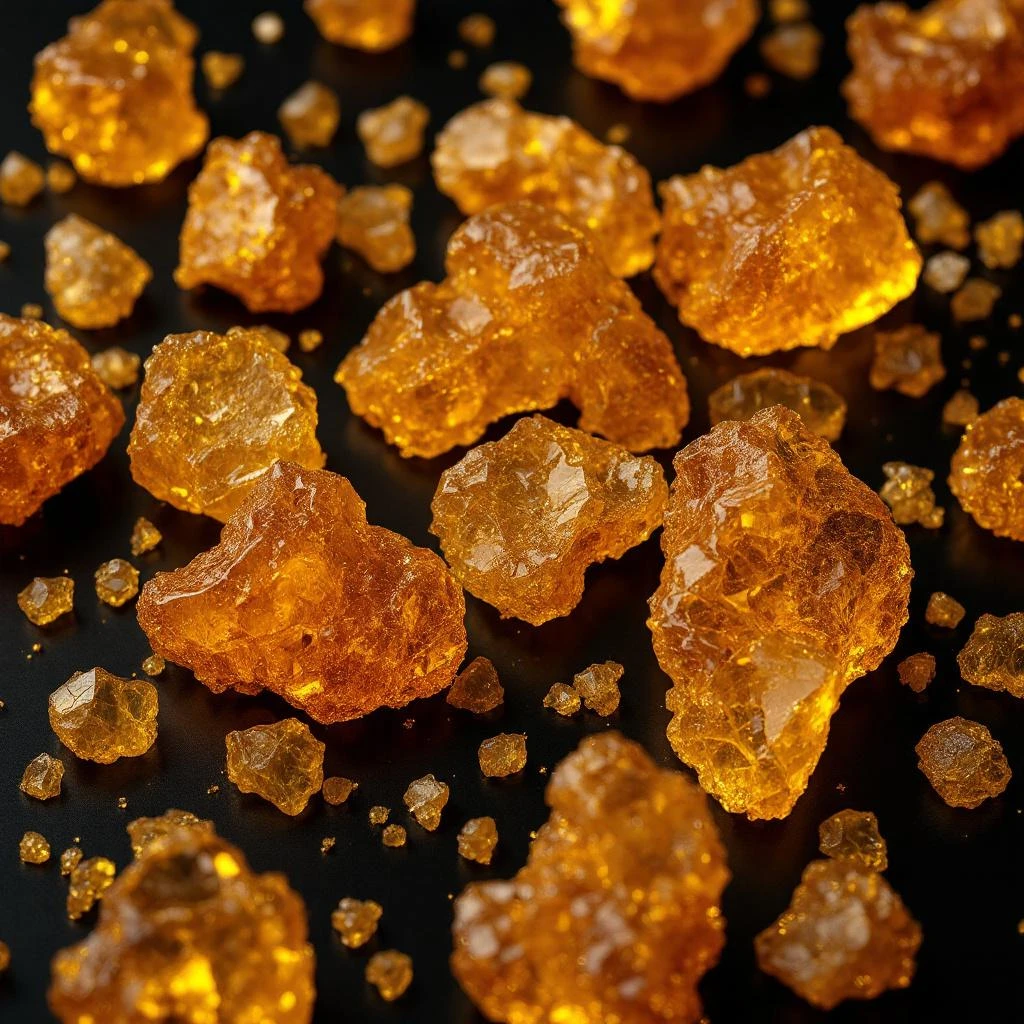
How it smells
Spiced holiday warmth, bottled for the senses.
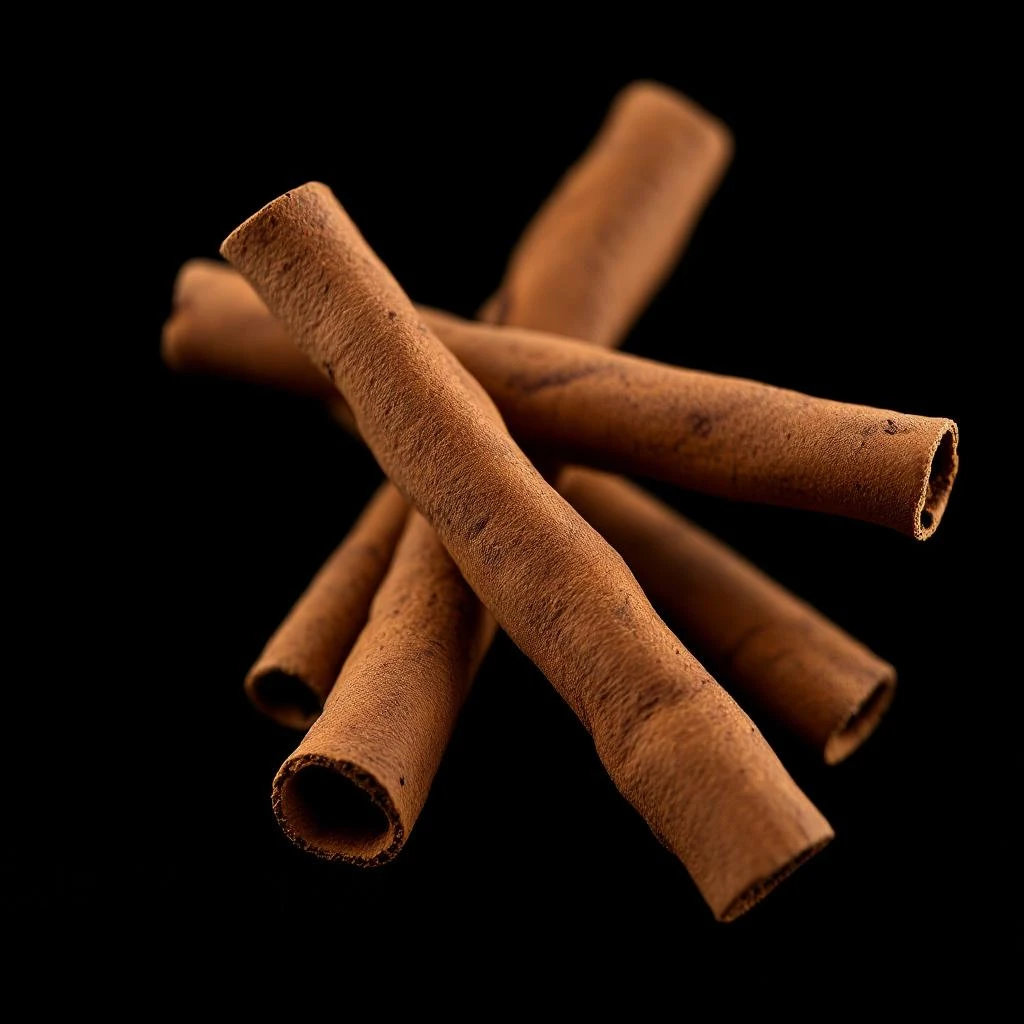
Cinnamon was once worth more than silver by weight, driving the ancient spice trade across continents.



Origin
Sri Lanka
The spices that compose mulling accords have shaped human civilization for millennia. Cinnamon, clove, and nutmeg fueled the ancient spice trade, with routes stretching from the Moluccas through Arabia to Mediterranean markets. Arab traders guarded these secrets fiercely, maintaining monopoly over prized aromatics.
The 12th-century development of distillation in the Islamic world unlocked the full aromatic potential of these spices, paving the way for their use beyond culinary applications. Medieval Europeans formalized the mulled wine tradition, heating wine with spices as a festive winter ritual. Modern perfumery draws on this sensory heritage, translating the warm, convivial atmosphere of mulled drinks into fragrance form.
Each mulling accord echoes centuries of trade, ritual, and the universal human desire to warm oneself against the cold.
Wears it best
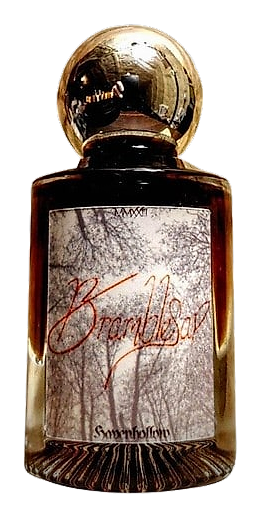
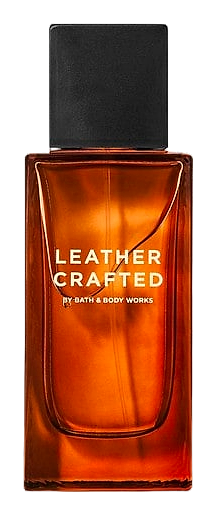
Fragrances featuring Mulling Spices
Brands
Brands known for Mulling Spices
Good to know
Questions, answered
The essentials on Mulling Spices in perfumery: how it smells, where it comes from, and how it behaves on skin.
What are mulling spices in perfumery?
Mulling spices are a warm, festive accord combining cinnamon, clove, nutmeg, allspice, and star anise. It recreates the aromatic character of mulled wine or spiced cider, offering comfort and seasonal nostalgia in fragrance.
Are mulling spices the same as culinary spices?
They share the same botanical sources, but perfumery uses specialized extracts like absolutes and essential oils rather than ground spices. The extraction process concentrates aromatic compounds for use in fragrance formulations.
How long do mulling spice notes last in perfume?
Individual spice materials in mulling accords vary in longevity. Clove and cinnamon typically persist for 8+ hours, while nutmeg and ginger may fade within 4-6 hours depending on concentration and formulation.
Which seasons suit mulling spice fragrances?
Mulling spices are most associated with fall and winter, complementing heavier orientals and woody bases. However, skilled perfumers deploy them year-round, balancing spicy warmth with lighter florals or aquatic notes for unexpected contrast.
What fragrance families pair well with mulling spices?
Mulling spices pair naturally with oriental bases for rich, spiced character. They enhance fruity accords with warmth, deepen woody and resinous materials, and add spicy contrast to fresh green or marine compositions.
Can mulling spices be natural in perfumery?
Yes, perfumers source natural essential oils and absolutes from the same spice plants used in cooking. However, consistency and cost considerations often lead to blending natural and high-quality synthetic aroma molecules.
What is the history behind mulling spices?
These spices built the ancient world, driving trade routes from Southeast Asia to Europe. Medieval Europeans adopted the mulled wine tradition, combining imported spices with wine as a festive warming drink. Perfumers later translated this tradition into olfactory form.
How do perfumers create mulling spice accords?
Perfumers select and blend individual spice materials, balancing warmth, intensity, and sweetness. Steam-distilled essential oils from cinnamon bark, clove buds, and star anise combine with absolutes and aroma chemicals to build a cohesive, evocative accord.