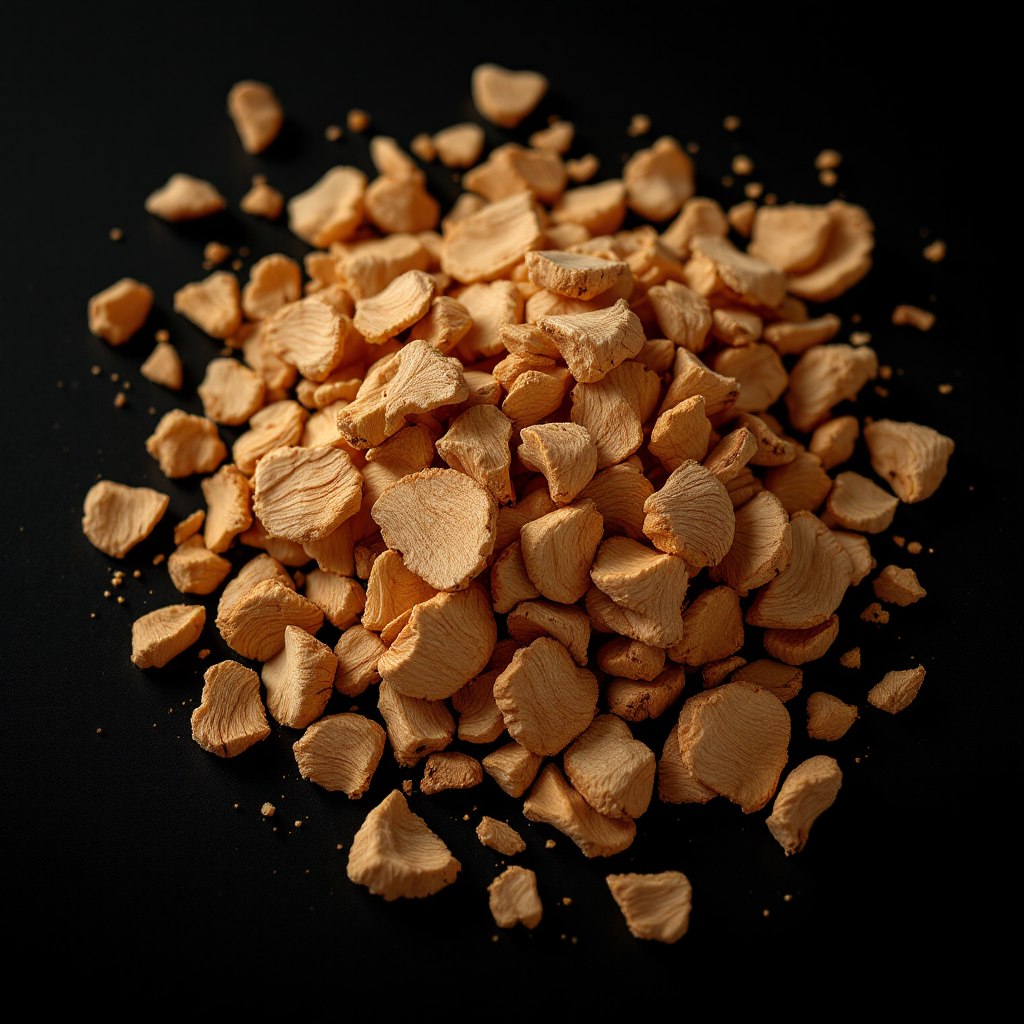
Pinon Pine Needle
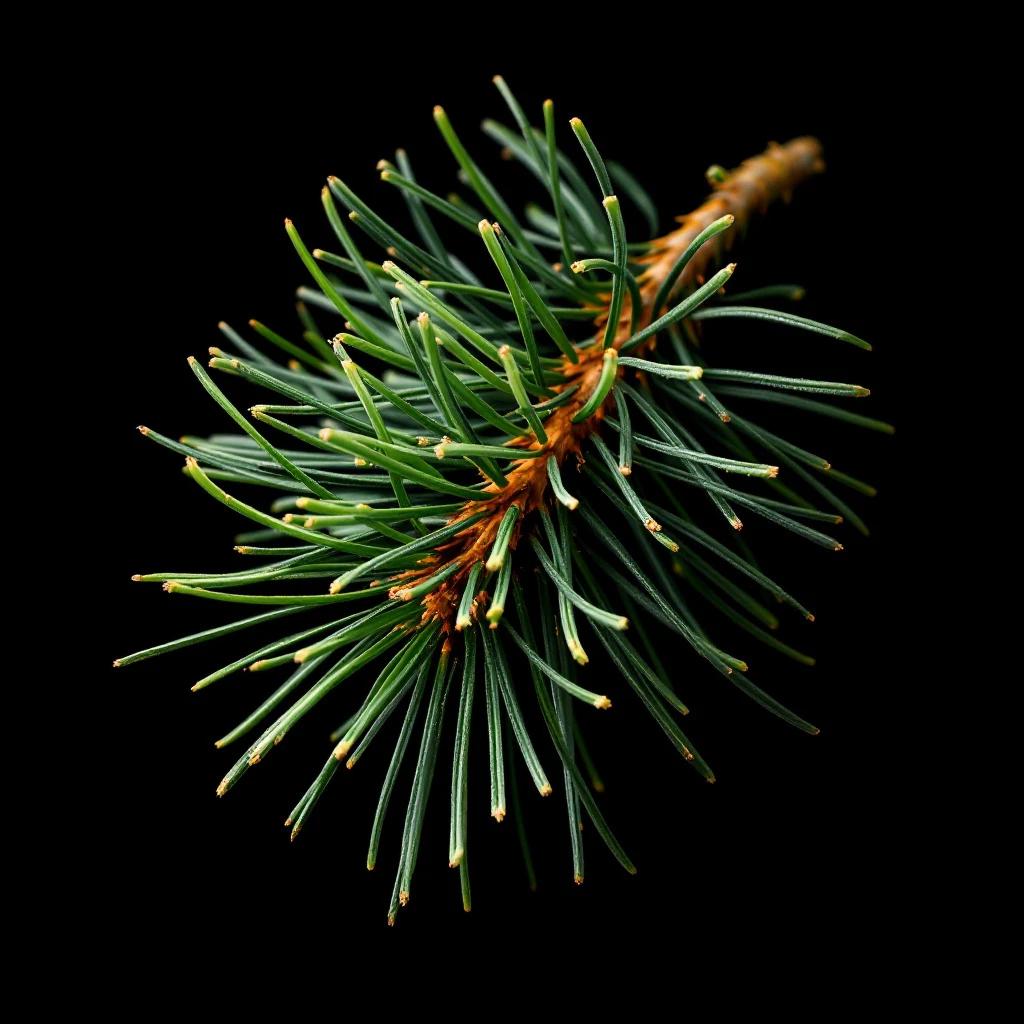
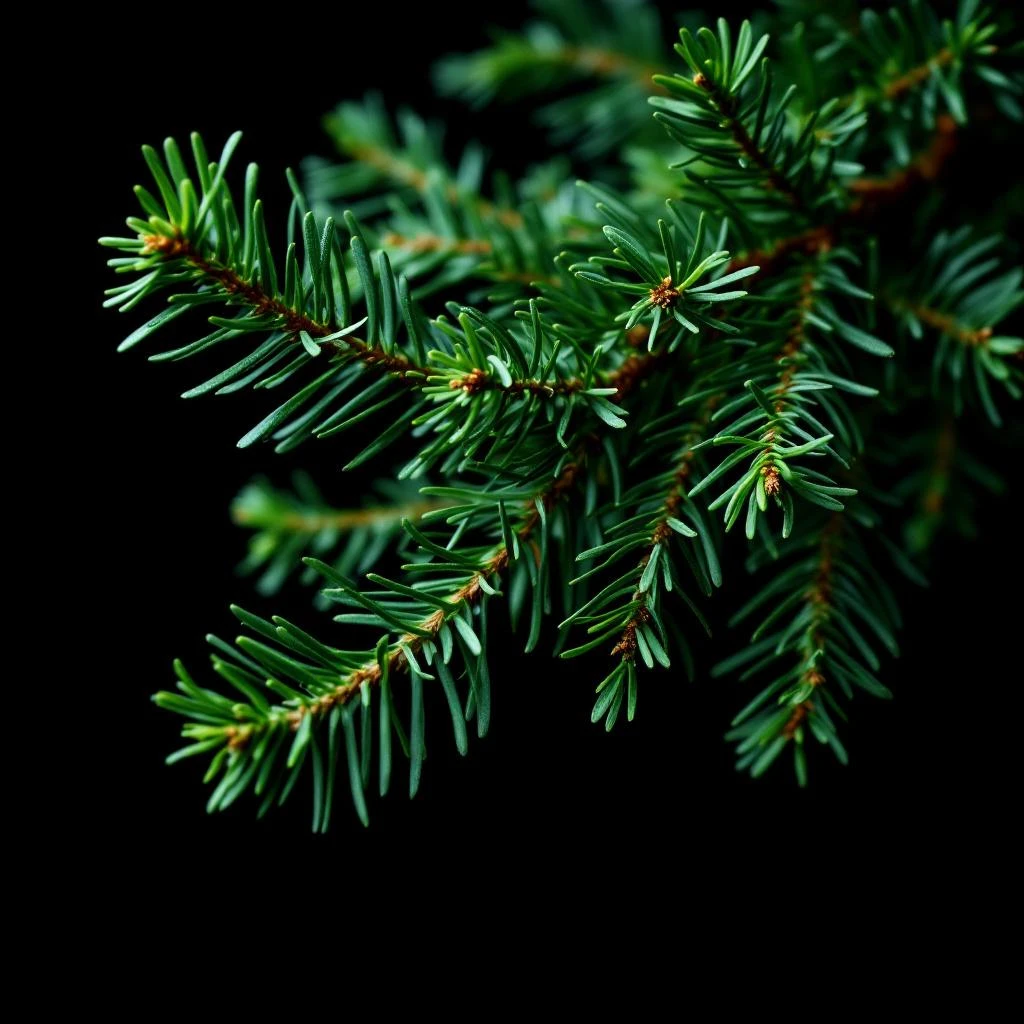
Pinon Pine Needle oil captures the crisp, resinous soul of high-altitude evergreen forests. Fresh-cut conifer meets warm, woody depth in a note that grounds fragrances with an unmistakable outdoor clarity.
Character
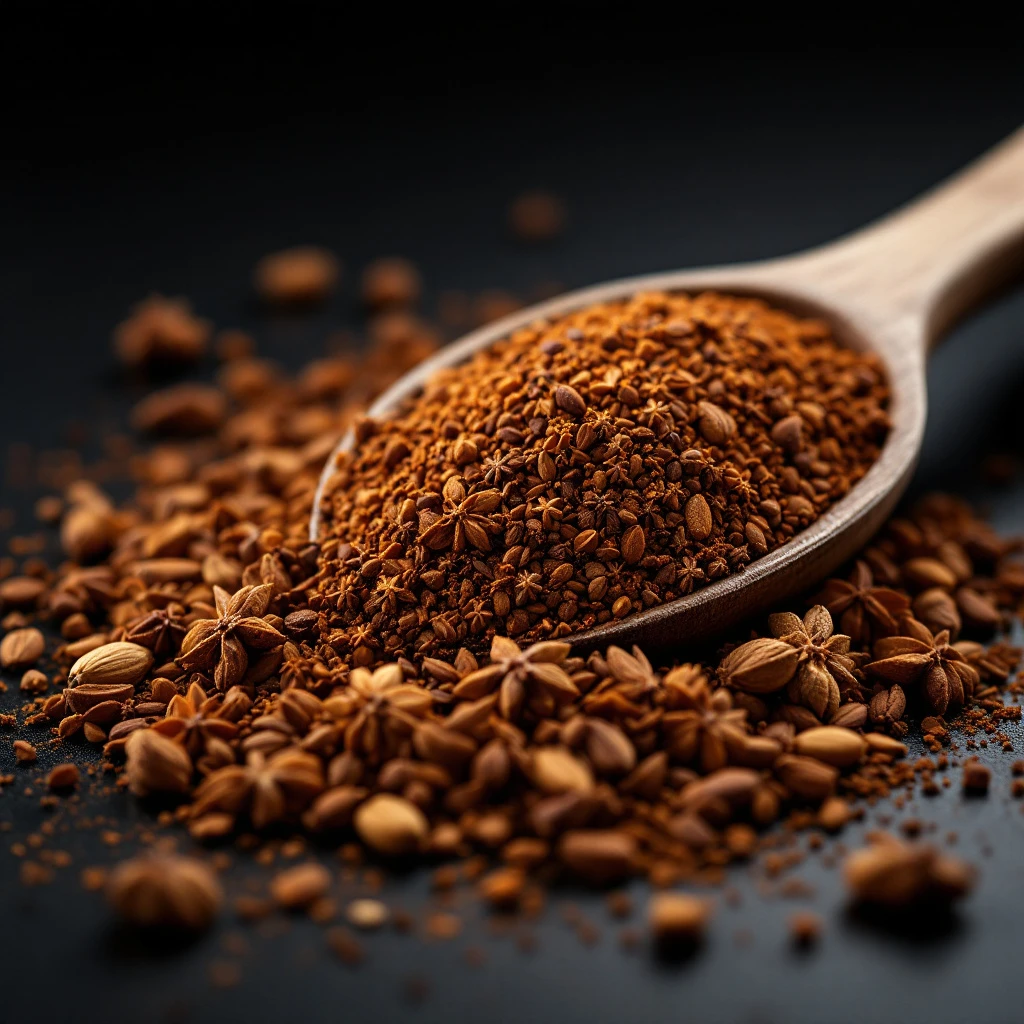
How it smells
Outdoor clarity captured in every drop
The hotter the weather, the more intensely the needles release their fragrance through tiny pores in the needle surface.




Origin
United States
Pine has been central to fragrance traditions for thousands of years. Ancient Egyptians used pine resin in embalming and perfumery, while Greek and Roman cultures burned pine in temples and used the oil for medicinal and ritual purposes.
Medieval European herbalists documented pine extensively for respiratory and muscular remedies. By the 19th century, perfumers gained access to steam-distilled pine needle oil, shifting from importing whole boughs to capturing concentrated aromatic extracts.
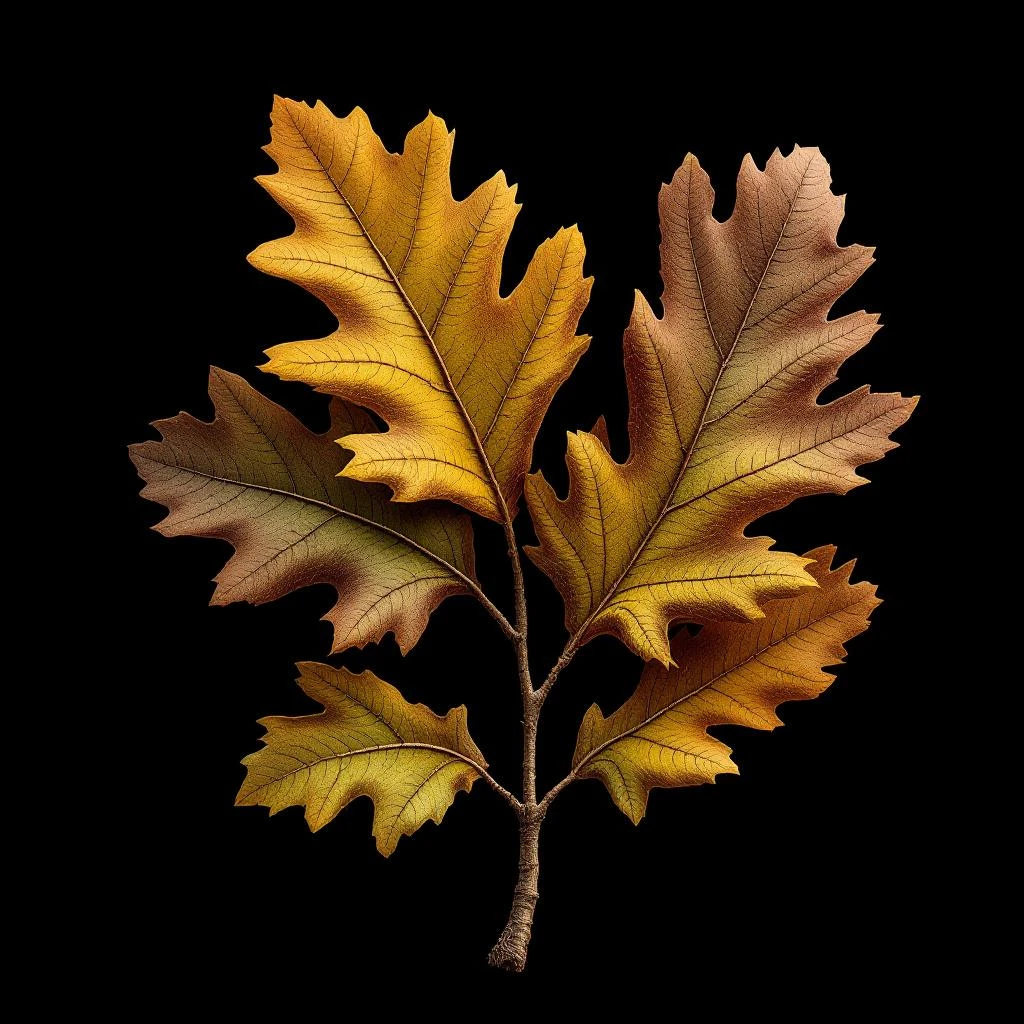
Pinon pine itself is native to the Four Corners region of the American Southwest, where Indigenous communities used the tree for medicine and ceremony long before European contact. This geographic specificity gives Pinon Needle oil a distinct character compared to European pines, with a drier, warmer quality shaped by the high desert climate.
Wears it best
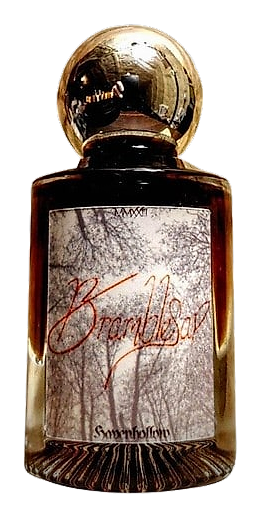
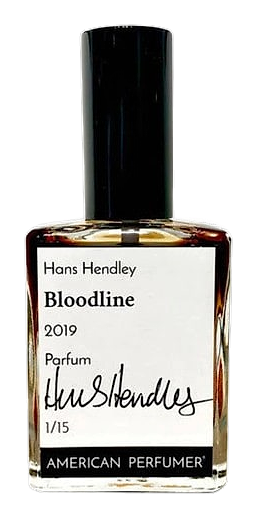
Fragrances featuring Pinon Pine Needle
Brands
Brands known for Pinon Pine Needle
Good to know
Questions, answered
The essentials on Pinon Pine Needle in perfumery: how it smells, where it comes from, and how it behaves on skin.
What does Pinon Pine Needle oil smell like?
It smells fresh and coniferous with resinous, woody depth. The dominant scent is clean conifer with slight medicinal sharpness, balanced by warm, dry undertones specific to high-desert pine species.
Where does Pinon Pine grow?
Pinon Pine (Pinus edulis) is native to the Four Corners region of the American Southwest, spanning parts of Colorado, New Mexico, Arizona, and Utah at elevations between 1,500 and 2,300 metres.
What fragrance family does Pine Needle belong to?
It functions primarily as a base note in woody and aromatic compositions. The scent anchors fragrances and acts as a natural fixative that extends the longevity of lighter top notes.
What pairs well with Pine Needle oil in perfumery?
It combines naturally with citrus, herbs, and other woods. Juniper berry, cedarwood, and fir needle are common companions. In masculine and outdoor-themed fragrances, it layers with ozonic and aquatic notes for contrast.
How is Pine Needle oil extracted for use in perfumery?
Steam distillation is the standard method. Fresh needles are subjected to steam, which ruptures oil glands and carries aromatic compounds to a condenser. The oil separates from the distillate water, yielding a concentrated absolute.
Is Pine Needle oil safe to use in skin care and perfumes?
It requires careful dilution. Pine needle oil can cause skin sensitization in some individuals and must be properly diluted in formulations, typically at a maximum of 1-2% in the final product.
What are the main aromatic compounds in Pine Needle oil?
Alpha-pinene typically dominates, often comprising more than 40% of the oil. Beta-pinene, limonene, bornyl acetate, camphene, and borneol round out the profile, with exact ratios varying by pine species and geographic origin.
How should Pine Needle oil be stored?
Keep it in a tightly sealed dark glass bottle in a cool, dry place away from direct sunlight. Oxygen and heat exposure degrade the volatile compounds over time, reducing both scent quality and perfumery effectiveness.