Orange Rind
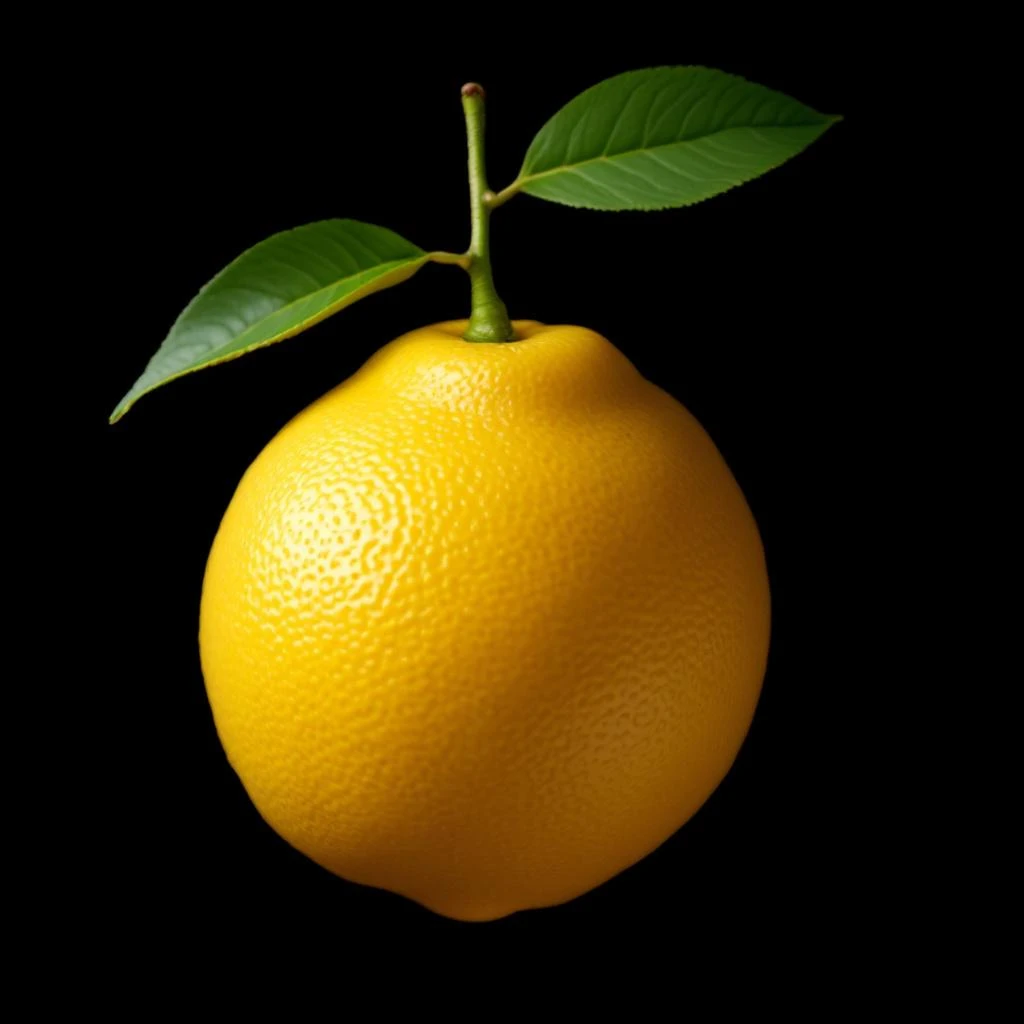
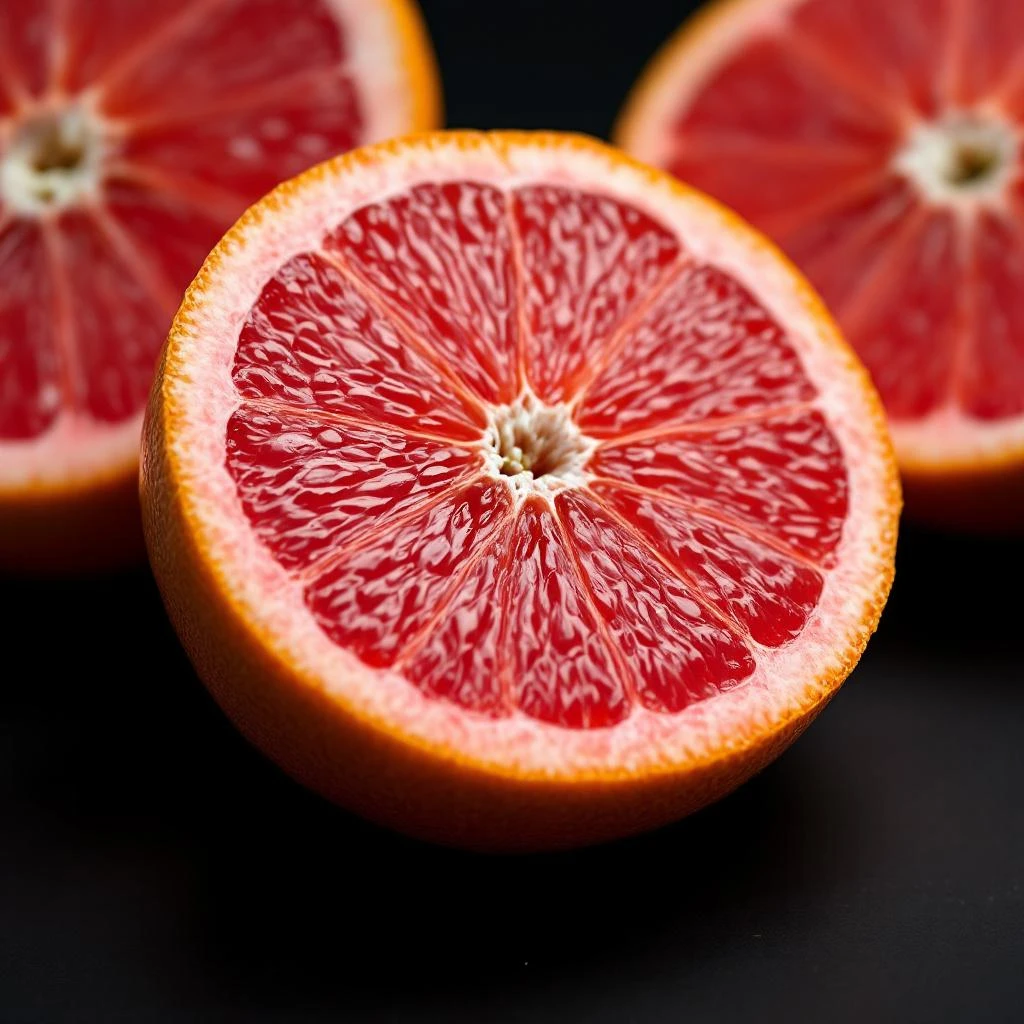
Orange rind brings bright, zesty energy to fragrances. Extracted from the flavedo layer of ripe citrus fruit, this vibrant material captures the sun-drenched essence of fresh orange peel in a concentrated, aromatic form.

Character
How it smells
Citrus sunshine captured in every drop.
It takes approximately 60 oranges to produce just one ounce of cold-pressed orange peel oil.






Origin
Brazil
The use of orange in perfumery traces back centuries, though commercial extraction of orange peel oil became established only in the 20th century. Oranges themselves have a longer documented history in human civilization, cultivated extensively in Southeast Asia before spreading through trade routes to the Mediterranean. The development of cold expression technology in the 1940s and 1950s revolutionized citrus oil production, making orange rind a reliable, large-scale perfumery ingredient.
Brazil emerged as the dominant global supplier, producing the majority of the world's orange peel oil through its vast citrus industry centered in São Paulo state. The country's tropical climate and agricultural infrastructure made it ideal for the intensive cultivation and processing required for citrus oil production on an industrial scale.
Wears it best
Fragrances featuring Orange Rind

Brands
Brands known for Orange Rind
Good to know
Questions, answered
The essentials on Orange Rind in perfumery: how it smells, where it comes from, and how it behaves on skin.
What does orange rind smell like in a fragrance?
Orange rind delivers a bright, zesty, and fresh citrus aroma with sweet undertones. It reads as the clean, vibrant scent of freshly peeled orange rather than candy or synthetic orange. The effect is energizing and immediately uplifting in a composition.
Is orange rind oil natural or synthetic?
Orange rind oil is naturally extracted through cold expression of the fruit's outer peel layer. It is a 100% natural ingredient, though its high demand means many fragrances also use synthetic reproductions of its characteristic aroma.
How does orange rind differ from orange blossom or neroli?
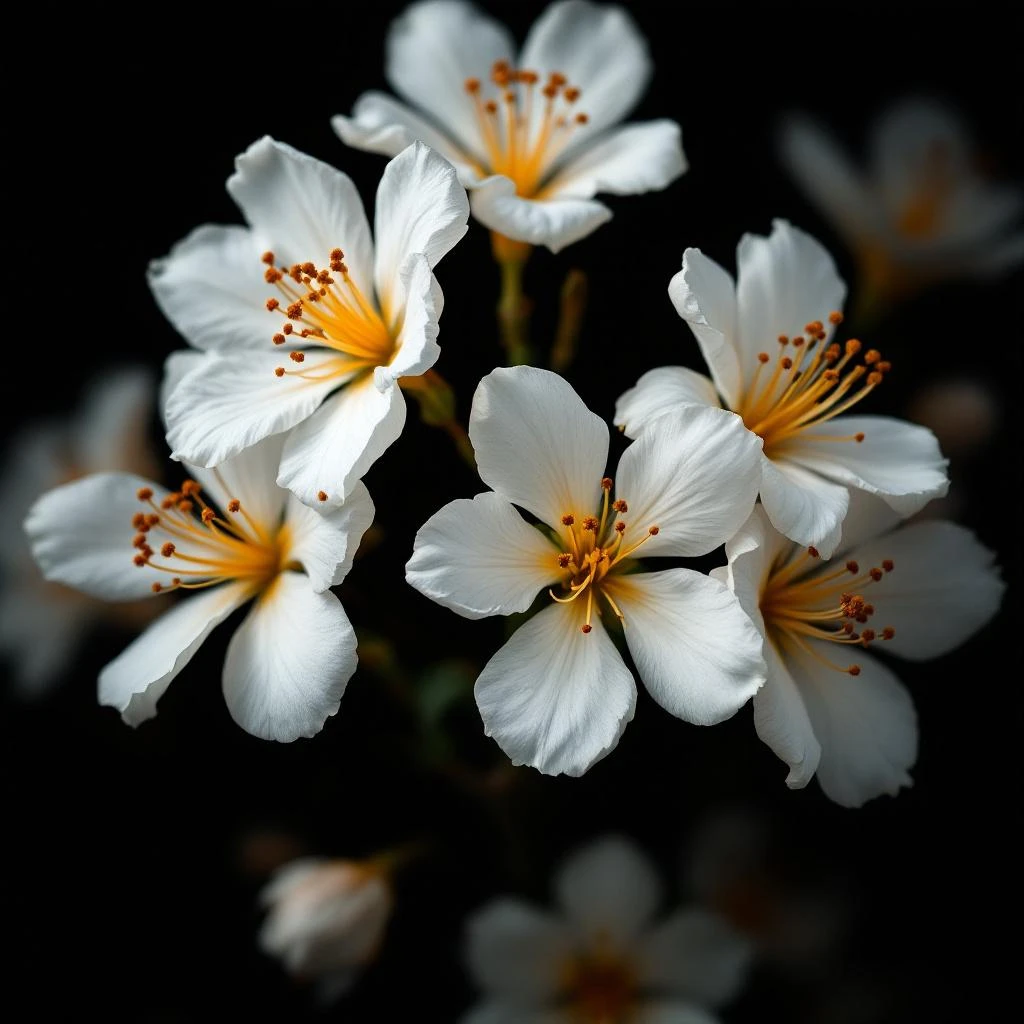
Orange rind comes from the fruit's peel and is extracted by cold expression, while orange blossom and neroli are derived from the flower through solvent extraction or steam distillation. The peel offers a bright, zesty citrus scent, whereas floral extracts smell sweeter and more heady.
What fragrances feature orange rind as a dominant note?
Orange rind appears frequently in fresh, citrus-forward fragrances and in the top notes of many compositions. It is particularly prominent in colognes, citrus chypres, and bright summer fragrances across all major fragrance houses.
Does orange rind cause skin sensitivity?
Orange rind oil contains furanocoumarins that can cause photosensitivity, leading to skin darkening upon sun exposure. Bergamot, another citrus oil, presents a similar concern. Bergapten-free versions are available for skin-safe formulations.
How long does orange rind's scent last in a fragrance?
Orange rind functions primarily as a top note, with its bright citrus aroma typically lasting 15 to 30 minutes on skin before evaporating. The scent fades relatively quickly compared to heart or base notes in a fragrance pyramid.
Why is Brazil the primary source of orange rind oil?
Brazil produces more than 40% of the world's orange supply, concentrated in São Paulo state. The scale of cultivation, processing infrastructure, and climate conditions create an ideal environment for producing citrus oils efficiently and at scale.
Can orange rind oil be used in natural perfumery?
Yes, orange rind oil is a staple of natural perfumery. Cold expression produces no solvent residues and requires no chemical processing, making it compatible with natural and botanical fragrance formulations seeking whole-plant ingredients.