Plum Sorbet
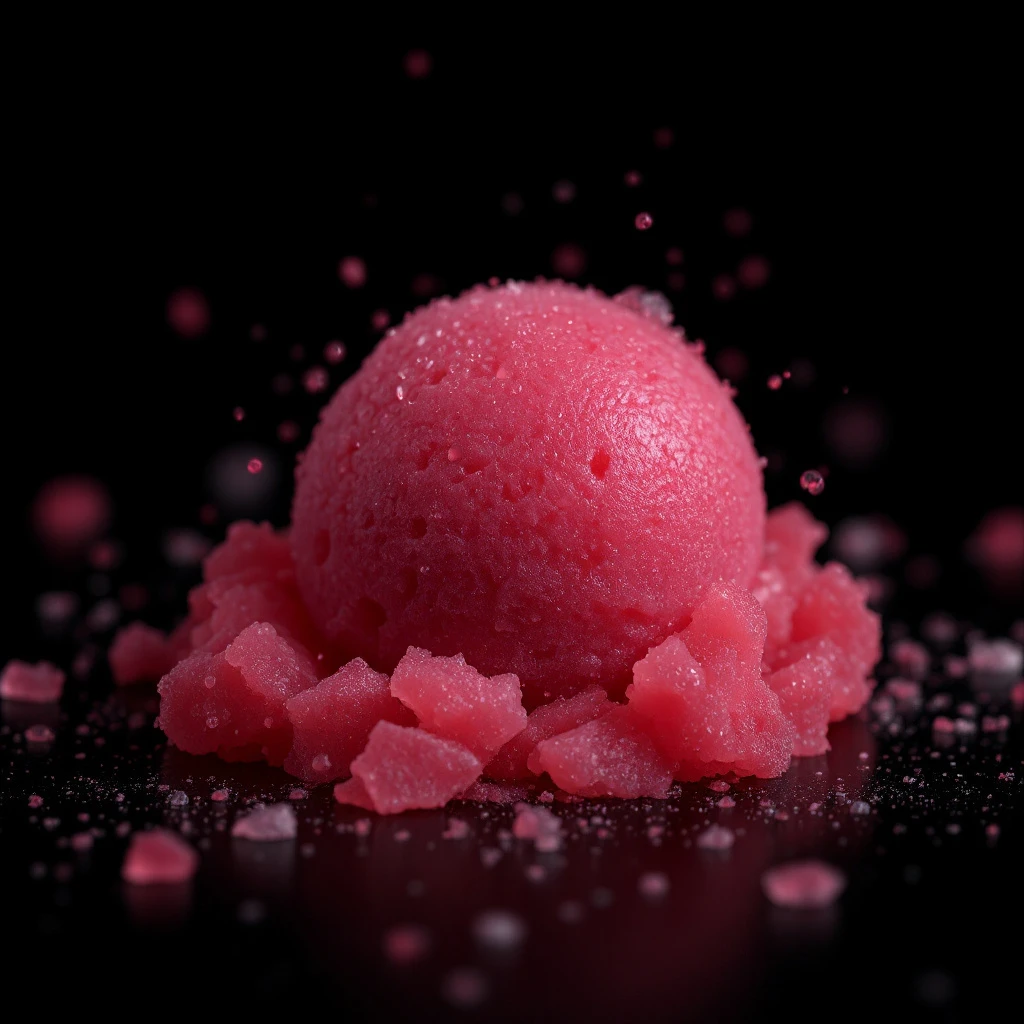
Plum sorbet captures the chilled sweetness of ripe fruit suspended in icy air. This gourmand accord balances tart skin with sugary pulp, adding a luscious, dessert-like dimension to modern perfumery.
Character
How it smells
Frozen fruit, bottled.
Plum sorbet is almost always a synthetic accord, since true plum aroma contains only trace amounts of the compounds that define its scent.



Origin
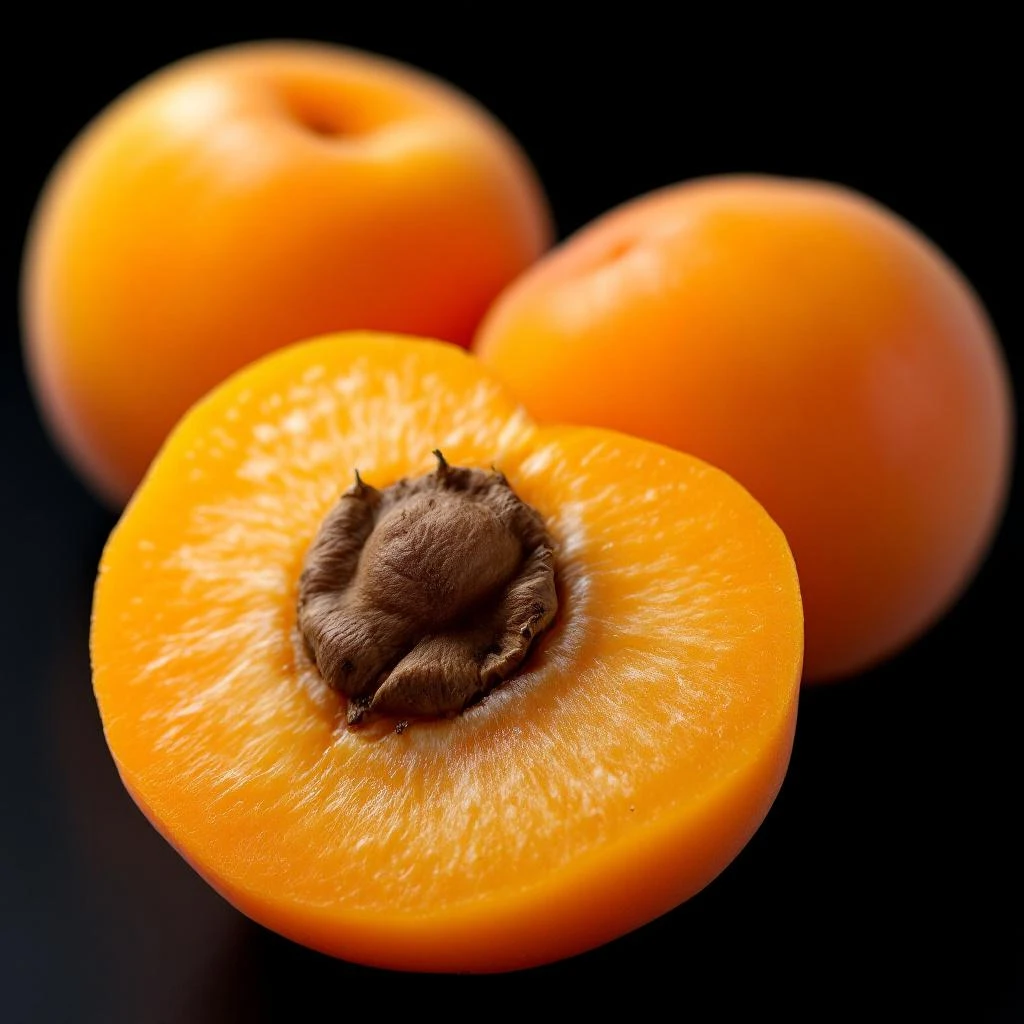
Laboratory-constructed accord; inspired by Prunus salicina (Japanese plum)
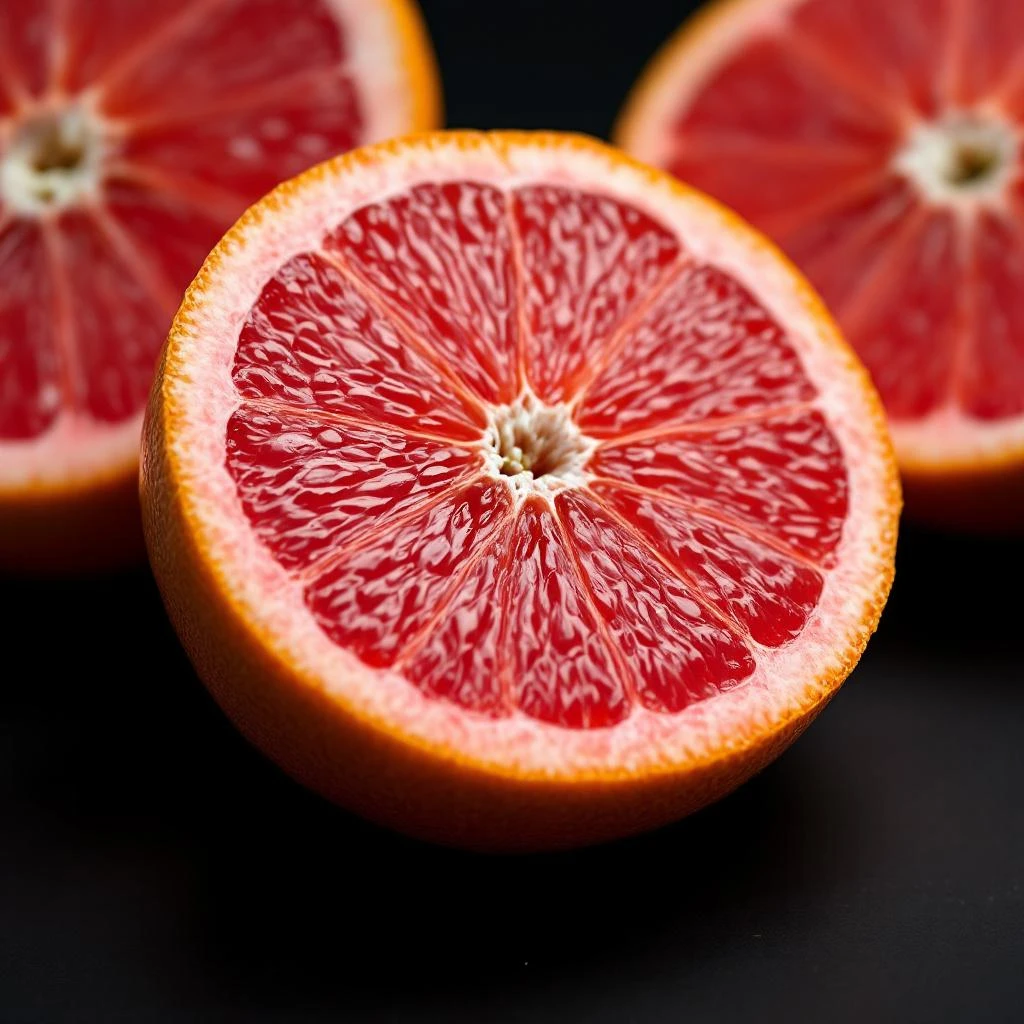
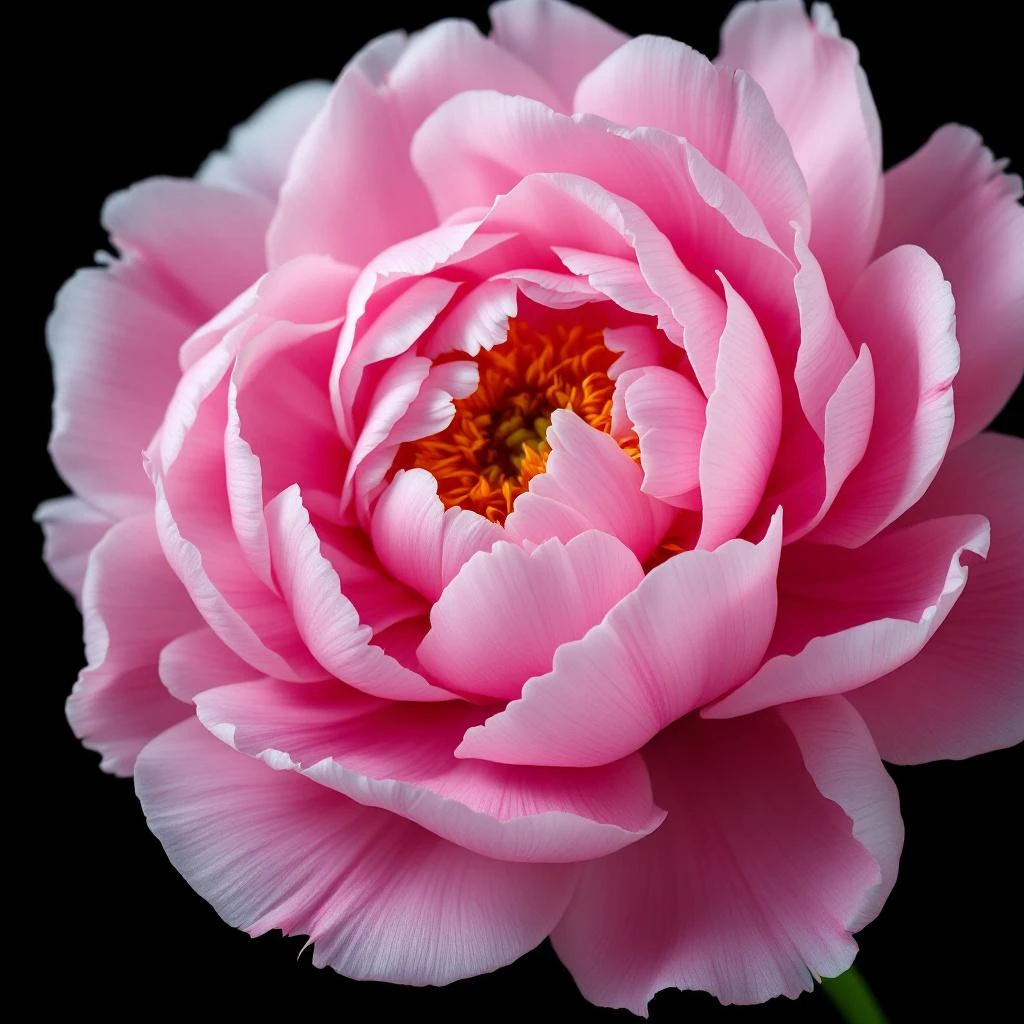
Plum holds a quiet but persistent place in fragrance history. Cultivated across China and Japan for over two thousand years, the fruit appears in traditional botanical texts and culinary records, though rarely in classical perfumery formulas. Early European perfumers favored citrus, florals, and resins, leaving stone fruits largely to the kitchen.
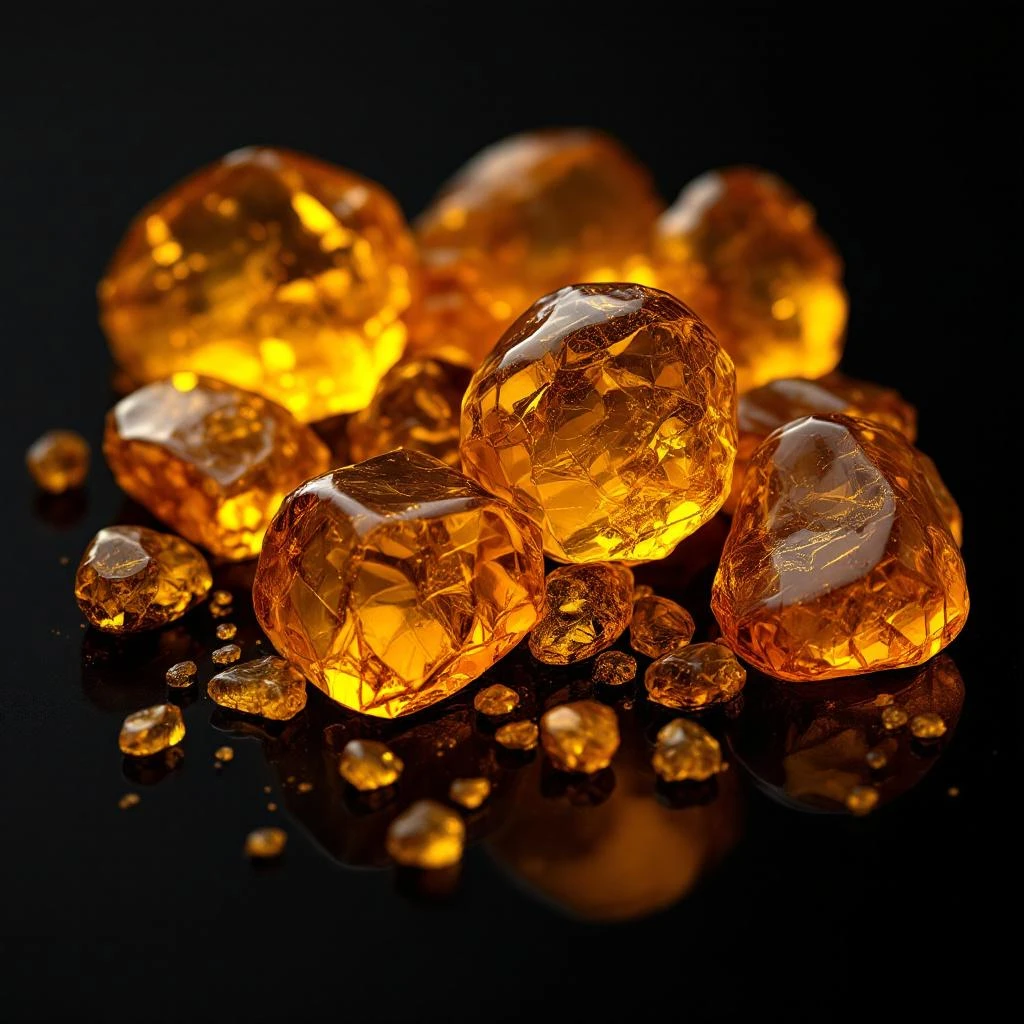
The dessert-inspired plum sorbet accord emerged much later, born from the gourmand movement of the 1990s. Perfumers began translating edible sensations into wearable scent, building accords from synthetic building blocks rather than natural extracts. Patent research into artificial plum compositions confirmed the necessity of reconstructing the fruit's aroma through chemistry, since steam distillation and cold pressing yielded only faint, unstable results.
This shift opened the door for imaginative reinterpretations like sorbet, granita, and frozen fruit themes. Today, plum sorbet represents the meeting point between food culture and modern fragrance construction.
Wears it best
Fragrances featuring Plum Sorbet
Brands
Brands known for Plum Sorbet
Good to know
Questions, answered
The essentials on Plum Sorbet in perfumery: how it smells, where it comes from, and how it behaves on skin.
Is plum sorbet a natural ingredient?
No, plum sorbet is a synthetic accord rather than a natural extract. It is constructed from aroma chemicals like benzaldehyde and benzyl acetate that together recreate the fruit's characteristic scent.
What does plum sorbet smell like?
Plum sorbet smells like sweet, ripe plum fruit with a chilled, icy quality. The accord combines sugary fruit flesh, light tartness, and subtle cooling nuances that suggest a frozen dessert.
Why can't perfumers distill real plum?
Steam distillation of fresh plum produces only faint, unstable aroma compounds. For this reason, perfumers reconstruct plum notes using synthetic ingredients that offer greater consistency and longevity.
When was plum sorbet first used in perfumery?
Plum sorbet accords appeared in fragrances during the 1990s gourmand movement. This era saw perfumers translating edible sensations like desserts, candies, and frozen treats into wearable scent compositions.
Which chemicals create the plum sorbet effect?
The accord relies on benzaldehyde for almond-like sweetness, benzyl acetate for fruity softness, and added lactones for creamy depth. Cooling or green notes simulate the sensation of frozen texture.
Is plum sorbet safe for skin?
Yes, plum sorbet accords use aroma chemicals that meet IFRA safety standards. Each component is evaluated for skin sensitization and usage limits before inclusion in finished fragrance formulas.
Where does natural plum grow?
Plum trees thrive across temperate regions including China, Japan, and parts of Europe. The species Prunus salicina, or Japanese plum, is particularly associated with the fruit's signature aroma profile.
What fragrance families feature plum sorbet?
Plum sorbet appears most often in gourmand and fruity-floral compositions. It pairs effectively with vanilla, amber, and berry notes to enhance sweetness while adding a refreshing, edible quality.




