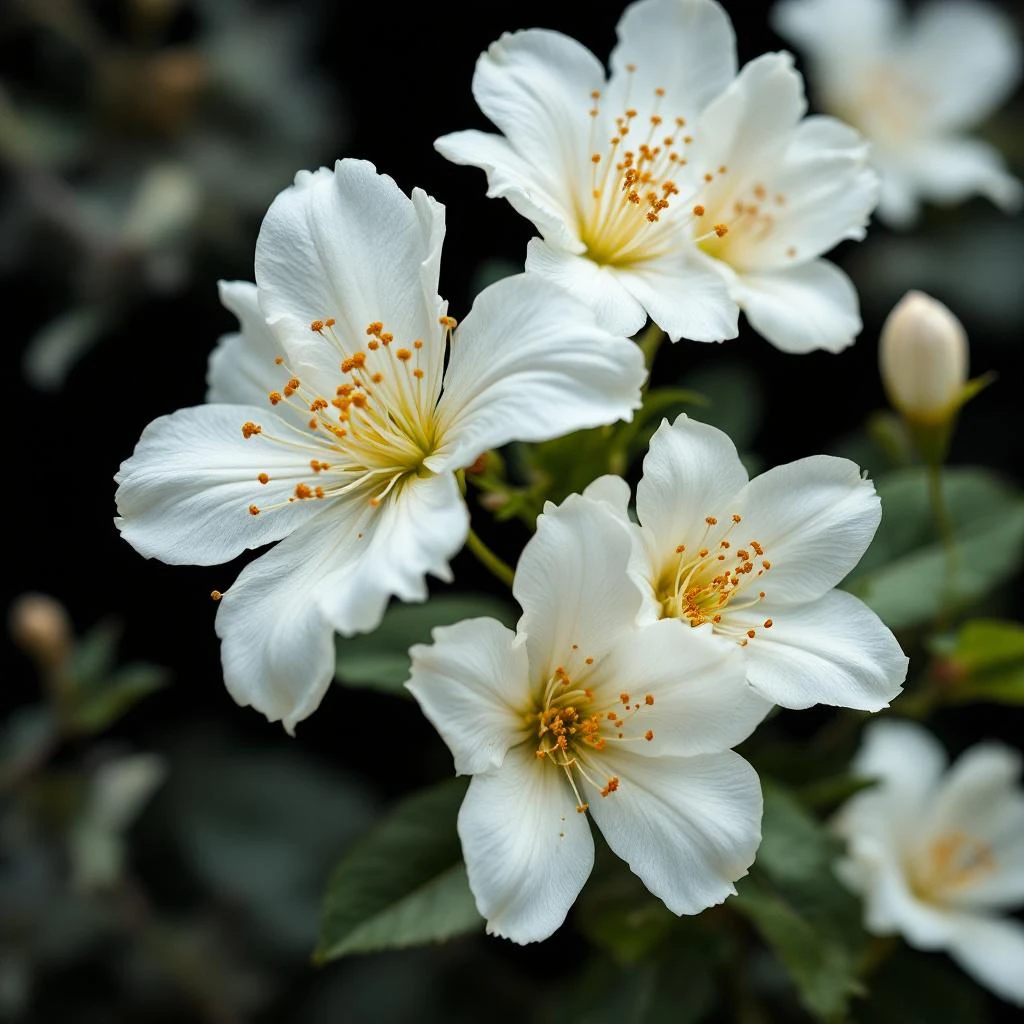
Apricot Blossom
The blossoms of the Prunus armeniaca tree, offering a soft, sweet-floral scent with subtle fruity warmth. Apricot blossom brings an elevating quality to fragrance compositions.
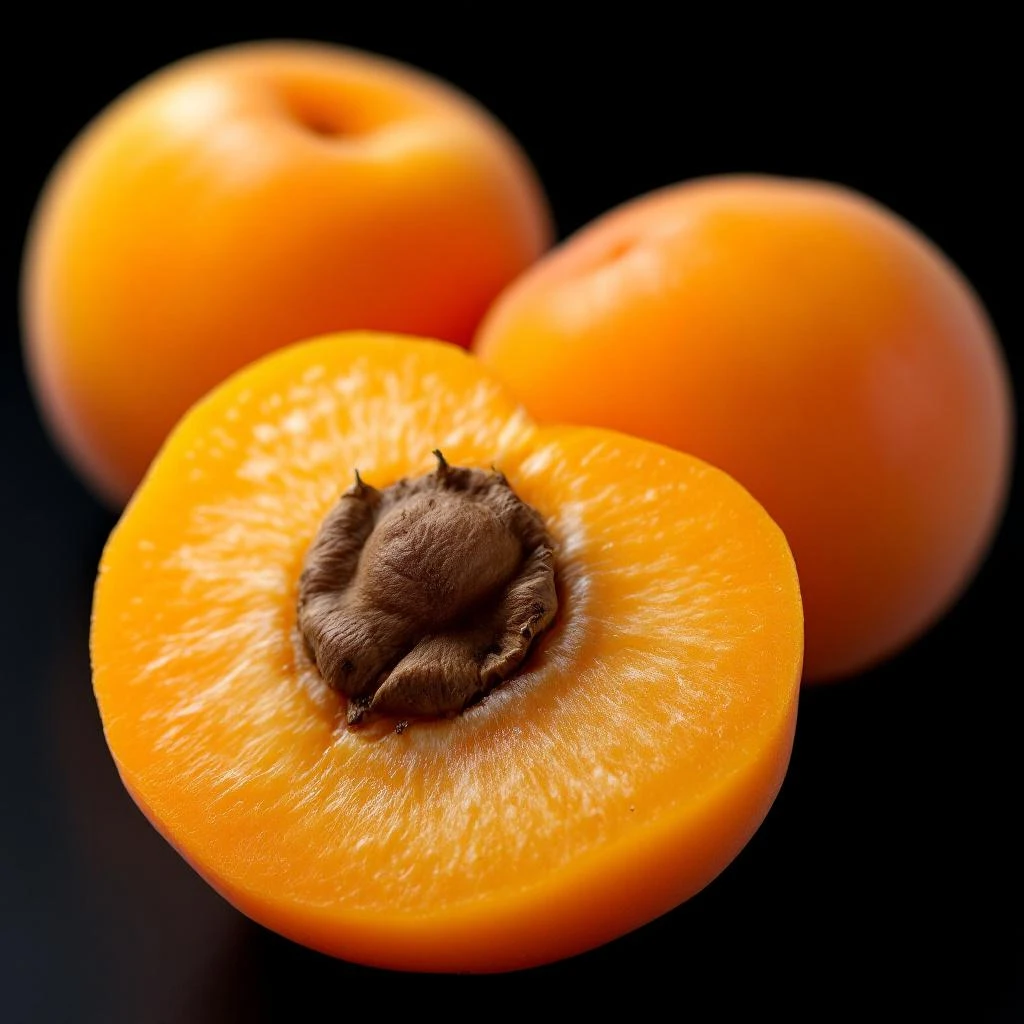
Character
How it smells
Soft, sweet, and quietly radiant.
The apricot tree blooms early in spring, making its blossoms among the first fruit tree flowers to appear each year—bringing a delicate freshness that perfumers cherish.







Origin
Armenia
The apricot tree, Prunus armeniaca, takes its scientific name from Armenia, though botanical evidence suggests the species originated in the mountains of Central Asia. Ancient Persians and Greeks used apricot blossoms to create fragrant oils and perfumes. The noted Arab perfumer Al-Kindi documented apricot in his perfume recipes, placing this ingredient among the foundations of early Middle Eastern perfumery.
By the 19th century, advances in chemistry enabled perfumers to extract the essential oil from apricot blossoms, transitioning the ingredient from traditional preparations to modern perfumery. Today, synthetic recreation allows apricot blossom's delicate qualities to appear consistently across fragrance production.
Wears it best
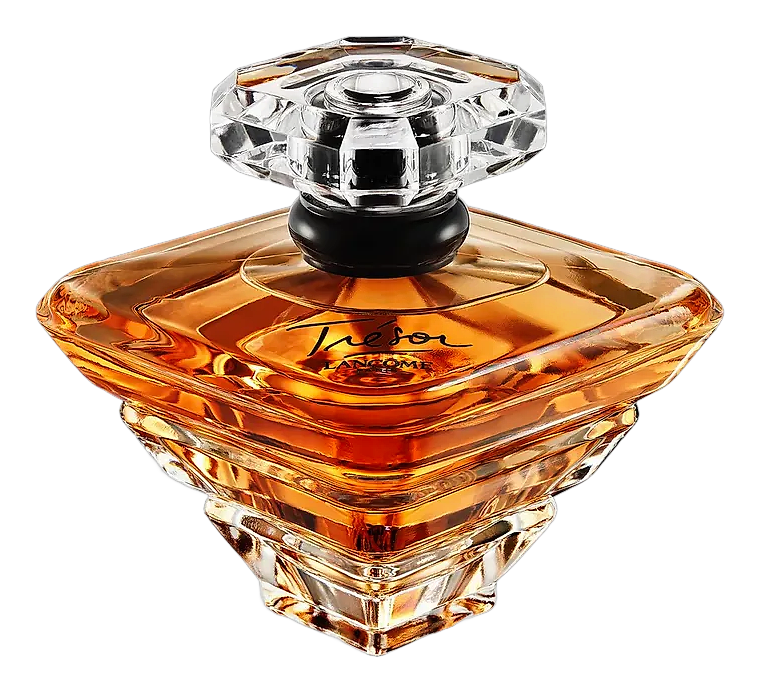
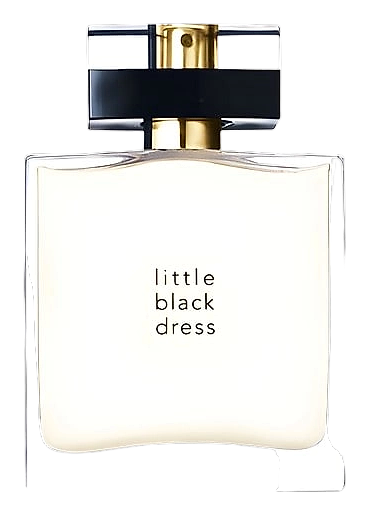
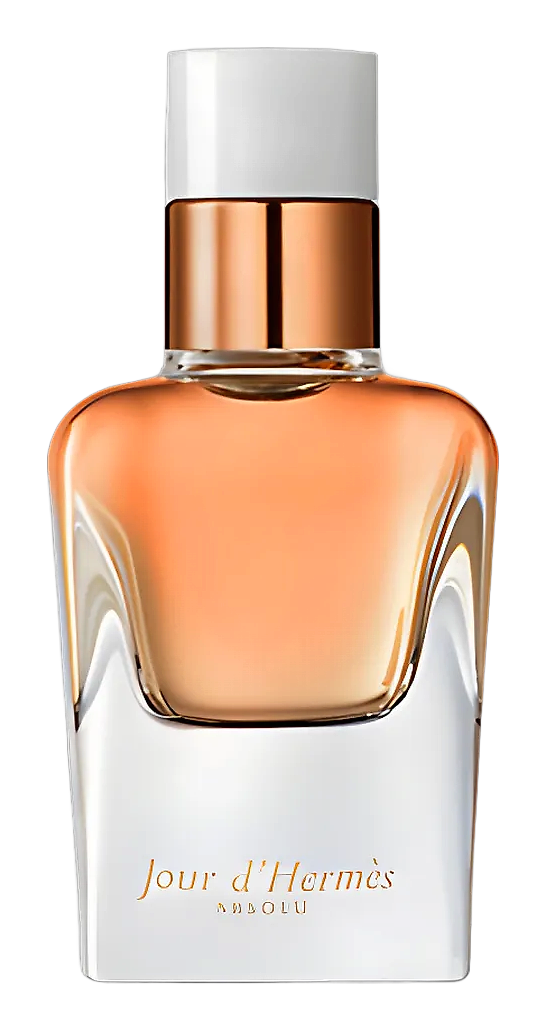
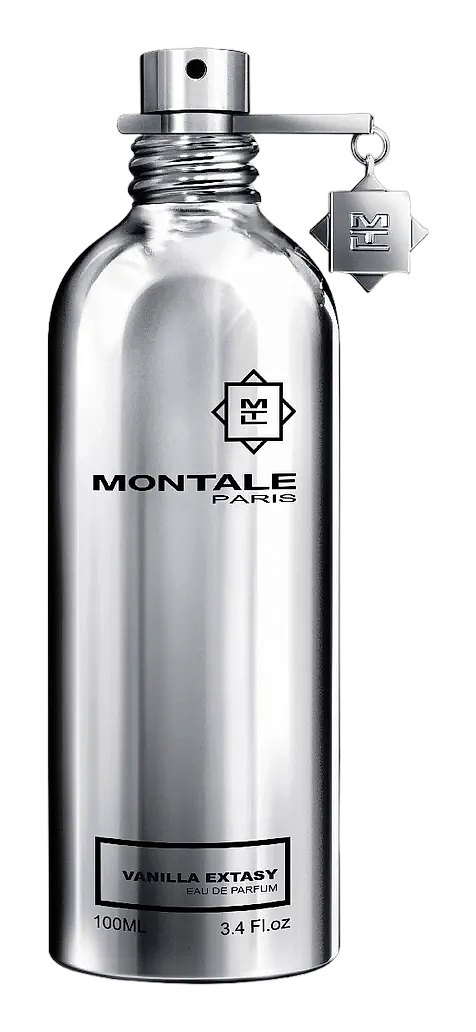
Fragrances featuring Apricot Blossom


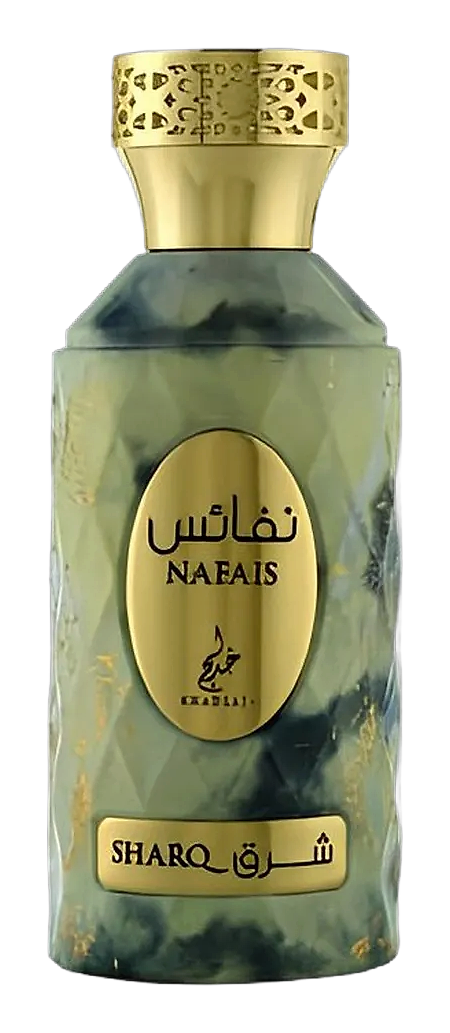
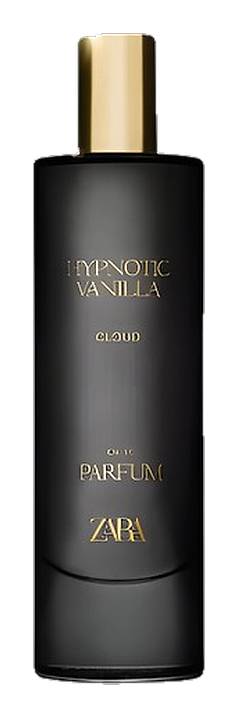
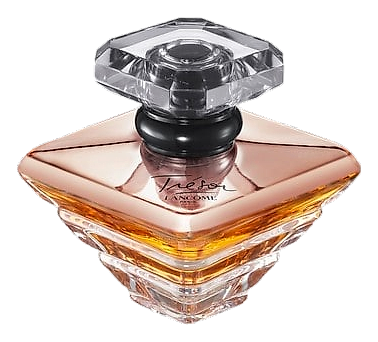
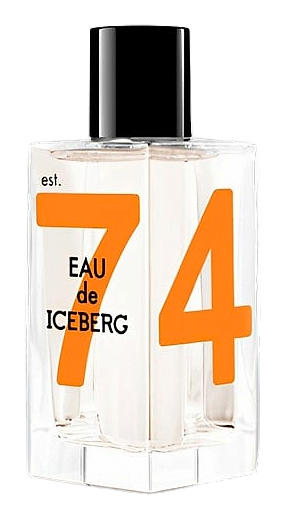
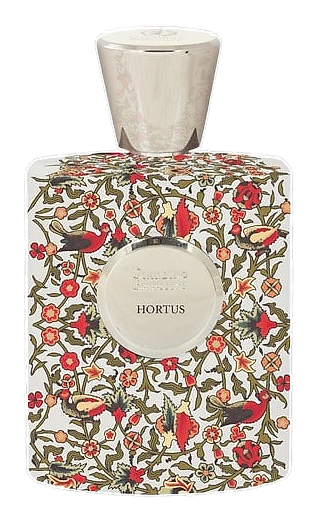

Brands
Brands known for Apricot Blossom
Good to know
Questions, answered
The essentials on Apricot Blossom in perfumery: how it smells, where it comes from, and how it behaves on skin.
How does apricot blossom differ from apricot fruit in perfumery?
Apricot blossom delivers a soft, delicate floral sweetness, while apricot fruit brings lush, ripe juiciness with deeper sweetness. The blossom reads as more ethereal and slightly green, whereas the fruit registers as more overtly sweet and gourmand.
What chemical compounds create apricot blossom's scent?
The characteristic sweet-fruity softness comes from lactones, particularly gamma-decalactone, which replicates the creamy, almost fuzzy fruitiness associated with apricot. Natural blossom absolute contains these same aromatic compounds at lower concentrations.
Is apricot blossom available as a natural extract?
Yes, apricot blossom absolute exists, but it remains uncommon in perfumery due to the delicate nature of the flowers and the difficulty of extraction. Most commercial apricot notes are created synthetically.
What fragrances showcase apricot blossom?
Apricot blossom appears most often in modern fruity-floral compositions. Fragrance houses like Byredo and Hermès have used apricot accords effectively, typically pairing the blossom note with woody or musky bases for depth.
When does the apricot tree bloom?
Apricot trees bloom early in spring, often before other stone fruit trees. This early flowering gives the blossoms a fresh, vital quality and makes them particularly valued in regions where winters are harsh.
How long has apricot been used in perfumery?
The apricot tree has origins in Central Asia, with documented use by ancient Persians and Greeks. Al-Kindi recorded apricot in Arab perfume recipes during the 9th century, placing it among the earliest perfume ingredients.
Can apricot blossom be steam distilled?
No, the blossoms are too delicate for steam distillation. Perfumers use solvent extraction or modern techniques like headspace capture to obtain the aromatic compounds.
What pairs well with apricot blossom in fragrance?
Apricot blossom harmonizes with white florals like jasmine and magnolia, stone fruit notes such as peach and nectarine, and softer woods like sandalwood. It also works well with musks for a skin-like finish.